
Clear Glass Vessel
A clear glass vessel brings centuries of master glassmaking directly to the table, offering light and form through enduring domestic and decorative objects.
Clear Glass Vessel
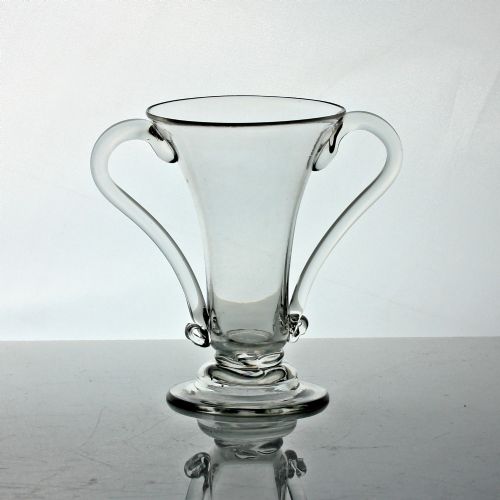
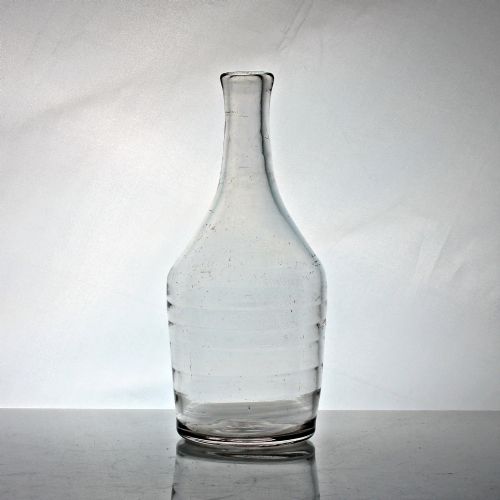
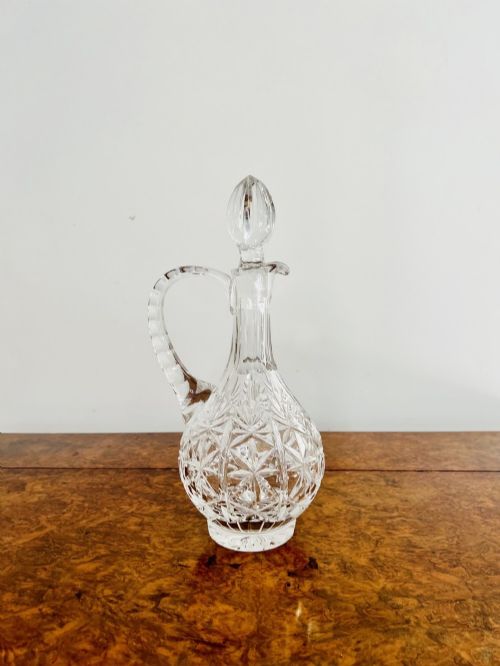
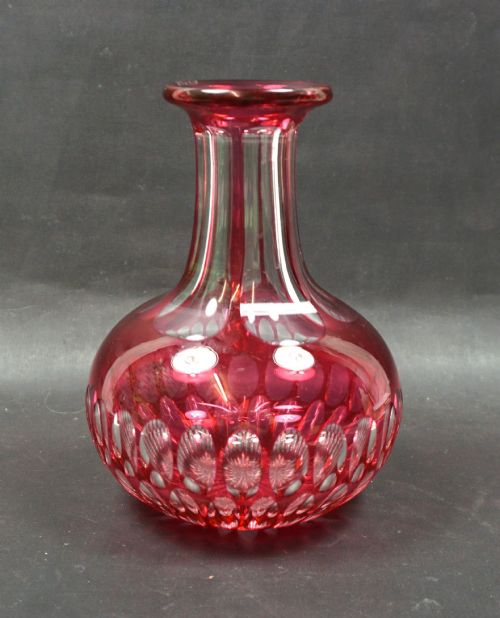
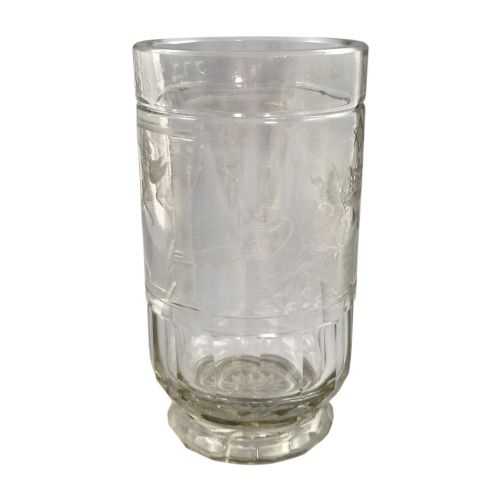
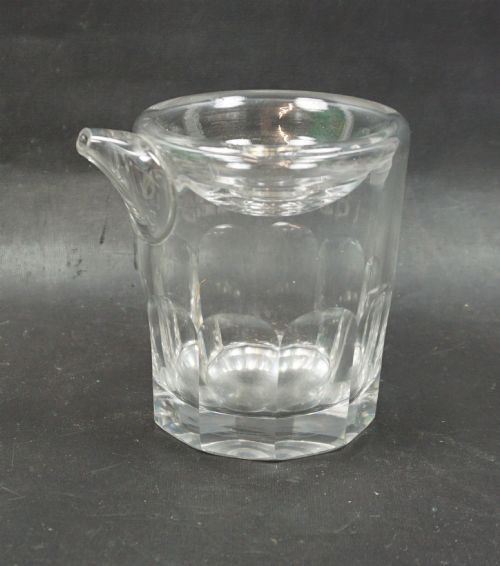
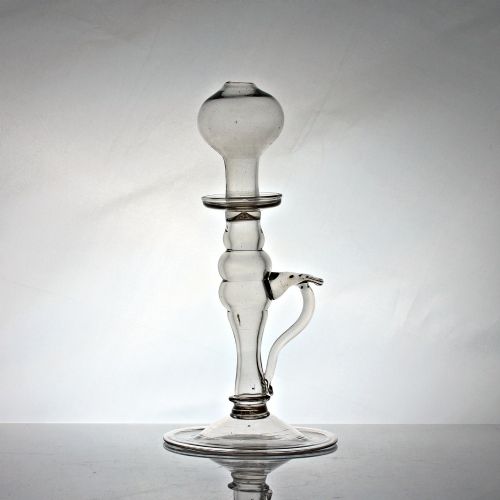
A clear glass vessel encompasses a diverse array of utilitarian and decorative objects spanning multiple centuries, from drinking glasses and decanters to apothecary jars and vases. Buyers searching this phrase most frequently encounter 18th-century drinking glasses alongside Victorian and Edwardian tablewares.
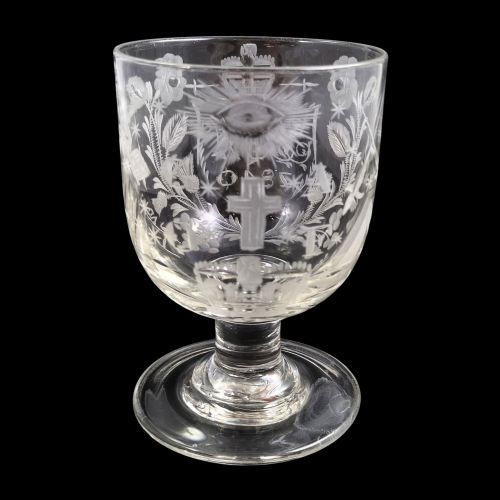
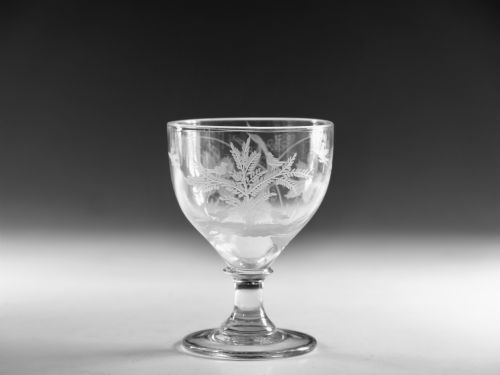
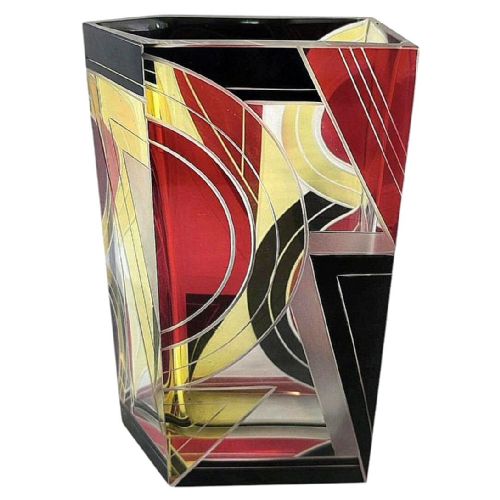
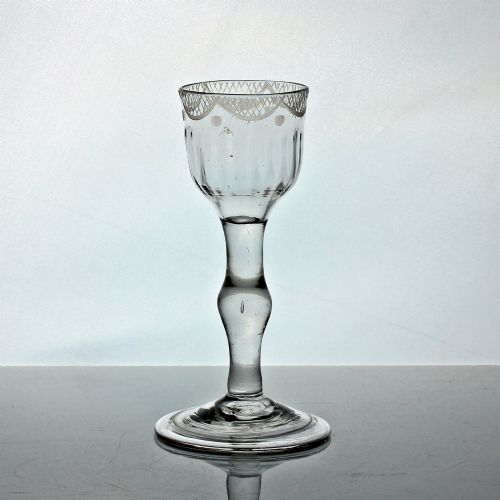
The selection ranges from early baluster wine glasses and rummers to Art Deco vases and pharmacy carboys. These pieces bridge everyday domestic utility and specialised ceremonial or apothecary use across Georgian, Victorian, and later periods.
Materials and Technique
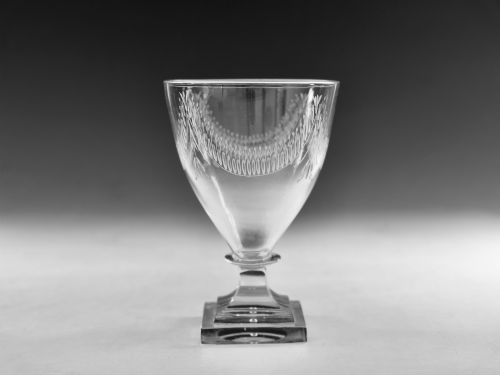
Makers utilised lead glass, flint glass, and crystal alongside standard glass to achieve clarity and weight. Hand-blowing techniques produced fluid forms with folded feet, while subsequent cutting and engraving added surface detail.
Decoration involved wheel engraving, etching, and enamel application. Specialised methods such as air twists and opaque twists within stems required precise manipulation during the glassmaking process.
Clear Glass Vessel Retail Price Guide 2026
Typical asking prices for clear glass vessel among the pieces listed under this phrase on Sellingantiques today, from the lower quarter to the upper quarter. They describe what is for sale here now, not the wider market.
Bottles occasionally contain entire wooden sailing ships, preserving miniature maritime scenes inside the glass.
Distinctions in Execution
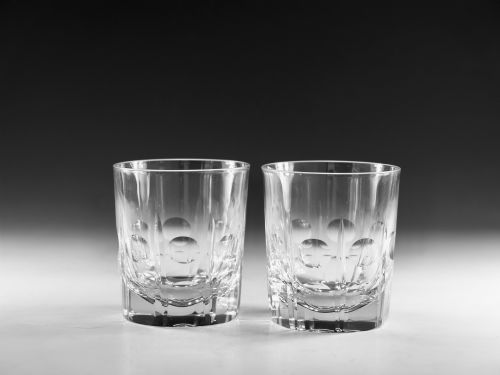
Quality rests on the crispness of the cutting, the complexity of internal stem structures such as multi-spiral air twists, and the purity of the metal. Superior examples exhibit balanced proportions and refined engraving.
Weight and wall thickness also differentiate standard utility pieces from fine tablewares and display items. Hand-finished details and the absence of distracting flaws mark the upper tier of production.
Rene Lalique·Daum·Val St Lambert
The Clear Glass Vessel Glossary
- Rummer
- A large, heavy drinking glass popular in the Georgian and Victorian periods. These vessels typically sit on a short stem with a substantial foot.
- Air twist
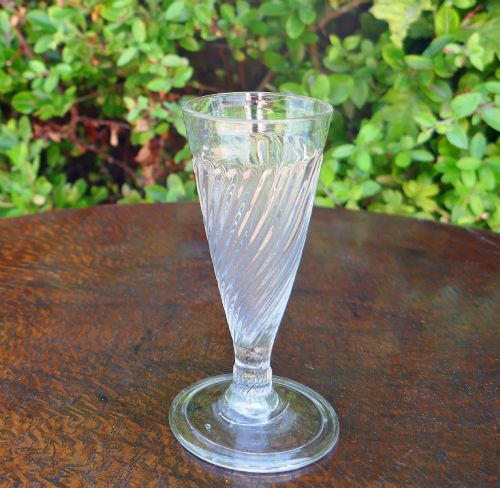
- A decorative stem formation containing an elongated spiral of tiny air bubbles trapped within the glass. This technique requires exceptional skill during drawing.
- Carboy
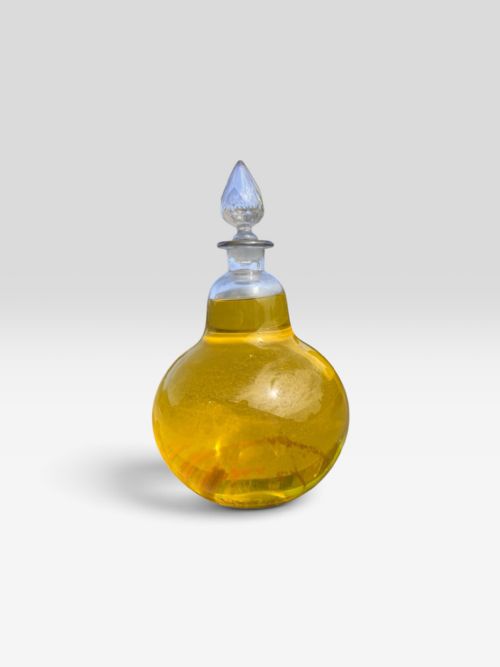
- A large, rigid vessel used historically for holding liquids, often found in pharmacy and apothecary contexts. Nineteenth-century examples display robust hand-blown characteristics.
Clear Glass Vessel: Frequently Asked Questions
How do I date a wine glass?
Dating relies on identifying specific stem formations, bowl shapes, and manufacturing traits such as pontil marks on the base. Early pieces often feature folded feet and heavier baluster profiles.
Changes in glass chemistry, particularly the introduction of lead glass, also help narrow the period of production between the 18th and 19th centuries.
What is an apothecary jar used for?
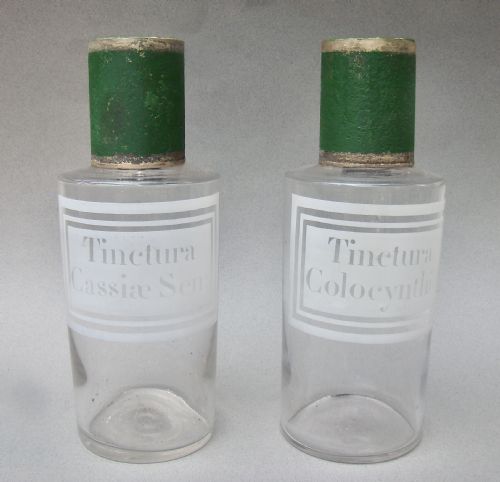
These jars originally held medicinal ingredients, herbs, and liquids in pharmacies and dispensaries. Their robust construction protected contents from light and air.
Later Victorian and Edwardian examples often feature etched labels and decorative stoppers for display use.
How do I care for antique glass?
Hand wash pieces gently in lukewarm water using mild detergent to protect delicate surfaces and engraved details. Avoid sudden temperature changes to prevent thermal shock.
Store them securely on stable surfaces away from direct edges and high-traffic areas.
What defines an air twist stem?
An air twist stem contains a continuous internal spiral of elongated bubbles created by manipulating trapped air during the drawing process. This technique flourished during the mid-18th century.
Master glassmakers could vary the thickness and rotation of the spiral to produce distinct optical effects.