




Clear Glass Tazza
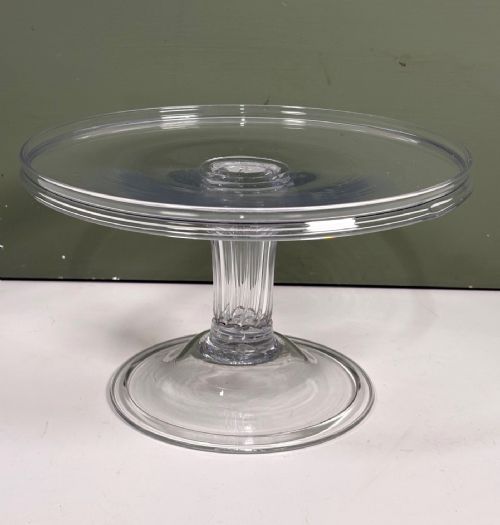
A clear glass tazza is an elevated pedestal dish designed for fruit or sweetmeats, offering a brilliant display for any formal table.
Clear Glass Tazza
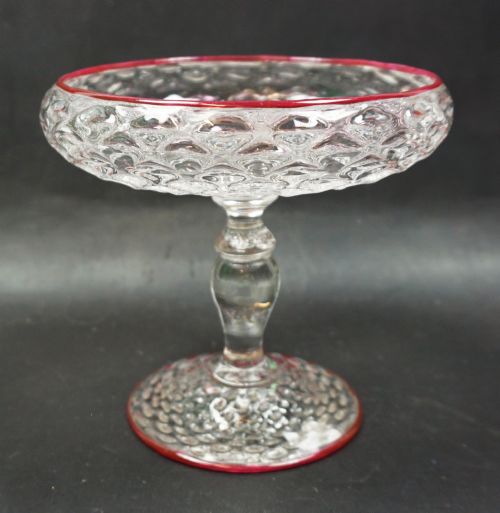
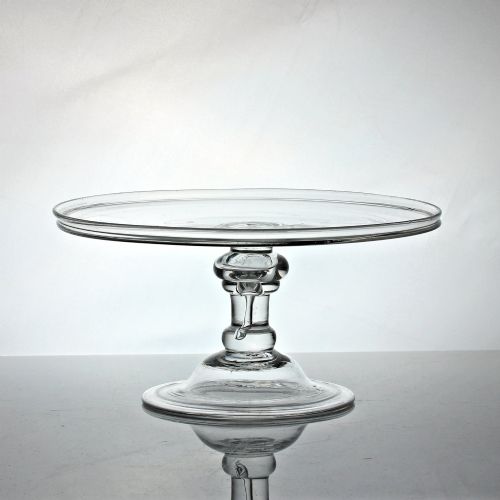
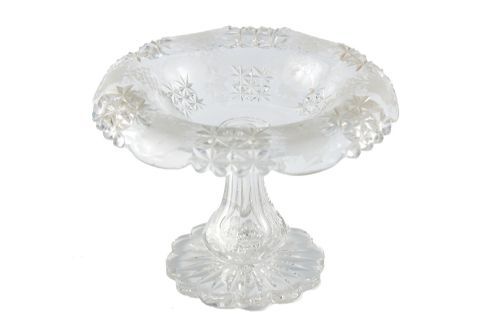
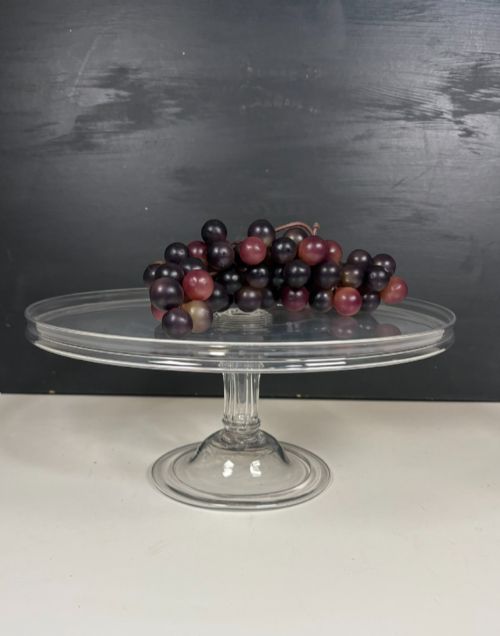
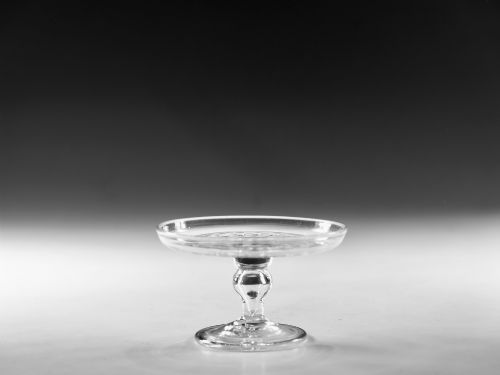
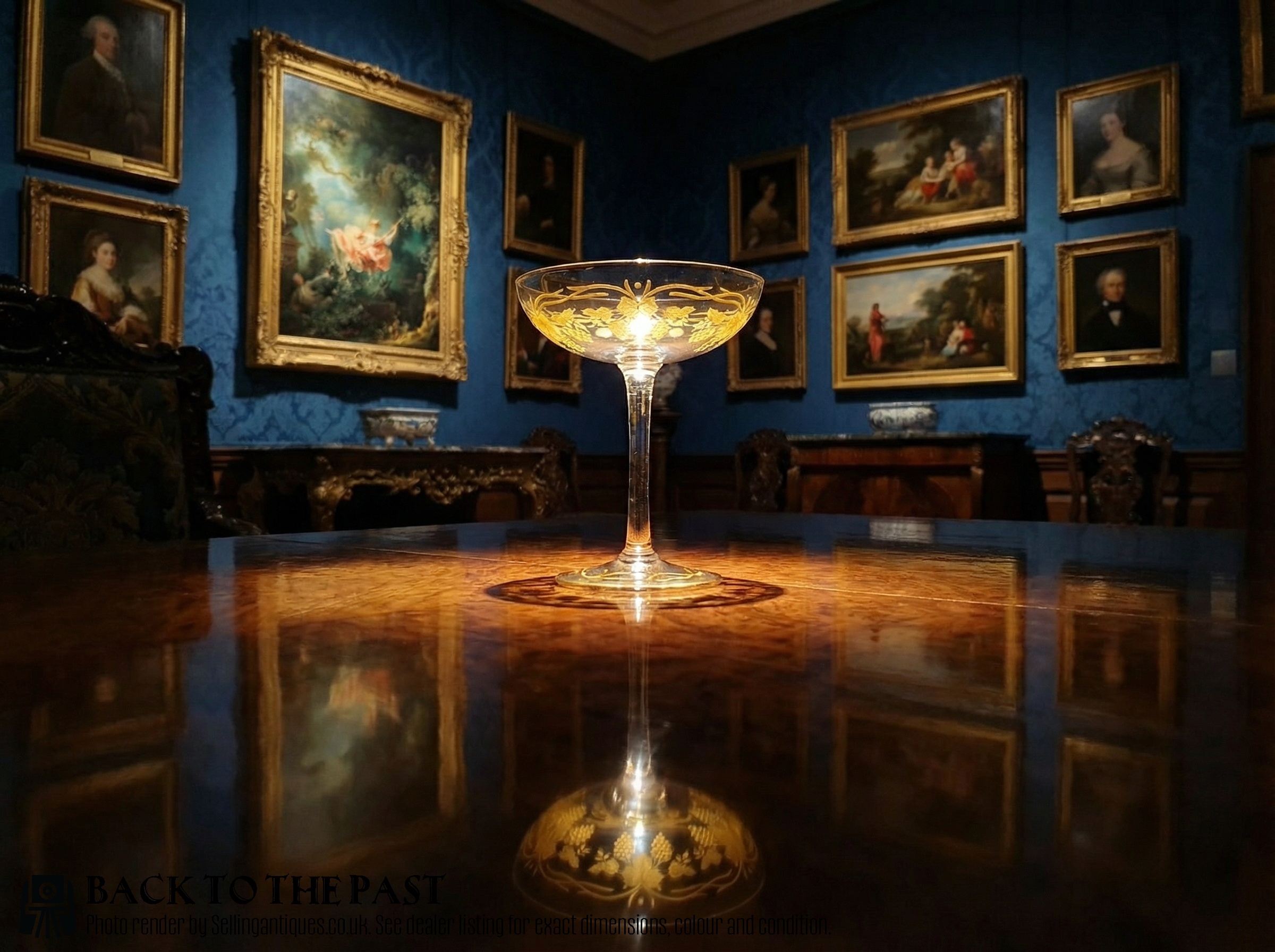
A clear glass tazza serves as an elevated serving dish or centrepiece, standing upon a central stem and foot. When you search for a clear glass tazza, you encounter forms ranging from modest eighteenth-century patch stands to large Victorian pedestal bowls.
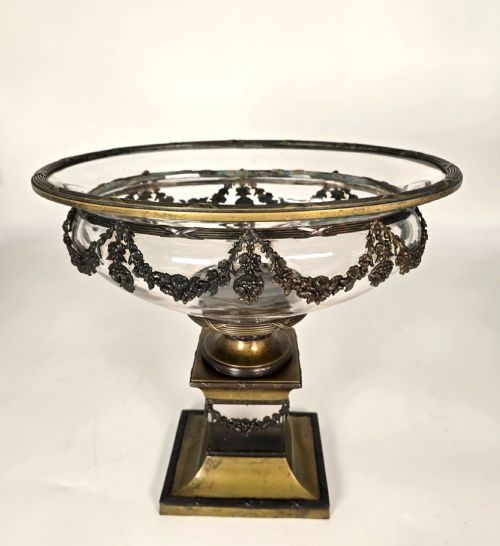
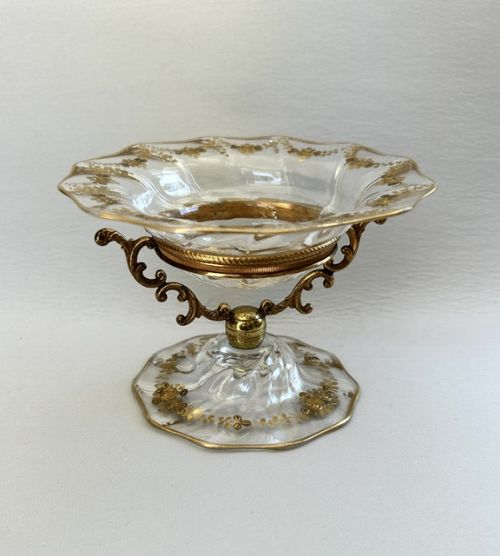
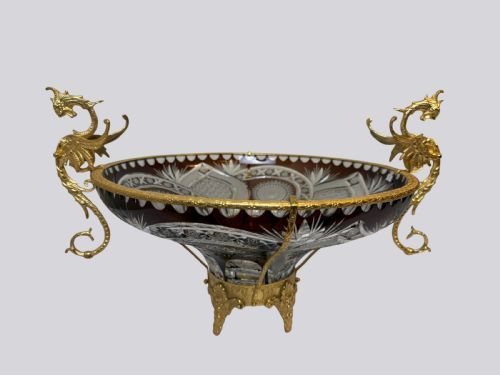
The material composition spans basic clear glass alongside heavier lead crystal and flint glass. Pieces frequently display moulded patterns, wheel-engraved details, or combinations with gilt bronze mounts.
Origins stretch from early Georgian workshops through Victorian factories to early twentieth-century makers. English and French examples dominate the selection, showing distinct shifts in decorative taste across the centuries.
What varies in quality
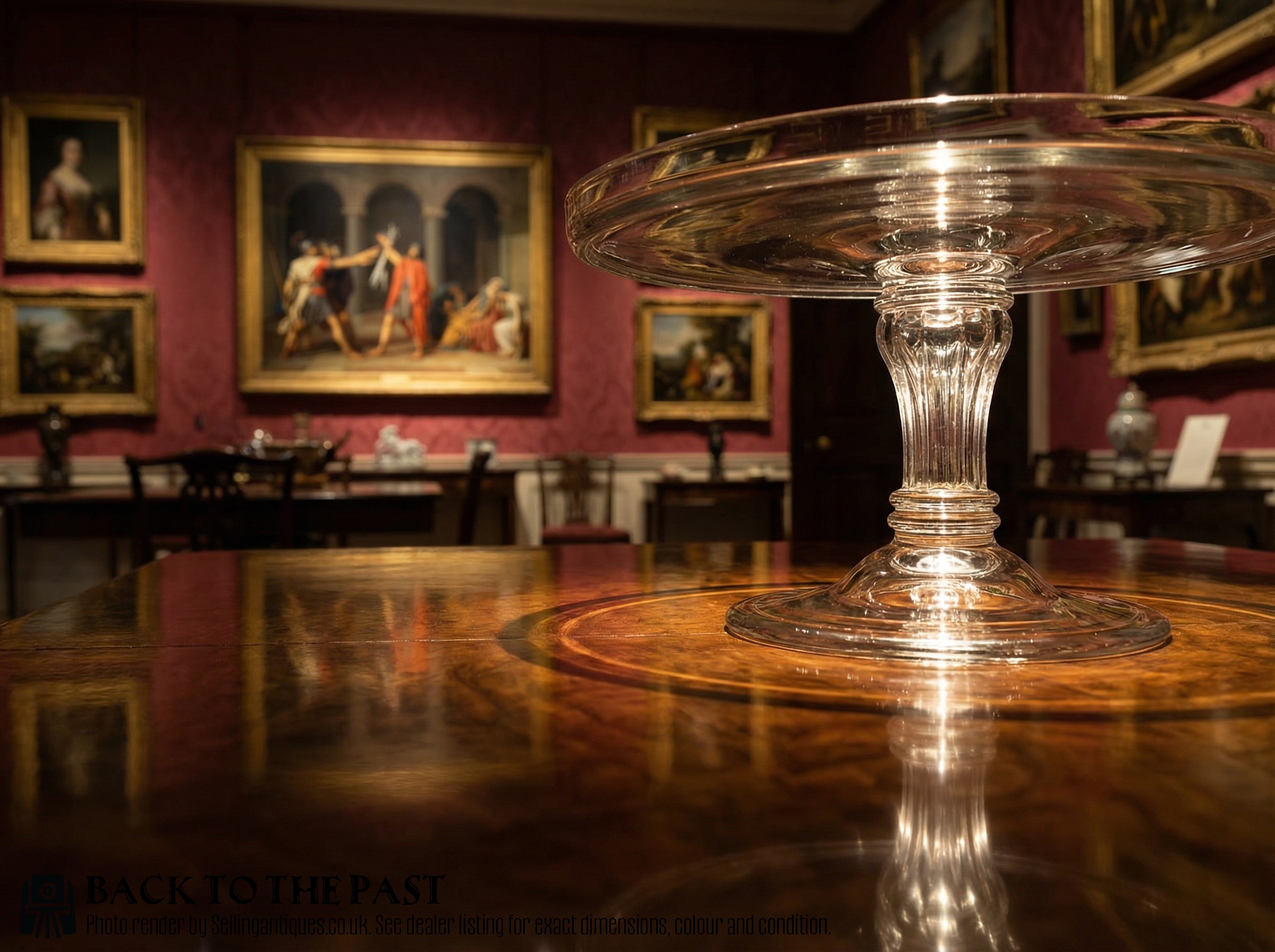
The clarity and weight of the glass define the baseline of quality, with dense lead crystal offering a superior ring and brilliance compared to lighter metal. Crispness in the moulded honeycomb patterns or precision in the wheel engraving reveals the hand of a skilled cutter.
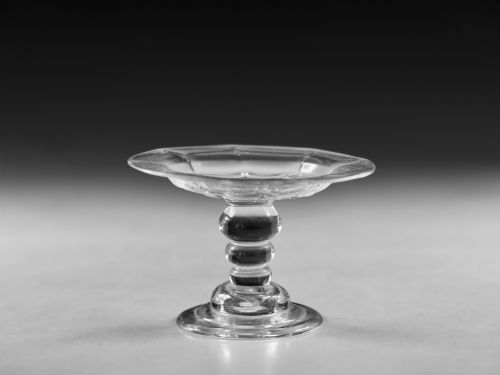
Proportion and balance dictate the elegance of the silhouette, particularly in baluster stems and terraced feet. The integration of metal mounts, where present, demonstrates the standard of workshop craftsmanship.
Clear Glass Tazza Retail Price Guide 2026
Typical asking prices for clear glass tazza among the pieces listed under this phrase on Sellingantiques today, from the lower quarter to the upper quarter. They describe what is for sale here now, not the wider market.
Some tiny eighteenth-century examples spent their youth holding beauty patches before retiring to display sweetmeats.
WMF
The Clear Glass Tazza Glossary
- Tazza
- An elevated pedestal dish or shallow bowl used for serving sweetmeats, fruit, or small cakes. The form derives from Renaissance metalwork plates.
- Patch stand
- A miniature tazza historically used to hold small cosmetic patches for the face. These delicate pieces often feature baluster stems and folded feet.
- Baluster stem
- A central support column turned with swollen curves resembling an architectural baluster. This form frequently appears on eighteenth-century drinking vessels and serving pieces.
- Lead crystal
- A heavy glass variety containing lead oxide, which increases brilliance and refractive index. It allows for deep, sharp cutting.
- Sweetmeat glass
- A small stemmed dish designed for preserved fruits, nuts, or confectionery. They share forms with patch stands and smaller tazzas.
Clear Glass Tazza: Frequently Asked Questions
What is a clear glass tazza used for?
These elevated dishes served historically for presenting sweetmeats, fruit, or confectionery at formal dining tables. They functioned both as practical serveware and as decorative centrepieces.
Today, they suit modern interiors as display pieces on sideboards or dining tables, continuing their traditional role of showcasing small items.
How do I date an 18th-century tazza?
Dating relies on examining the stem formation, foot construction, and glass metal composition. Early pieces often feature heavy lead glass with baluster stems and folded feet.
Later Victorian and Edwardian examples introduce machine moulding, sharper cut glass patterns, and etched floral motifs alongside heavier pedestals.
What is the difference between a tazza and a patch stand?
A patch stand is essentially a miniature tazza, typically smaller in diameter and lower in height. They were originally intended for holding cosmetic face patches.
Standard tazzas offer a larger bowl surface suited for serving food or acting as a table centrepiece rather than holding vanity items.
How should I clean antique glass?
Antique glass requires gentle washing in lukewarm water with mild soap. Avoid harsh scrubbers, extreme temperature changes, and automated dishwashers to protect the surface.
Dry the piece immediately with a soft lint-free cloth to maintain the clarity and brilliance of the lead crystal or flint glass.