


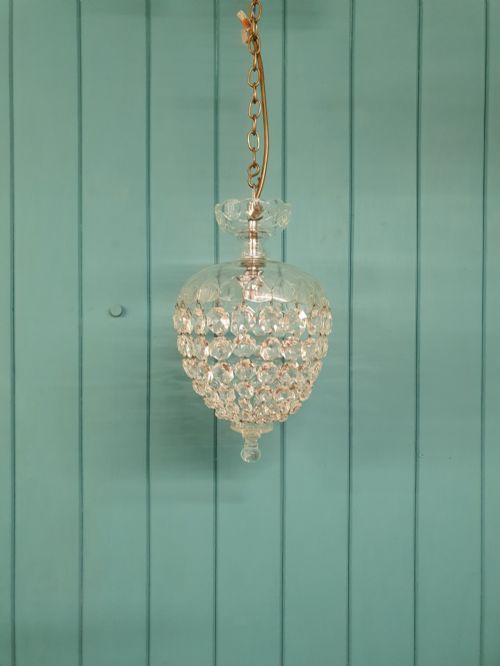


Clear Glass Shade
When you handle a clear glass shade, you hold a piece of utilitarian history designed to diffuse light with simple, honest elegance.
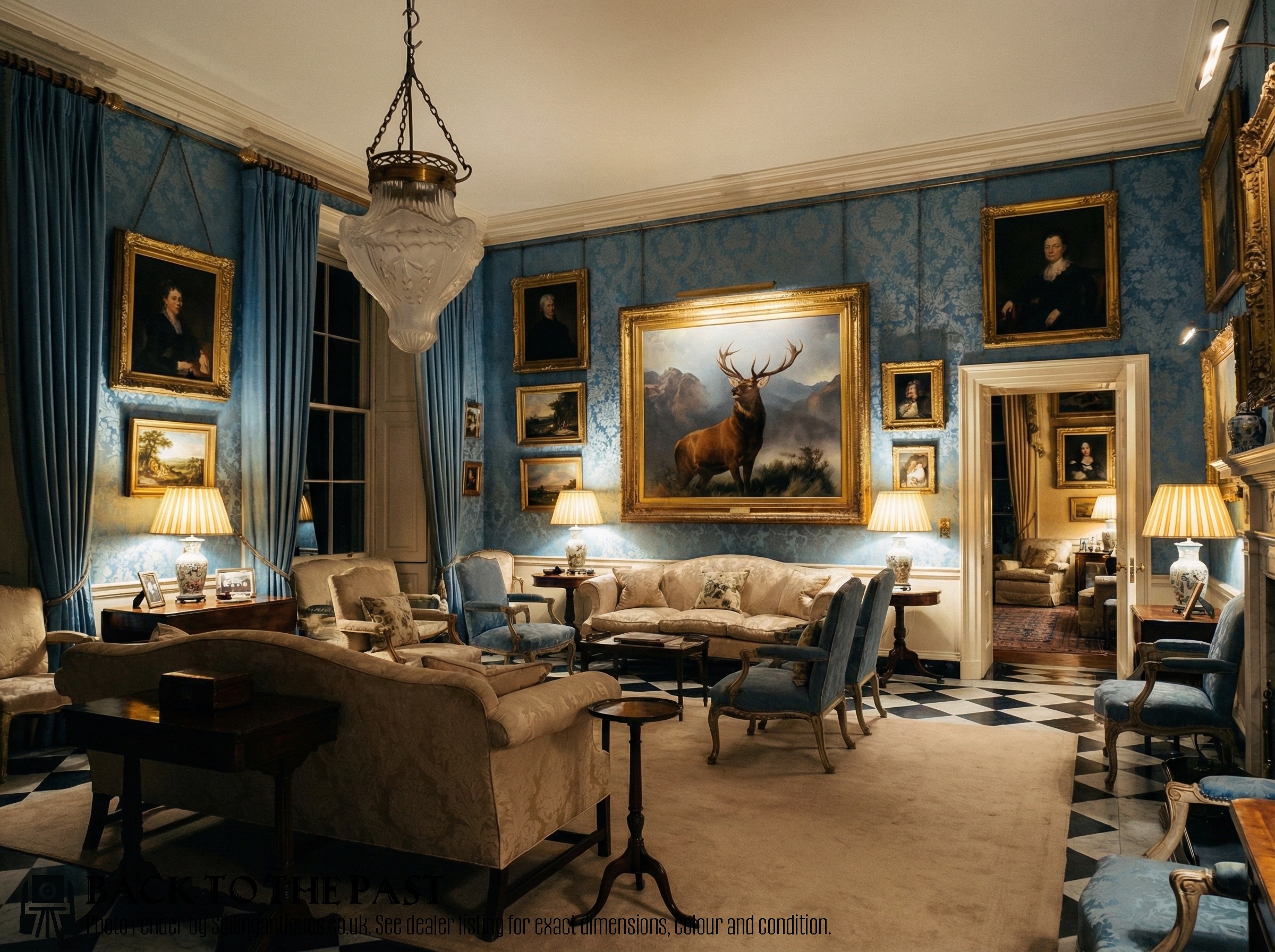
Clear Glass Shade
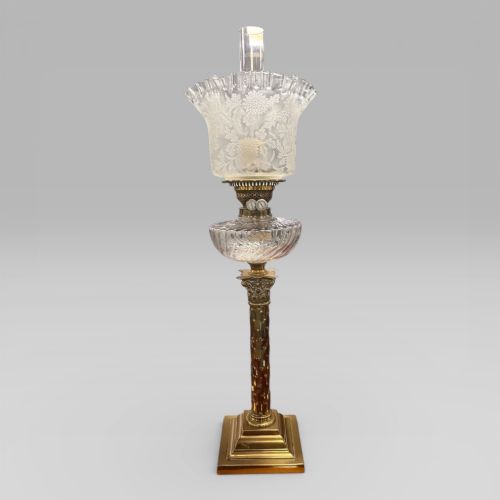
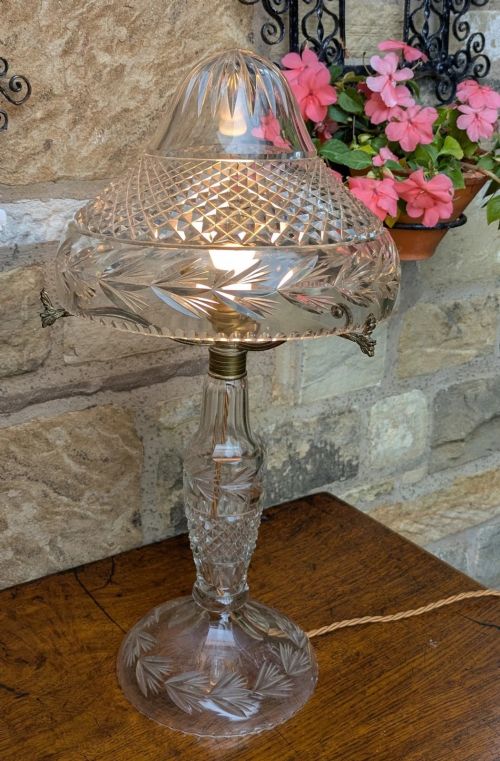
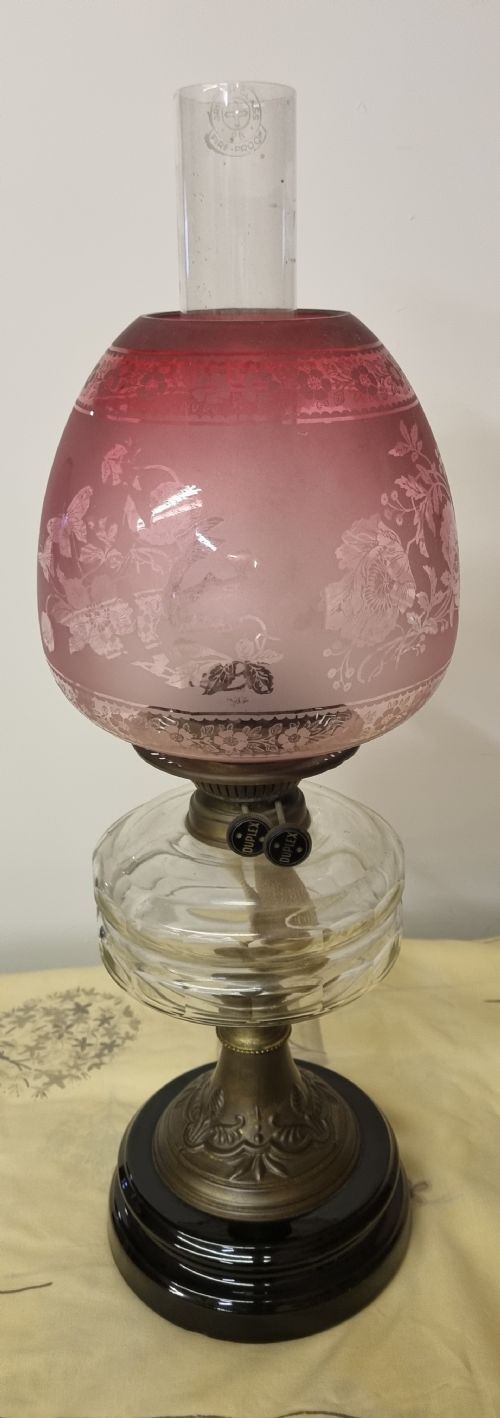
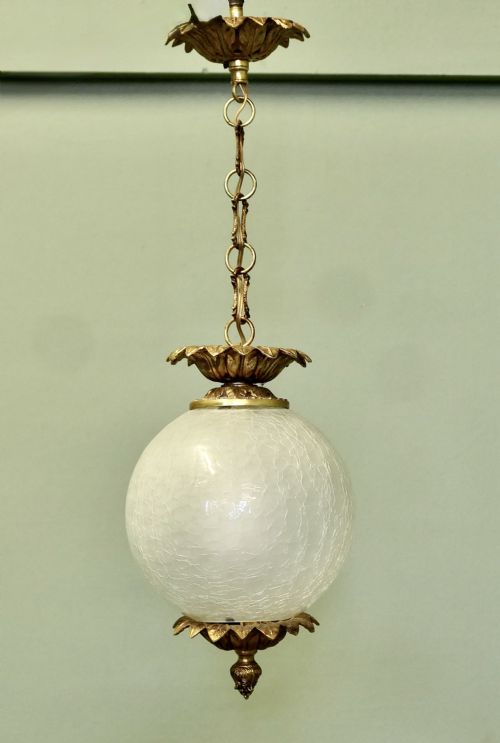
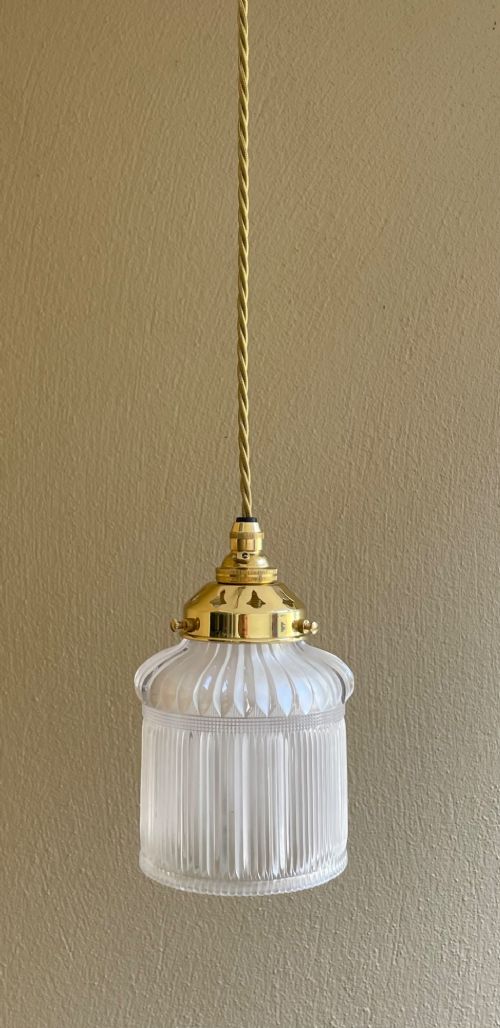
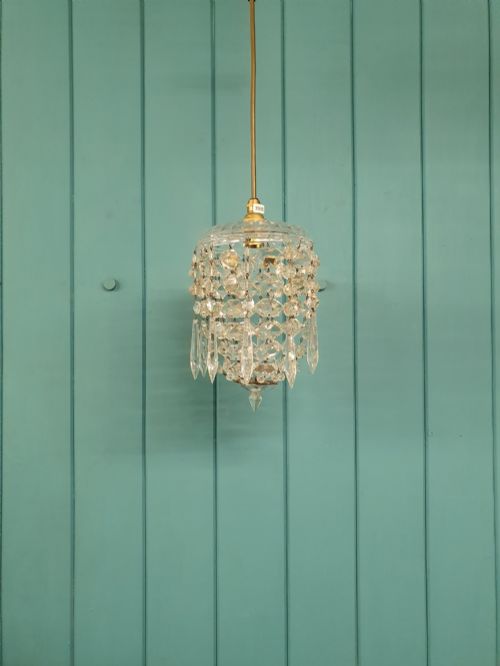
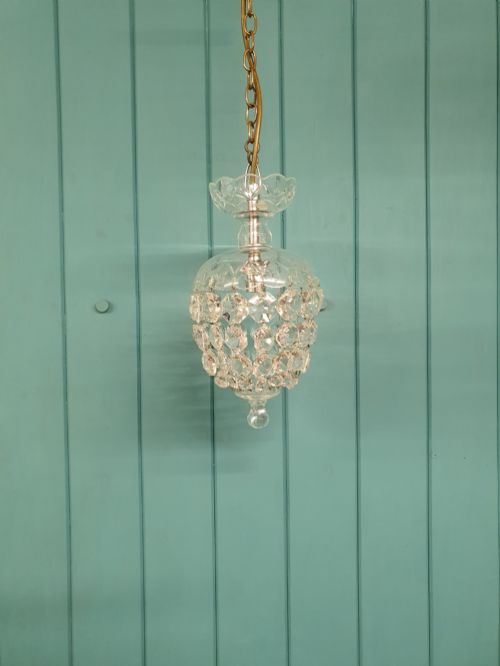
A clear glass shade serves as a functional and decorative housing for lighting, most frequently encountered in pendant lights, ceiling fixtures, and early table lamps across this selection. These items span periods from the Victorian era and Edwardian times through the Art Deco and 1940s movements, reflecting changing domestic illumination needs.
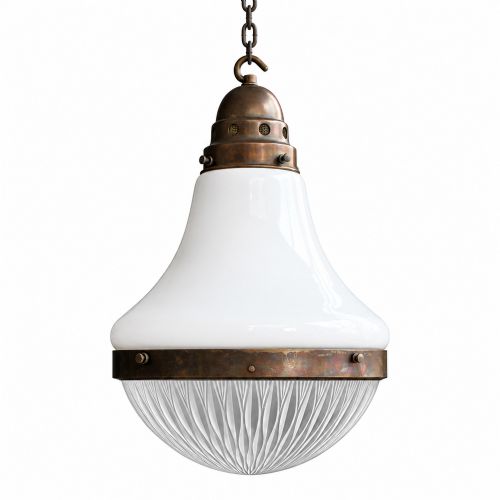
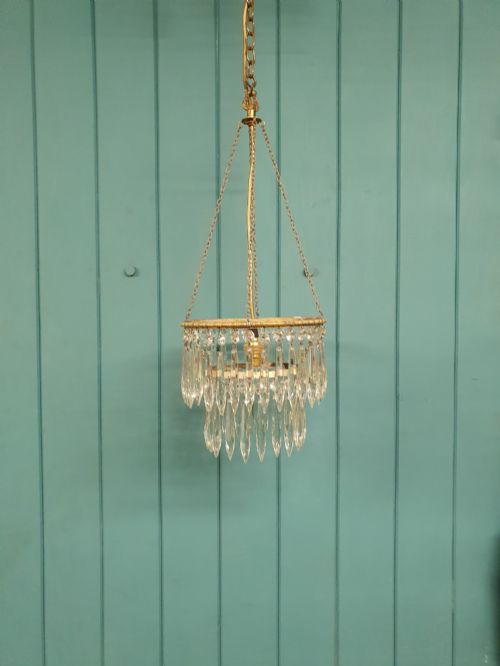
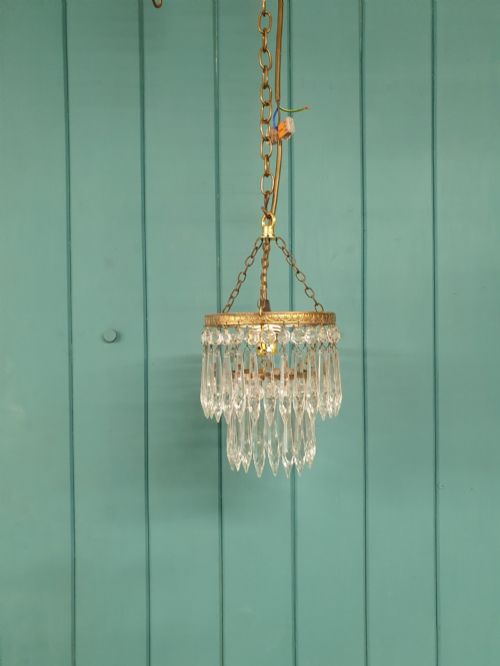
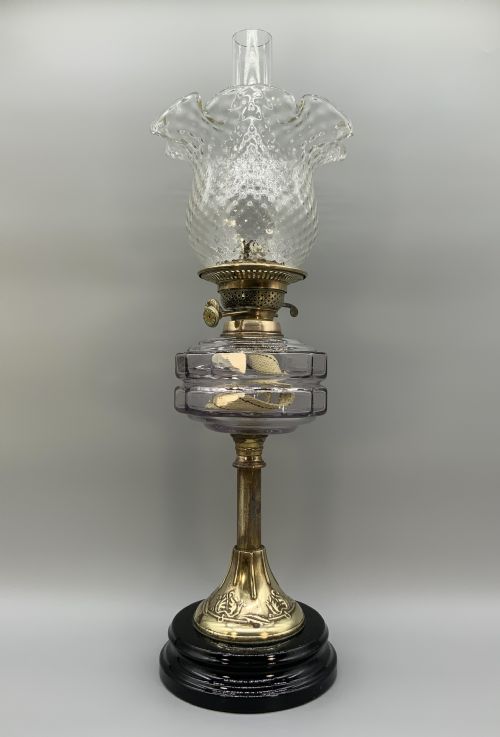
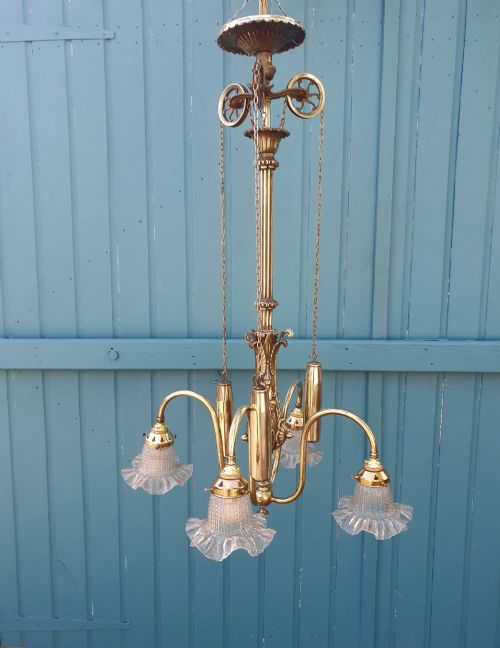
The versions most common in these listings include utilitarian prismatic glass shades, geometric Art Deco globes, and cut crystal domes paired with brass mounts. They range from small hanging pendants to multi-armed chandeliers and oil lamp conversions, each designed to direct or soften interior light.
What varies in quality
The standard of a clear glass shade rests upon the purity of the glass mass, the absence of distracting bubbles or ripples, and the crispness of any cut or moulded facets. Superior examples display precise optical properties that refract light evenly without distortion.
The accompanying metalwork dictates the overall caliber of the fixture, where heavy cast brass fittings and original suspension hardware outweigh later replacements. Integration between the glass fitter rim and the brass gallery demonstrates the care taken during initial production.
Clear Glass Shade Retail Price Guide 2026
Typical asking prices for clear glass shade among the pieces listed under this phrase on Sellingantiques today, from the lower quarter to the upper quarter. They describe what is for sale here now, not the wider market.
The selection includes various object types, ranging from simple ceiling pendants and Holophane shades to complex multi-tiered crystal chandeliers.
Hinks of Birmingham·Stuart Crystal
The Clear Glass Shade Glossary
- Prismatic glass
- Glass moulded with precise internal ribs or prisms designed to refract and diffuse light efficiently while reducing glare. This material became a staple of early twentieth-century industrial and commercial lighting.
- Plafonnier
- A ceiling light fixture where the shade sits flush or close against the ceiling mount rather than hanging on a long suspension cord or chain. This form is common in French and early twentieth-century interior lighting.
- Duplex burner
- A double-wick mechanism found on Victorian oil lamps designed to produce a brighter flame and greater light output. These burners usually paired with wider tulip-shaped glass shades.
- Gallery
- The metal ring or collar on a light fixture equipped with screws to hold a glass shade in place. Quality galleries are cast solidly to match the period of the shade.
Clear Glass Shade: Frequently Asked Questions
Can these shades take modern bulbs?
Many vintage and antique fixtures accept modern LED bulbs provided the wattage and physical dimensions match the clearance inside the shade. Low-heat LED alternatives help protect older glass and brass from thermal stress.
Consult a qualified electrician to check the internal wiring and lampholder compatibility before installing any historic lighting piece into a modern circuit.
How do I date a glass shade?
Examine the mounting rim for tool marks, pontil scars, and hand-cut facets that suggest nineteenth-century or Edwardian production methods. Smooth, moulded ribs and specific patent marks often point toward the industrial designs of the 1920s and 1930s.
Consider the accompanying metal hardware, as original brass galleries and chains provide reliable chronological context alongside the glass itself.
Are these shades prone to damage?
Glass is inherently fragile, meaning fitter rims and lower edges are vulnerable to minor chips from past handling and installation. Inspecting these contact points helps ensure the shade remains stable within its metal gallery.
Careful handling during cleaning and installation prevents most accidental impacts, preserving the structural integrity of the glass.