

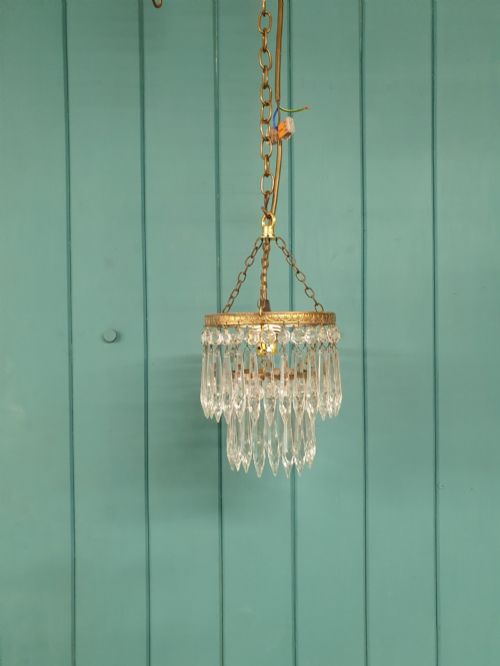
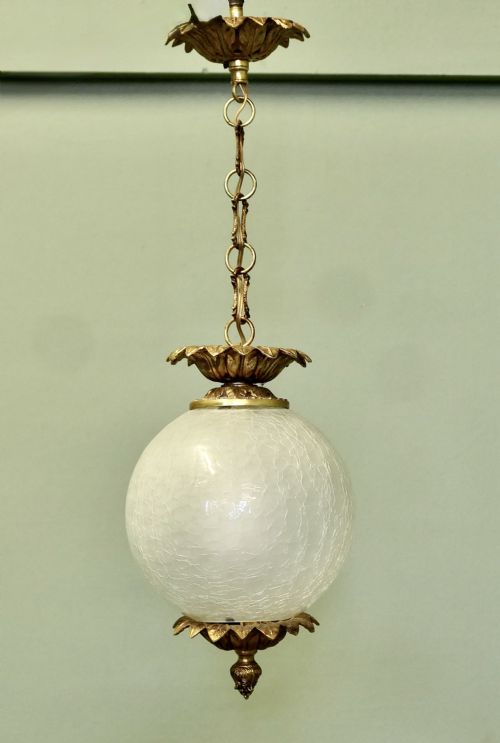
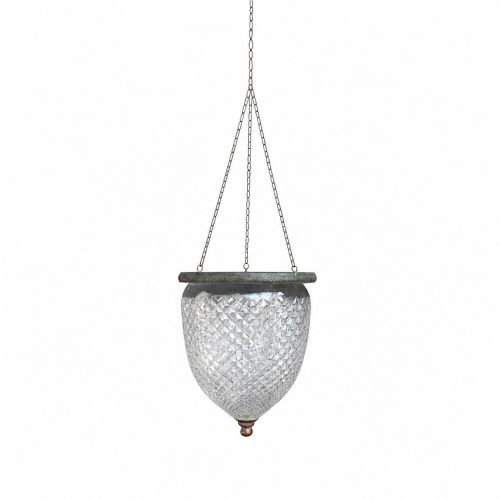
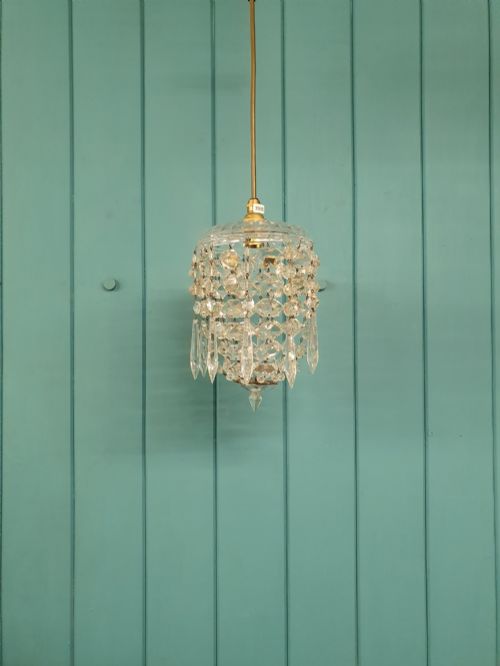


Clear Glass Shade Chandelier
These clear glass shade chandeliers combine heavy metal frames with brilliant optical glass, offering bright illumination and period character for period and eclectic interiors alike.
Clear Glass Shade Chandelier
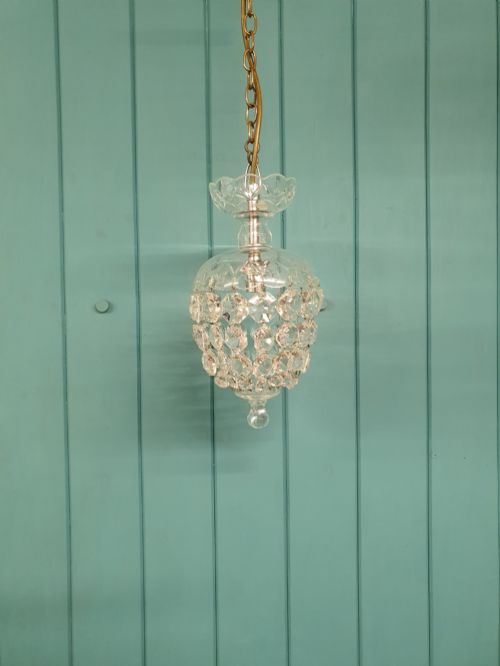
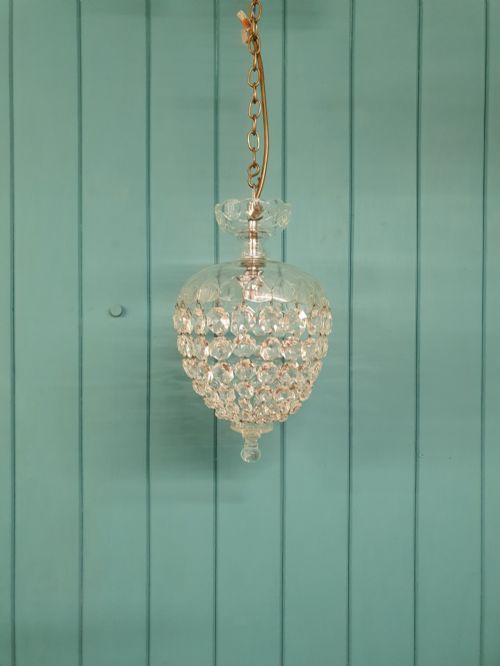
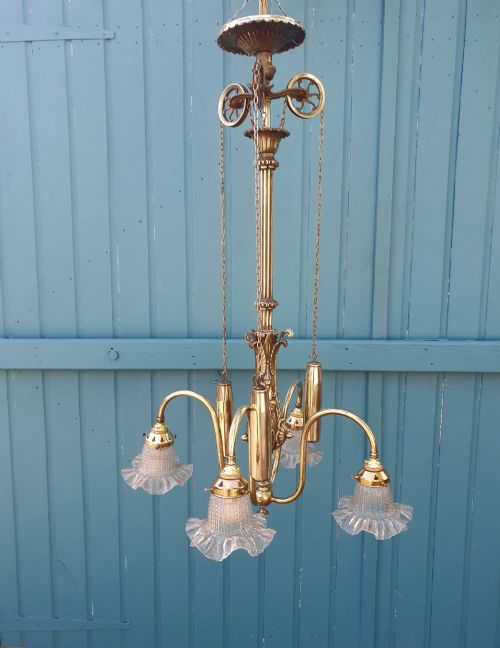
A clear glass shade chandelier brings together structural metalwork and transparent glass elements designed to diffuse and reflect light from a central source. When you examine this selection, you encounter pieces spanning the nineteenth century through the Art Deco era and the 1930s. The forms range from compact domes and single-globe pendants to elaborate tiered waterfalls and multi-arm fixtures.
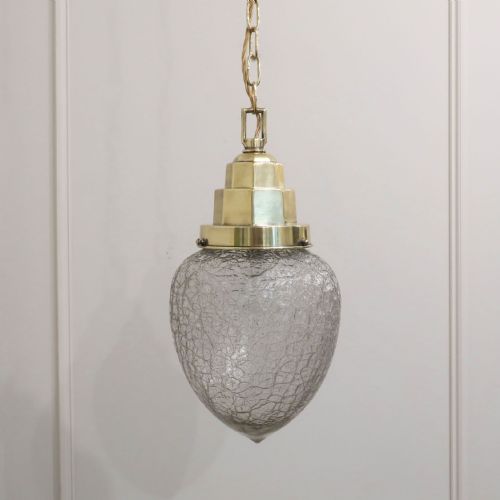
Edwardian and early twentieth-century examples dominate the selection, often featuring brass or gilt bronze structures paired with cut glass, crystal, or crackle glass shades. Buyers seeking a specific silhouette find everything from simple acorn plafonniers to complex bag chandeliers and lanterns. These ceiling lights serve as functional centrepieces that define the vertical space of a room.
How they were made
The construction of these fixtures relies on metal armatures formed from brass, gilt bronze, or silver plating to support the weight of the glass components. Master craftsmen shaped these frames by casting, spinning, or wiring individual metal sections together to create secure tiers, bands, and suspension rings.
The glass components utilise techniques such as cutting, moulding, and crackling to achieve varying textures and refractive qualities. Cut glass and lead crystal elements catch and disperse light through precisely ground facets, whilst moulded glass globes and shades provide a smooth, continuous surface that softens the bulb glare.
Materials documented across the selection include brass, lead crystal, crackle glass, and silver plating.
What varies in quality
The distinction between standard production and top-tier execution lies in the depth of hand-finishing on both the metal frame and the glass components. Superior pieces exhibit crisp, deep faceting on cut glass prisms and heavy gauge brass or gilt bronze mountings that retain their structural integrity under tension.
Makers of finer fixtures integrated delicate details such as wired bead strands, decorative finials, and precise matching of individual prisms or drops. The harmony between the metal armature and the transparency of the glass shade determines the overall visual weight and brilliance of the assembled chandelier.
The Clear Glass Shade Chandelier Glossary
- Plafonnier
- A flush-mounted or close-ceiling light fixture featuring a glass bowl or dome held by a metal mount. This French term describes pieces designed for rooms with lower ceiling heights.
- Bag chandelier
- A lighting fixture characterised by a conical or basket-shaped arrangement of glass beads or drops converging toward a bottom ring. The design creates a glittering silhouette that catches light from multiple angles.
- Prism
- A cut glass pendant suspended from the frame to refract light into spectral colours. These elements hang from upper tiers and arms to add sparkle and movement.
- Crackle glass
- Glass treated during manufacture to produce an internal network of fine fractures while retaining a smooth exterior surface. This technique diffuses light softly and adds tactile texture.
- Waterfall chandelier
- A multi-tiered fixture where cascading strands of glass crystals or beads flow downward in overlapping layers. The formation resembles cascading water when illuminated.
Clear Glass Shade Chandelier: Frequently Asked Questions
How do I hang a glass shade chandelier?
Suspension requires attaching the fixture to a secure ceiling joist using an appropriate metal hook or mounting bracket that can support the combined weight of the metal and glass. Electrical wiring must be connected by a competent person to ensure safety and compliance with current standards.
Adjusting the height depends on the room function, typically allowing sufficient clearance for people to walk underneath while positioning the light source to illuminate the desired focal point of the space.
What rooms suit these chandeliers?
Compact dome and single pendant lights suit hallways, bedrooms, and smaller reception spaces where a low profile is necessary. Multi-tier and multi-arm configurations provide ample illumination and visual presence for dining rooms, stairwells, and principal living areas.
The transparent nature of the glass allows these fixtures to integrate into both traditional period settings and more contemporary interiors without overwhelming the surrounding decor.
How do I clean a crystal chandelier?
Cleaning involves dismantling removable glass drops and shades when necessary, then washing them in lukewarm water with a mild detergent. Metal frames require dusting with a soft, dry cloth to preserve patination without abrasive cleaners.
Allowing all components to dry completely before reassembly prevents moisture from entering old lamp holders or tarnishing delicate metal surfaces.
How do I date a glass chandelier?
Dating relies on examining the manufacturing techniques of the glass, such as hand-cut facets versus machine pressing, alongside the metal composition and wiring methods. Edwardian and 1930s pieces often exhibit distinct mounting styles and shade profiles characteristic of their respective decades.
Comparing the decorative motifs, such as neoclassical brass mounts or Art Deco geometric crackle glass, helps place the fixture within the late nineteenth or early twentieth-century timeline.