

Antique Lighting Ceiling Pendants
These antique lighting ceiling pendants range from French chandeliers to Arts and Crafts lanterns, bringing period character and illumination to high spaces.
Antique Lighting Ceiling Pendants
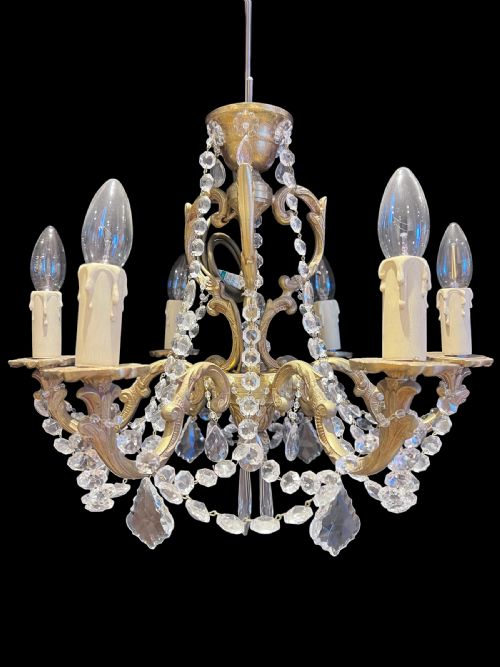
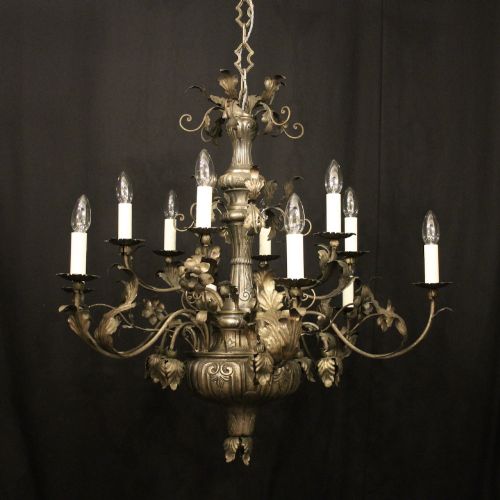
When buyers search for antique lighting ceiling pendants, they encounter an array of hanging fixtures originating from the nineteenth and early twentieth centuries. These pieces span distinct design movements, including French Chateau, Art Deco, Arts and Crafts, and Victorian styles.
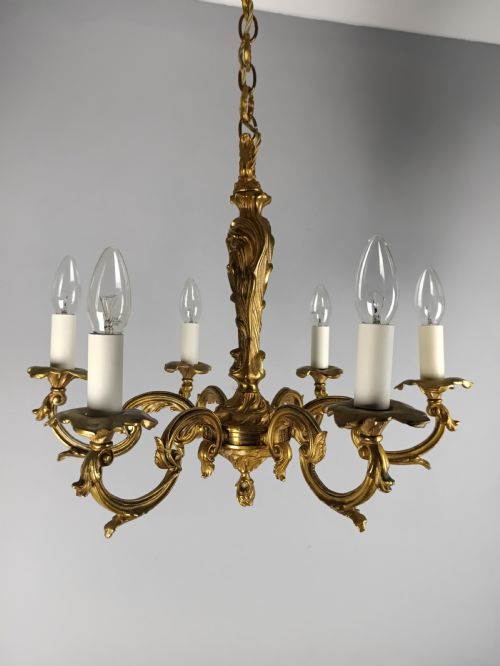
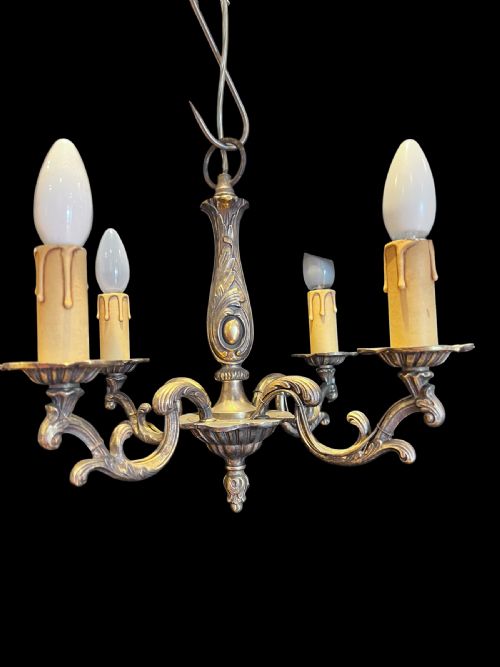
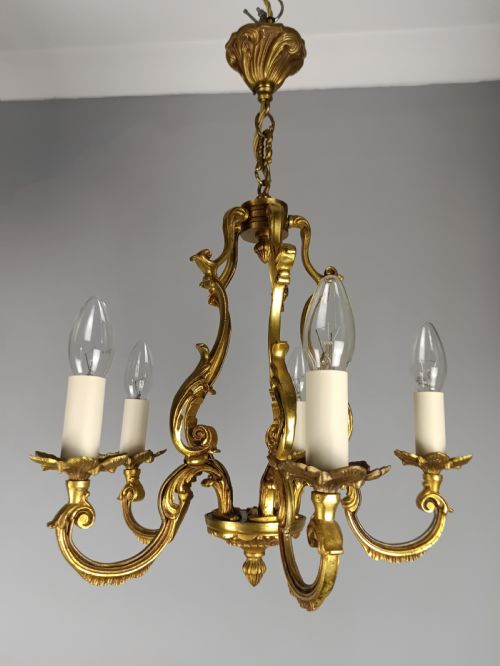
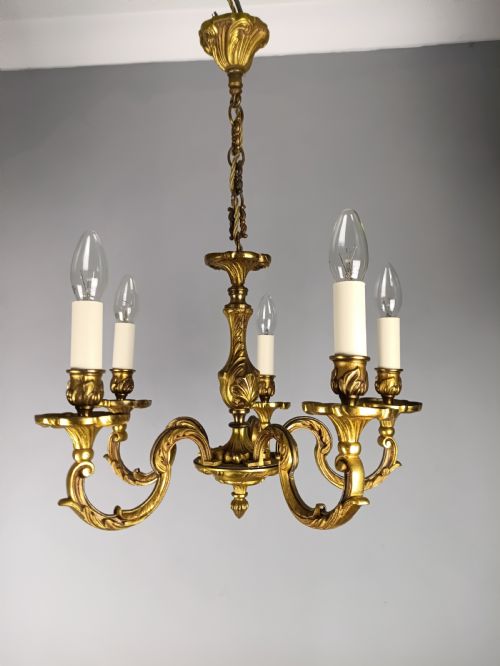
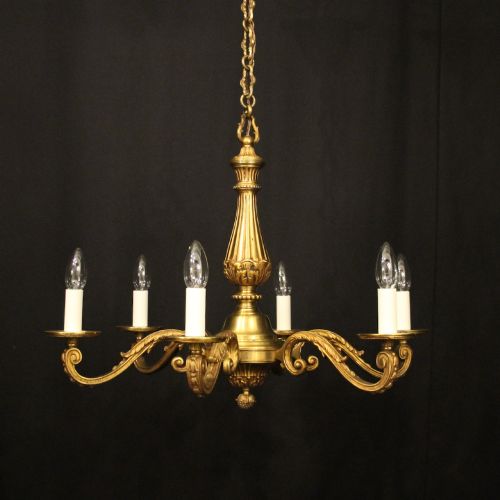
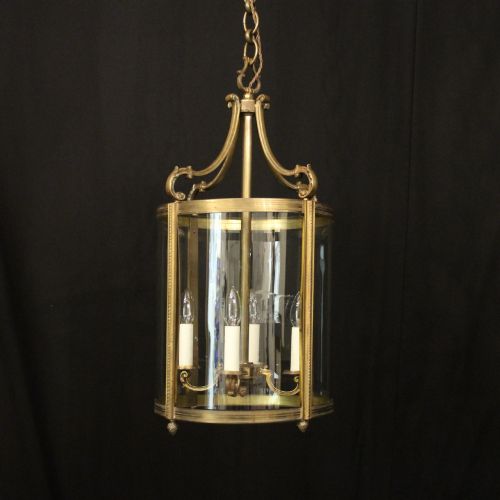
The selection on this page relies heavily on French chandeliers and brass or bronze lanterns from the Edwardian era and the 1920s or 1930s. Forms range from multi-arm candle and bulb configurations to single-light hall lanterns and specialised billiard lights.
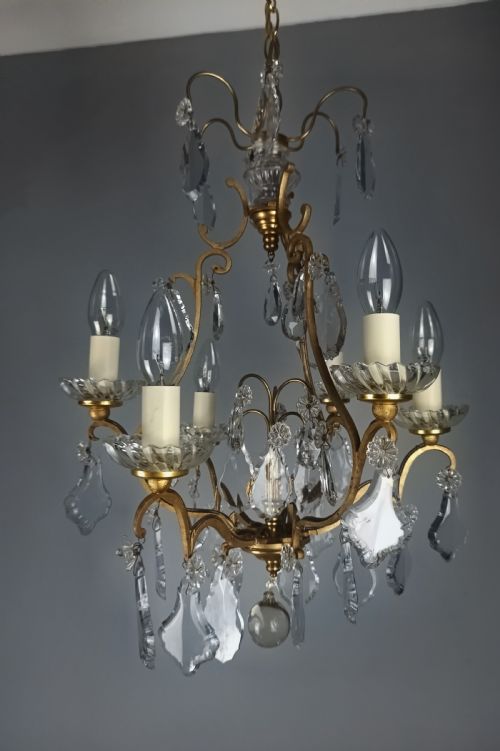
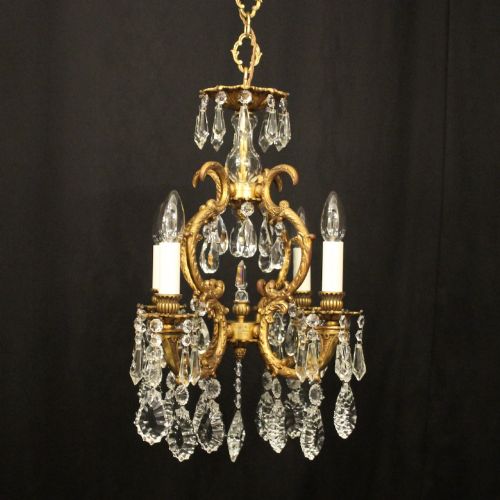
Regional origins define many of the listed items, with French gilt bronze and Italian crystal pieces appearing frequently alongside English brass and copper fixtures. Buyers will find both grand multi-tier statement fixtures and modest single-light pendants suited to various domestic scales.
Materials and construction methods
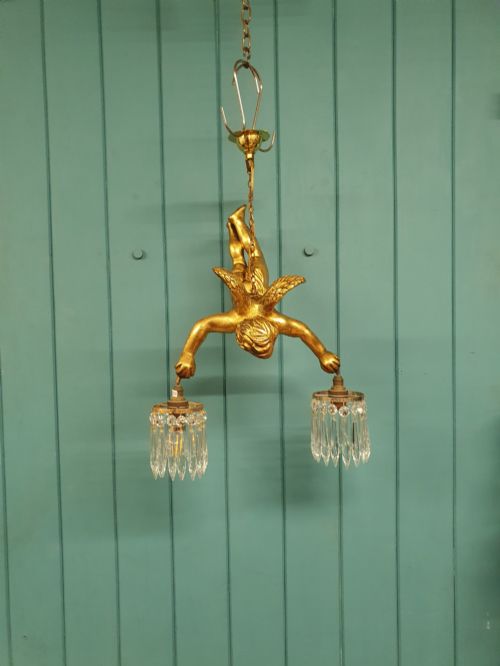
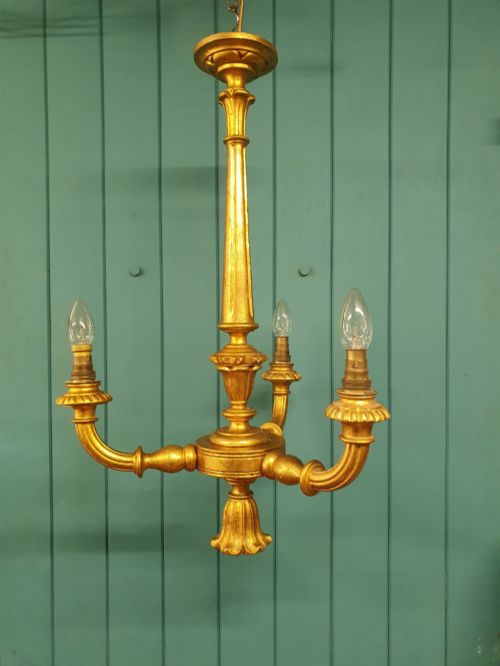
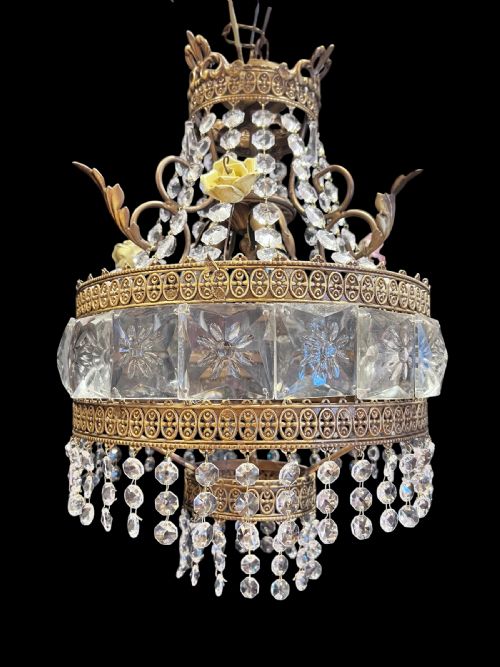
Makers utilised cast and chased bronze, brass, and gilt metals to form the primary skeletal structures of these pendants. Frameworks often incorporate decorative elements such as carved giltwood, porcelain flowers, and specialised metal finishes.
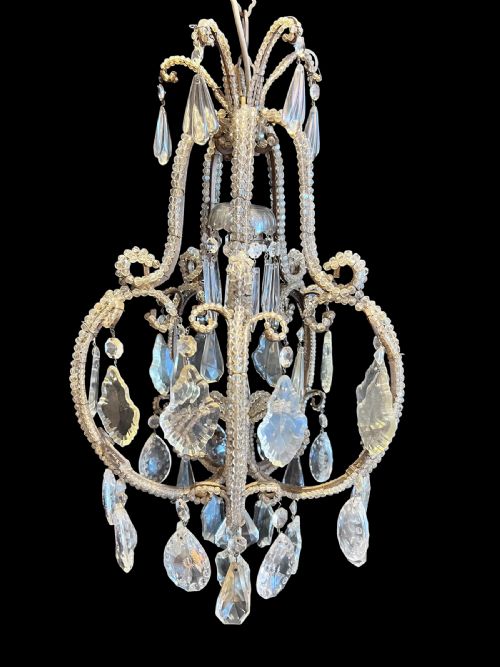
Glass components form a crucial element of the construction, utilising cut glass, lead glass, bevelled glass, and opalescent shades. Crystal lustres, beads, and waterfall drops are suspended from metal frames to refract light across the room.
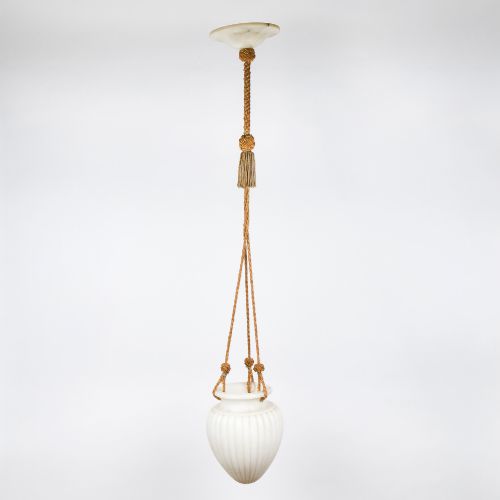
Lantern designs integrate glazed panels into hexagonal or convex brass and bronze frameworks, whilst specialised fixtures employ slip shades or gasolier fittings characteristic of their specific period of production.
A twelve-point star lantern lets you cast celestial shadows across your hallway every single evening.
Distinctions in manufacture and design
Quality in these hanging fixtures rests upon the crispness of metal casting and the precision of hand-chased detail on bronze and brass frames. Superior examples display deeply articulated ornamentation rather than flat or softly cast surface decoration.
The integrity and clarity of the glass elements significantly influence the standing of a piece, particularly in cut crystal lustres and bevelled lantern panels. Finer pendants integrate hand-cut crystal and high-purity glass that retain sharp facets and brilliant light refraction.
Structural complexity and the cohesion of stylistic motifs distinguish ambitious pieces from standard production. Elaborate assemblies such as tent and waterfall configurations or multi-tiered crystal arrangements demonstrate advanced artisan capabilities.
Émile-Jacques Ruhlmann·Voysey
The Antique Lighting Ceiling Pendants Glossary
- Chandelier
- A branched ceiling-mounted lighting fixture designed to hold multiple lamps or candles. These pieces often feature tiered arms and suspended crystal elements.
- Hall lantern
- An enclosed hanging light fixture typically positioned in entranceways or corridors. They employ glazed panels fitted within a metal framework.
- Crystal lustre
- A cut glass pendant drop hung from a chandelier to reflect and multiply light. Lustres vary in shape from spear points to prismatic beads.
- Slip shade
- A moulded piece of glass that slides into a metal frame to form the bowl of a light fixture. This technique gained prominence during the Art Deco period.
- Gilt bronze
- Metal cast in bronze and subsequently coated with a layer of gold leaf or applied gold amalgam. This finish provides a warm, reflective surface resistant to tarnishing.
Antique Lighting Ceiling Pendants: Frequently Asked Questions
How do I choose the right size pendant?
Selecting the correct proportion involves assessing the ceiling height and floor area of the room where the fixture will hang. Multi-arm chandeliers require adequate clearance below, whilst smaller lanterns suit compact hallways.
Heavier fixtures with numerous glass drops demand robust ceiling support to bear the combined weight of metal and crystal components safely.
Can these antique pendants take modern bulbs?
Many surviving fixtures have been professionally rewired and adapted to accommodate contemporary electrical standards and standard lamp fittings. It remains essential to check the internal wiring capacity of older brass and bronze frames.
Consulting a qualified electrician ensures that delicate elements like opalescent shades or antique sockets are integrated safely with modern power sources.
How do I clean crystal and glass components?
Maintaining glass and crystal elements involves gentle cleaning using mild soapy water and soft cloths while the pieces remain detached or stabilized. Harsh chemical cleaners can damage aged gilt bronze and brass surfaces adjacent to the glass.
Regular dusting prevents grime accumulation on intricate crystal drops and bevelled lantern panels, preserving their reflective qualities.
What defines an Arts and Crafts lantern?
Arts and Crafts lighting fixtures emphasise honest construction, visible hand-working, and simple geometric forms derived from vernacular or medieval traditions. Materials like unpolished brass and copper are left with natural patinas.
Designers of this movement rejected excessive industrial ornament in favour of straightforward utility and structural clarity.