



Brass Four Light Fixture
A brass four light fixture brings dependable warmth and reliable illumination to a room, spanning Edwardian and French designs.
Brass Four Light Fixture
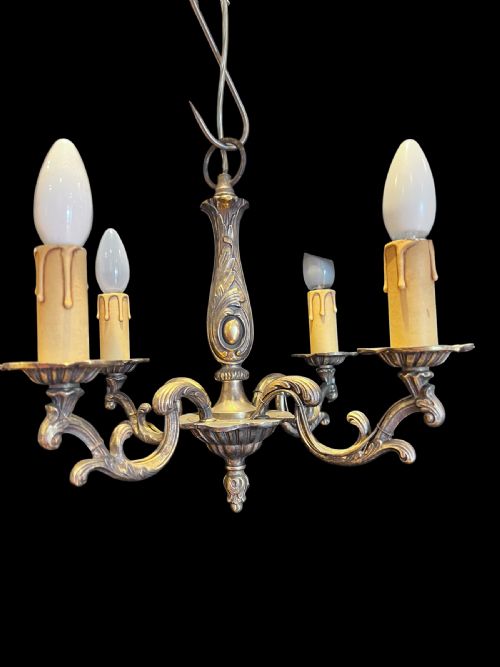
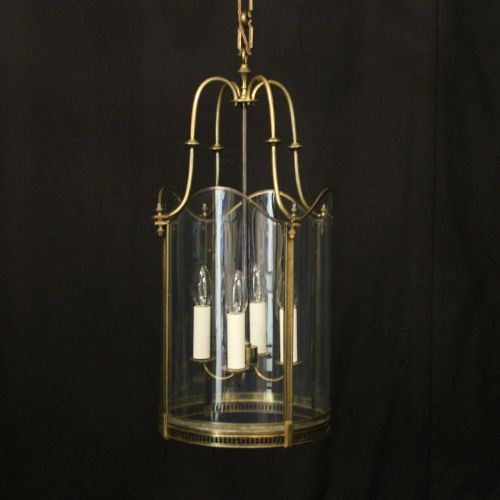
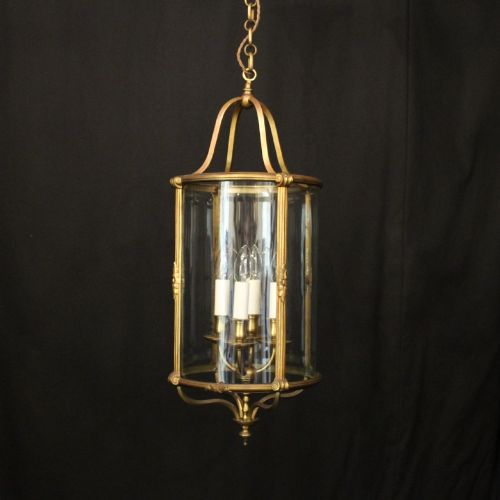
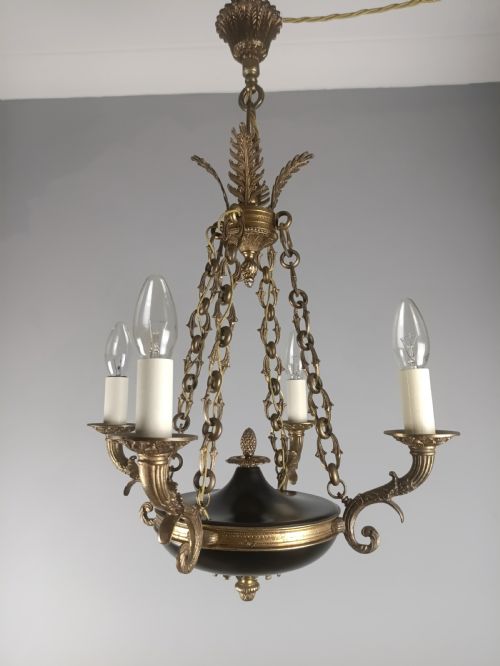
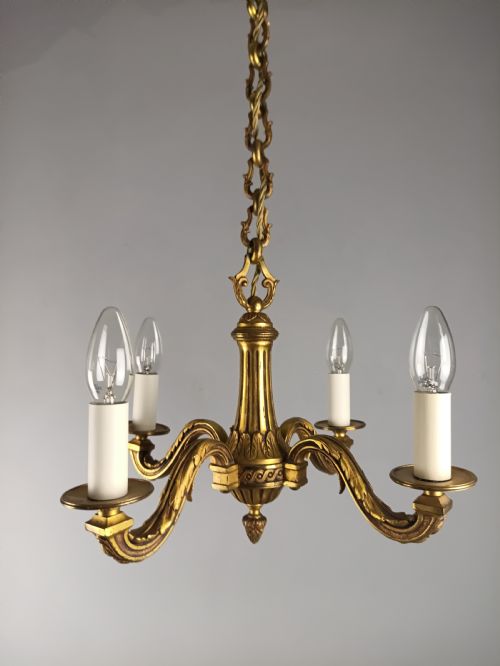
A brass four light fixture encompasses ceiling lights, chandeliers, wall sconces, and hanging lanterns designed to hold four bulbs or candles.
Most examples found here hail from French workshops and the Edwardian era, showing styles from Neoclassical to Rococo Revival.
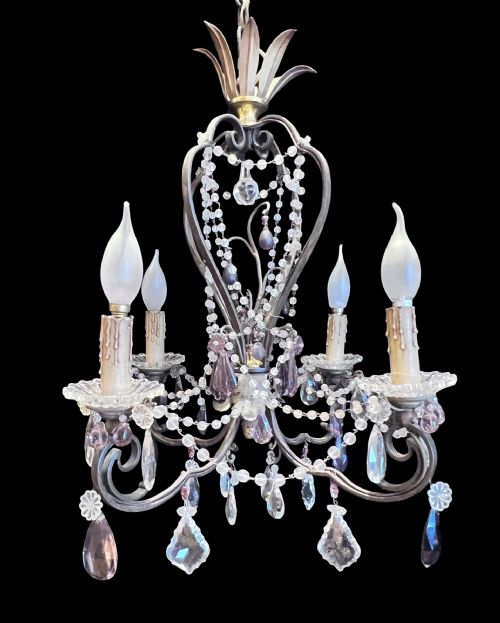
Buyers will encounter pendant chandeliers alongside hall lanterns and wall fittings, primarily formed from brass, gilt bronze, and crystal.
How they were made
Metalworkers utilised cast and spun brass, gilt bronze, and steel to form the structural frames and backplates of these fixtures.
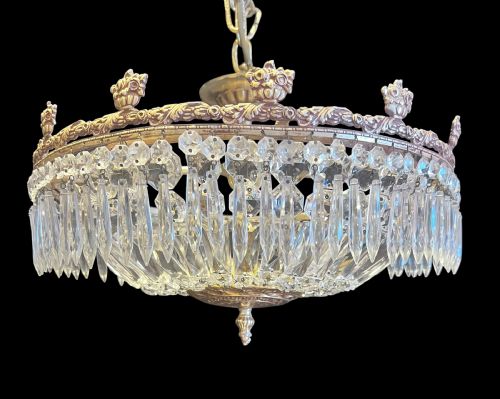
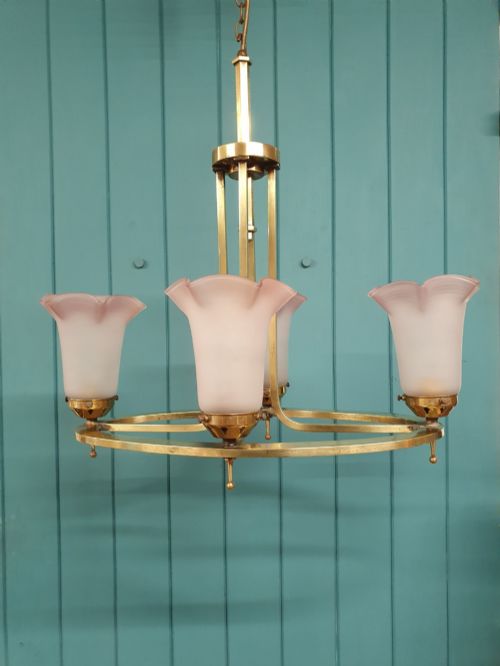
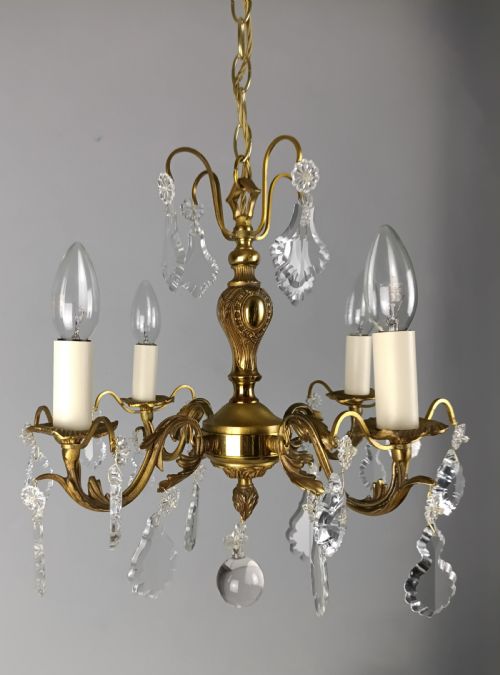
Glass panels, crystal drops, and amethyst elements were integrated by hand to catch and refract the light from the four arms.
Gilding and bronzing finishes were applied to the metal surfaces to provide a decorative sheen that endured decades of use.
Listings feature brass, gilt bronze, steel, and crystal materials across Edwardian and nineteenth-century periods.
What varies in quality
The crispness of the cast metal ornamentation, particularly on gilt bronze and ormolu mounts, dictates the visual standard of the piece.
The integrity of the crystal drops, hand-formed glass panels, and original gilding separates standard production from finer examples.
Substantial weight in the frame and solid construction of the arms distinguish superior lighting fittings from lighter alternatives.
G.E.C
The Brass Four Light Fixture Glossary
- Ormolu
- Finely ground high-carat gold applied to a bronze or brass base. This technique produces a rich metallic lustre seen on French decorative pieces.
- Plafoniere
- A ceiling-mounted light fixture that sits flush or close to the ceiling surface. These often feature glass and brass elements.
- Rise and fall
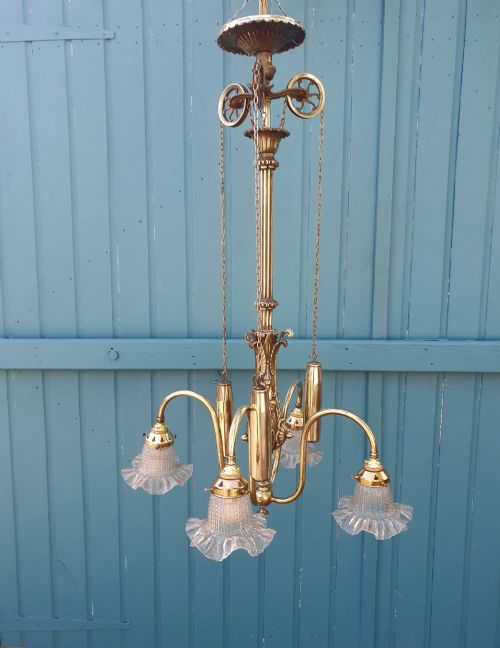
- A mechanical counterweight system allowing the height of the light fixture to be adjusted. It provides functional versatility in period rooms.
- Convex
- A curved outward surface, frequently describing the glass panels on hanging hall lanterns. This shape distributes light widely across an entryway.
- Gilt
- Covered with a thin layer of gold leaf or gold paint. It enhances the reflective qualities of brass and bronze fixtures.
Brass Four Light Fixture: Frequently Asked Questions
Where should I hang a brass four light fixture?
These fixtures suit hallways, dining spaces, and principal rooms where moderate illumination is required. Their four-arm arrangement spreads light evenly across medium-sized spaces.
Ceiling-mounted versions and chandeliers work well in rooms with standard ceiling heights, while wall lights and lanterns suit corridors and entrances.
How do I date a brass four light fixture?
Dating relies on stylistic markers such as Edwardian proportions or French Neoclassical and Rococo Revival motifs. Materials like gilt bronze, steel, and crystal also point to specific manufacturing decades.
Examining the construction methods of the arms and backplates helps confirm whether a piece originates from the nineteenth century or the interwar period.
Are these fixtures suitable for modern wiring?
Period lighting of this type is generally adapted by electricians for modern electrical standards during installation. The original brass and crystal components remain intact while internal fittings are updated.
Consulting a professional ensures the fixture safely accommodates contemporary bulb types and household circuits.
What is the difference between a lantern and a chandelier?
Chandeliers feature exposed arms radiating from a central stem to hold multiple light sources. They are designed for open interior spaces.
Lanterns enclose the light source within glass panels or a metal frame, offering a contained silhouette traditionally used in halls and vestibules.