


Clear Glass Oil Lamp
These clear glass oil lamp examples bring period illumination into modern spaces with tactile weight and honest craft.
Identifying clear glass oil lamps
A clear glass oil lamp is a functional domestic lighting piece designed to burn fluid through a wick, appearing across the Georgian, Victorian, and Art Nouveau eras. These items serve as both decorative table lighting and historical lighting vessels.
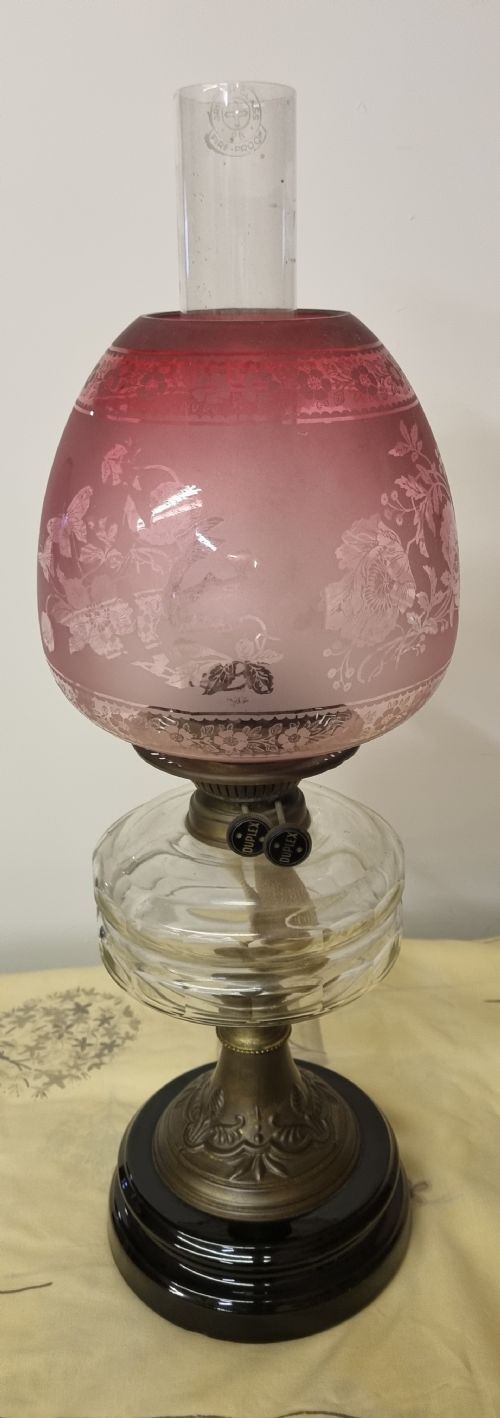
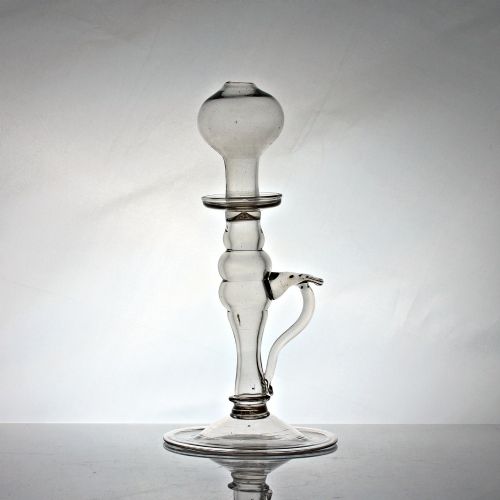
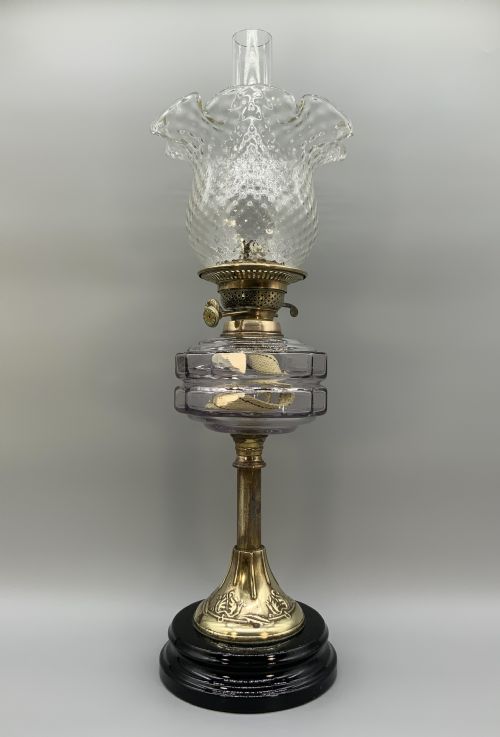
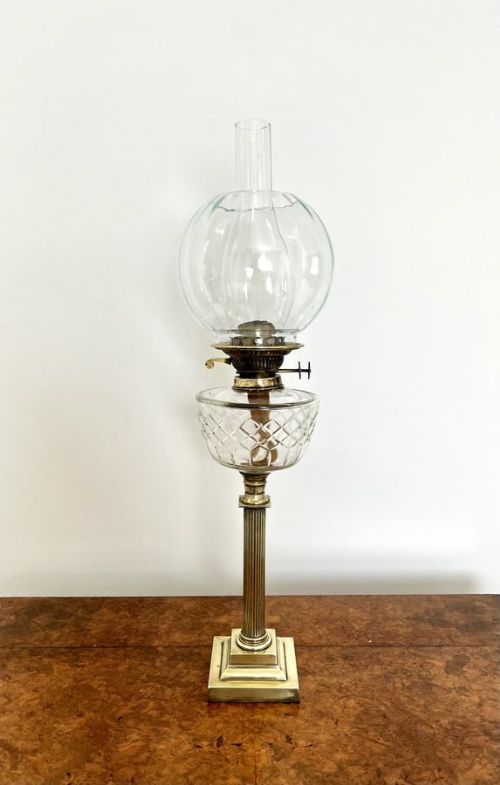
The versions most commonly met on this page span the eighteenth and nineteenth centuries, featuring configurations of clear glass paired with brass, ceramic, and fabric elements. Pieces range from small forms with incised twists to tall table lamps with applied handles.
Construction and materials
Construction relies on combinations of lead glass, clear glass, and brass, occasionally incorporating ceramic bodies and hand-blown shades. Metals provide stable weighted bases while glass forms the principal fluid reservoir.
Techniques visible in the evidence include hand-blowing for shades and incising decorative twists into glass stems. Applied handles and fitted brass mounts demonstrate period metalworking and assembly methods.
Retail Price Guide 2026
Typical UK retail prices for clear glass oil lamp, calculated from the Sellingantiques database of over a million retail prices indexed since 2003. This retail price guide relies exclusively on Sellingantiques data; no external sources or auction records are used, so the figures do not describe the wider market.
Some seventeenth-century householders navigated the dark with lamps so heavy they doubled as impromptu table clubs.
Judging quality
Quality rests in the harmony of materials, such as the crispness of an incised twist in eighteenth-century glass or the integration of brass and ceramic components in later Victorian and Art Nouveau examples. Superior pieces display deliberate proportion between the glass reservoir and the supporting base.
The refinement of hand-blown glass elements and the structural weight of the brass fittings distinguish finer examples from standard utility lighting. Articulation in applied handles and clean junction points indicate careful execution by period makers.
The Clear Glass Oil Lamp Glossary
- Lead glass
- A heavy, brilliant variety of glass containing lead oxide, used historically for fine tableware and lighting vessels. It offers superior clarity and a resonant ring when struck.
- Incised twist
- A decorative optical effect cut into the stem of glassware, creating internal spirals that refract light. This technique requires steady skill from the glass cutter.
- Applied handle
- A separate piece of molten glass attached by hand to the main body of a vessel while hot. It provides a secure grip on portable lighting.
- Hand-blown shade
- A translucent glass cover shaped freehand using a blowpipe rather than a mechanical mould. Each piece bears subtle individual variations in thickness and contour.
Frequently Asked Questions
How do I date a glass oil lamp?
Dating relies on observing material combinations, stylistic markers like an Art Nouveau profile or a Georgian twist stem, and construction methods. Examining the type of glass and metal mounts provides clues to the manufacturing decade.
Period characteristics align with documented nineteenth and eighteenth-century designs. Comparing the proportions and secondary materials helps narrow the timeline.
Were these lamps used for daily lighting?
Domestic lighting before widespread electricity depended on oil lamps burning fluid through wicks in every room of the house. These vessels provided portable illumination for evening tasks.
Table lamps sat in parlours and dining rooms while smaller forms moved easily between spaces. Their everyday utility shaped their durable construction.
Can I still burn oil in these lamps?
While these pieces were originally built to burn fuel, many collectors now preserve them as decorative objects rather than active light sources. Modern safety standards for vintage fuel reservoirs require careful professional inspection.
Fittings and burners often show wear from period use. Evaluating the internal condition determines whether a lamp remains suitable for functional burning.
What materials make up these lamps?
Surviving examples combine clear glass and lead glass with structural elements of brass, ceramic, and occasionally fabric shades. Metal bases provide necessary weight to balance the upper glass reservoir.
Different eras favoured specific combinations, such as brass and ceramic pairing in later nineteenth-century pieces. Glass clarity and metal patina vary across these materials.