





Clear Glass Liqueur Decanter
These clear glass liqueur decanter pieces are sparkling vessels designed to hold spirits, offering elegance and refinement for any table.

Clear Glass Liqueur Decanter
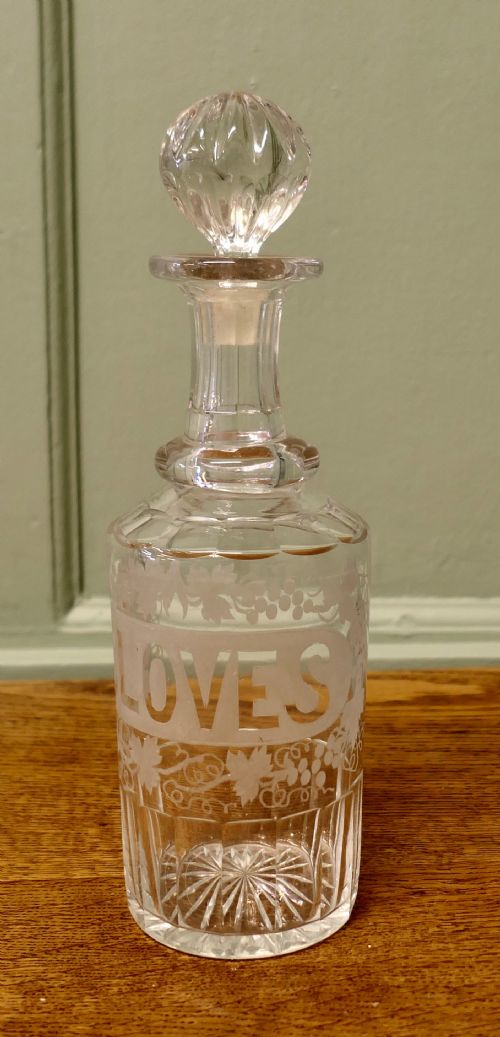
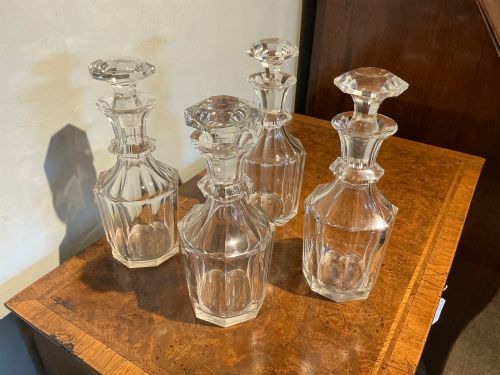
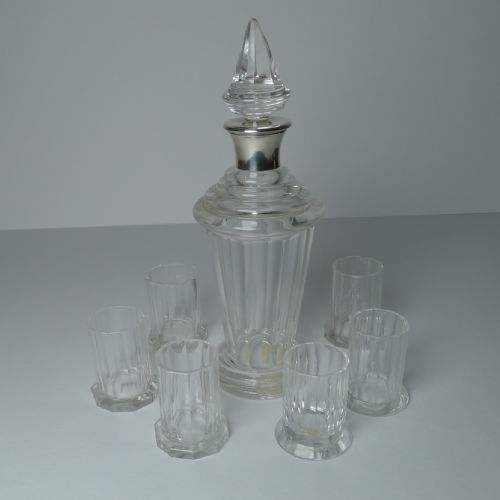
A clear glass liqueur decanter is a vessel designed specifically for holding and serving spirits, appearing across periods from the nineteenth century to the art deco era of nineteen thirty. Buyers hunting for a clear glass liqueur decanter frequently encounter complete drink sets comprising matching glasses and trays alongside single bottles.
The selections on this page span diverse forms including miniature champagne bottles, ewers, and tantalus sets housed in lindenwood cases known as caves de liqueur. Victorian examples often feature etched crystal and silver mountings, whereas nineteen thirty items lean towards geometric forms and enamel decoration.
Originating from periods such as the Victorian age, eighteen eighty, and nineteen thirty, these items reflect the changing domestic habits of entertaining. Whether searching for a simple nineteenth century bottle or a val saint lambert liquor service, collectors find functional vessels that double as decorative centrepieces.
How they were made
Makers utilised clear glass, lead crystal, and black glass as the primary foundations for these vessels, shaping them through blowing and moulding techniques. Artisans then applied surface decoration such as wheel-cutting, acid-etching, and colourful enamel work to enhance the visual appeal of the crystal.
Mountings and hardware incorporate silver plate and solid silver, fitted securely to necks and stoppers on pieces like miniature liquor bottles and decanter sets. Enclosed wooden frames such as the black forest lindenwood cases required cabinet-making skills to house fragile glass decanters and matching glasses safely.
Clear Glass Liqueur Decanter Retail Price Guide 2026
Typical asking prices for clear glass liqueur decanter among the pieces listed under this phrase on Sellingantiques today, from the lower quarter to the upper quarter. They describe what is for sale here now, not the wider market.
Materials recorded across the inventory include glass, cut glass, lead crystal, enamel, black glass, silver plate, and lindenwood.
What varies in quality
Quality in a clear glass liqueur decanter rests on the clarity of the material and the crispness of any cut or etched decoration. Heavy lead crystal exhibits a sharp resonance and brilliant refraction compared to standard pressed glass, while finely detailed enamel work shows steady hand control.
The integrity of matching sets elevates a piece, particularly when all original glasses and the silver plated tray remain intact. Maker attribution, visible in recognised workshop output or marked silver mounts, separates standard domestic vessels from superior production.
Val Saint Lambert·Karl Palda·Moser Glass
The Clear Glass Liqueur Decanter Glossary
- Decanter
- A vessel used for holding and serving alcoholic beverages. They usually include a fitted stopper to preserve the contents.
- Lead Crystal
- A type of glass containing lead oxide, which increases weight, clarity, and brilliance. It is commonly utilised for fine nineteenth century and art deco glassware.
- Tantalus
- A locking wooden cabinet holding decanters visible behind bars. This device kept expensive spirits secure from unauthorised consumption.
- Ewer
- A large jug with a wide spout used for holding liquids. Victorian examples occasionally served fancy wine or liqueur functions.
- Cave de liqueur
- A fitted box or case designed to hold liqueur decanters and small glasses. These were frequently carved from lindenwood in the black forest style.
Clear Glass Liqueur Decanter: Frequently Asked Questions
What is a cave de liqueur?
A cave de liqueur is a portable wooden case, often carved from lindenwood in the black forest style, housing a set of decanters and small glasses.
These lockable boxes were designed to sit in a parlour or dining room, keeping fine spirits ready for guests while securing them when not in use.
How do I date a decanter set?
Dating relies on stylistic clues, material choices, and any accompanying silver mounts or trays. Victorian pieces tend towards heavy etching and cut crystal, while nineteen thirty items show geometric art deco lines and enamel work.
Maker signatures or hallmarks on silver tops and trays provide precise manufacturing dates down to the specific year.
Are all decanter stoppers original?
Stoppers were individually ground to fit the neck of each specific decanter during manufacture. Finding a set where the stopper matches the internal grind and wear pattern confirms its authenticity.
Replacement stoppers occur frequently due to accidental breakage over decades of use.
How should I clean antique glass?
Cleaning requires warm water and mild soap, avoiding harsh scrubbing brushes that might scratch delicate crystal or wear away enamel details. Wooden cases and silver plated trays need separate care appropriate for metal and wood.
Stoppers should be removed during storage to prevent them sticking fast inside the decanter neck.