





Clear Glass Inkwell
These clear glass inkwell pieces combine heavy substance with bright refraction, offering a functional desk accessory that collectors prize for period weight and mounted metalwork.
Clear Glass Inkwell
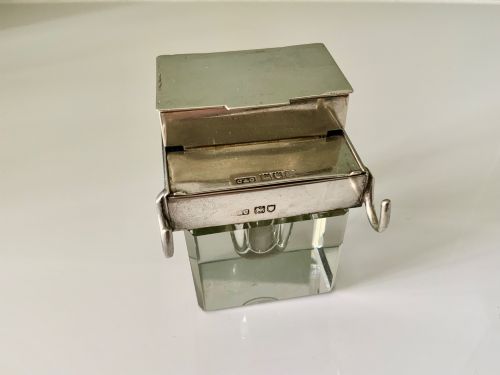
When you search for a clear glass inkwell, you encounter desk accessories spanning the Victorian and Edwardian eras, alongside pieces dated specifically to the 1880s, 1890s, and 1900. These items range from simple glass ink pots to complex pen stands and large desktop pieces.
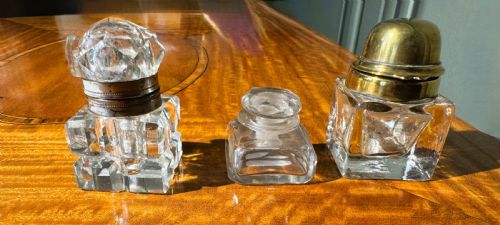
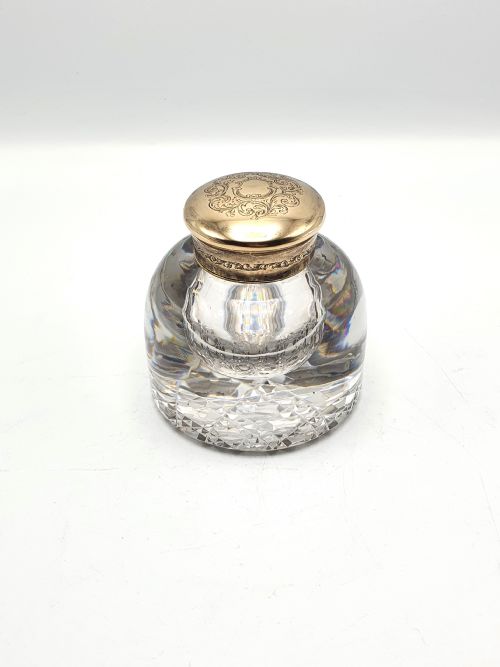
You are most likely to meet Victorian and Edwardian examples on this page, often featuring mounted metal elements such as sterling silver, brass, vermeil, and solid silver lids. Some listings arrive as single items, while others appear as a trio or a pair.
The materials recorded in the evidence demonstrate that glass and cut glass form the primary body, frequently enhanced by mahogany wooden bases, brass fittings, and hallmarked silver mounts from makers such as Tiffany and Co and Asprey.
How they were made
The manufacture of these desk pieces relies on heavy cut glass and crystal bodies formed into facets or smooth contours designed to withstand the weight of metal lids and daily use. Artisans shaped the vessels by hand, applying thick walls that gave each pot substantial heft.
Metal components including sterling silver, brass, and vermeil were then fitted to the glass bodies, often featuring hinged lids and hallmarks that record the year of assay. Some examples incorporate wooden elements like mahogany to anchor the glass reservoirs securely within a desk stand.
Clear Glass Inkwell Retail Price Guide 2026
Typical asking prices for clear glass inkwell among the pieces listed under this phrase on Sellingantiques today, from the lower quarter to the upper quarter. They describe what is for sale here now, not the wider market.
Materials appearing across the current inventory include cut glass, crystal, sterling silver, solid silver, brass, vermeil, metal, and mahogany.
What varies in quality
Quality across these desk accessories rests upon the crispness of the facet cutting in the glass and the substantial weight of the metal mounts. Pieces incorporating hallmarked silver lids or maker signatures demonstrate a higher tier of production compared to unmounted glass pots.
The integration of secondary materials such as mahogany bases and the presence of matched pairs or trios elevate the standing of an item within the range. Superior execution shows in the precise fit of the metal collars and lids to the glass rims.
Tiffany and Co·Asprey
The Clear Glass Inkwell Glossary
- Cut glass
- Glass shaped by abrasive wheels to create facets and decorative patterns that catch the light. This technique provides the heavy, sparkling body seen in nineteenth-century desk accessories.
- Sterling silver
- An alloy containing substantial silver content used for the hinged lids and mounts on desk pieces. It frequently bears hallmarks indicating the assay office and year.
- Vermeil
- Gold plated over sterling silver, adding a warm metallic tone to the mounted lids of glass ink pots. This finish appears alongside standard silver and brass components.
- Hallmark
- An official stamp applied to precious metal mounts to guarantee purity and date of manufacture. These marks help verify the period of Edwardian and Victorian desk pieces.
Clear Glass Inkwell: Frequently Asked Questions
How are these inkwells dated?
Dating relies heavily on silver hallmarks stamped onto the metal lids and mounts, which record the specific year of assay. Stylistic cues from the Victorian and Edwardian periods also help place the manufacture within the nineteenth or early twentieth century.
Makers' marks provide further confirmation of age, connecting pieces directly to established firms recorded in the evidence.
What metals are mounted on the glass?
The listings show mounting in sterling silver, solid silver, brass, and vermeil. These metals form the hinged lids, collars, and decorative rims attached to the glass reservoirs.
Some desk sets also incorporate mahogany woodwork alongside the metal and glass components.
Are these items found as pairs?
Yes, the evidence records large pairs of silver-mounted inkwells alongside individual pieces and a trio of glass inkwells. Multi-piece sets typically share identical glass-cutting patterns and metal mounts.
Single items range from simple desk pots to elaborate stands that include pen rests.
What is facet cutting on glass?
Facet cutting involves grinding flat planes into the exterior of the glass body to create sharp geometric patterns. This technique maximises light refraction across the thick walls of the inkwell.
It is a defining feature of the cut crystal and glass pieces produced during the Victorian era.