




Edwardian Crystal Inkwell
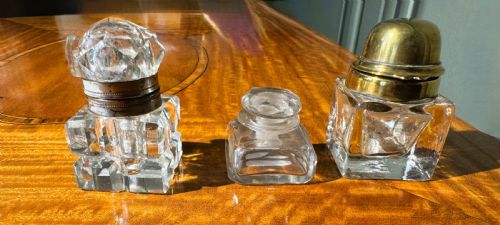
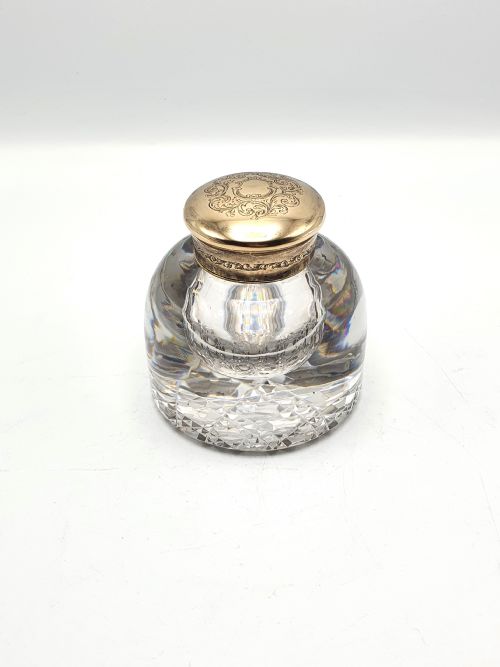
These edwardian crystal inkwell pieces bring desk accessories into focus with cut glass and precious mounts that anchor a traditional study.
Edwardian Crystal Inkwell
The dominant forms span standalone pots, lidded glass cylinders, and combined desk stands with pen rests. Pieces range from modest glass reservoirs to larger mounted containers dating from the late nineteenth century through to nineteen hundred.
How they were made
Silver mounts received hallmarks to verify metal purity and date the construction precisely, whilst glass bodies utilised thick walls to withstand daily pen dipping and relocation.
Edwardian Crystal Inkwell Retail Price Guide 2026
Typical asking prices for edwardian crystal inkwell among the pieces listed under this phrase on Sellingantiques today, from the lower quarter to the upper quarter. They describe what is for sale here now, not the wider market.
Some lidded pots served alternative desk duties, doubling as glue pots for sealing correspondence before envelopes became universal.
What varies in quality
Quality rests upon the depth of the glass cutting and the weight of the metal lid. Crisp facets and thick crystal bodies signal superior production compared to lighter, plain glass vessels.
The gauge of the silver mount and the precision of the hinge mechanism further distinguish standard items from finer examples. Maker marks and crisp hallmarks also contribute to the standing of a piece.
Tiffany and Co·Asprey
The Edwardian Crystal Inkwell Glossary
- Crystal
- A high-clarity glass containing lead oxide, chosen for its heavy weight and refractive brilliance.
- Hallmark
- An official stamp struck into precious metals to indicate standard of purity, maker, and assay office year.
- Guilloche Enamel
- A decorative technique where intricate geometric patterns are engraved beneath a translucent coloured enamel coating.
- Inkstand
- A complete desk tray holding one or more inkwells alongside pen rests and sometimes a matching bell or taperstick.
Edwardian Crystal Inkwell: Frequently Asked Questions
How do I clean an old inkwell?
Warm soapy water and a soft brush clear dried ink residue from glass reservoirs without harming metal collars. Take care to keep moisture away from hinges and paper liners.
Dry the components thoroughly before reassembly to prevent tarnishing on silver or brass surfaces.
Are these inkwells safe for daily use?
Many of these pieces remain robust enough for holding ink or small desk items on a modern writing table. Examine the glass for internal stress fractures before filling.
Keep in mind that antique crystal can be sensitive to rapid temperature changes when washing.
How do I date a silver mounted inkwell?
Silver hallmarks provide the most reliable guide, pointing to specific assay years and maker marks stamped on the lid or collar. Stylistic cues such as heavy facet cutting also align pieces with Victorian or Edwardian periods.
Compare the mount style against known production dates for makers like those recorded in period registers.
What is the difference between glass and crystal?
Crystal contains lead oxide, which increases the weight, density, and light-scattering properties of the material compared to standard glass. This heavier composition allowed artisans to cut deeper facets.
Most high-end desk pieces utilised this heavier medium to prevent tipping during use.