


Clear Glass Dish
These practical yet decorative items range from Georgian sweetmeat stands to Art Deco opalescent pieces, offering a glimpse into centuries of domestic glass production.
Clear Glass Dish
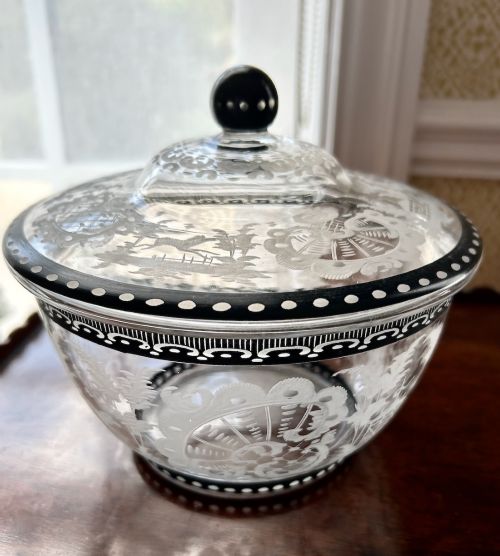
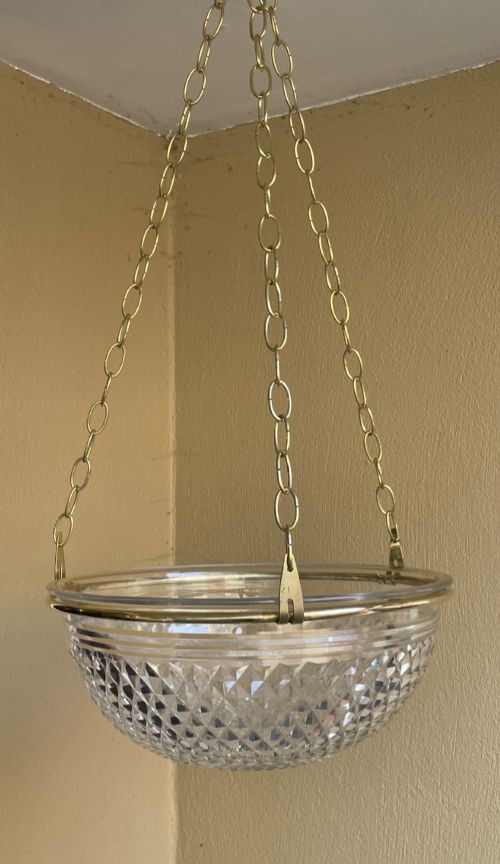
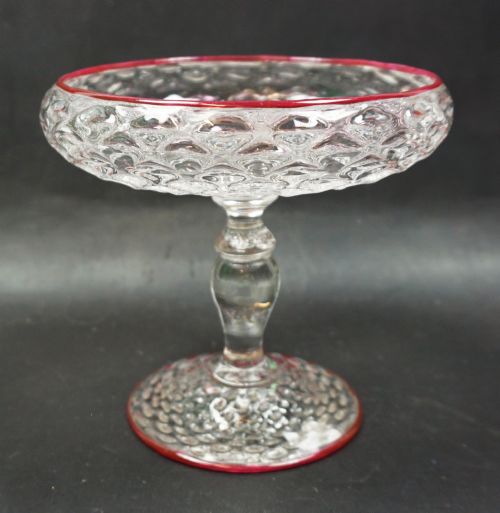
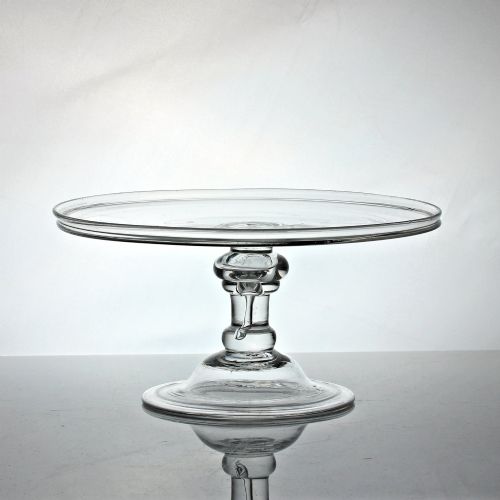
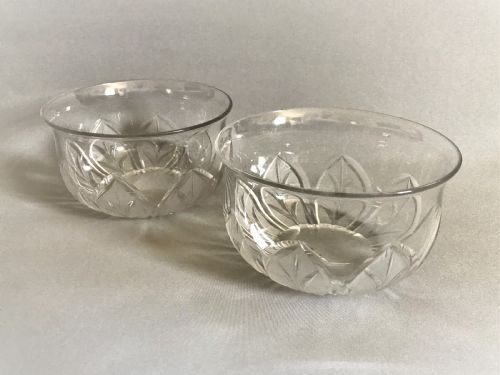
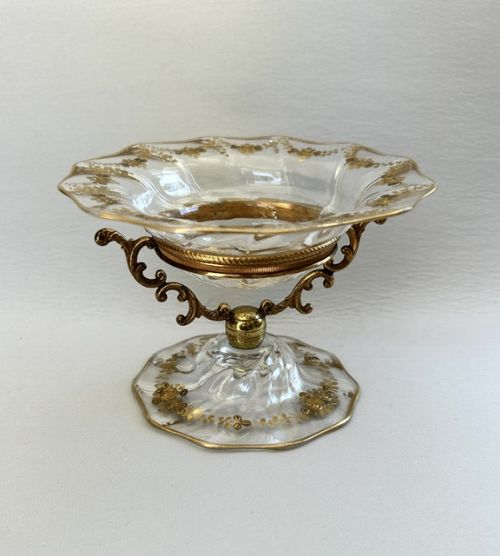
A clear glass dish covers a broad functional spectrum, spanning simple serving vessels, lidded butter dishes, finger bowls, and decorative tazzas. The selection reflects domestic habits from the eighteenth century through to the twentieth century, bringing together dining table accessories and dressing table trinket boxes.
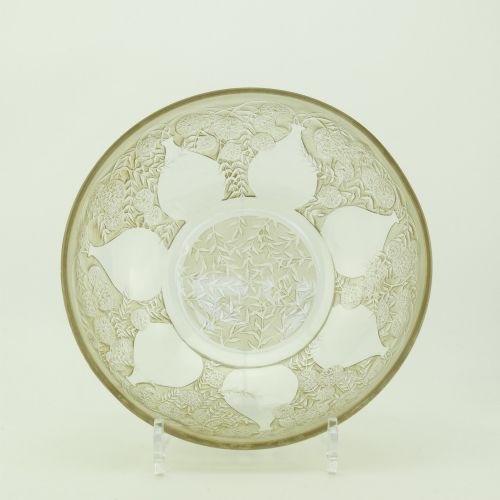
The objects appearing in this category originate from British, French, American, and Bohemian workshops. Buyers encounter everything from early George II patch stands with opaque twist stems to heavy Victorian cut glass centrepieces and French moulded bowls.
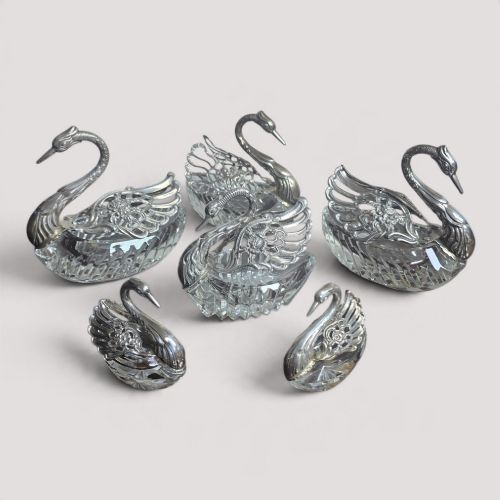
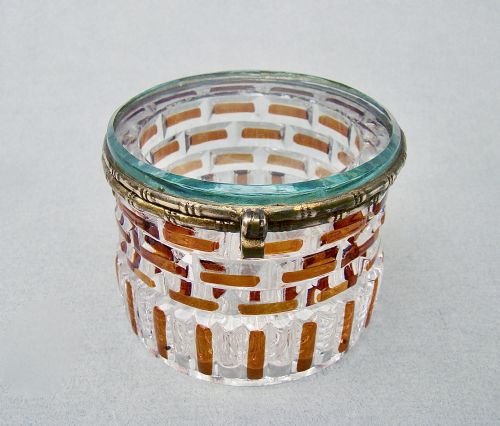
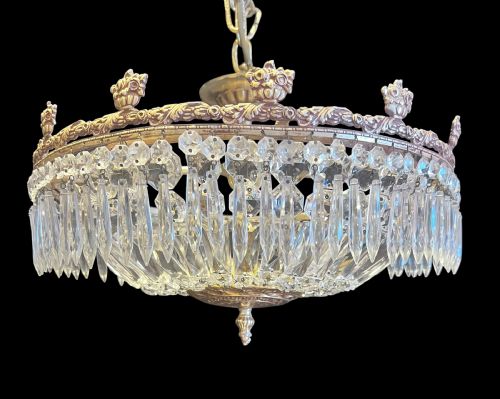
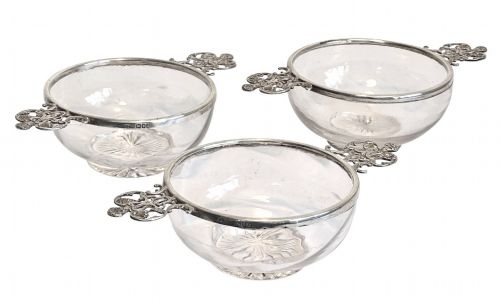
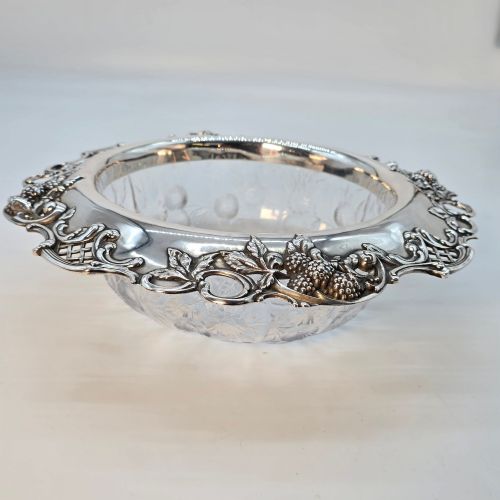
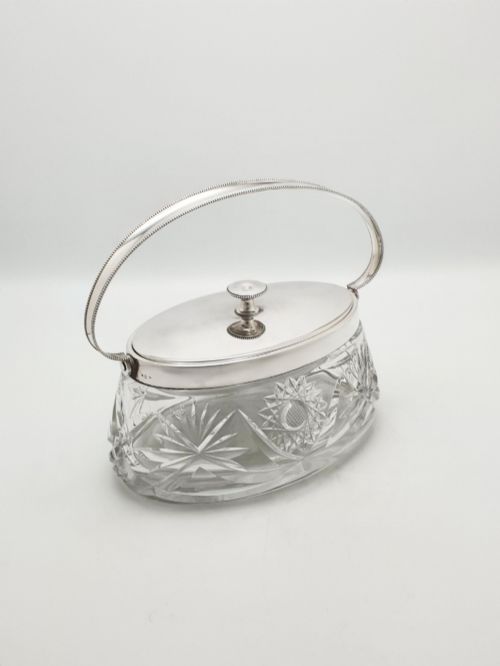
Moulded, cut, and opalescent examples form the majority of the current selection. These pieces frequently incorporate metal mounts in sterling silver, ormolu, or silver plate, bridging the gap between utilitarian glassware and ornamental metalwork.
How they were made
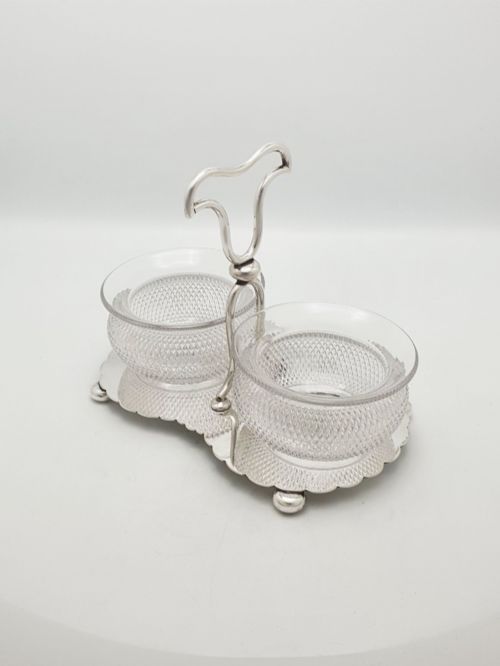
Makers utilised lead glass, crystal, and standard clear glass, shaping them through blowing, moulding, or pressing. Honeycomb moulding and wheel-cutting created geometric surface patterns that caught the light, whilst opalescent pieces achieved their characteristic milky blue shimmer through specific cooling and chemical additions during production.
Many of these glass vessels were combined with metalwork mounts, frames, and handles. Silversmiths and bronze-founders added sterling silver rims, gilt bronze, and ormolu stands to support or enclose the fragile glass bodies.
Clear Glass Dish Retail Price Guide 2026
Typical asking prices for clear glass dish among the pieces listed under this phrase on Sellingantiques today, from the lower quarter to the upper quarter. They describe what is for sale here now, not the wider market.
Listings span the eighteenth, nineteenth, and twentieth centuries, incorporating Georgian lead glass, Victorian cut crystal, and Art Deco opalescent pieces.
What varies in quality
Clarity of the metal and crispness of the cutting distinguish finer pieces from standard domestic wares. Heavy lead crystal with sharp, deep wheel-cut facets demonstrates superior craftsmanship compared to soft, light soda glass with rounded edges.
The integration of precious mounts indicates higher workshop standards. Silver rims by known makers or substantial ormolu stands elevate a simple dish into an item of luxury, whereas lightweight plated mounts suggest mass-market production.
Rene Lalique·Tiffany and Co·William Comyns
The Clear Glass Dish Glossary
- Tazza
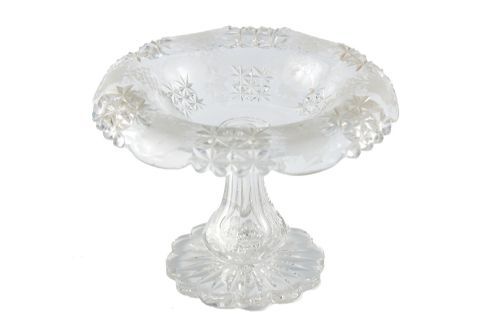
- A shallow bowl or plate mounted on a stem and foot, traditionally used for serving sweetmeats or fruit. These elevated vessels date back to the Georgian era.
- Lead Crystal
- A heavy variety of glass containing lead oxide, which increases brilliance, weight, and the ease of deep cutting. This material gives vintage dishes a resonant ring when tapped.
- Patch Stand
- A miniature pedestal dish used in the eighteenth century to hold cosmetic beauty patches. These tiny stands often feature triple-knop stems and terraced feet.
- Opalescent Glass
- Glass that diffuses light to display a milky, translucent appearance with contrasting colour tones at the edges. It gained popularity during the Art Nouveau and Art Deco periods.
- Ormolu
- Gilded bronze used for decorative mounts, feet, and handles on nineteenth and early twentieth-century glass bowls. The technique involves applying a gold amalgam to a bronze base.
Clear Glass Dish: Frequently Asked Questions
What is a clear glass dish used for?
These versatile vessels served various domestic functions, from presenting sweetmeats and butter at the dining table to holding small trinkets on a bedroom dressing table.
Over the centuries, households utilised them according to their specific depth and mounting, with flat dishes holding food items and lidded boxes safeguarding jewellery.
How do I date an antique glass dish?
Dating relies heavily on manufacturing techniques, styles, and accompanying metal mounts. Georgian examples often feature pontil marks, opaque twist stems, or simple hand-cut facets.
Later Victorian and Edwardian pieces display heavier machine moulding, elaborate star-cut bases, or silver mounts bearing hallmark dates.
What is the difference between glass and crystal?
Crystal contains a significant proportion of lead oxide, which makes the material heavier, softer to cut, and more refractive of light. Standard glass lacks this lead content, resulting in a lighter weight and less optical sparkle.
Pieces made from lead crystal also produce a clear musical ring when struck gently.