
Clear Glass Bottle
When you handle a clear glass bottle from the eighteenth or nineteenth century, you hold a vessel shaped by utility and transformed by decorative skill.
Clear Glass Bottle
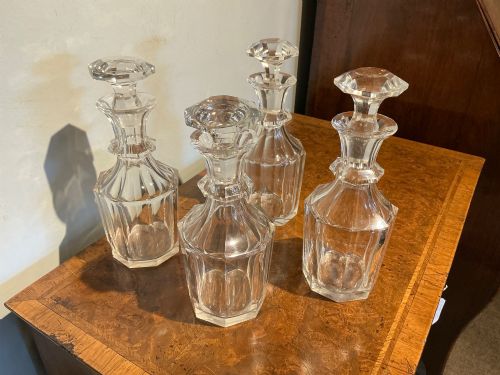
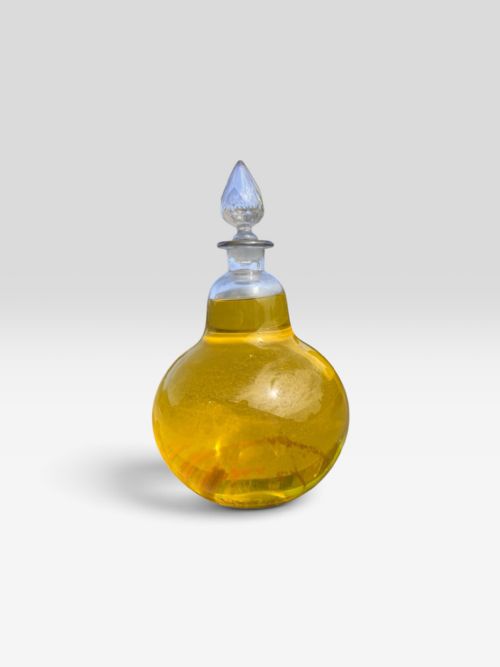
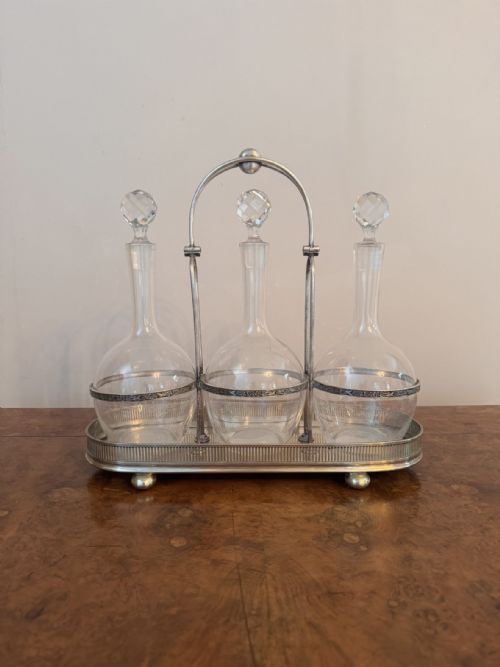
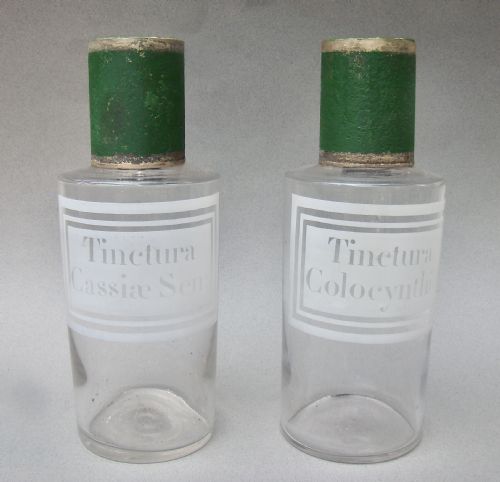
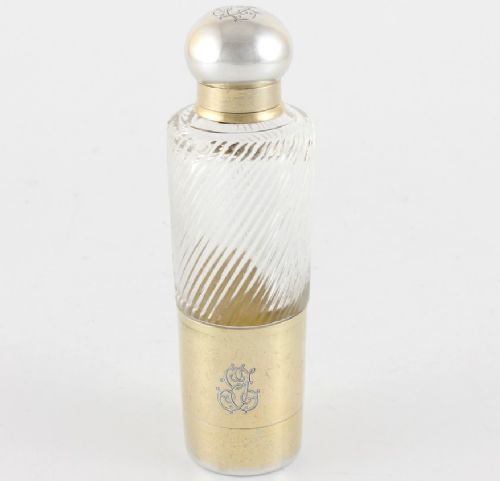
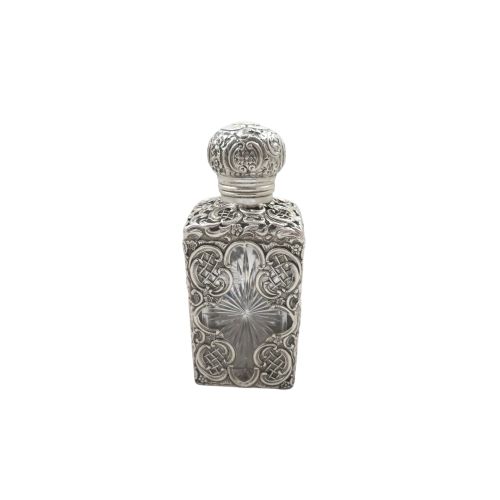
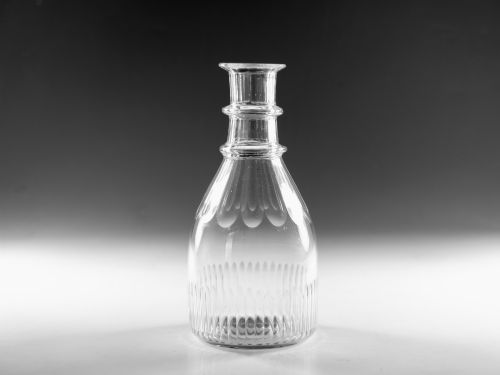
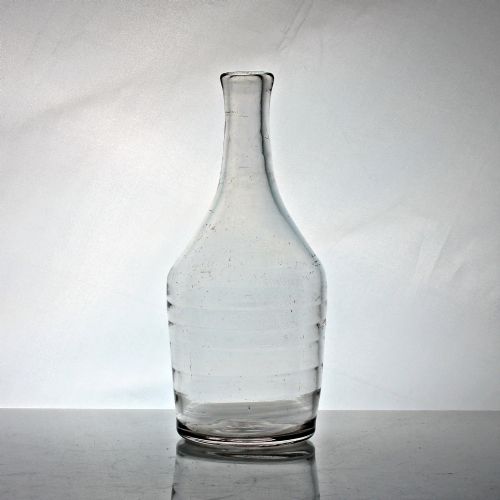
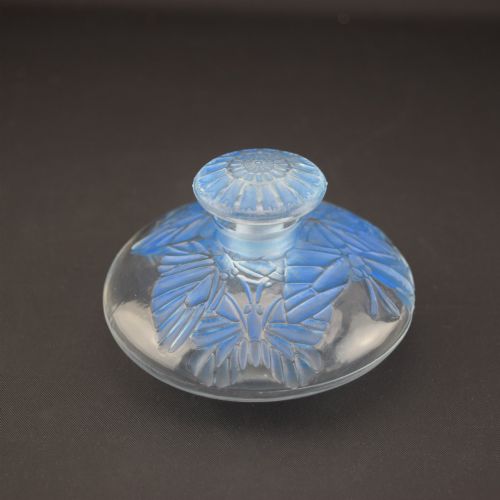
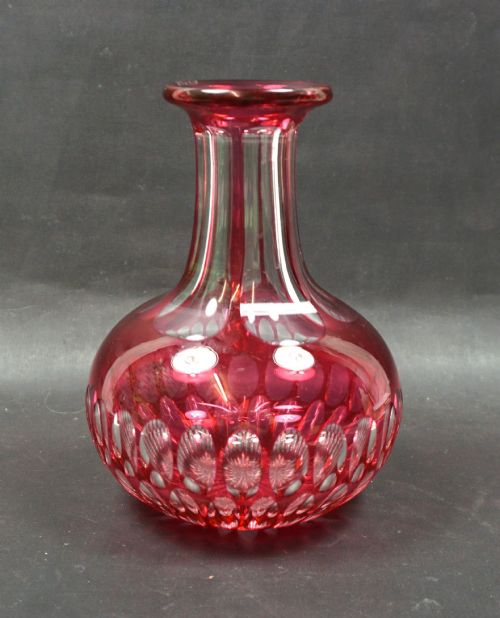
A clear glass bottle covers a wide functional range, appearing most frequently on this page as decanters, scent bottles, and apothecary jars. These vessels span multiple eras from the eighteenth century through the Art Deco period of the 1930s.
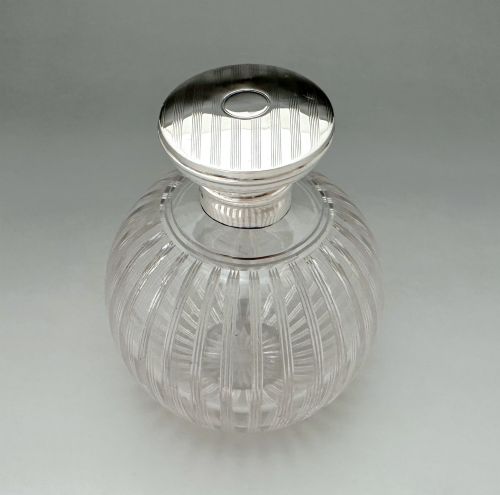
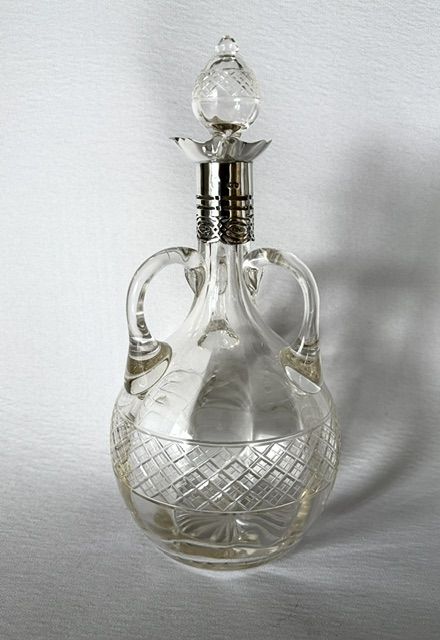
The domestic forms include heavy table decanters, carafes, and smaller vanity or perfume bottles mounted in sterling silver or tortoiseshell. Pharmaceutical variants such as pharmacy carboys and chemist jars also emerge from the nineteenth century.
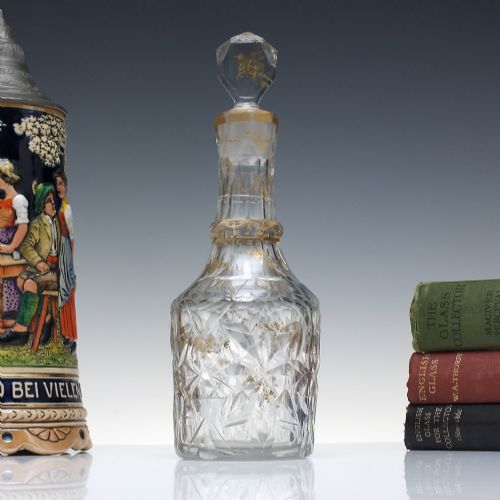
Makers and origins cross Britain, France, Bohemia, and the Czech Republic, bringing varied cutting and etching styles to transparent vessels.
How they were made
Glass is the defining material, shaped through hand-blowing into moulds or free-blown to form shafts, globes, and shoulders. Lead crystal and cut crystal provide weight and optical clarity.
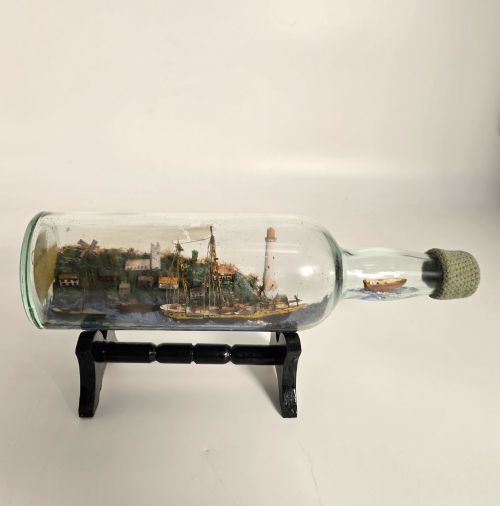
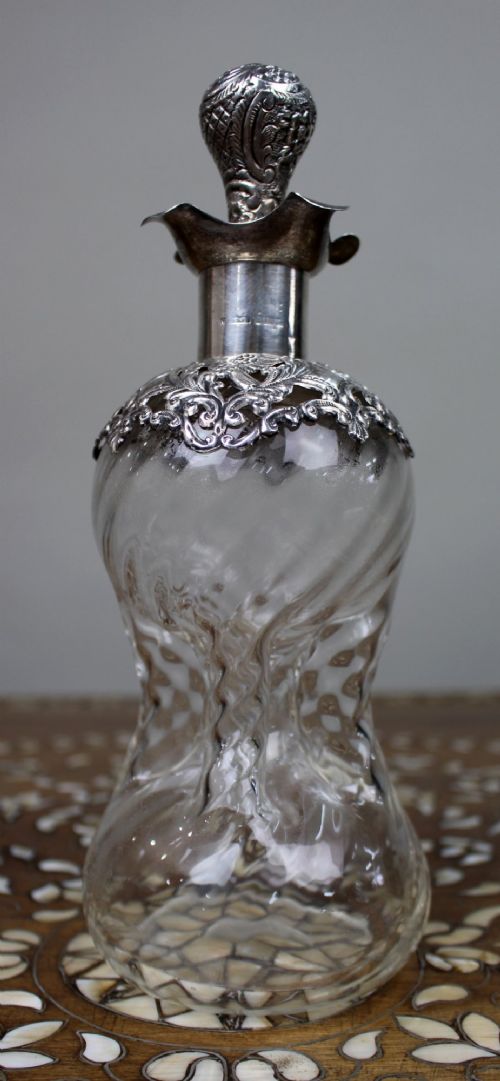
Many vessels incorporate sterling silver, silver gilt, or silver plate for collars, stoppers, and lids, while wood frequently serves as a base for folk art ship dioramas.
Listings span periods from the 18th century to 1930, uniting glass, sterling silver, and wood.
What varies in quality
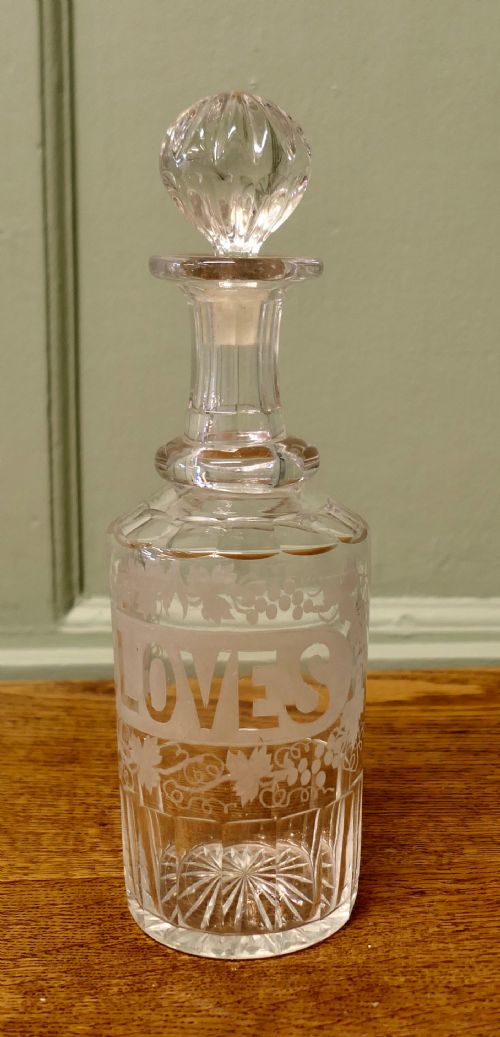
Quality rests in the precision of the cutting, the weight of the crystal, and the integration of metal mounts. Deep geometric facets and hand-etched decoration elevate a piece beyond standard utility.
The presence of hallmarked precious metals and original stoppers distinguishes finer vanity and perfume bottles from simpler wares.
James Giles·Rene Lalique·Gorham·Karl Palda
The Clear Glass Bottle Glossary
- Decanter
- A vessel used for holding and serving wine or spirits. Many examples feature cut glass bodies and matching stoppers.
- Carboy
- A large globular glass bottle used originally for holding chemical liquids in pharmacies. These appear with heavy blown forms and nineteenth-century origins.
- Scent Bottle
- A small container designed for perfumes or smelling salts. They frequently incorporate silver or tortoiseshell lids.
- Sulphide
- A small ceramic cameo embedded within clear glass during manufacturing. They often portray historical figures such as Napoleon.
- Lynn rings
- Horizontal raised rings encircling the neck of a decanter or carafe. They provide a secure grip for the hand.
Clear Glass Bottle: Frequently Asked Questions
How do I clean an old decanter?
Residue inside a historic vessel requires patience rather than harsh chemicals. Warm water and soft beads can dislodge sediment without scratching the interior walls.
After washing, invert the bottle on a drying rack until completely dry before replacing the stopper.
Were perfume bottles meant for travel?
Vanity bottles remained on dressing tables, while smaller scent flasks with tight silver screw caps travelled inside evening bags. Double-ended variants accommodated smelling salts on one side and liquid perfume on the other.
Their heavy crystal construction helped prevent tipping during daily use.
How can I date an old bottle?
Pontil marks on the base indicate hand-blown manufacture typical of the eighteenth and nineteenth centuries. Smooth, flat bases often point towards later machine or mould production from the Edwardian era onwards.
Silver mounts frequently carry assay office hallmarks and date letters for precise attribution.
What is a ship in a bottle?
Folk art dioramas constructed inside glass vessels depict sailing ships mounted on wooden plinths. Makers folded the masts flat to pass them through the narrow neck before raising them with strings inside.
Dates inscribed on hulls or corks often align with the early twentieth century.