
Clear Georgian Drinking Glass
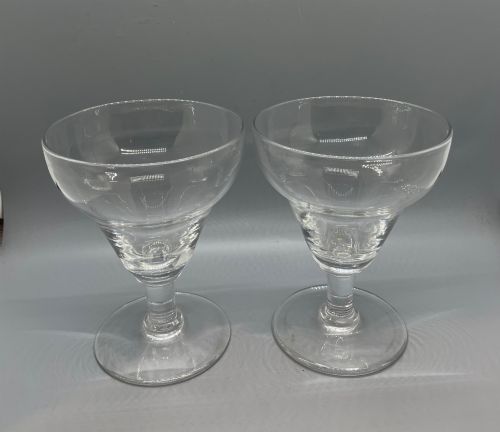
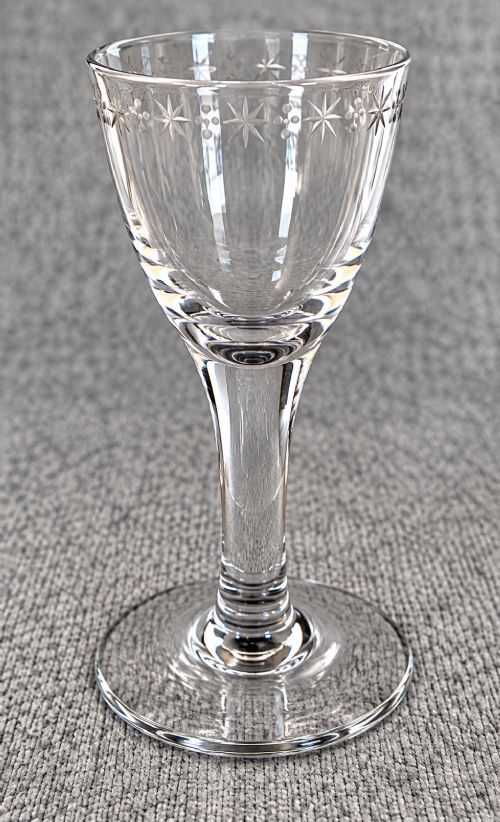
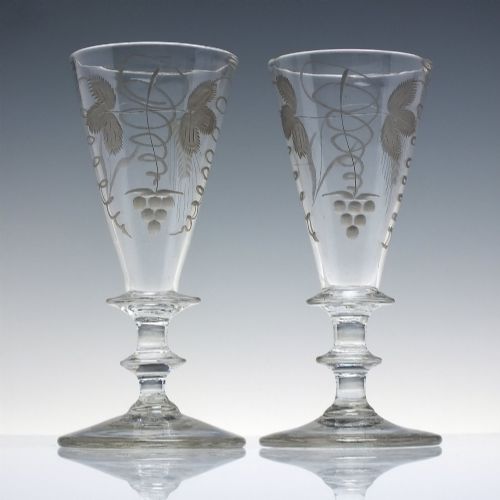
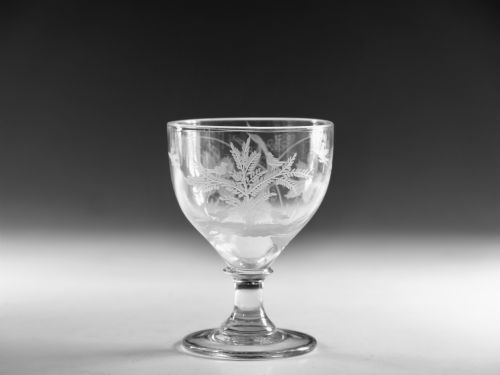
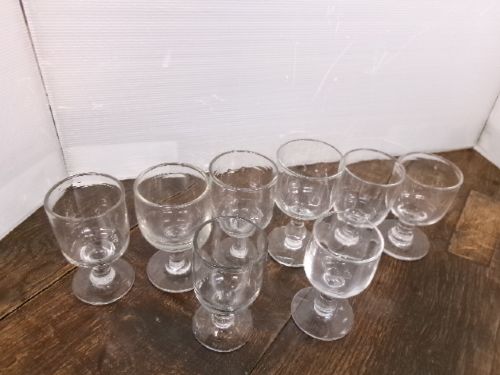
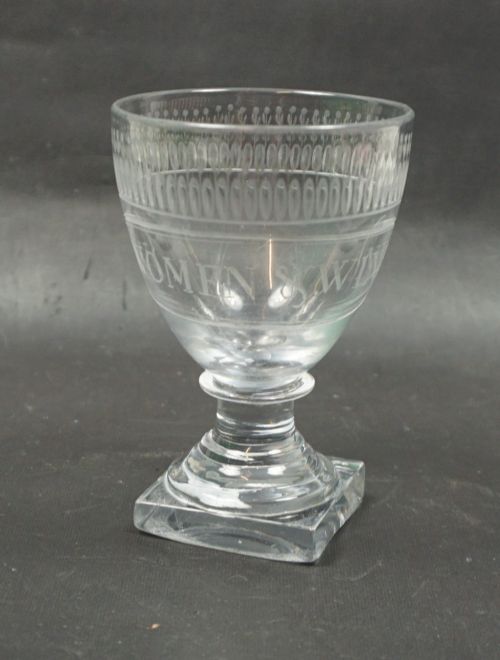
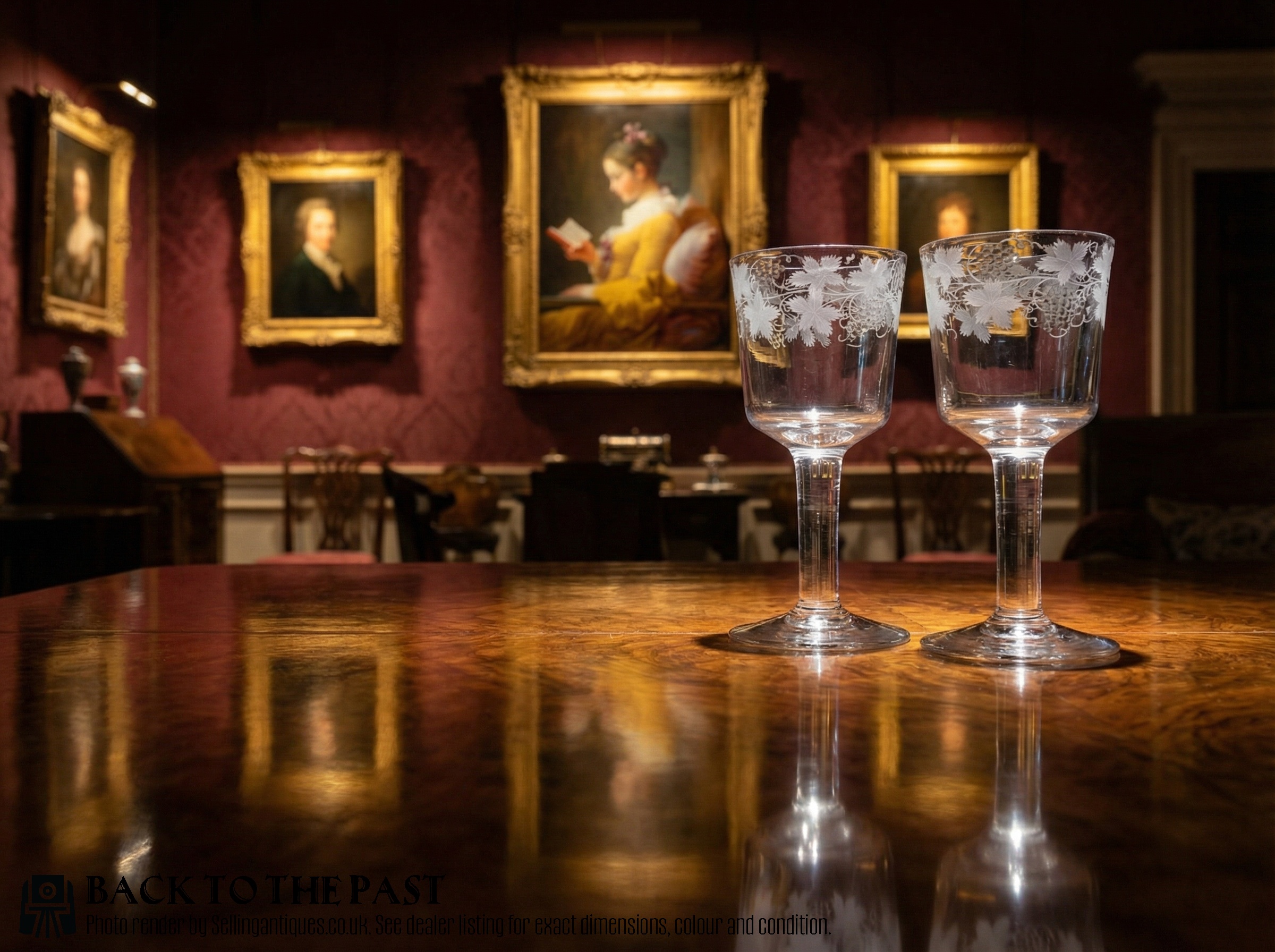
These clear georgian drinking glass examples are hand-formed vessels designed for wine, ale, and spirits, offering a tangible connection to eighteenth-century tavern and dining tables.
Clear Georgian Drinking Glass
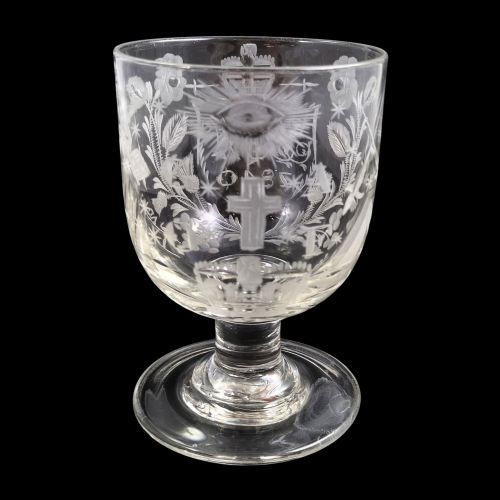
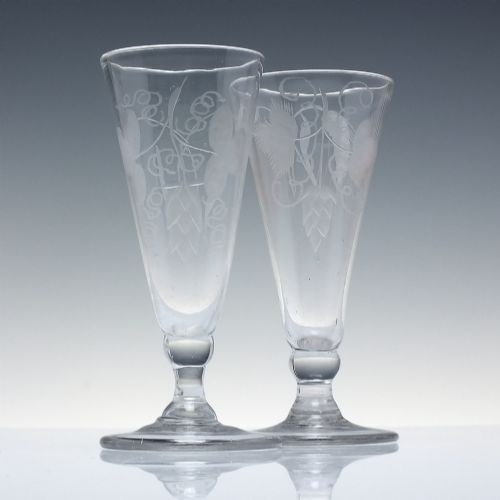
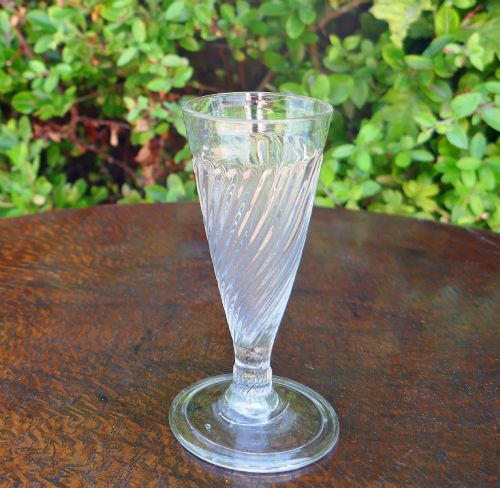
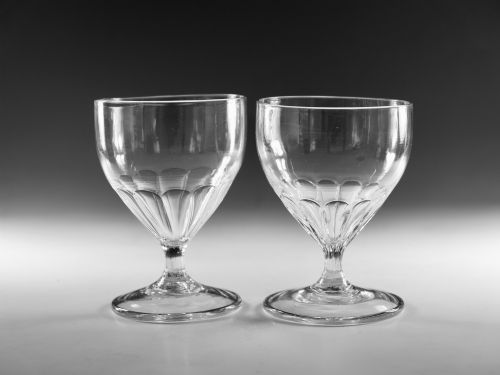
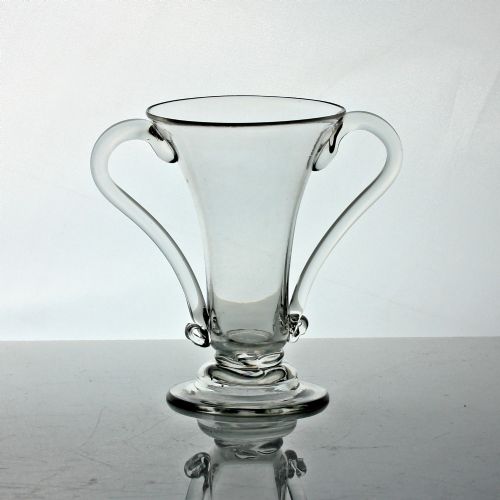
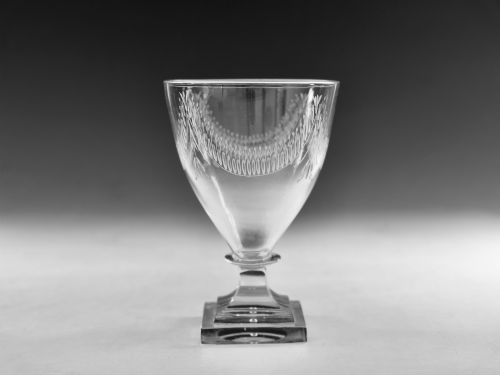
A clear georgian drinking glass encompasses a diverse range of vessels designed primarily for wine, beer, ale, and spirits. The selection spans standard wine glasses, rummers, ale glasses, jelly glasses, dram glasses, and firing glasses produced across the eighteenth and early nineteenth centuries.
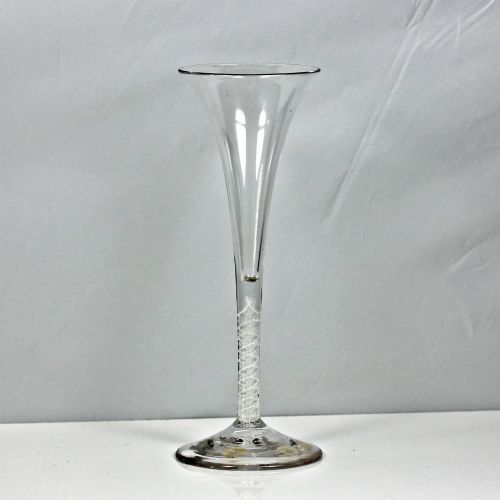
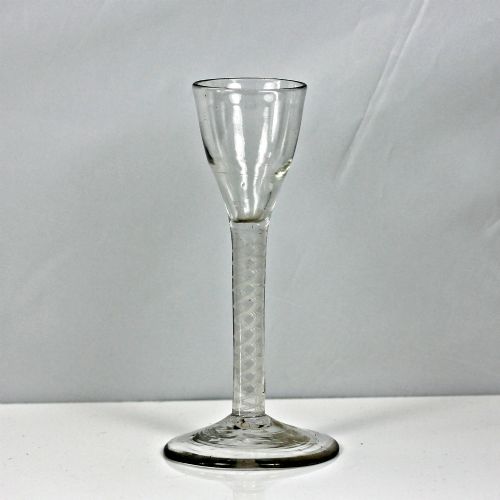
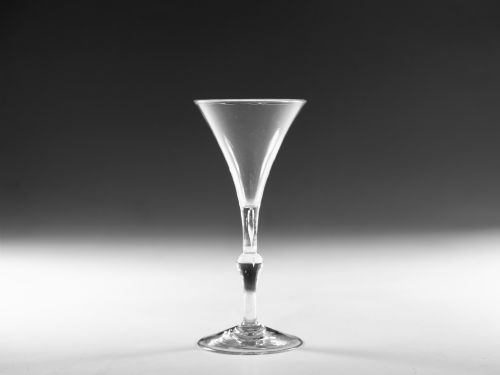
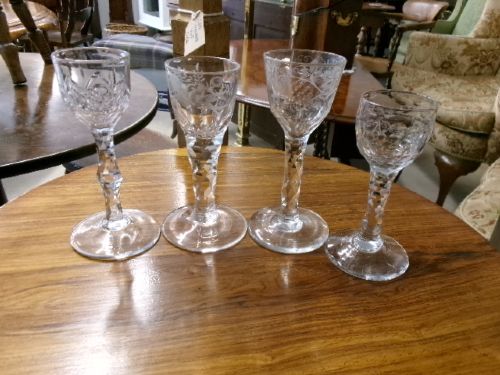
Most pieces encountered on this page originate from English production centres during the eighteenth century, labelled broadly under the Georgian period. Forms vary from simple plain stem wine glasses to elaborate balustroid, air twist, and opaque twist variants.
Specialised vessels such as sweetmeat glasses, champagne glasses, and large flip glass tumblers also appear alongside paired drinking sets and single collector pieces.
Judging Quality
Quality in a clear georgian drinking glass is dictated by the ambition of the stem formation and the crispness of any wheel engraving. Intricate multi-spiral air twists, double series opaque twists, and complex balustroid knops demand superior skill from the glasshouse worker compared to basic plain stems.
The clarity and weight of the lead glass or flint glass define the tactile presence of the vessel. Purity of metal, free from excessive bubbles or cloudiness, combined with a well-balanced foot and bowl proportion, elevates an ordinary drinking glass into a notable example.
Periods represented span from the eighteenth century and Georgian era through Regency, Victorian, and later revival dates.
The Clear Georgian Drinking Glass Glossary
- Balustroid
- A stem form derived from heavy baluster styles, featuring a lighter profile with multiple nodes or knops. This style bridges earlier heavy drinking vessels and slender eighteenth-century stems.
- Opaque twist
- A stem decoration created by enclosing white enamel glass threads within clear glass. These threads are then spun into single or double series spiral patterns.
- Air twist
- A stem formation enclosing elongated spiral air bubbles within the clear glass body. Makers created these by drawing and twisting heated glass rods.
- Firing glass
- A heavy-footed drinking glass designed to be banged on a table instead of toasted. The thick base absorbed the impact during eighteenth-century gatherings.
- Folded foot
- A base edge turned underneath to form a smooth rim, adding weight and stability. This technique reinforces the vulnerable outer perimeter of the glass.
Clear Georgian Drinking Glass: Frequently Asked Questions
How do I date an 18th century glass?
Dating relies on observing stem construction, bowl shape, and foot formation alongside any engraved motifs. Air twists and heavy baluster stems typically point towards earlier decades, while faceted cuts align with later periods.
Reference points in the evidence show stylistic transitions from mid-century plain stems to later Regency and Victorian revivals.
What is an opaque twist stem?
An opaque twist stem contains white enamel glass filaments spun into helical threads inside the clear stem body. These threads appear in single or double series configurations.
This technique became prominent in English glass manufacturing during the mid-eighteenth century, offering a bright contrast to plain glass.
Were these glasses used daily?
Many of these vessels served practical roles at dining tables, taverns, and social clubs for drinking wine, ale, or whisky drams. Sturdier forms like rummers and firing glasses handled frequent handling.
Surviving examples today are typically preserved as display pieces or careful additions to historical collections.