
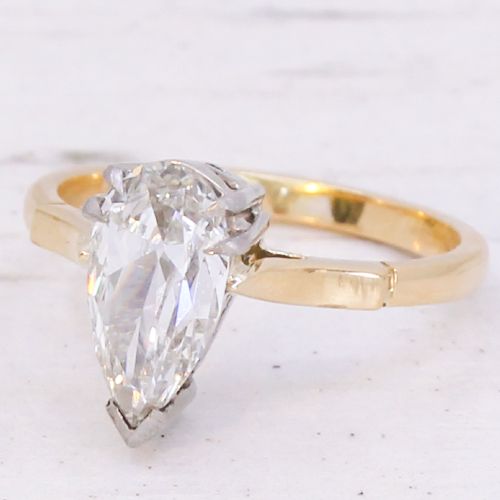
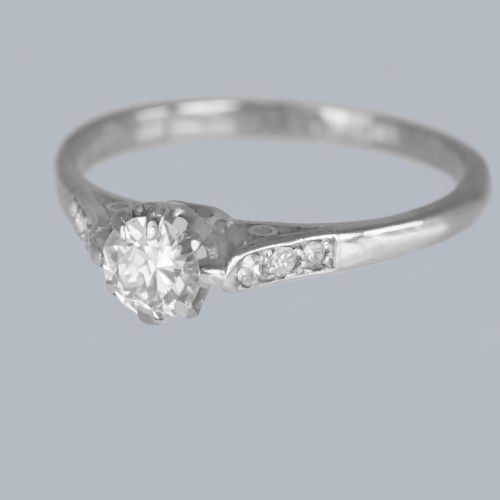
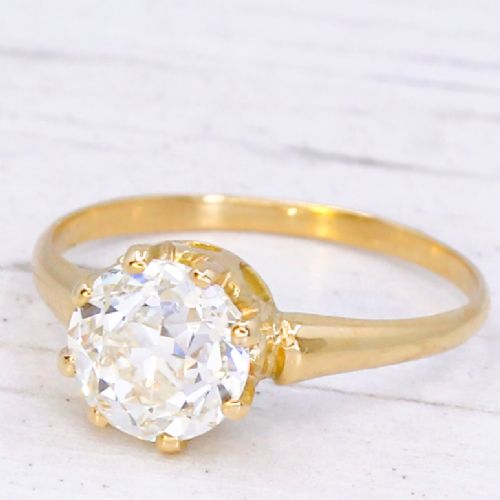
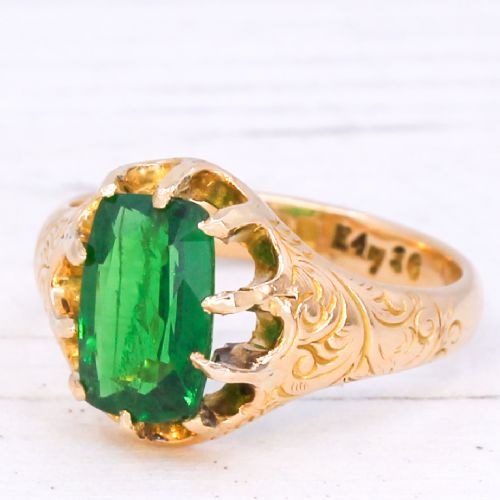
Claw Set Ring
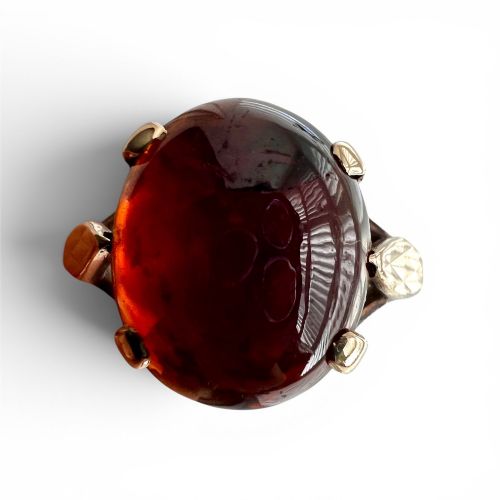
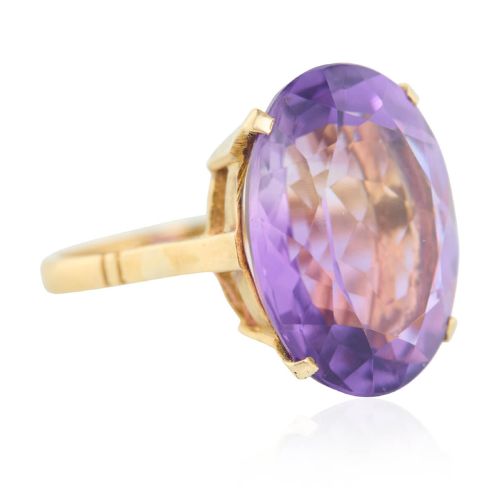
A claw set ring secures gems with metal prongs, letting maximum light enter stones like diamonds and rubies.
Claw Set Ring
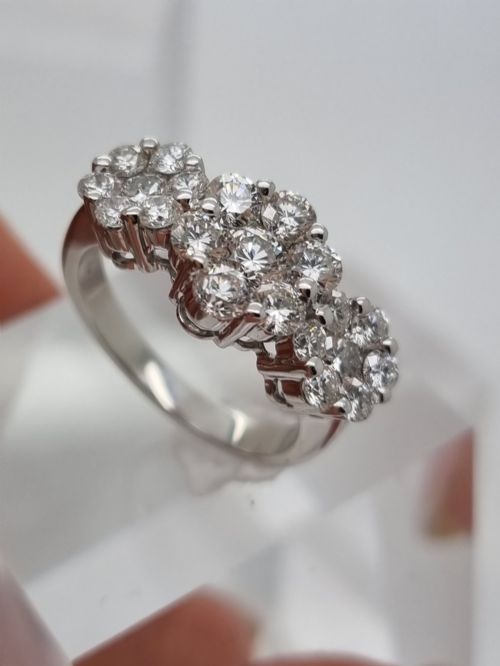
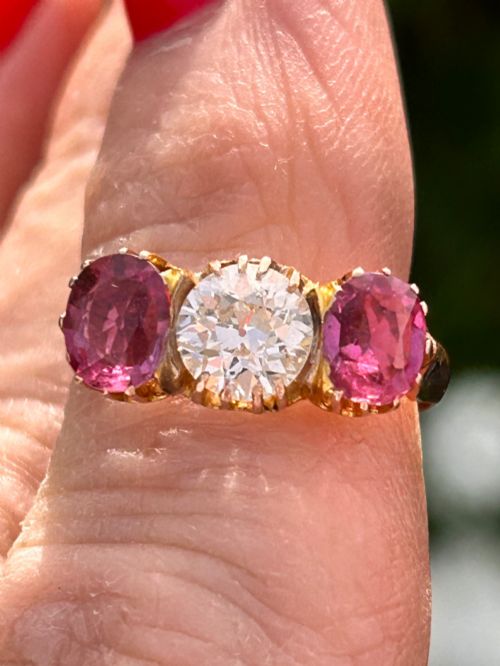
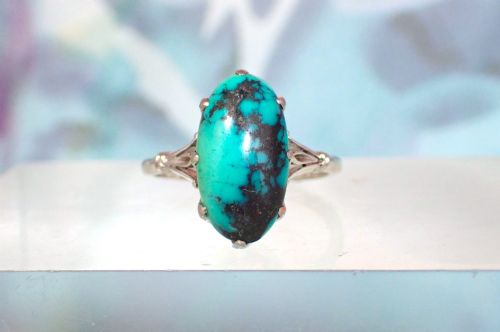
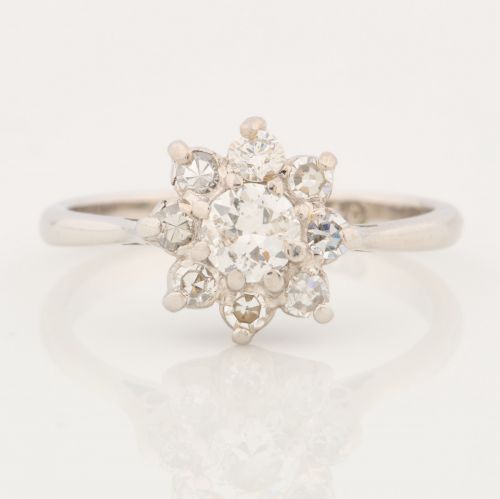
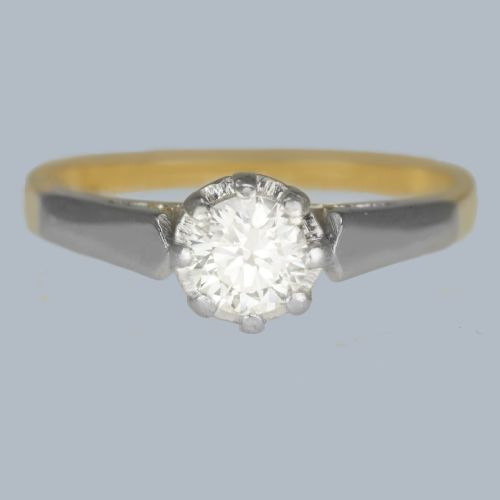
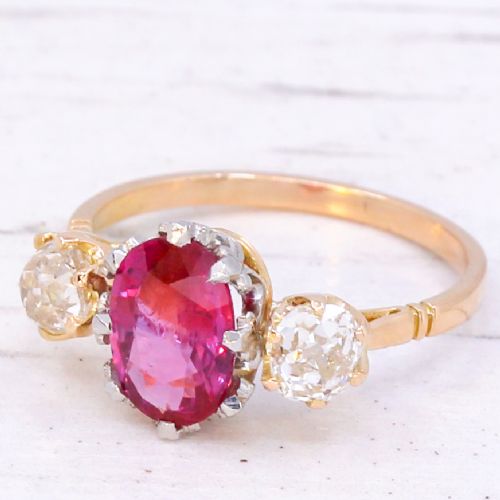
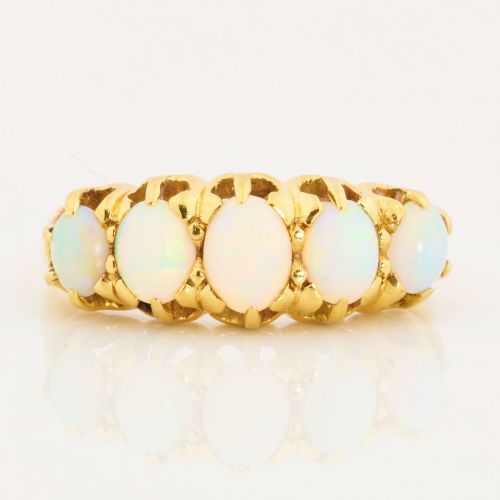
When you search for a claw set ring, you look at items designed to hold precious stones securely above the band while exposing their facets to light. The pieces on this page span from the Victorian era through the Edwardian, Art Deco, and mid-century periods, showcasing engagement rings, clusters, and solitaires.
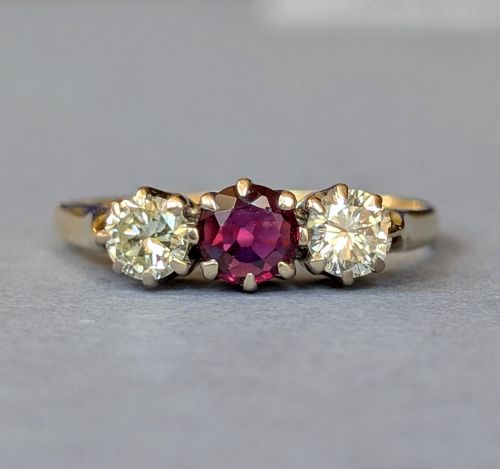
Solitaire diamond rings from the 1920s and 1930s appear frequently alongside multi-stone configurations like trilogy and five-stone rings. Platinum and various carats of gold form the mountings for these diverse gems.
How they were made
Goldsmiths shape platinum and yellow or white gold into bands and settings, hand-forming individual metal prongs to cradle each gemstone. Older examples often feature old cut, old European cut, or transitional cut diamonds secured carefully within these fabricated claws.
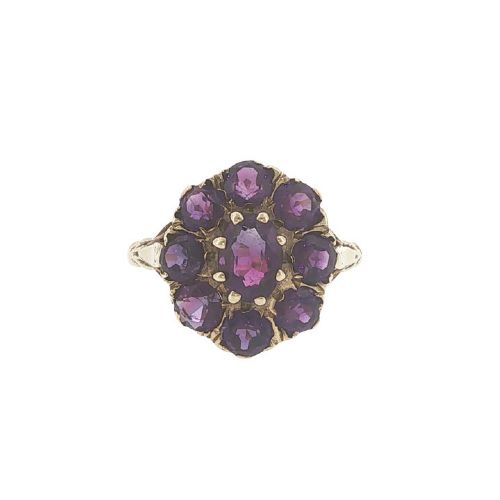
Gemstones including rubies, sapphires, tsavorites, garnets, and amethysts are set alongside diamonds, sometimes accented by smaller shoulder stones or integrated into daisy clusters and trefoil arrangements.
Materials in the current selection include platinum, yellow gold, 18ct white gold, diamonds, rubies, and sapphires.
What varies in quality
The fineness of the metalwork distinguishes different pieces, particularly in the symmetry and proportion of the individual claws holding the centre stone. A well-constructed mounting balances structural security with minimal metal obstruction, allowing optimal light performance through the gem.
The selection and matching of stones also define the tier of a piece, whether dealing with the clarity of old cut diamonds or the natural depth of unheated rubies and Burmese sapphires.
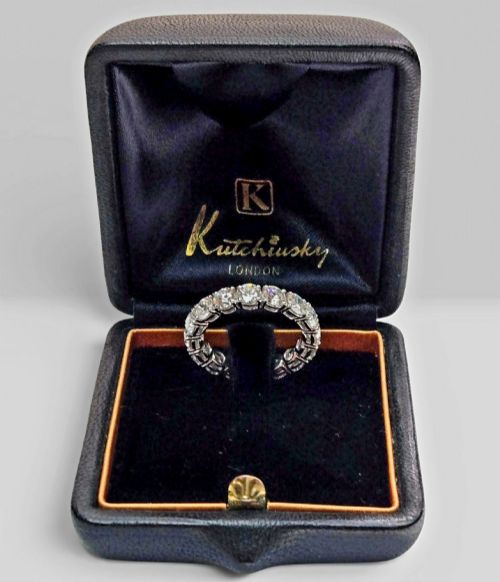
Kutchinsky
The Claw Set Ring Glossary
- Claw setting
- A mounting style utilising individual metal prongs to hold a gemstone in place. This technique maximises the amount of light entering the pavilion of the stone.
- Solitaire
- A ring featuring a single prominent gemstone, most commonly a diamond. This form places emphasis entirely on the central stone.
- Old cut
- A diamond cutting style prevalent before modern brilliant faceting standards developed. These stones typically feature smaller tables and higher crowns.
- Trilogy
- A ring design incorporating three stones, often interpreted symbolically as representing the past, present, and future. Diamonds and coloured gemstones frequently populate these settings.
- Toi et Moi
- French for you and me, designating a ring style with two main stones set closely side by side. This intimate configuration gained popularity during the early twentieth century.
Claw Set Ring: Frequently Asked Questions
What is a claw set ring?
A claw set ring is a piece of jewellery where narrow metal prongs hold a gemstone above the band. This construction exposes the sides and pavilion of the stone to light.
Such designs appear across Victorian, Edwardian, Art Deco, and mid-century periods, housing stones like diamonds, sapphires, and rubies.
How do I style an antique ring?
Antique claw set rings pair easily with plain metal bands or wedding rings of matching gold or platinum hues. Their distinct historical cuts contrast well with modern attire.
Many wearers mix eras, stacking Art Deco geometric pieces alongside Victorian cluster rings.
How can I tell the period?
Period identification relies on mounting styles, metal choices, and gemstone cutting techniques. Edwardian and Victorian pieces often show intricate wirework or yellow gold, while Art Deco designs favour platinum and geometric symmetry.
Maker marks, hallmarks, and specific diamond cuts like old European or transitional cuts also indicate approximate decades of manufacture.
How were these rings worn originally?
These rings served primarily as engagement tokens, anniversary gifts, or fashion accessories for formal occasions. Solitaire and multi-stone configurations marked significant personal milestones.
Precious stones like rubies, sapphires, and diamonds held symbolic meanings during the Victorian and Edwardian eras.