
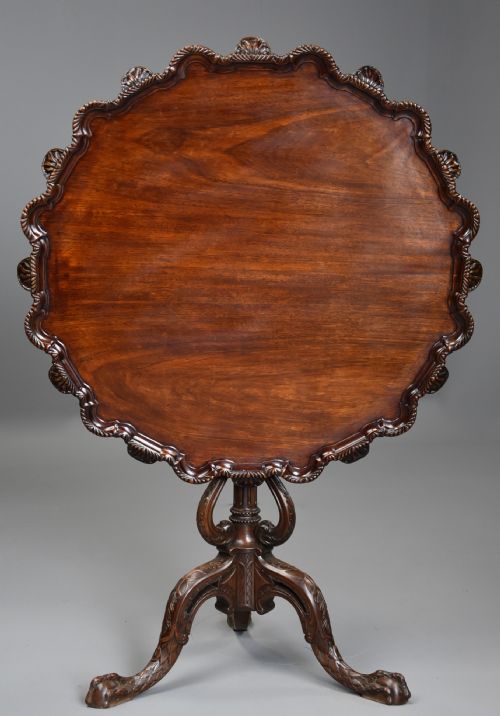


Claw Foot Wine Table
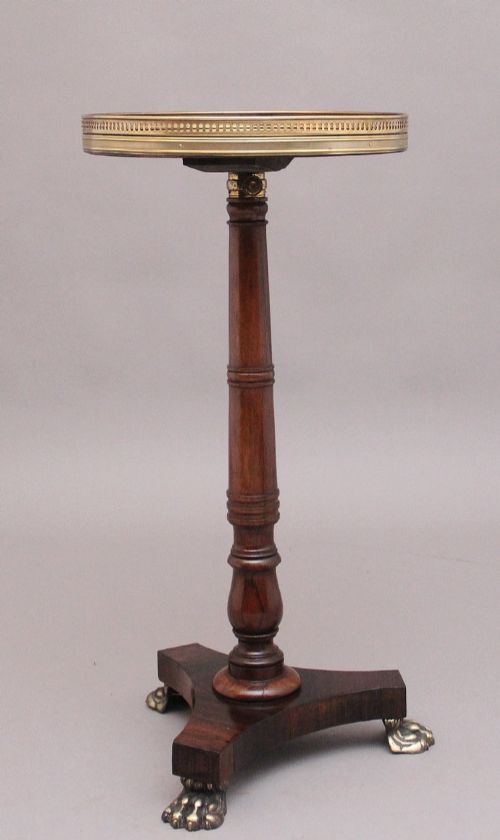
A claw foot wine table brings compact elegance to a room, offering a sturdy pillar for your evening glass.
Claw Foot Wine Table
A claw foot wine table is a small occasional piece designed to hold drinks or light items close to a seat. When you search for this phrase, you find compact tripod stands spanning several centuries and styles.
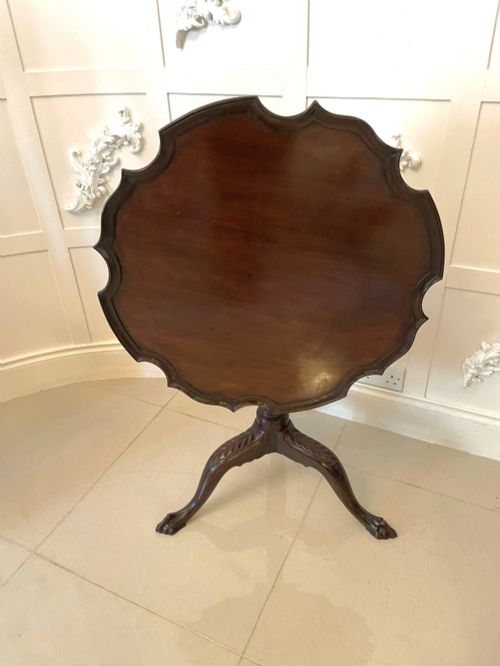
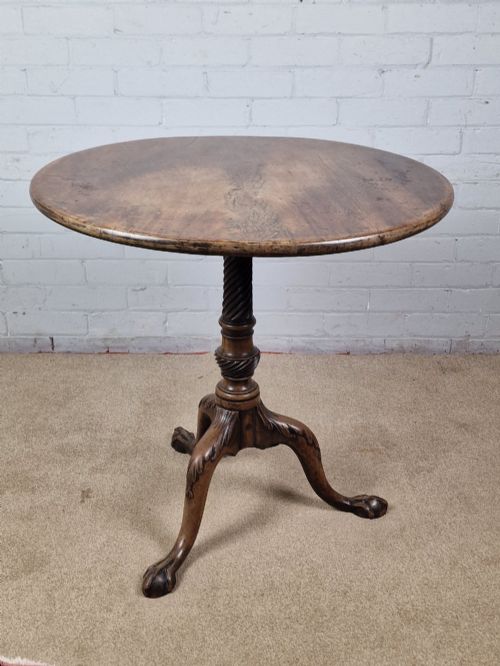
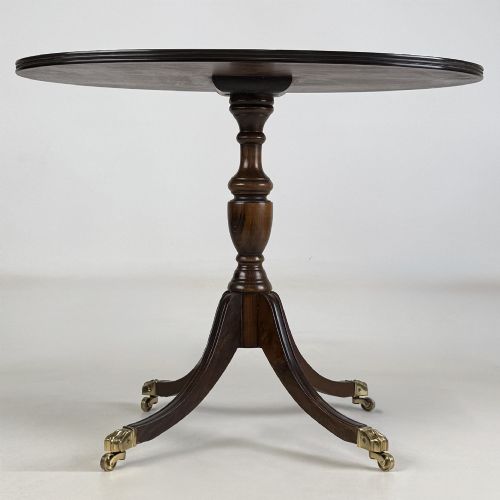
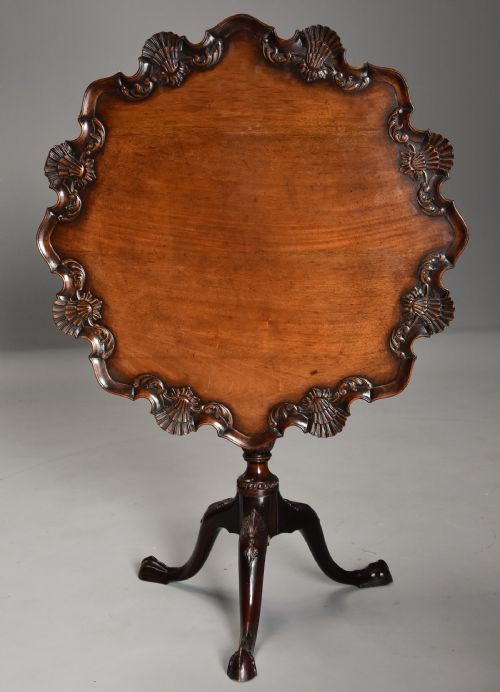
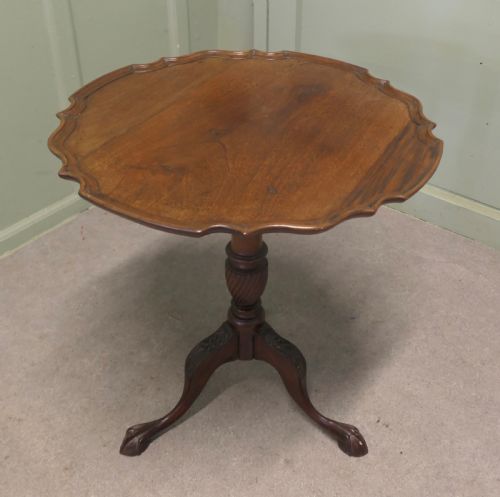
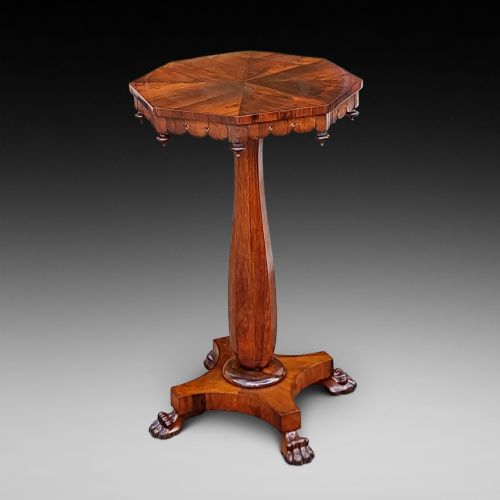
The versions you meet most often on this page date from the Georgian, Victorian, and Edwardian eras. They typically feature a circular top supported by a central pillar and three carved feet.
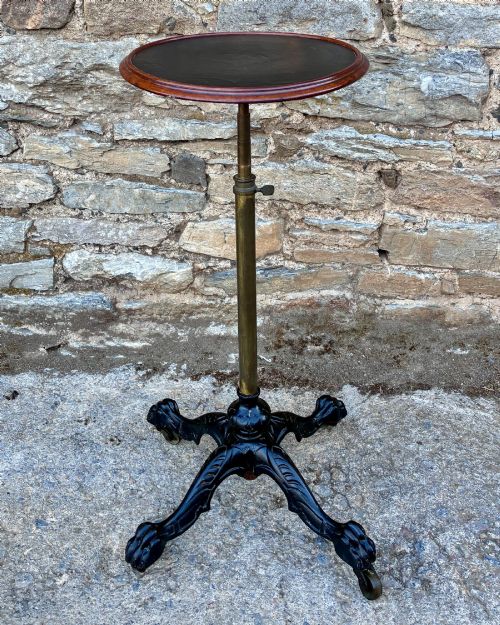
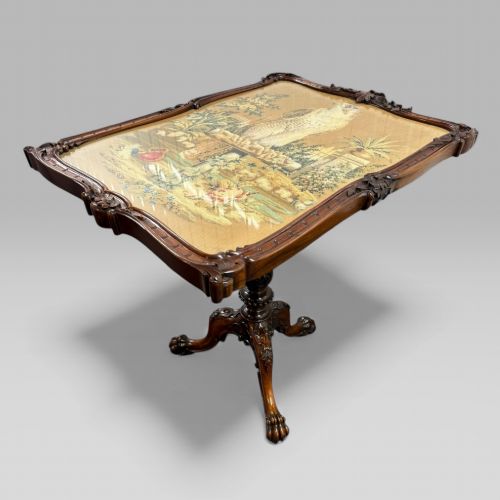
Alongside dedicated wine tables, the listings include tilt top tables, plant stands, and occasional tables sharing the same tripod base formation. These pieces suit corners, beside armchairs, or centre stage as display surfaces.
Materials and construction
Cabinet makers utilised dense hardwoods such as mahogany, rosewood, and walnut to build these tripod tables. These timbers allowed craftsmen to carve intricate details into the pillar and legs without compromising the structure.
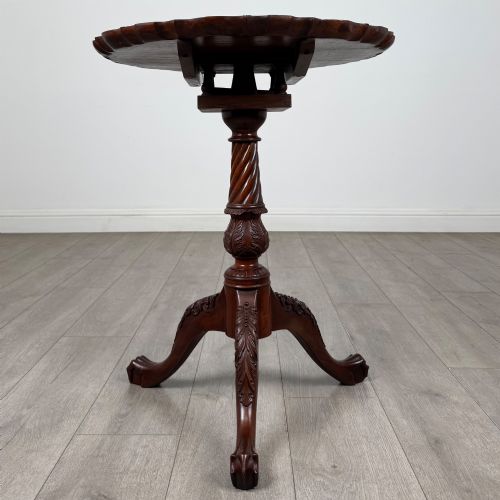
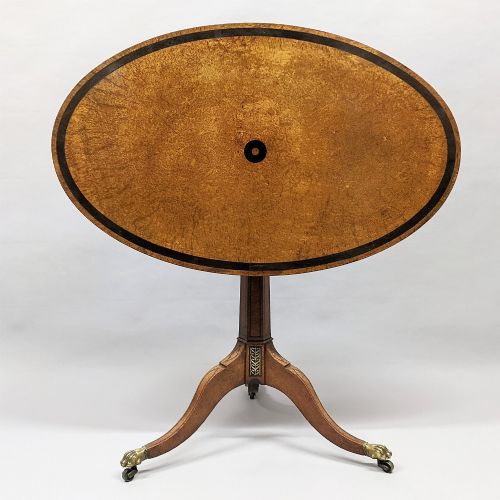
Many examples incorporate a tilt top or birdcage mechanism, enabling the surface to fold vertically when not in use. Tripod bases terminate in carved claw and ball feet, animal paws, or scrolled toes, providing a stable footing on uneven floors.
Some tilt top tables feature birdcage mechanisms that let the surface spin like a wheel while folded.
Indicators of quality
The refinement of the carving on the knees and feet separates standard tables from exceptional ones. Master craftsmen shaped the timber smoothly by hand, whereas lesser pieces display stiff or shallow carving.
The selection of timber grain on the table top dictates the visual appeal. Matched mahogany veneers, burr walnut, and figured rosewood indicate a superior commission, while simpler surfaces utilise plain boards.
Gillows·S & H Jewell London
The Claw Foot Wine Table Glossary
- Birdcage mechanism
- A small wooden frame beneath the table top that allows the surface to both tilt and revolve. It sits between the top and the central pillar.
- Tripod table
- A small freestanding table supported by a central pillar resting on three legs. The three-legged design ensures stability on uneven floors.
- Piecrust edge
- A carved raised rim around the circumference of a circular table top, shaped with undulating curves resembling pastry work. This decorative edge prevents items from sliding off.
- Jardiniere
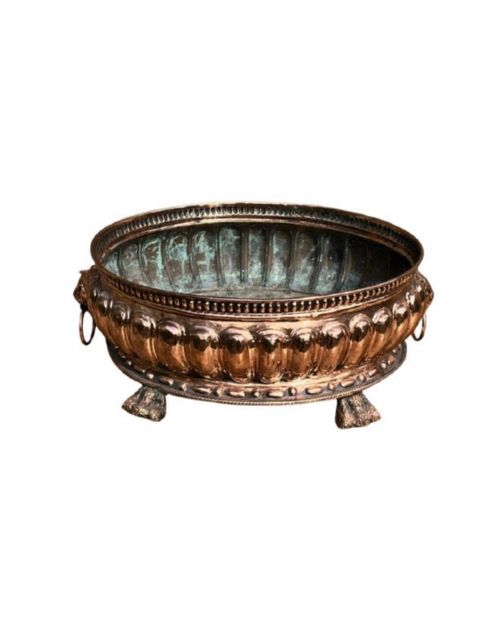
- A decorative container or stand designed to hold plants and flowers. These items frequently appear alongside plant stands and torchiere pedestals.
Claw Foot Wine Table: Frequently Asked Questions
What is a claw foot wine table used for?
These compact tables served historically to hold wine glasses, bottles, or small lamps beside seating areas.
Today, they function well as decorative occasional surfaces or bedside stands in smaller spaces.
How do I identify a tilt top table?
Look underneath the circular surface for a wooden catch or a revolving cage mechanism that connects the top to the pillar.
This hinge allows the table face to fold flat against the pedestal when you need to store it away.
What woods were used for wine tables?
Cabinet makers relied primarily on dense timbers such as mahogany, rosewood, and walnut for their strength and rich colour.
Some Edwardian variations also incorporate decorative burr oak veneers on the table top.
How do I care for an antique wood table?
Keep wooden surfaces away from direct sunlight and sudden temperature changes to prevent the timber or veneer from splitting.
Apply a traditional wax polish occasionally to nourish the grain and maintain the natural lustre.