


Claw Foot Display Stand
A claw foot display stand brings sculptural presence to any room, elevating your chosen pieces on carved supports and period timber.
Claw Foot Display Stand
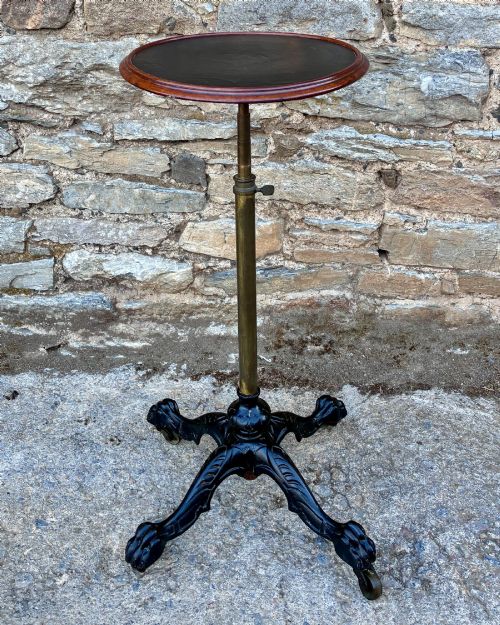
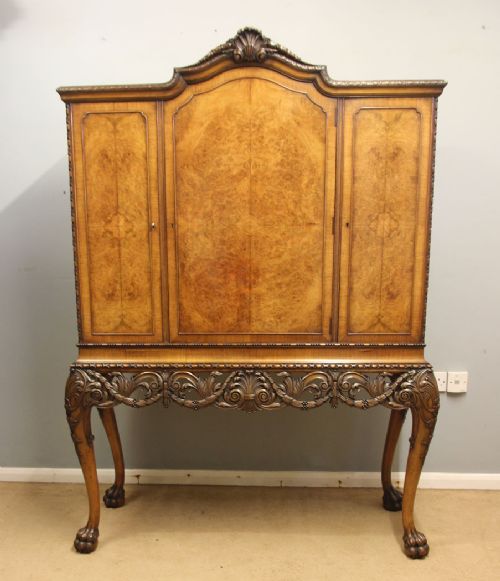
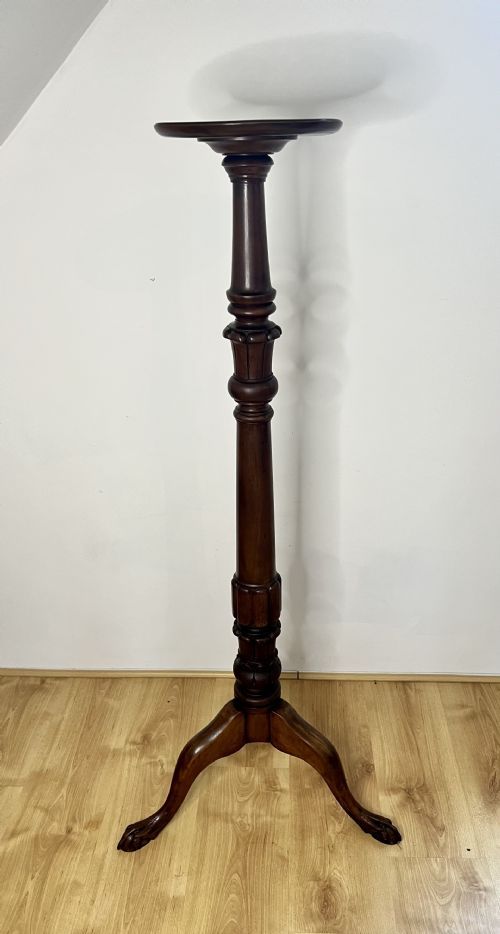
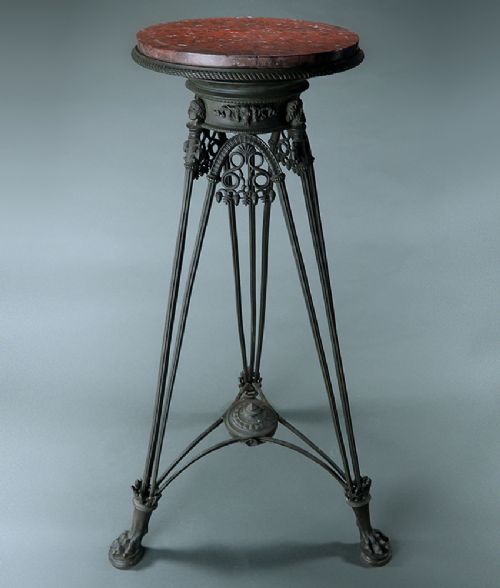
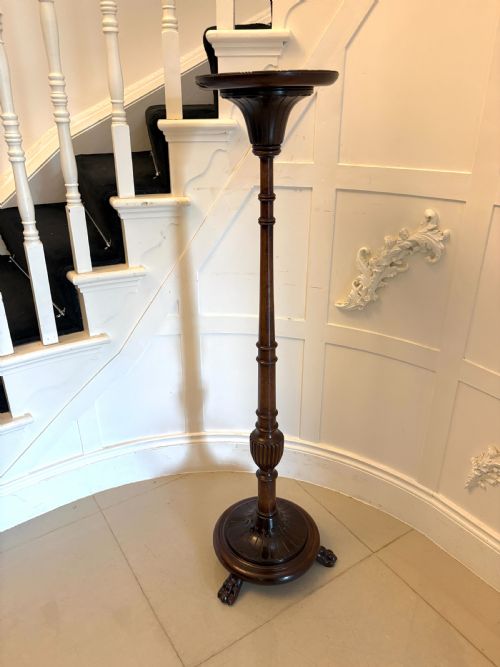
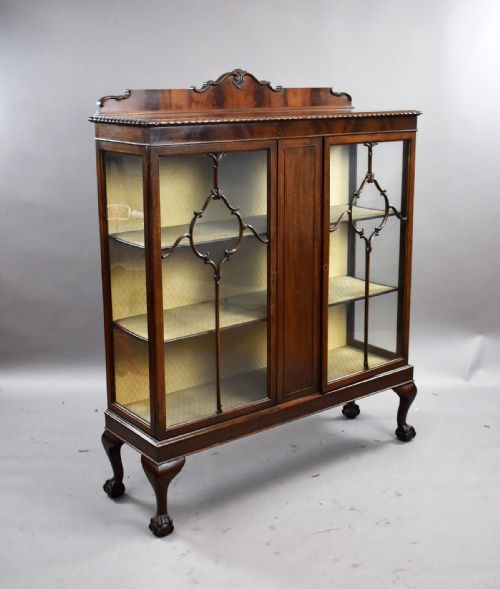
A claw foot display stand encompasses forms ranging from carved mahogany torcheres and triform pedestals to marble-topped guéridons and glass-fronted cabinets. When you search for a claw foot display stand, you encounter pieces spanning the eighteenth century through to the art deco era, reflecting varied revival styles.
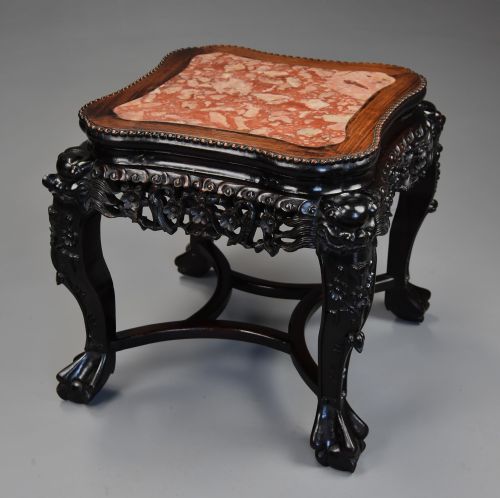
The pieces on this page lean heavily toward Victorian and Edwardian examples, alongside earlier eighteenth-century forms and Chinese hardwood pot stands. These items function primarily to elevate plants, sculpture, or decorative objects within a domestic interior.
Makers and manufacturers utilised timber frames, often pairing hardwoods like mahogany and walnut with inset marble tops or glazed doors. The unifying feature remains the elevated support structure, frequently terminating in distinctive claw feet.
Materials and construction
Craftsmen shaped these stands using solid mahogany, burr walnut veneer, oak, and exotic hardwoods, frequently incorporating carved detailing. Structural stability was achieved through heavy triform bases, carved pedestals, and robust joinery suited to supporting upright weight.
Surface treatments include polished wood finishes alongside inset marble slabs and glass panels fitted into cabinet doors. Brass accents and cast iron components appear in specific revival styles, adding weight and decorative contrast to the timber frames.
Several pieces double as silent botany assistants, having spent over a century holding ferns rather than opinions.
Assessing quality and craftsmanship
Quality rests in the crispness of the wood carving, particularly around the pedestals and feet, where hand-chiseled details distinguish superior workshop output. The selection of timber, such as figured burr walnut veneer or dense mahogany, dictates the visual depth of the piece.
Integration of secondary materials, including fitted marble inserts and cast brass elements, separates standard production from finer decorative examples. Structural integrity in the joints and the preservation of original polished surfaces govern the standing of each piece.
The Claw Foot Display Stand Glossary
- Torchere
- A tall stand designed to hold a light or a decorative object, usually featuring a slender central column.
- Guéridon
- A small French table, often round and supported by a single central pillar or tripod base.
- Triform
- A base or pedestal featuring three sides or three supporting feet arranged in a triangular footprint.
- Burr walnut
- Timber taken from the burl growth of a walnut tree, prized for its swirling and highly decorative grain pattern.
- Pot stand
- A low table or pedestal specifically sized to elevate ceramic plant pots or jardinières.
Claw Foot Display Stand: Frequently Asked Questions
What is a claw foot display stand used for?
These stands serve to elevate decorative objects, plants, or sculptures above floor level, drawing the eye to specific items in a room.
Historically, tall torcheres held lighting devices, while low tables and pedestals showcased prized ceramics or bronzes.
How do I date a wooden display stand?
Dating relies on identifying the prevailing timber fashions, construction methods, and stylistic revival periods present in the piece.
Victorian and Edwardian examples often display machine-assisted precision alongside hand-carved motifs, whereas eighteenth-century pieces show entirely hand-wrought joinery.
Are marble tops original to these stands?
Inset marble tops frequently appear on nineteenth-century guéridons and Chinese hardwood pot stands, providing a cool, durable surface for displays.
Checking the fit and the supporting rebates beneath the top helps confirm whether the marble is contemporary with the wooden base.
Where should I place a pedestal in a room?
Display stands and pedestals suit corners, hallway focal points, or flanking positions beside larger items of furniture.
Their vertical proportions allow them to introduce height variation into a room without occupying a large floor footprint.