





Claw Foot Chest
A claw foot chest is a sturdy storage piece grounded by carved animal paws, offering practical heft and character.
Claw Foot Chest
A claw foot chest combines domestic storage with sculptural foot details, drawing on styles from the Georgian, Regency, and Victorian eras. These items serve as substantial focal points in a room while holding garments or household goods.
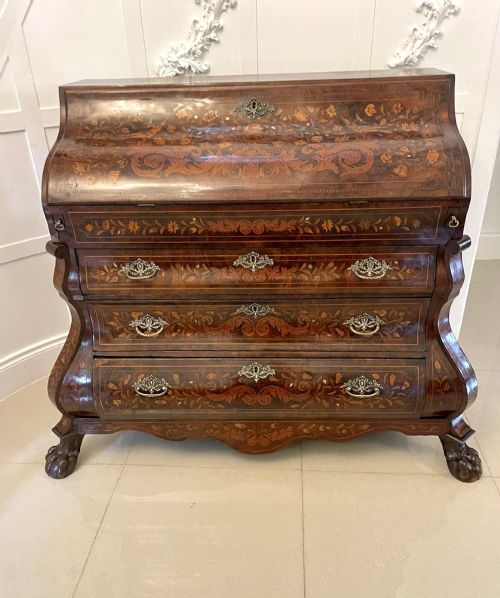
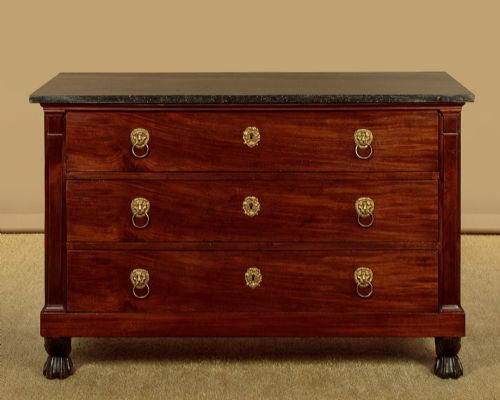
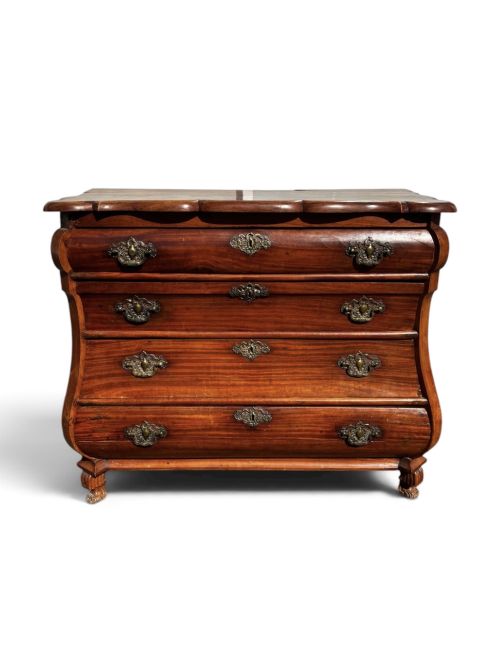
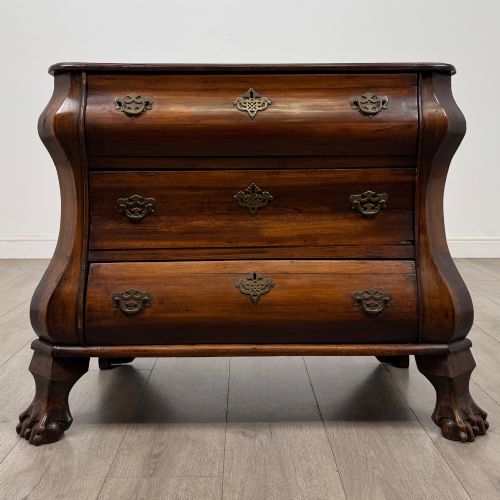
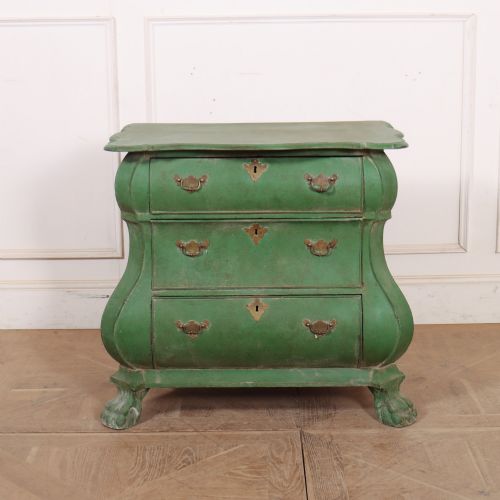
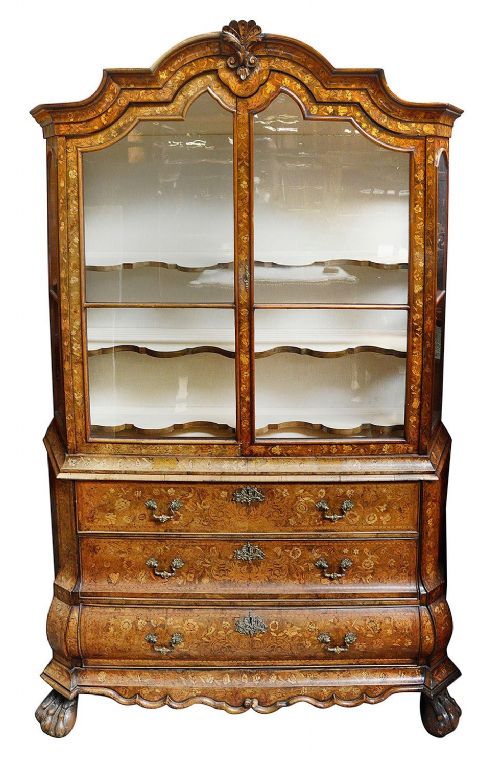
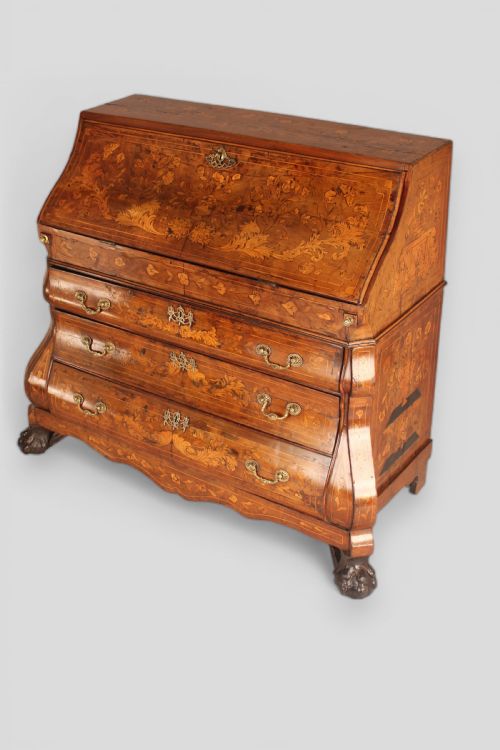
Buyers meet variations ranging from plain pine storage units to mahogany and burr walnut examples featuring paw or ball and claw supports. The selection includes regional interpretations such as Dutch bombe shapes and British stylistic adaptations.
The form spans centuries of cabinet making, appearing in solid timbers and veneered surfaces alike. Each piece reflects the prevailing taste of its period, from austere geometric lines to swelling baroque curves.
Materials and construction
Cabinet makers utilised dense hardwoods such as mahogany, walnut, and rosewood, alongside pine for secondary timbers and simpler regional pieces. Surfaces often display figured veneers like burr walnut or detailed floral marquetry inlay.
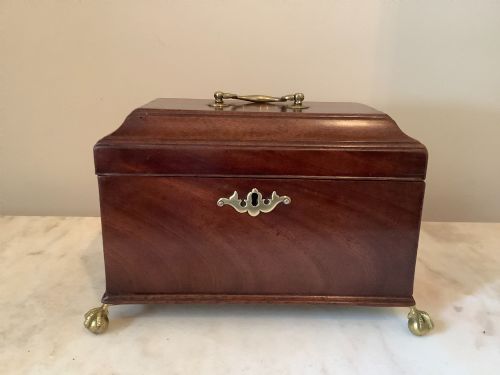
Carved details define the feet, using animal motifs such as lions' paws or bird talons gripping balls. Joinery relied on traditional methods, securing carcass structures and drawer boxes to withstand daily use.
Listings feature woods like mahogany, walnut, burr walnut, rosewood, and pine across eighteenth and nineteenth century periods.
Assessing craftsmanship
Quality rests in the precision of the timber selection and the crispness of the carved feet. Finer examples display carefully matched grain patterns across drawer fronts and harmonious proportions throughout the carcass.
The integrity of the marquetry inlay and the stability of the veneered surfaces separate standard production from superior workshop output. Original brass hardware and smooth-sliding drawers further distinguish the better tier of pieces.
The Claw Foot Chest Glossary
- Bombe
- A swelling or bulging contour characteristic of continental furniture. This curved profile requires skilled shaping of the timber framework.
- Marquetry
- Decorative patterns formed by fitting together thin slices of various woods and other materials. Artisans create intricate floral or geometric designs across the surface.
- Cellarette
- A fitted cabinet or box designed to hold wine bottles securely. These containers often feature lead linings and internal dividers.
- Veneer
- A thin layer of choice wood applied over a base timber of lesser quality. This technique exhibits expensive grain patterns while maintaining structural stability.
- Lowboy
- A small table with drawers resembling the lower section of a tallboy. These items function as side tables or compact desks.
Claw Foot Chest: Frequently Asked Questions
What is a claw foot chest?
A claw foot chest is a storage unit featuring carved animal feet supporting the main body. These pieces vary from simple pine boxes to elaborate mahogany furniture.
They provide enclosed storage while adding a distinctive sculptural element to a room through their carved supports.
How were these chests used?
These chests served primarily for storing clothing, linens, or valuable household goods in domestic interiors. Their sturdy construction kept contents protected from dust and dampness.
Over time, their decorative presence made them focal points in bedrooms, hallways, and living spaces rather than mere utilitarian storage.
How do I style a claw foot chest?
Place the chest against a solid wall where the carved feet and timber grain remain visible. The flat top surface accommodates lamps, mirrors, or decorative objects.
Keep surrounding furniture complementary in tone to let the distinct proportions and wood colours of the piece stand out in the room.
How do I identify different periods?
Georgian and Regency pieces tend to show restrained classical proportions with mahogany or walnut timbers. Victorian and Edwardian examples often introduce pine construction or heavier carved details.
Examining the internal drawer construction and secondary woods helps confirm the era of manufacture alongside the external style.