
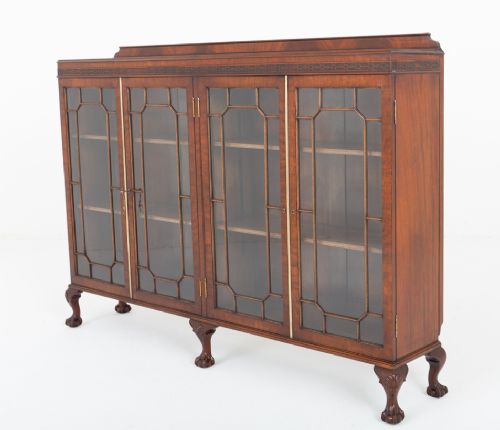
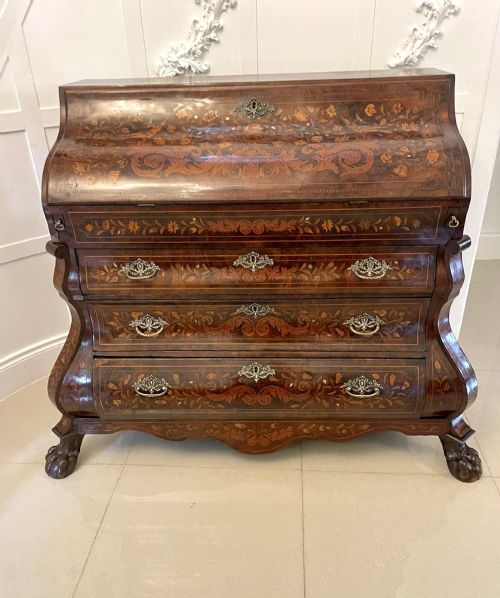
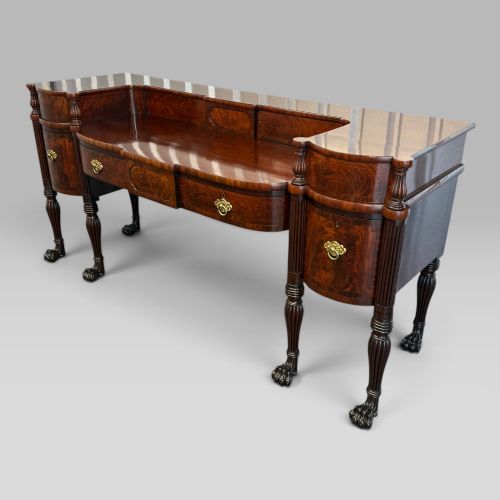
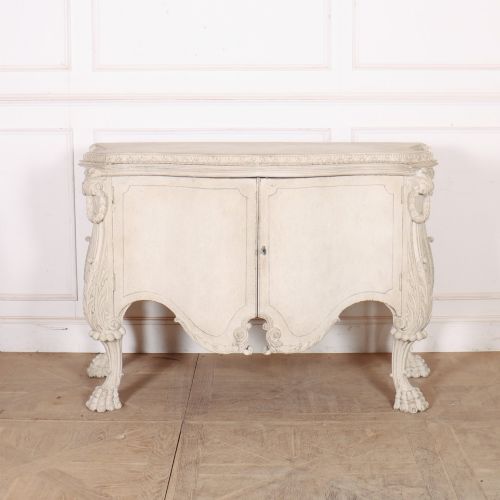


Claw Foot Cabinet
A claw foot cabinet anchors a room with substantial timber and grounded supports, offering practical storage and display space for the serious collector.
Claw Foot Cabinet
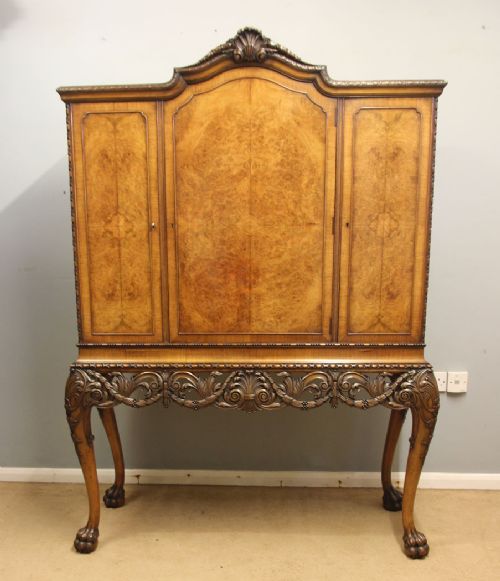
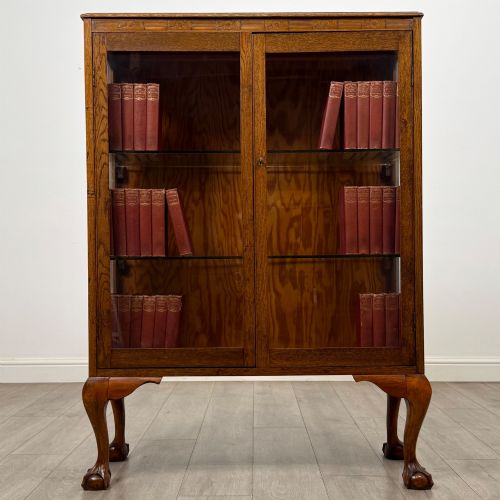
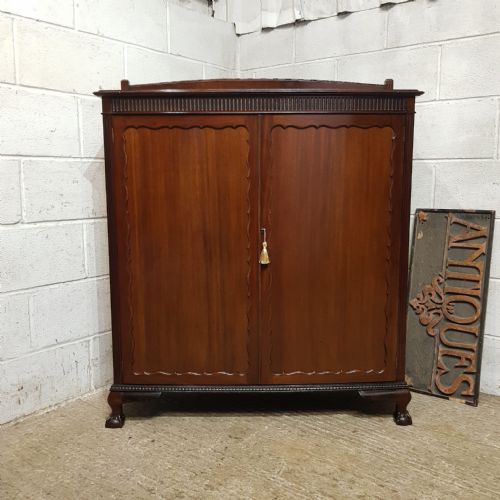
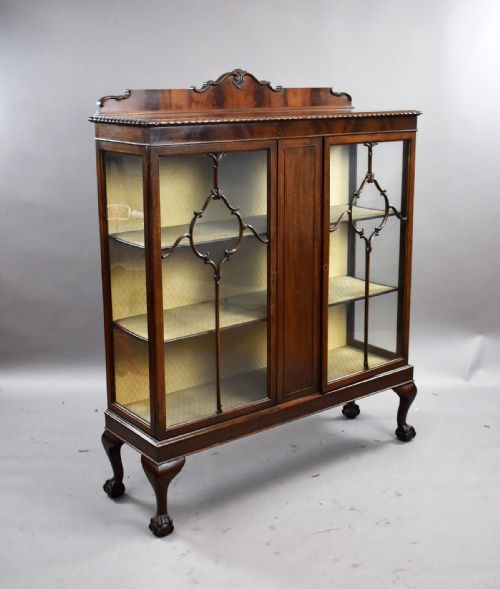
A claw foot cabinet combines functional storage with prominent foot carving, most frequently appearing in mahogany and walnut across this selection. Pieces range from large glazed display units and side cabinets to bureau bookcases and sideboards spanning the eighteenth to twentieth centuries.
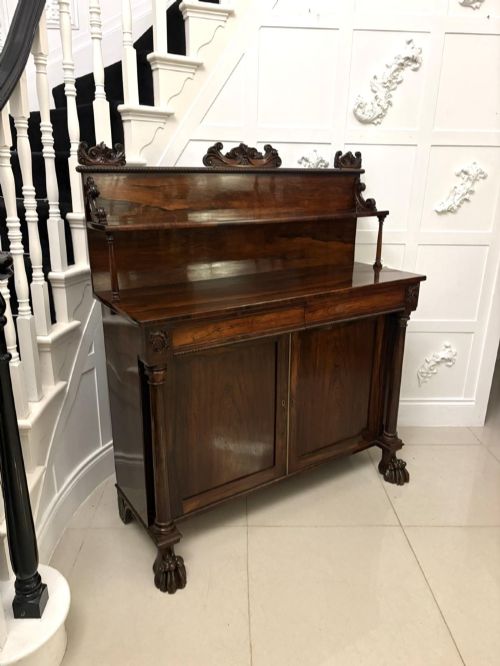
Buyers seeking a claw foot cabinet will regularly encounter Regency designs featuring lion paw feet alongside Edwardian and Chippendale revival forms. The construction typically integrates timber framing with fitted shelving, glass doors, or marquetry panels according to the period.
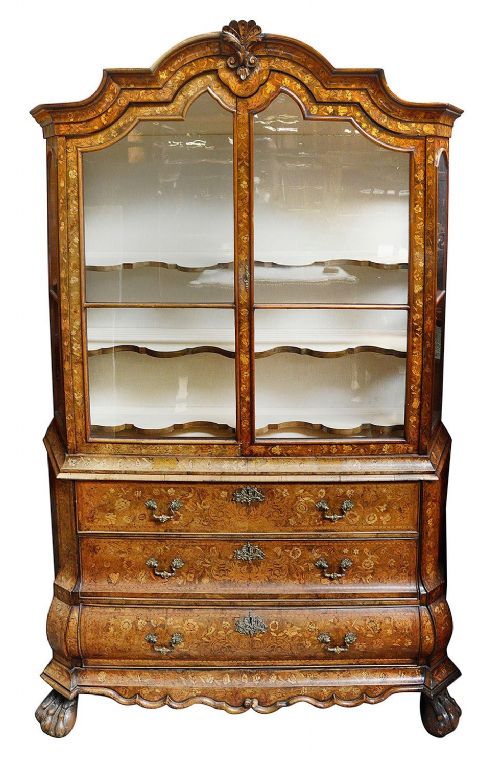
The selection encompasses diverse regional influences, including Dutch marquetry bureau cabinets and Italian side cabinets alongside standard British cabinet work. Each form utilises specific stylistic details like brass inlay or bombe shaping to define its character.
How they were made
Cabinet makers utilised solid timbers and veneers including mahogany, walnut, burr walnut, and rosewood over robust pine or oak carcases. Surface enrichment frequently involved floral marquetry, brass stringing, and flame mahogany figuring applied to doors and fall fronts.
Structural integrity depended on traditional joinery methods combined with carved wooden or cast brass feet attached to the base. Glazed sections employed wooden glazing bars to hold individual glass panes within display doors and bookcases.
Lion paw feet stand ready to pounce across several centuries of mahogany.
What varies in quality
Quality separates through the crispness of carved paw feet and the selection of timber veneers used across primary surfaces. Superior pieces exhibit meticulous floral marquetry, balanced proportions, and original brass hardware rather than later replacements.
Construction standards differ between exhibition grade library bookcases and standard domestic cupboards, visible in internal drawer linings and backboard thickness. The integration of decorative elements like brass inlay and figured mahogany dictates the standing of the piece.
Walker and Hall
The Claw Foot Cabinet Glossary
- Marquetry
- Decorative veneer work forming pictures or patterns by using thin slices of wood and other materials. It frequently appears on Dutch furniture of the eighteenth century.
- Chiffonier
- A low sideboard or cabinet with shelves or drawers, developed during the Regency period. These pieces often feature brass gallery rails and enclosed lower cupboards.
- Vitrine
- A glass-displayed cabinet designed for exhibiting porcelain and small objects. These pieces rely on glazed doors to protect the contents while maintaining visibility.
- Bombe
- An outwardly bulging swelling contour found on the front and sides of furniture. This profile characterises certain continental desks and commodes.
- Breakfront
- A piece of furniture whose central section projects forward from the flanking wings. This architectural arrangement creates depth and visual separation on large bookcases and sideboards.
Claw Foot Cabinet: Frequently Asked Questions
What is a claw foot cabinet used for?
These cabinets serve as functional storage units, bookcases, or display cases for books, porcelain, and household items. Their enclosed shelving and glass fronts protect contents while displaying them within principal rooms.
Larger variations function as sideboards or linen presses, combining drawers and cupboards to organise dining or bedroom accessories. Their structural presence also allows them to anchor a room visually.
How do I identify a Regency claw foot cabinet?
Regency pieces often display classical motifs, rosewood or mahogany veneers, brass inlay, and carved lion paw feet. Proportions tend to reflect architectural symmetry and restraint.
Makers of this era utilised simulated rosewood or flame mahogany alongside distinctive brass mounts. The presence of waterfall shelving or brass stringing further supports a Regency attribution.
Are Dutch marquetry cabinets difficult to maintain?
Dutch marquetry cabinets require stable indoor humidity to prevent veneer shrinkage or lifting across the floral panels. Regular dusting with a dry cloth keeps the polished surface intact.
Avoid placing these items near direct heat sources or strong sunlight, which can fade walnut and fruitwood veneers. Professional conservation is advised if any inlay loosens over time.
What distinguishes Edwardian cabinets from earlier periods?
Edwardian cabinets generally repeat revival styles like Chippendale or feature simpler bow-fronted mahogany construction. They often incorporate lighter timber frames and straightforward glazed panels.
Unlike heavier eighteenth-century carcases, Edwardian examples prioritise domestic utility, including music cabinets and bedside cupboards. Their construction methods reflect early twentieth-century workshop standards.