


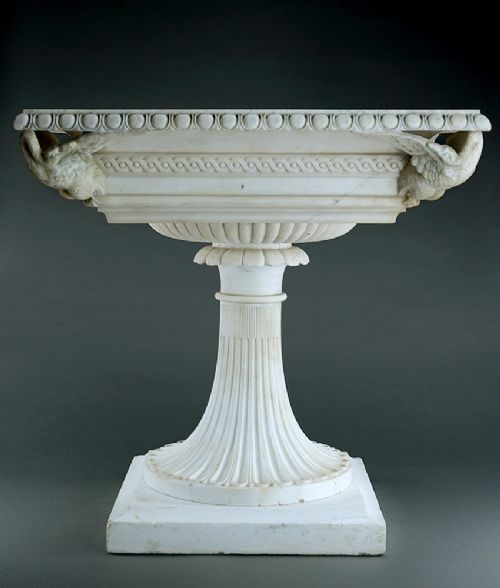
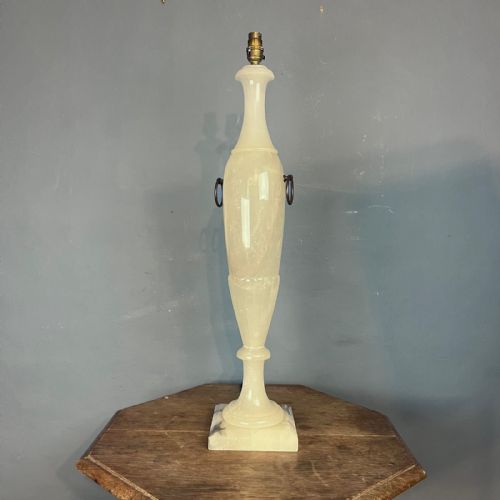
Classical Urn on Pedestal
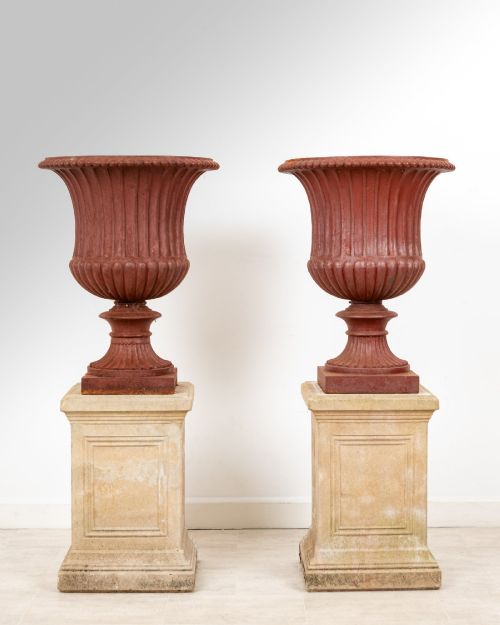
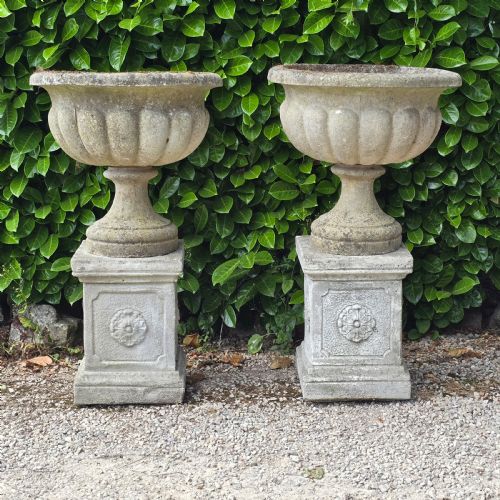
A classical urn on pedestal stands as a focal point, bringing sculptural weight and antique proportion to a room or garden.
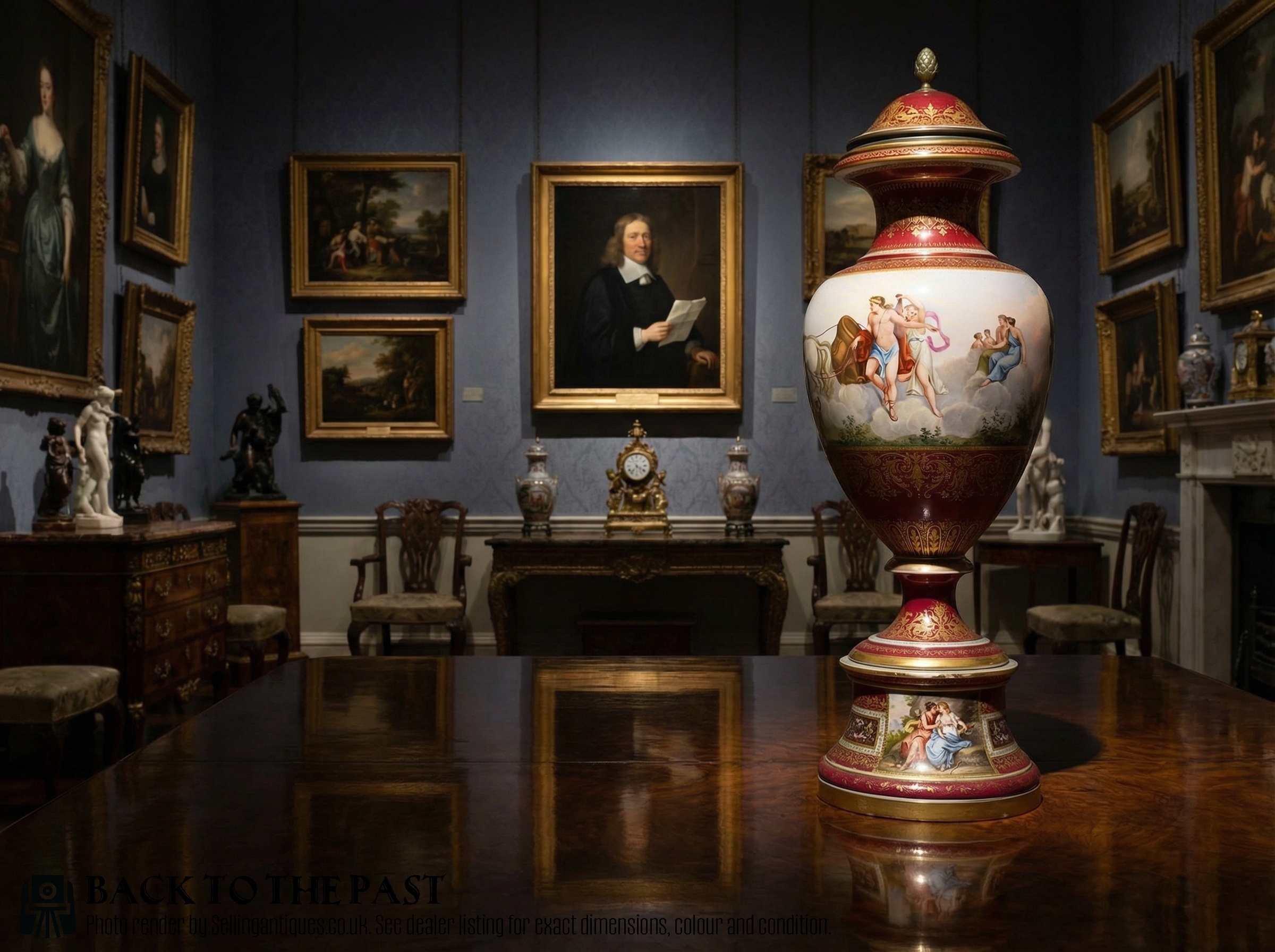
Classical Urn on Pedestal
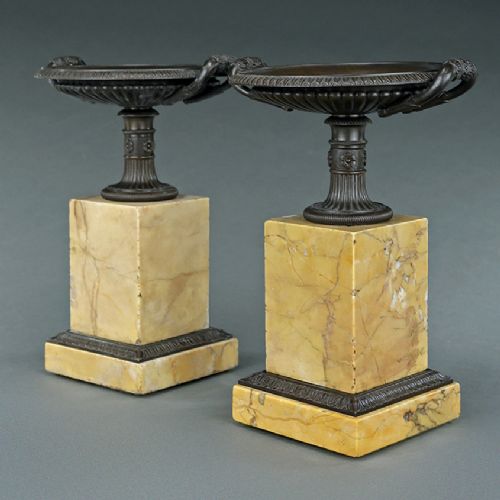
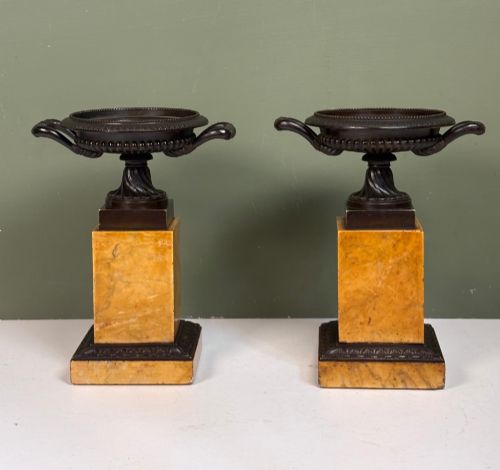
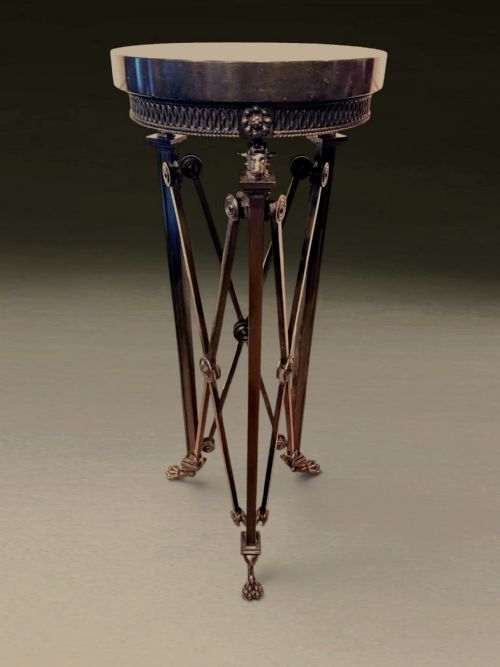
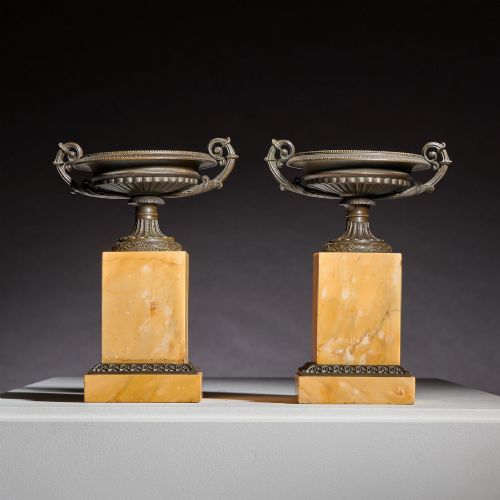
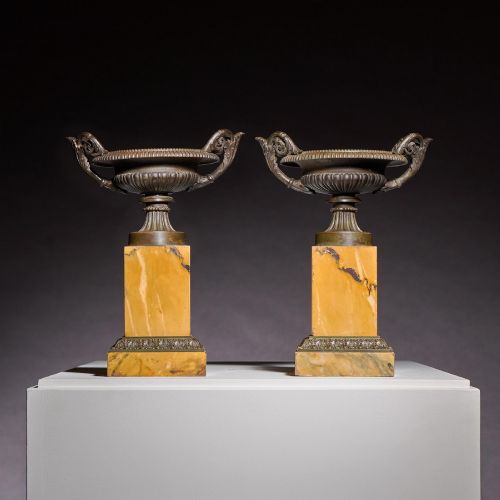
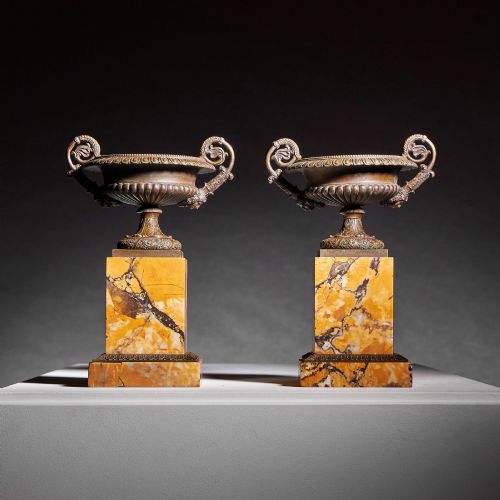
A classical urn on pedestal combines a vessel of antiquity with a supporting plinth, drawing on Neoclassical and French Empire aesthetics. These pieces range from monumental garden planters to small cabinet tazzas and table lamps.
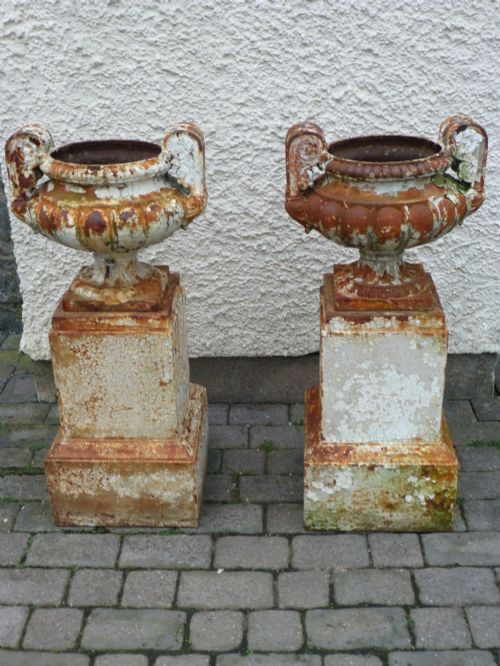
The form is most frequently met in nineteenth-century interpretations, spanning Regency, Victorian, and Grand Tour iterations. Examples appear in bronze, cast iron, marble, and terracotta, often cast in balanced pairs.
Makers and foundries of the period adapted ancient Roman and Greek designs for domestic interiors and formal gardens. The resulting objects function alternately as campana vases, tazza vessels, and architectural pedestals.
How they were made
Foundries utilised cast iron and bronze for durable garden and library pieces, employing sand-casting methods to achieve crisp exterior ornament. Artisans then chased the metal surfaces by hand to sharpen details like acanthus leaves and classical friezes.
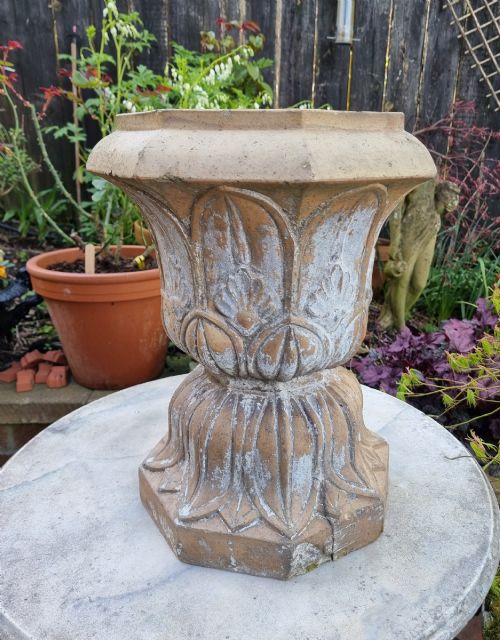
Stone workers carved marble, alabaster, and stone into vessels and matching columns, selecting variegated and Siena blocks for decorative impact. Porcelain and terracotta versions were moulded and fired, sometimes receiving hand-painted enamel or gilt decoration.
Listings span the eighteenth to the twentieth centuries, featuring materials from cast iron and bronze to alabaster, porcelain, and terracotta.
What varies in quality
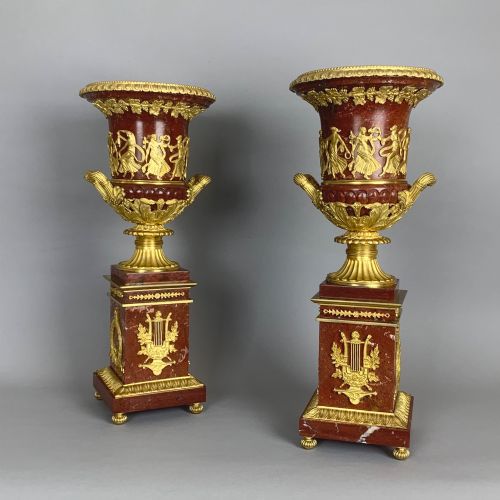
The distinction between tiers rests upon the crispness of the casting and the selection of raw materials. Fine bronze and ormolu pieces display sharp, deeply chased relief, whereas lesser examples rely on softer surface definition.
Proportion and the integration of the vessel with its pedestal dictate the visual success of the piece. Superior examples exhibit harmonious scale between the urn bowl and the supporting plinth, avoiding awkward transitions.
Falkirk Carron foundry·Coalbrookdale·Andrew Handyside·Boschetti·Ridgeways·Wedgwood·Mansfield
The Classical Urn on Pedestal Glossary
- Campana urn
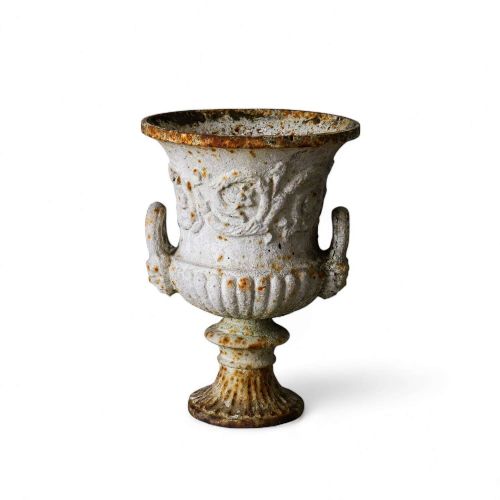
- A bell-shaped vessel with a flared rim and footed base, derived from ancient Roman pottery forms. It remains a standard silhouette in garden ornamentation.
- Ormolu
- Gilded bronze mounts applied to furniture, marble bases, and decorative vessels. The technique involves mercury amalgamation to bond gold leaf to a bronze substrate.
- Grand Tour
- The nineteenth-century practice where wealthy travellers collected classical antiquities and scale models across Italy. It spawned a flourishing market for high-quality bronze and marble replicas.
- Jasperware
- A type of fine stoneware developed by Josiah Wedgwood, characterised by a matte coloured body and applied white neo-classical reliefs. Blue is the most common ground colour encountered on these pieces.
Classical Urn on Pedestal: Frequently Asked Questions
Where should I place a classical urn on pedestal?
Large cast iron or terracotta versions suit formal gardens, terraces, and entranceways where weather-resistant materials endure. Bronze and marble pieces find a natural home inside libraries, hallways, and living spaces upon appropriate tables or columns.
Scale dictates placement because these objects draw the eye immediately. Pairing an urn with a matching plinth creates a strong vertical accent in empty corners.
How do I identify a Grand Tour piece?
Grand Tour items typically date from the nineteenth century and utilise materials like Siena marble, patinated bronze, and ormolu. They are scale reductions of famous antiquities encountered by travellers in Italy.
These pieces prioritise refined decorative detail over utility. They often feature classical friezes and architectural motifs associated with Roman archaeology.
Are cast iron urns suitable for outdoor use?
Nineteenth-century foundry pieces in cast iron were engineered for permanent garden display. Over decades, they develop a stable weathered patina that protects the underlying metal.
Proper drainage inside the bowl ensures the iron remains structurally sound through winter frosts. Period examples often sit on matching stone plinths to keep moisture away from the base.