
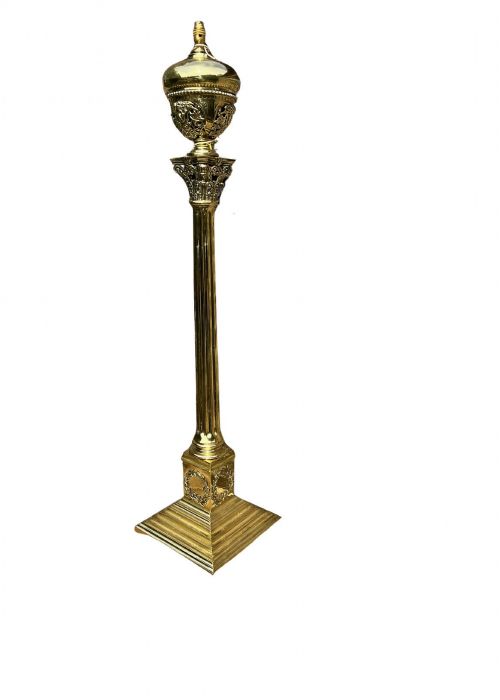


Classical Urn Lamp Base
These classical urn lamp base pieces combine ancient architectural dignity with period lighting forms, bringing structured elegance to any room.
Classical Urn Lamp Base
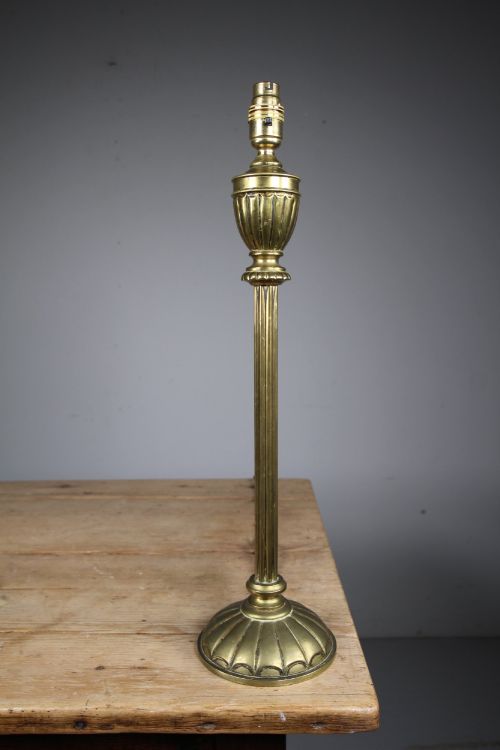
A classical urn lamp base takes its primary form from ancient vessel shapes, adapted during various revival periods to hold electrical fittings. These pieces draw heavily on Neoclassical, Classical Revival, and Louis XVI design idioms, utilising classical motifs such as handles, swags, and architectural bases.
The selections encountered here span from the Victorian era and Edwardian periods through to the 1920s and 1940s. Table lamps dominate the offerings, appearing singly or in matched pairs alongside occasional standard lamp formats.
Makers and manufacturers during these periods reinterpreted ancient archaeological discoveries for domestic interiors, producing heavy stone vessels mounted with metalwork or cast metal bodies designed to resemble antiquity.
Materials and construction
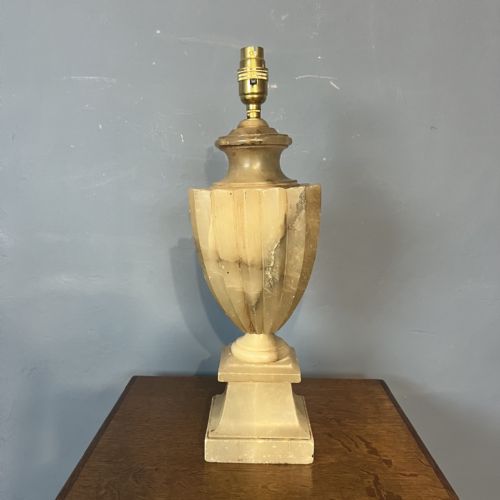
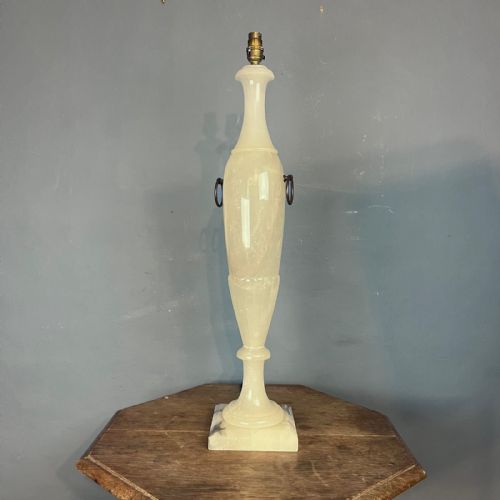
Construction relies heavily on carved natural stones such as alabaster, white onyx, and marble, often paired with cast metals including brass, bronze, gilt bronze, ormolu, and gilt metal. These heavy mineral bodies provide the necessary ballast for tall lighting configurations.
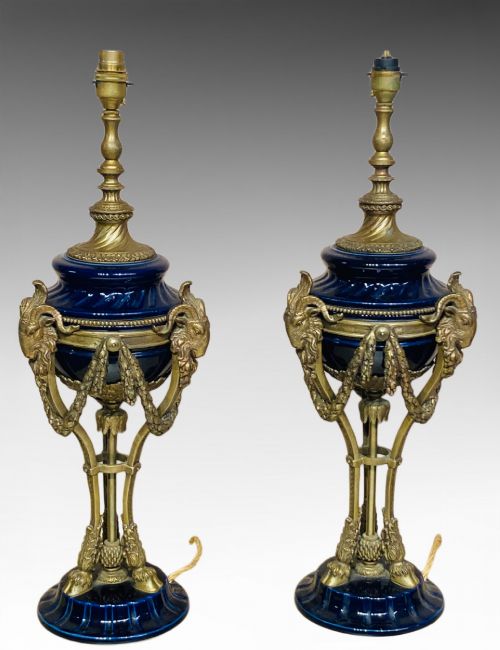
Metal components are frequently cast with intricate surface ornamentation, incorporating classical masks, cherubs, or foliate mounts secured to stone plinths. Surface treatments range from polished brass and silver plating to applied gilding and painted finishes simulating green marble.
Assessing quality and execution
Quality rests primarily in the crispness of the casting work on mounts and handles, alongside the purity and translucency of the carved stone bodies. Finer examples display sharp chasing on the bronze and ormolu elements rather than soft, blurred surface details.
The architectural proportions of the urn relative to its base and mountings dictate visual success, with superior pieces maintaining classical balance and harmonious integration between the stone vessel and its metal mounts.
Harrison Brothers And Howson
The Classical Urn Lamp Base Glossary
- Ormolu
- Gilded bronze, typically mercury-gilded, applied to furniture and decorative objects in French classical styles. This technique creates a rich, deep golden lustre that distinguishes higher-end metalwork.
- Alabaster
- A fine-grained, translucent stone used extensively for carved vessels and lamp bodies during the Edwardian period. It allows light to diffuse softly through the stone when placed near a light source.
- Neoclassical
- A style spanning the eighteenth and nineteenth centuries that revived the architectural and decorative motifs of ancient Greece and Rome. It emphasises symmetry, straight lines, and classical proportions.
- Spelter
- A zinc alloy used as a less expensive substitute for bronze in decorative figures and lamp bases, often painted or electroplated to resemble superior metals.
Classical Urn Lamp Base: Frequently Asked Questions
How do I date an alabaster lamp?
Dating relies on examining the wiring methods, the composition of the base mounts, and stylistic cues from the Edwardian or interwar periods. Manufacturers often utilised heavy turned alabaster alongside simple brass or bronze fittings typical of early twentieth-century production.
Closer inspection of any maker marks or the oxidation patterns on internal metal rods helps confirm whether a piece belongs to the Victorian era or later decades.
Are these lamps sold as pairs?
Many listings comprise matched pairs of urns converted for lighting, though single table lamps also appear frequently. Pairs usually share identical stone veining or cast bronze mounts, though slight variations can occur in hand-finished pieces.
Collectors seeking symmetry look for matching heights and identical patination across both metal and stone components before committing to a pair.
What maintenance do alabaster bases need?
Alabaster is a relatively soft and porous stone that requires gentle dry dusting with a soft cloth rather than chemical cleaning agents. Moisture can easily stain the surface or degrade the polished finish, so water should be avoided entirely.
Keeping the lamp away from direct sunlight and damp environments preserves the natural translucency and structural integrity of the carved stone.
How were these urns originally used?
These pieces began life as decorative neoclassical urns or garnitures before being drilled and fitted for electricity during the late nineteenth or early twentieth centuries. The conversion process allowed Victorian and Edwardian households to display classical art forms with modern illumination.
They served as grand table lamps in formal reception rooms, adding vertical weight and classical authority to dark wood sideboards and console tables.