


Classical Style Mirror
A classical style mirror brings architectural balance and reflective light to a room, drawing on centuries of revival design from Regency to Adam aesthetics.
Classical Style Mirror
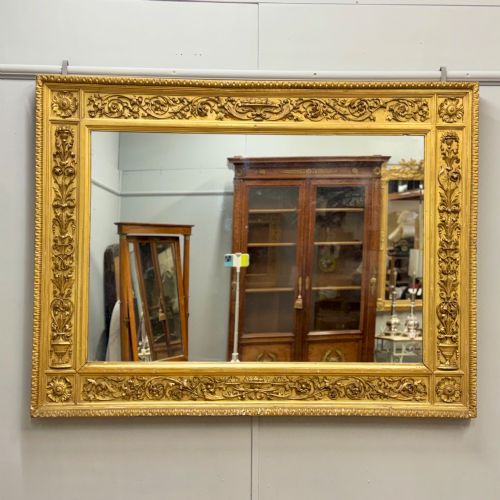
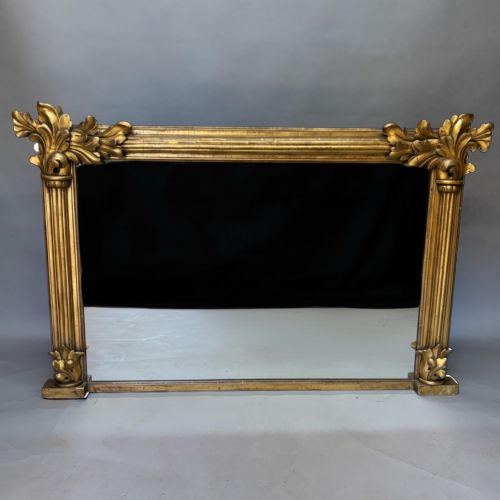
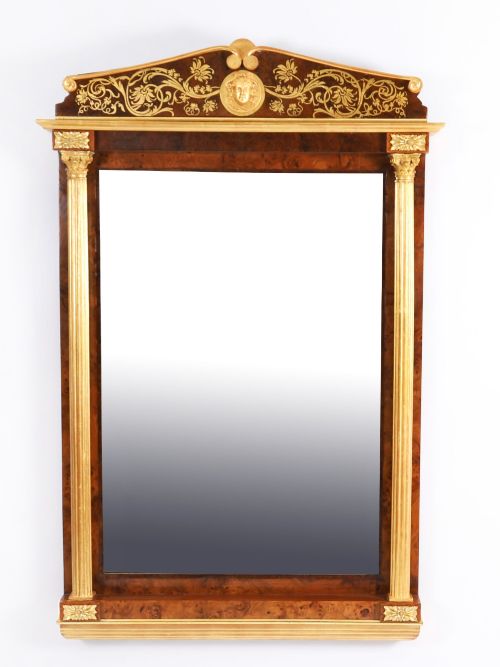
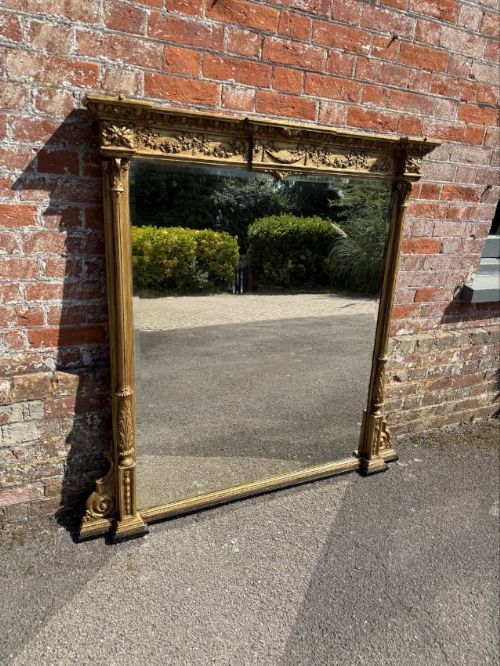
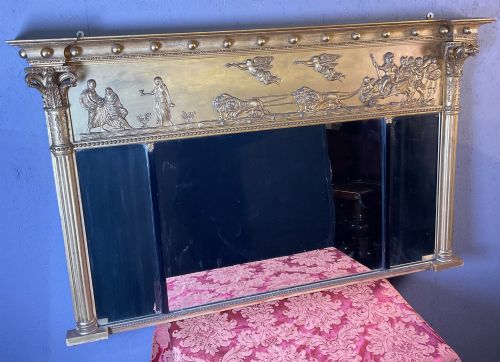
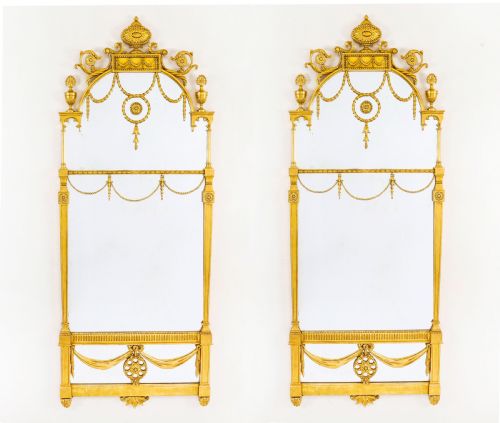
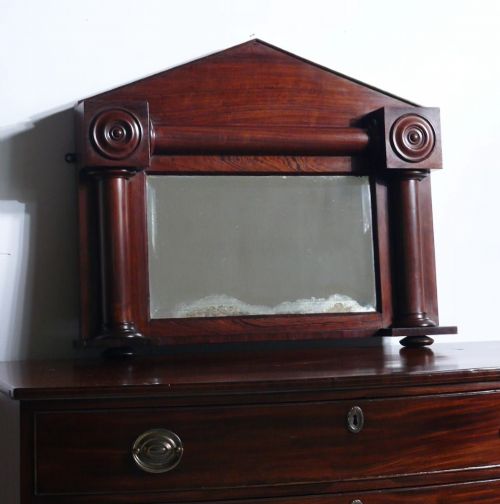
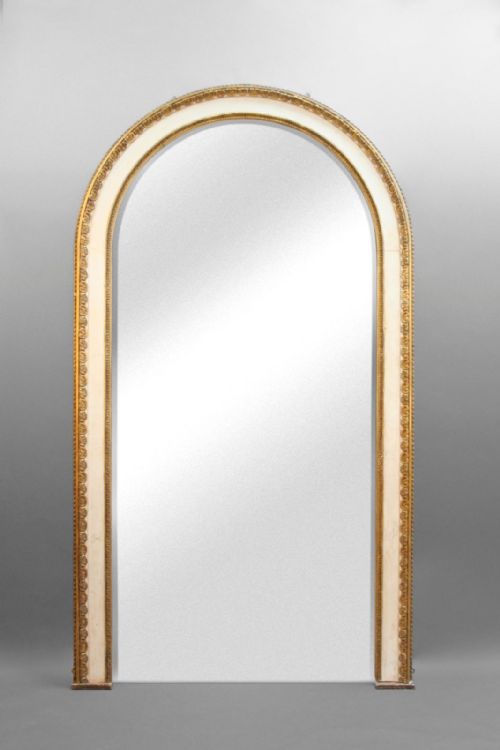
A classical style mirror encompasses large overmantels, tall pier mirrors, and wall-hanging pieces produced across the nineteenth and twentieth centuries. Buyers seeking these items encounter numerous giltwood and gesso frames echoing earlier Regency and Neoclassical vocabularies.
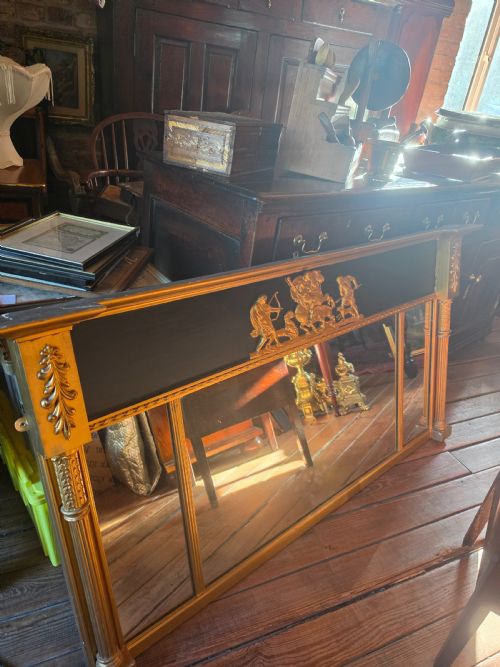
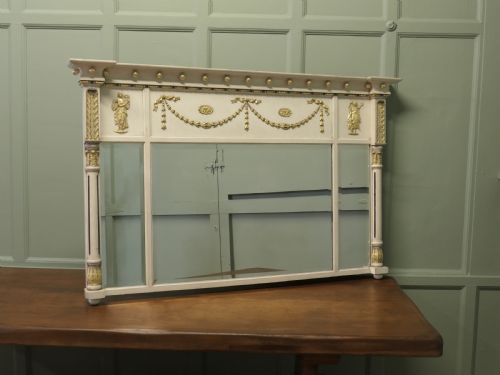
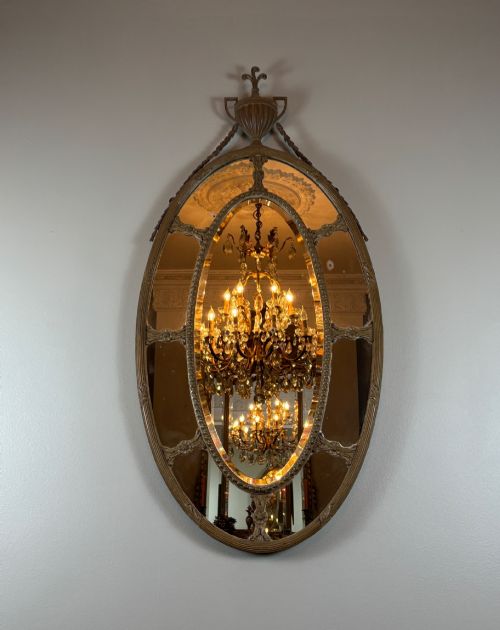
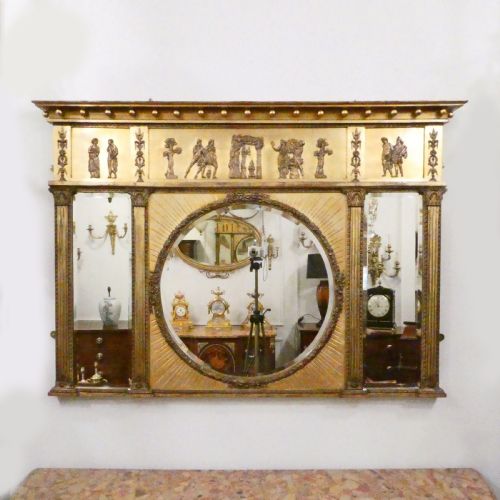
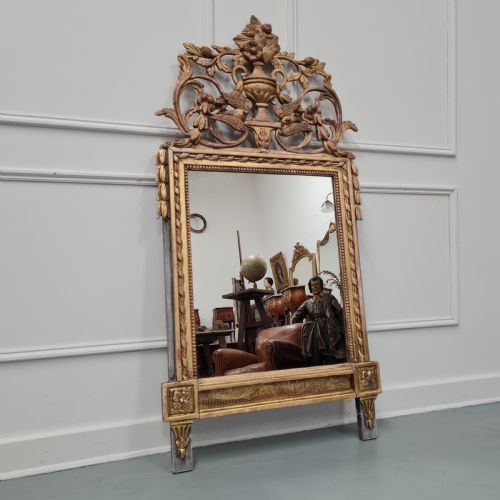
The selection frequently includes triple-plate overmantel mirrors designed to sit above a fireplace, alongside French Empire trumeau pieces and oval wall mirrors adorned with urns and swags.
How they were made
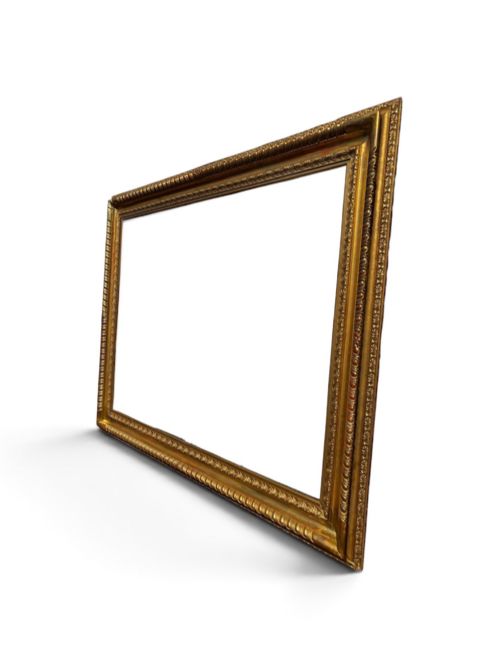
Frames are constructed from carved wood, burr walnut, flame mahogany, or painted timber, often finished with applied composition ornaments and gold leaf. Gesso is moulded over wooden bases to create crisp architectural details like columns, swags, and urn motifs.
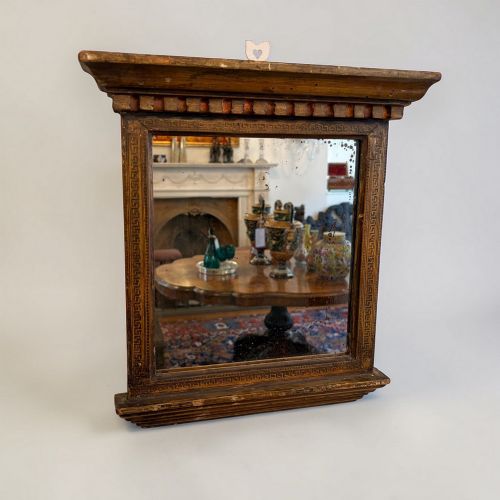
Mirror plates include antique glass options, some exhibiting crackle finishes or bevelled edges held within heavy gilded wooden structures.
Classical Style Mirror Retail Price Guide 2026
Typical asking prices for classical style mirror among the pieces listed under this phrase on Sellingantiques today, from the lower quarter to the upper quarter. They describe what is for sale here now, not the wider market.
Some nineteenth-century French mirrors carry the label of a marriage mirror, once traditionally given to celebrate a wedding.
What varies in quality
The standard of carving and the crispness of the moulded gesso separate standard production from finer pieces. Deeply undercut wooden foliage and finely rendered composition details distinguish better examples.
The integrity of the original gilding and the preservation of the mirror glass plates also influence the overall calibre of the object.
The Classical Style Mirror Glossary
- Giltwood
- Wood that has been coated with gold leaf or metal leaf. This finish provides the bright, reflective surface characteristic of formal period frames.
- Gesso
- A plaster-like mixture applied to wood bases and carved or moulded into decorative relief. It forms the base for gilding on many nineteenth-century frames.
- Overmantel mirror
- A wide mirror designed specifically to hang above a fireplace mantelpiece. These often feature multiple glass plates and horizontal proportions.
- Trumeau mirror
- A decorative wall mirror incorporating a painted or carved panel above the glass. Originating in France, they often integrated into interior wood panelling.
- Pier mirror
- A tall, narrow mirror designed to hang on the wall space between windows. They frequently match console tables placed directly below them.
Classical Style Mirror: Frequently Asked Questions
Where should I hang an overmantel mirror?
These large mirrors sit naturally directly above a fireplace mantelpiece to reflect light and anchor the room's proportions.
Ensure the wall fixings match the substantial weight of the carved wood and gesso frame.
How do I identify a Regency style frame?
Regency frames often incorporate classical architectural elements such as reeded columns, ball details, and gilt finishes.
Many examples date from later nineteenth-century revivals rather than the original Regency period.
Are triple-plate mirrors original?
Many nineteenth-century overmantel mirrors utilise three separate glass plates joined within the frame to achieve a wide span.
Check the silvering and backing boards to understand the history of the glass.
How do I care for antique giltwood?
Dust the carved surfaces gently with a dry, soft brush to protect the delicate gold leaf and gesso ornamentation.
Avoid liquid cleaners and moisture, which can damage the historical finish.