






Classical Style Cabinet
A classical style cabinet brings balance and order to a room, offering refined storage shaped by enduring architectural principles.
Classical Style Cabinet
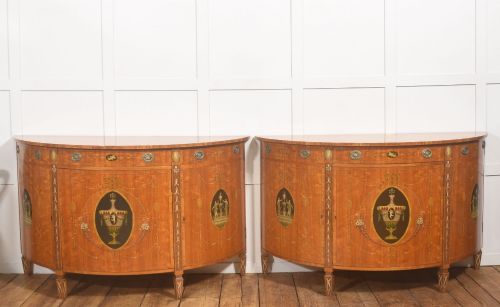
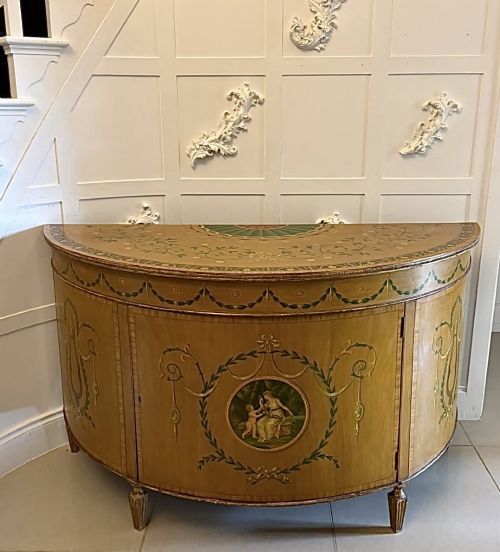
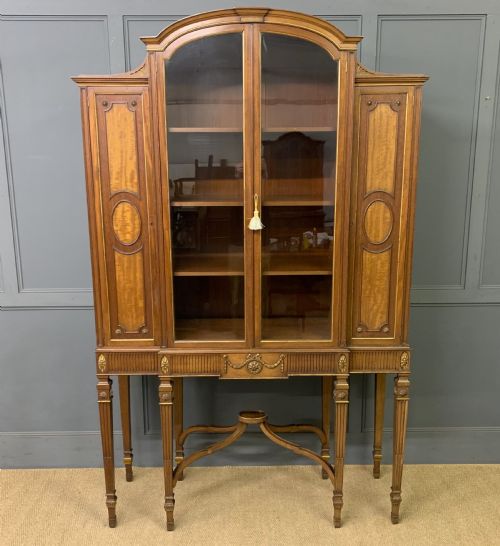
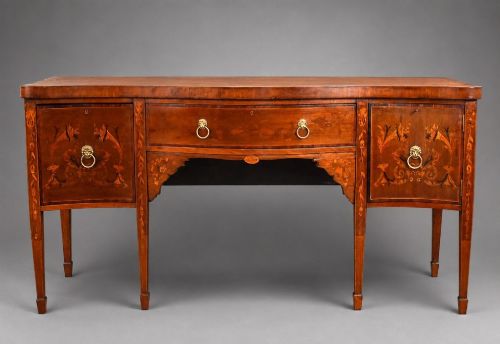
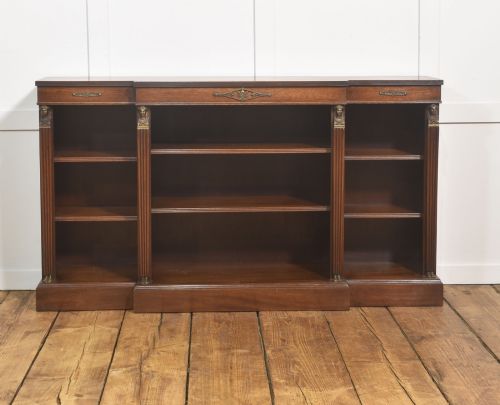
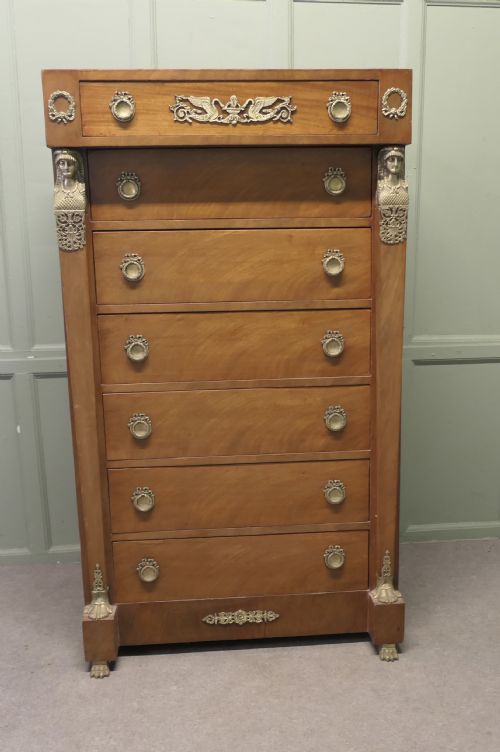
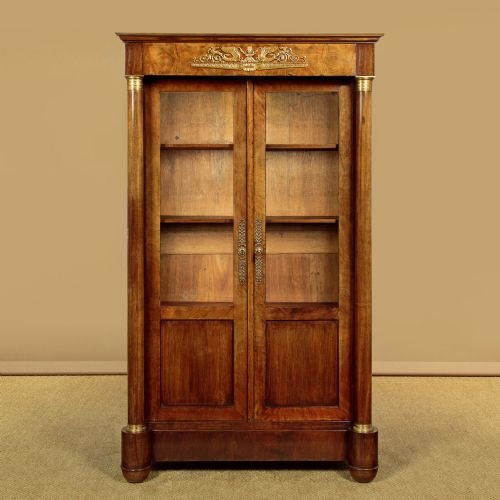
A classical style cabinet encompasses side cabinets, display cases, bookcases, and commodes produced across the nineteenth and early twentieth centuries. These furnishings draw on Regency, Georgian, and French Empire idioms, often filtering classical design through later revivals.
The most frequent form on this page is the satinwood or mahogany side cabinet or display case, frequently displaying Sheraton Revival inlay or Neoclassical painted panels. Pieces range from tall breakfront bookcases to compact bedside commodes.
Origins span English cabinet makers, French workshops, and Italian makers, with dates stretching from the Georgian period through the Edwardian era. Buyers encounter both strict nineteenth-century examples and later revival interpretations from the early nineteen-hundreds.
Judging execution and finish
Quality rests on the crispness of the inlay and the precision of the timber joints rather than age alone. Hand-painted panels and finely chased ormolu mounts elevate specific pieces above standard production models.
Proportion and material selection dictate the visual weight of the furniture. Superior examples maintain balanced lines and employ high-grade veneers that age uniformly across the surface.
Classical Style Cabinet Retail Price Guide 2026
Typical asking prices for classical style cabinet among the pieces listed under this phrase on Sellingantiques today, from the lower quarter to the upper quarter. They describe what is for sale here now, not the wider market.
Several bookcases conceal their contents behind clever leather dummy books disguised as real volumes.
Waring and Gillow·Pietro Ferrario·Jean-Henri Riesener·Thomas Hope
The Classical Style Cabinet Glossary
- Ormolu
- Gilded bronze used for decorative mounts on furniture. This technique imparts a rich metallic accent to mahogany and walnut carcases.
- Marquetry
- Inlaid patterns formed from different coloured woods fitted into a veneer. Craftsmen use this method to create elaborate geometric or pictorial scenes.
- Commode
- A low cabinet or chest with doors or drawers. Originally designed for formal rooms, these pieces often feature serpentine fronts and painted panels.
- Demi-lune
- Half-moon shape in furniture design. This semicircular form appears frequently on side cabinets and commodes designed to sit flush against a wall.
Classical Style Cabinet: Frequently Asked Questions
Where should I place a classical style cabinet?
These cabinets suit reception rooms, libraries, and hallways where their architectural proportions anchor the space. Side cabinets and commodes function well against plain walls that allow painted panels and marquetry to stand out.
Tall bookcases and display cabinets require adequate vertical clearance and careful positioning away from direct sunlight to protect sensitive wood finishes and painted surfaces.
How do I care for antique satinwood and mahogany?
Maintenance involves dusting with a soft, dry cloth and avoiding modern chemical polishes that build up residue over time. Maintaining stable room humidity prevents the timber and delicate veneer work from cracking.
Wax polish applied sparingly once or twice a year preserves the sheen on mahogany and satinwood surfaces without harming older finishes.
How do I distinguish between Regency and revival pieces?
Original Regency pieces exhibit construction methods, timber patination, and hardware specific to the early nineteenth century. They carry the structural wear consistent with active use over two centuries.
Revival pieces, produced around nineteen hundred or later, often blend stylistic elements from multiple earlier decades while employing cleaner, more uniform internal construction.