



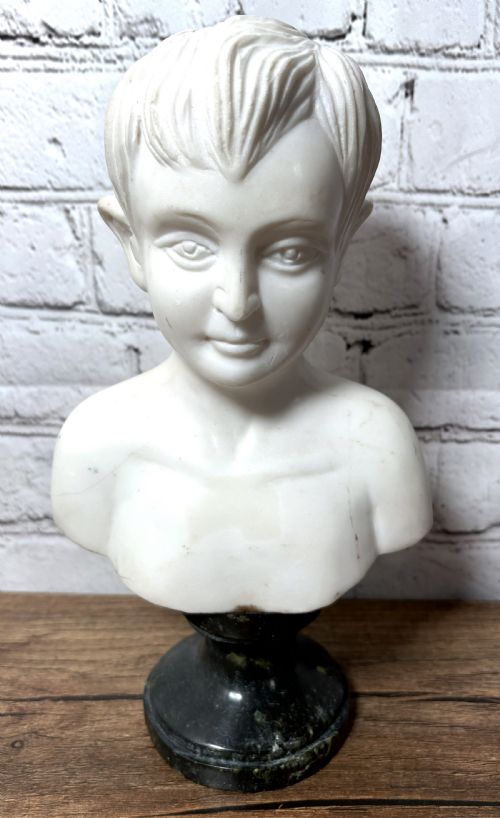

Classical Stone Portrait
A classical stone portrait brings the grave dignity of antiquity into a room through carved marble, alabaster and hardstone.
Classical Stone Portrait
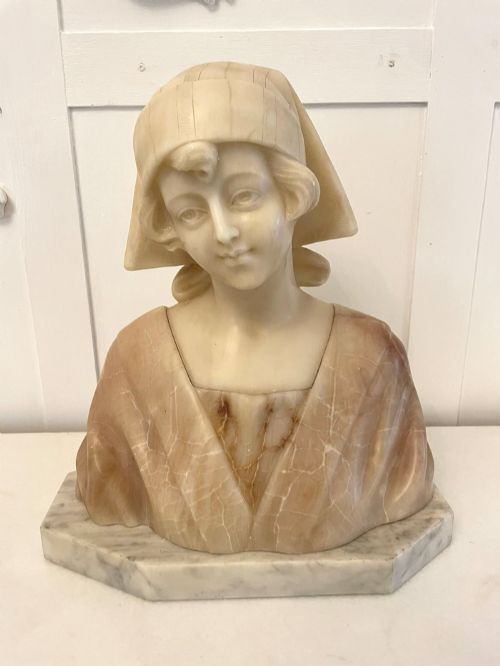
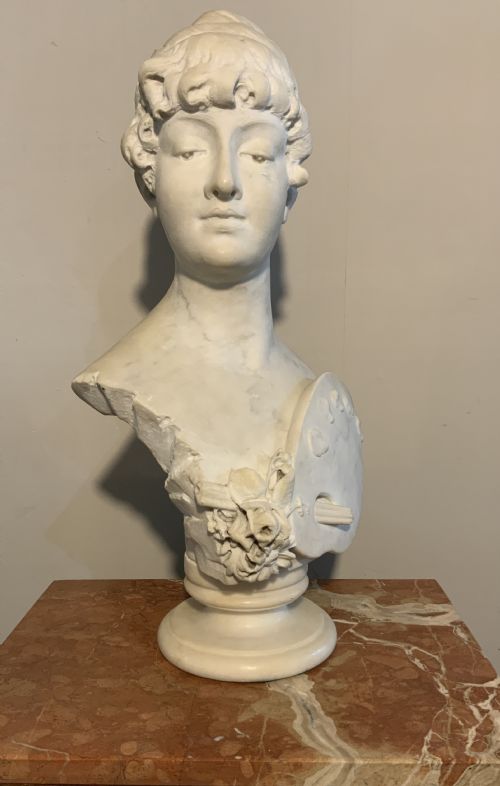
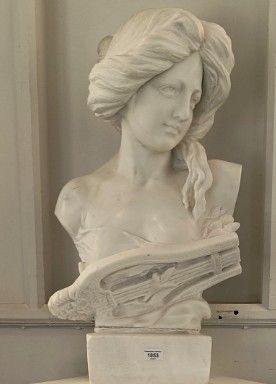
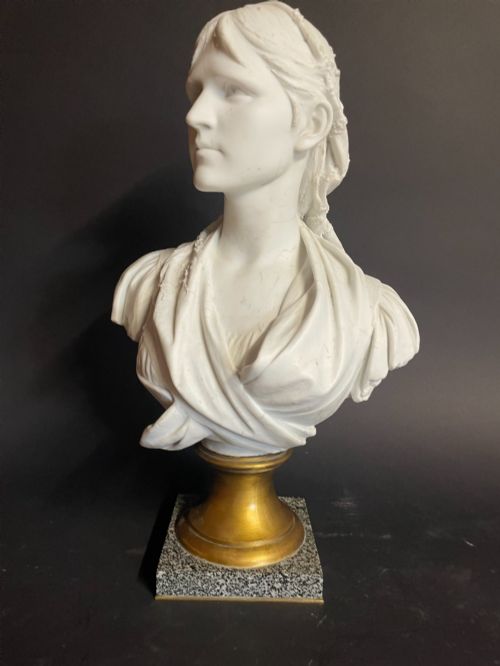
A classical stone portrait is a sculptural representation of a human subject, typically rendered as a bust, head, relief or carved gem inspired by ancient models. These pieces draw on neoclassical, Victorian and baroque revivals, translating historical figures, mythological subjects and private sitters into enduring media.
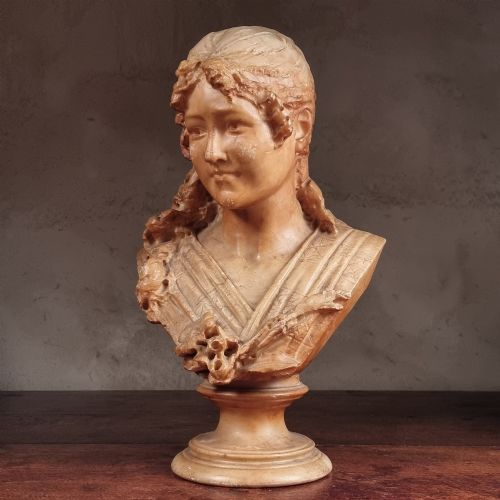
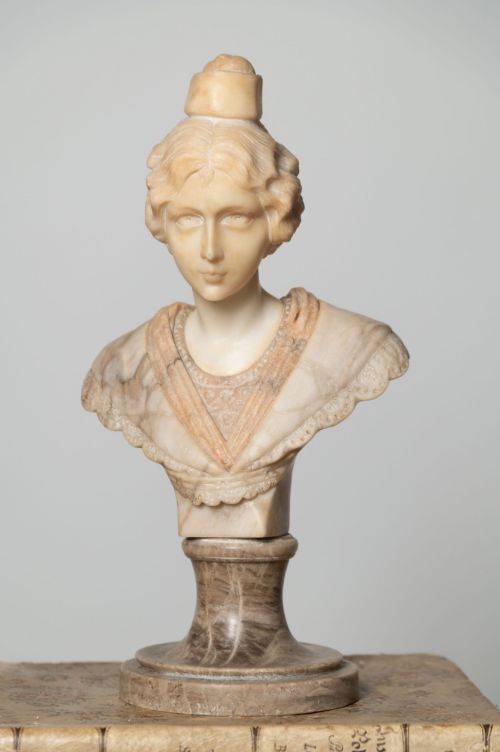
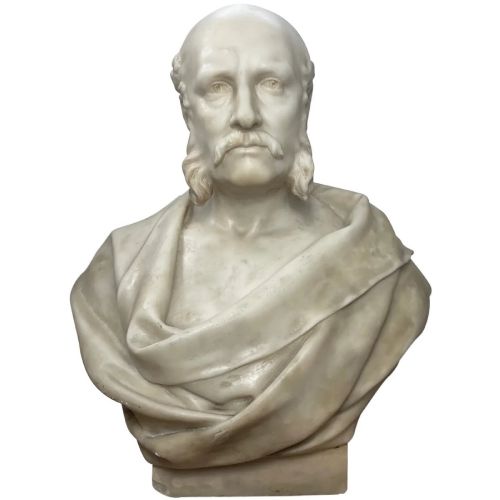
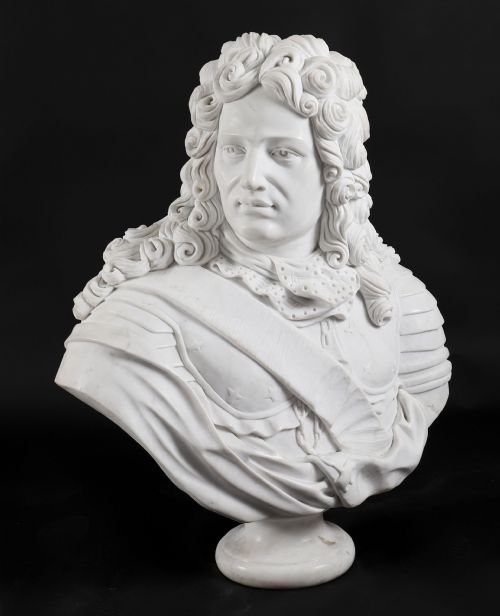
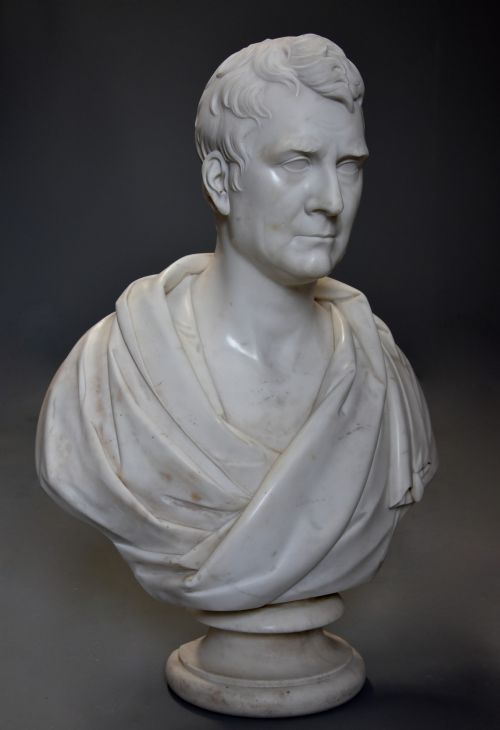
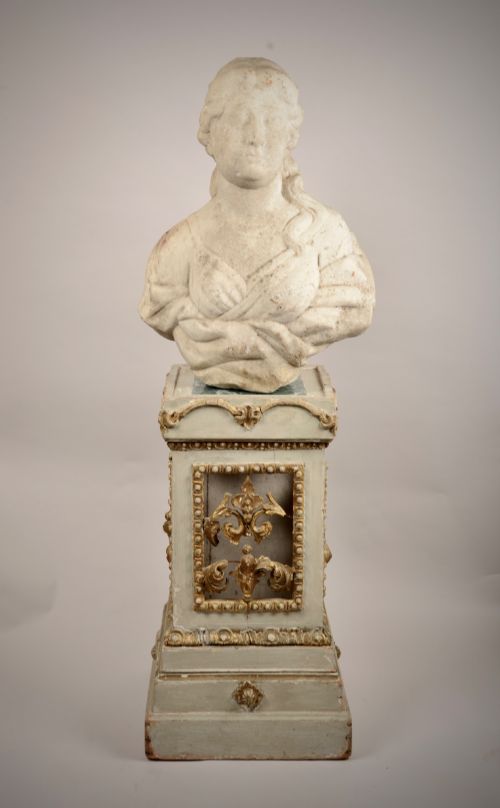
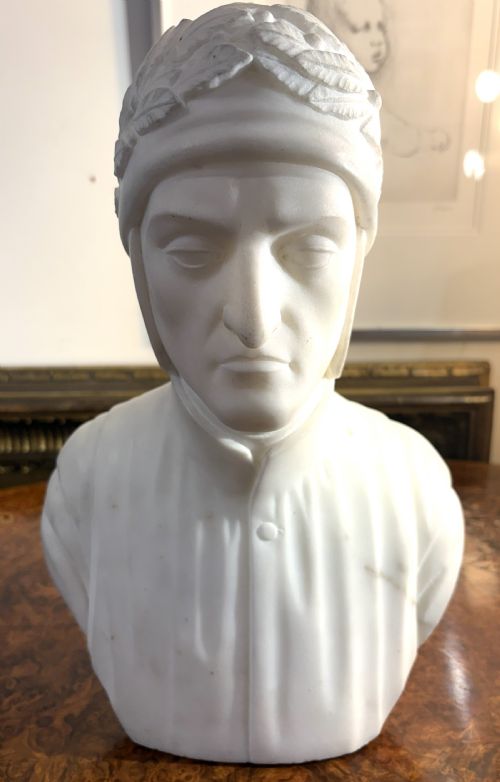
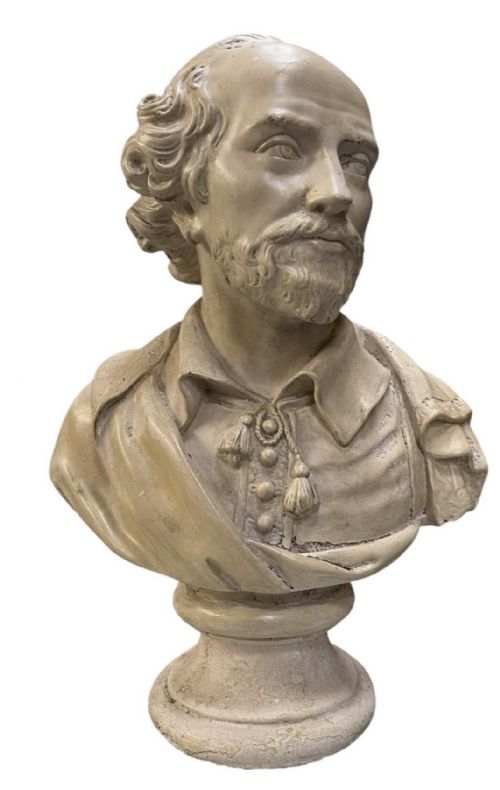
The versions most frequently encountered on this page are nineteenth-century marble and alabaster busts depicting noblemen, literary figures, young women and classical emperors. Alongside larger sculptural works, smaller items such as hardstone intaglio rings and lava cameo bracelets also appear.
Originating largely from British, French and Italian workshops, these portraits served as scholarly ornaments for libraries, grand tour souvenirs and public monuments. They bridge antiquity and later decorative arts, offering a tangible link to historical portraiture traditions.
How They Were Made
The primary materials recorded in these listings are marble, including white and Carrara varieties, alongside translucent alabaster, hardstone, lava stone and plaster. Sculptors worked these stones using chisels, rasps and drills to achieve lifelike skin textures, draped fabrics and detailed hair.
Miniature portraits utilised contrasting layers of hardstone and shell, carved meticulously by hand to set intaglios into gold rings and mount cameos onto bracelets. Larger sculptural commissions often involved pointing machines to transfer measurements from clay models into solid stone blocks.
Classical Stone Portrait Retail Price Guide 2026
Typical asking prices for classical stone portrait among the pieces listed under this phrase on Sellingantiques today, from the lower quarter to the upper quarter. They describe what is for sale here now, not the wider market.
Listings feature sculptural works rendered in white marble, Carrara marble, alabaster, hardstone, plaster and lava stone across the eighteenth, nineteenth and early twentieth centuries.
What Varies in Quality
The selection of the raw material dictates much of the visual success, with pure Carrara marble or fine-grained alabaster offering a depth that cheaper plaster or impure stone cannot match. Signed works by documented sculptors carry a distinct level of craftsmanship that elevates them above anonymous workshop production.
J Francis·Raffaelo Monti·John Wenlock Rollins·Mieczyslaw Leon Zawiejski·Antonio Rossellino·Kasper Hendrik Roskam
The Classical Stone Portrait Glossary
- Bust
- A sculpted representation of a person from the chest or shoulders up. This format dominates sculptural selections on this page.
- Intaglio
- A gem or stone carved with a depressed design so that an impression can be raised in relief. These are commonly found set into antique rings.
- Neoclassical
- An artistic revival of classical Greek and Roman styles spanning the eighteenth and nineteenth centuries. It prioritises proportion, restraint and heroic subjects.
- Alabaster
- A soft, fine-grained stone used frequently for sculptural busts due to its translucency and ease of carving. It responds well to polished finishes.
- Cameo
- A method of carving an object such as a gemstone or lava stone so that a raised relief image stands out from a background. They frequently appear in Victorian jewellery on this page.
Classical Stone Portrait: Frequently Asked Questions
What periods do these pieces come from?
The inventory spans several centuries, reaching from the seventeenth century through the Georgian and Victorian eras into the early twentieth century.
Nineteenth-century pieces dominate the selection, reflecting a strong Victorian and neoclassical interest in historical portraiture.
How were marble busts displayed originally?
These sculptures were designed for domestic and public display, often placed upon dedicated pedestals, library bookcases or architectural brackets.
In period interiors, they functioned as scholarly ornaments that signalled the owner's classical education and refined taste.
Are all these portraits made of marble?
While white and Carrara marble are the most common materials, the listings also include translucent alabaster, hardstone, plaster and lava stone.
Smaller wearable pieces utilise hardstone and shell for intricate intaglio and cameo work mounted in gold.
How do I identify a signed portrait?
Sculptors often incised their signatures, dates or foundry marks directly into the base, truncation or rear of the stone or plaster.
Some works also reference historical masters or antique prototypes from which the sculptor drew direct inspiration.