

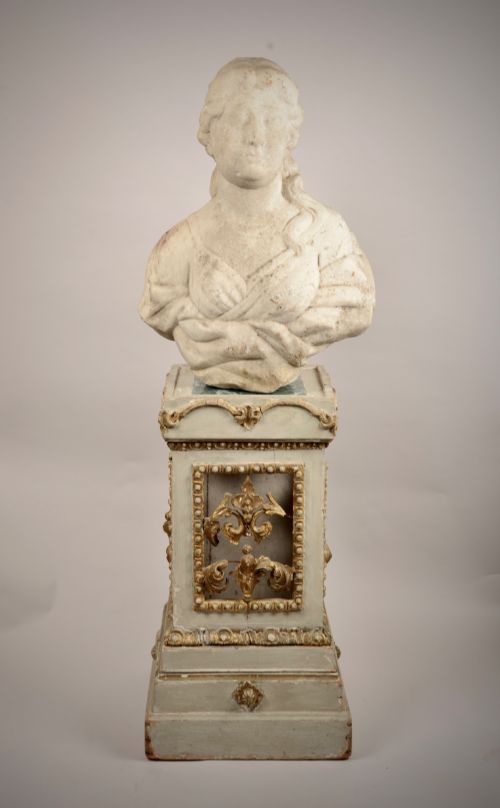


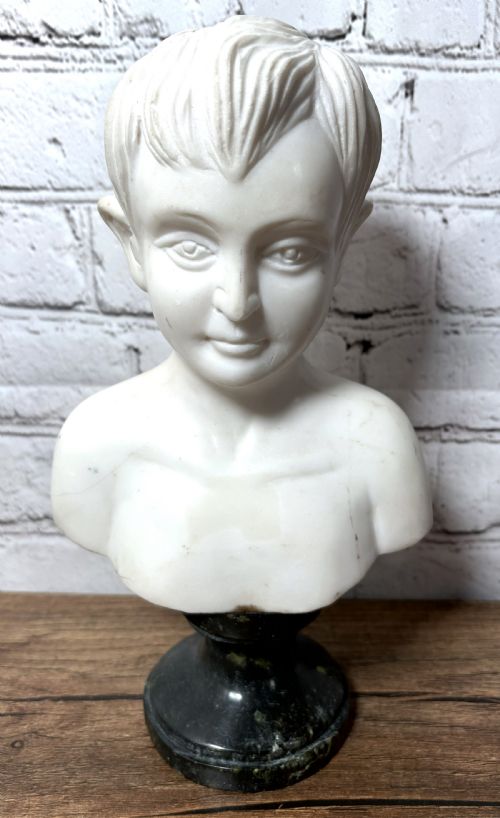


Classical Stone Portrait Head
A classical stone portrait head brings the gravitas of antiquity and the grand tour into a private room.
Classical Stone Portrait Head
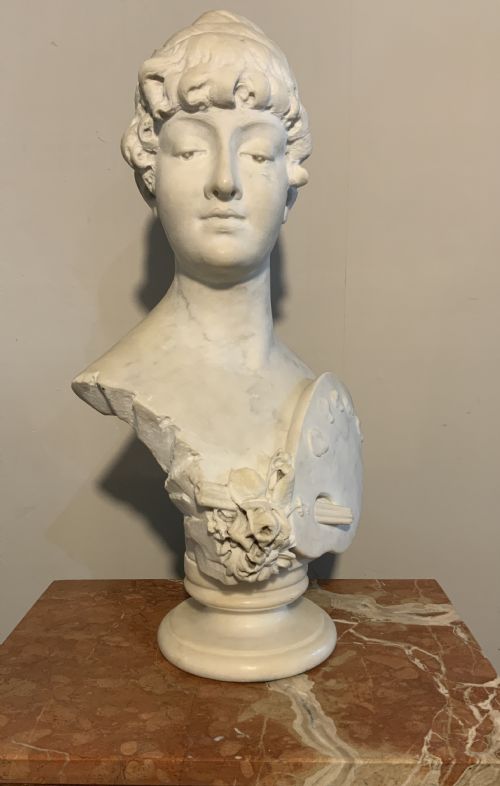
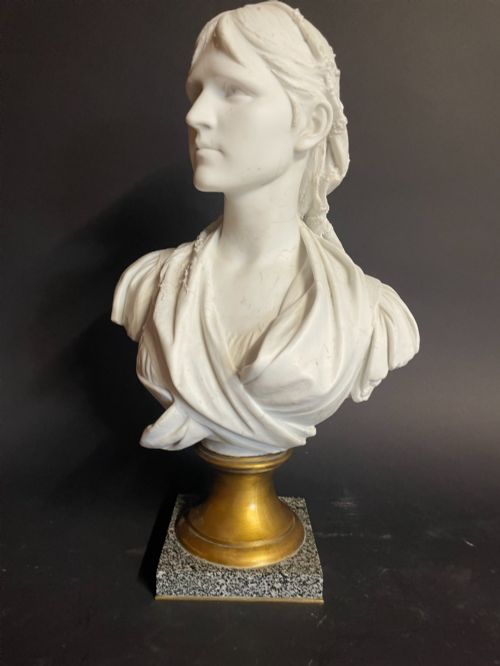
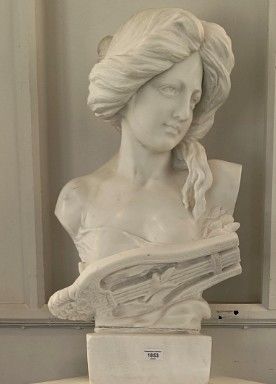
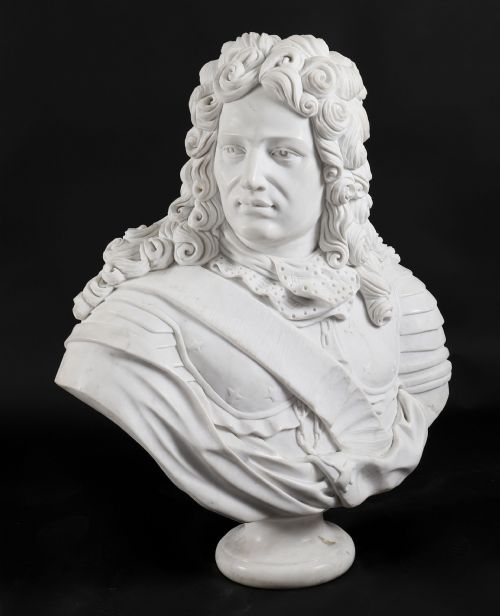
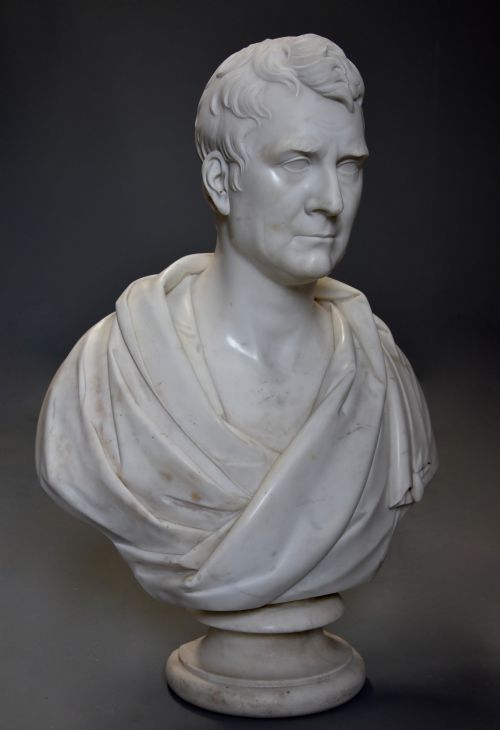
When you search for a classical stone portrait head, you are looking at sculpted representations of historical figures, mythological characters, and unknown gentlemen or ladies rendered in durable minerals. These objects range from monumental civic depictions to library-sized studies meant for domestic display. The pieces met most often on this page date from the nineteenth century, reflecting a Victorian appetite for classical revival and neoclassical sculpture.
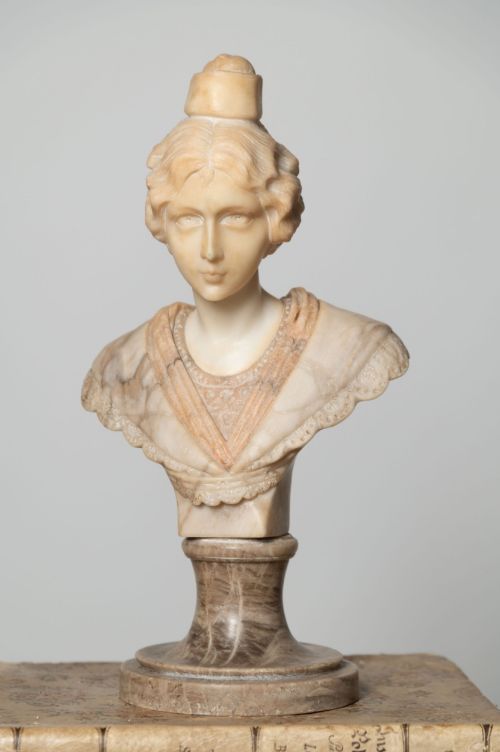
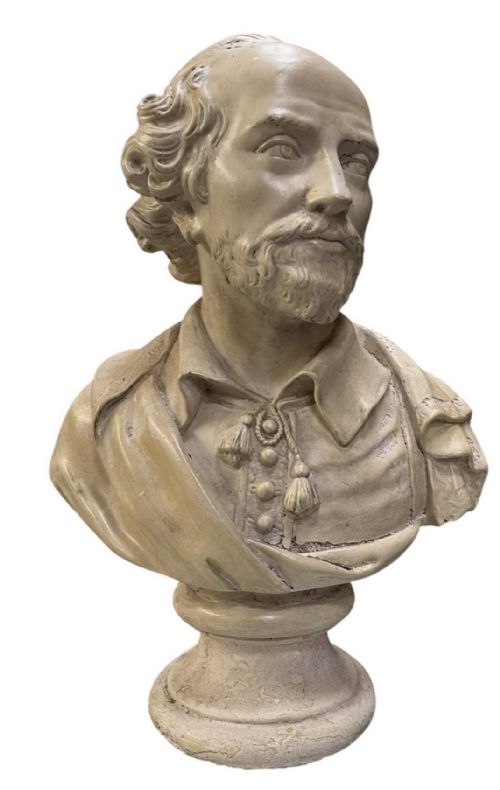
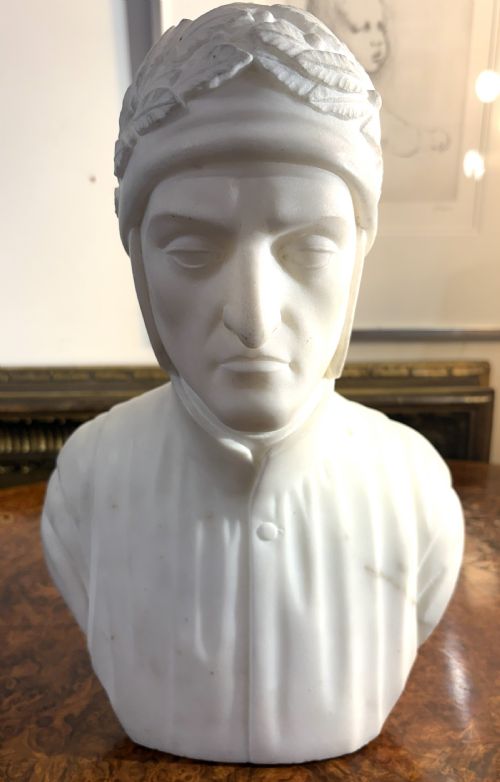
Makers drew inspiration from Roman emperors, Greek muses, philosophers, and literary figures such as Dante and Shakespeare. You will encounter subjects carved in white marble, Carrara marble, alabaster, and harder stone, alongside occasional relief sculptures and plaster casts. Many of these works channel Italian workshops or French studios, capturing the likeness of historical subjects with careful attention to expression and drapery.
How they were made
Sculptors utilised white and Carrara marble, alabaster, and general stone, shaping raw blocks through chiselling and hand-carving techniques. Master carvers often worked after famous earlier models or cast plaster studies before transferring forms into harder mineral mediums. Signatures and inscriptions occasionally appear on the truncation or rear of the bust, pointing to individual artists and named foundries.
Surface finishing involved fine abrasion and polishing to create the smooth skin textures seen on nineteenth-century library busts. Mixed marble pieces combined different mineral tones to accentuate garments or accessories, while relief sculptures concentrated profiles onto flat stone grounds.
Several stone gentlemen wear heavy antique armour while maintaining a calm, unbothered expression.
What varies in quality
The degree of anatomical precision and depth of expression separate standard decorative carvings from superior portraiture. Master carvers captured subtle shifts in musculature, lifelike hair strands, and the texture of fabric folds, whereas lesser workshop pieces rely on rigid symmetry and shallower detail.
The choice of material also dictates grade, with clean translucent Carrara marble and fine alabaster sitting above ordinary stone or painted plaster. Signed works by documented sculptors carry distinct artistic authority compared to anonymous commercial productions.
J Francis·Raffaelo Monti·John Wenlock Rollins·Mieczyslaw Leon Zawiejski·Auguste Moreau
The Classical Stone Portrait Head Glossary
- Carrara marble
- A type of white or blue-grey marble from the city of Carrara in Tuscany, prized by sculptors for its fine, uniform grain.
- Neoclassical
- A Western cultural movement drawing inspiration from the art and culture of classical antiquity, prevalent during the eighteenth and nineteenth centuries.
- Relief sculpture
- A sculptural technique where the sculpted elements remain attached to a solid background of the same material.
- Alabaster
- A fine-grained, translucent stone often used for smaller carvings and library busts due to its softness under the chisel.
- Library bust
- A smaller-scale portrait sculpture designed specifically to sit upon bookshelves or desk tops in a domestic study.
Classical Stone Portrait Head: Frequently Asked Questions
Where did people display these portrait busts?
Nineteenth-century collectors placed library busts upon bookshelves, mantelpieces, and dedicated pedestals within studies and drawing rooms. These sculptures signalled intellectual pursuits and a classical education to visiting guests.
Larger civic or monumental pieces stood in public halls, institutional libraries, and grand staircases to commemorate local figures or statesmen.
How do I tell nineteenth-century marble from earlier periods?
Nineteenth-century pieces often display the mechanical precision and bright white finish typical of Victorian neoclassical revivals and Italian export workshops. Tool marks and polishing techniques differ visibly from seventeenth-century surfaces.
Earlier seventeenth and eighteenth-century sculptures frequently show deeper weathering, different patination, and distinct chisel work associated with baroque carving methods.
Were these busts carved from life?
Only contemporary portrait commissions of living subjects were carved from life or direct sittings. Many historical subjects, such as Roman emperors or Dante, were interpreted from earlier coins, paintings, or classical statues.
Sculptors frequently worked after established models or antique prototypes to produce idealized likenesses of mythological figures and literary heroes.
What is the difference between marble and alabaster?
Marble is a metamorphic rock formed from recrystallised carbonate minerals, offering high durability and a solid, opaque appearance. Alabaster is a softer, gypsum-based mineral with natural translucency.
Alabaster allows light to penetrate slightly beneath the surface, making it popular for detailed nineteenth-century carvings of drapery and skin.