


Classical Still Life Art
Classical still life art captures rendered arrangements of fruit, flora and objects on canvas, offering enduring visual depth for interiors.
Classical Still Life Art
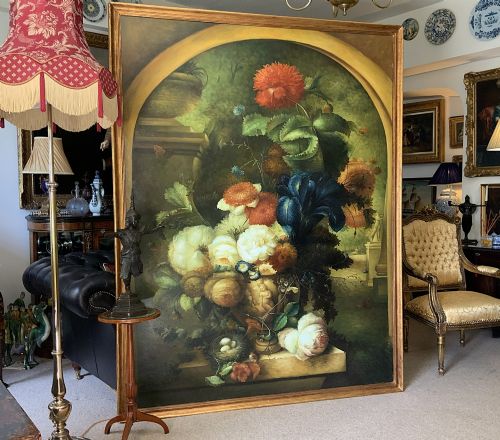
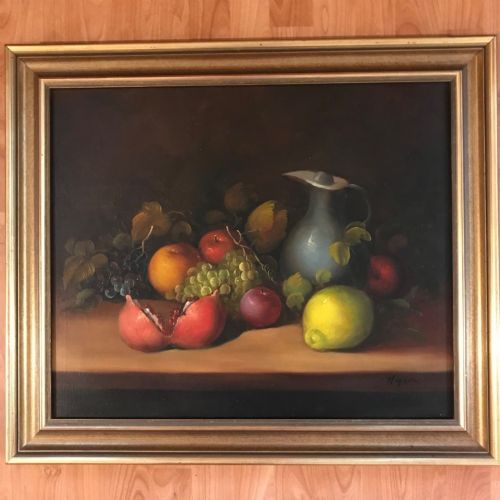
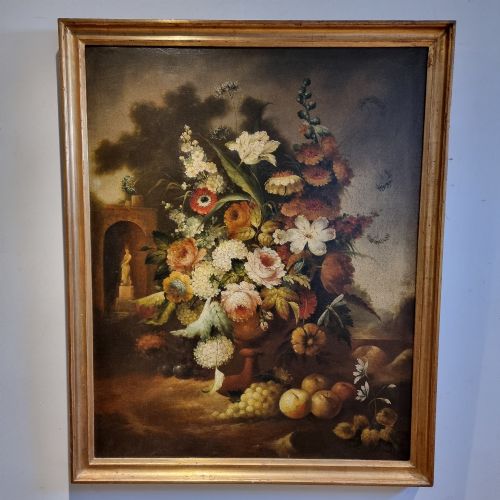
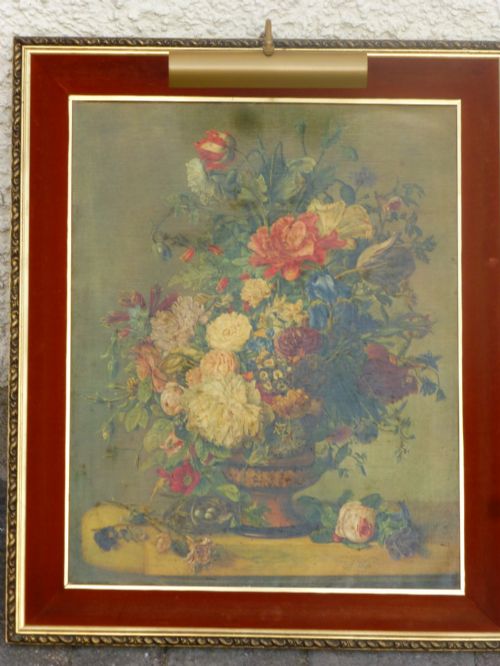
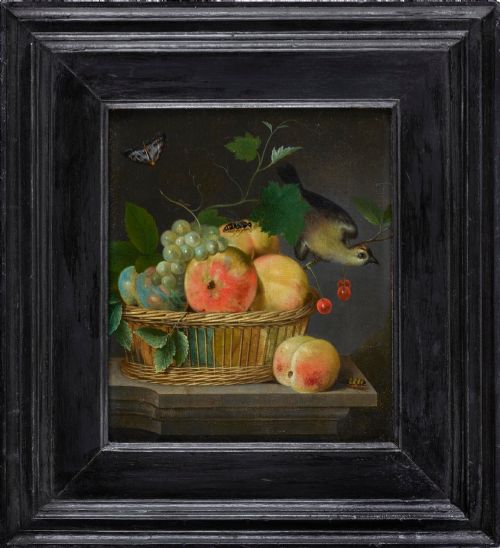
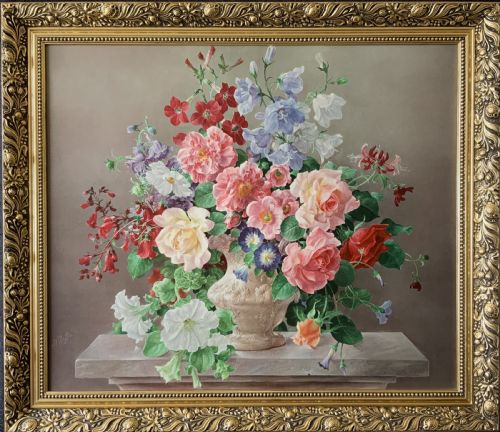
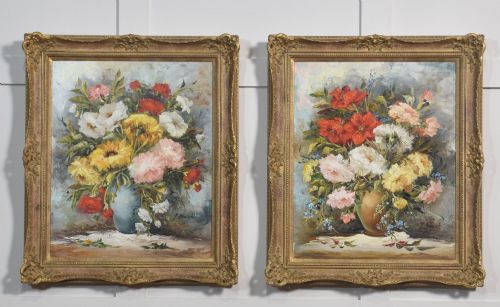
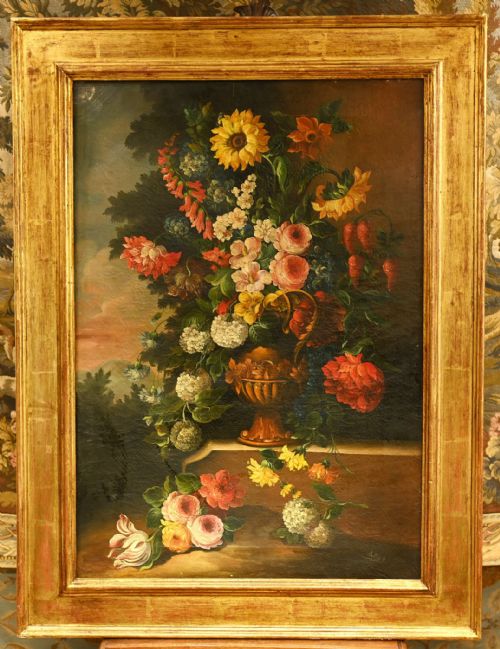
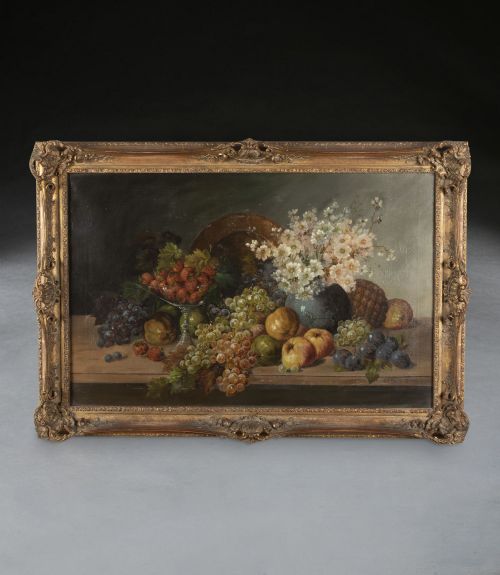
Classical still life art encompasses oil paintings and panels depicting composed subjects such as floral arrangements, fruit, and animals across various historical periods.
Pieces on this page span from the seventeenth century through to the mid-twentieth century, featuring Victorian, Edwardian, and Dutch Baroque revival styles.
Buyers encounter oil on canvas works alongside oil on panel and painted wooden supports, reflecting traditional European atelier methods.
Materials and Techniques
Makers utilised oil paint applied to canvas, wood panels, or boards, building up rich colour depth and tonal variation over time.
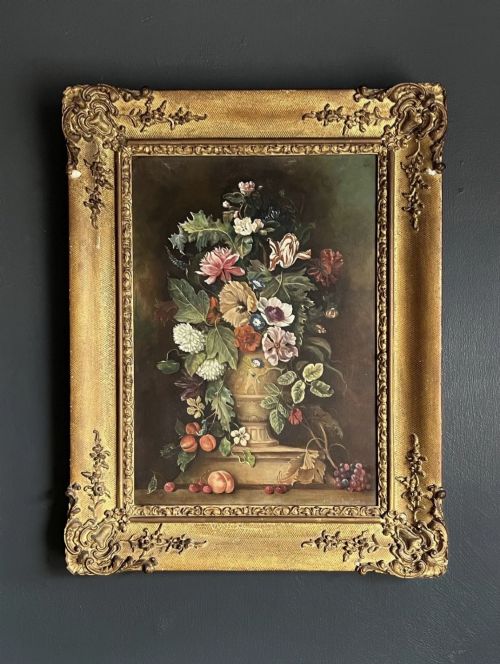
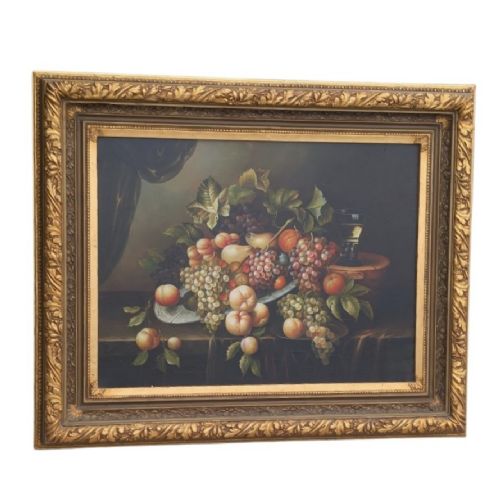
Many historical examples feature ornate frames constructed from wood with applied gesso, often gilded to complement the oil paintings within.
Among the fruit and flora, an unexpected white-fronted Amazon parrot keeps watch from the branches.
Factors Determining Quality
Compositional balance, brushwork control, and the realistic rendering of light and texture separate accomplished works from simpler decorative pieces.
The preservation of the original canvas, oil paint layer, and any associated gilt gesso frame influences the overall integrity of the piece.
Angelo Maria Crivelli·Gaspar Peeter Verbruggen·Harold Clayton·Manuela Bonati·William Duffield·Jean Baptiste Isabey·Bela Balogh·Henry Schouten·John Robertson Reid·George Lance
The Classical Still Life Art Glossary
- Oil on canvas
- Pigments bound in a drying oil medium applied to a stretched woven fabric support. This combination provides a flexible and durable surface for detailed layering.
- Gesso
- A plaster mixture used as a smooth base on wooden frames before gilding. It allows for intricate moulded relief details.
- Giltwood
- Wood carved and coated with gold leaf or metallic powder. This finish adds a reflective border to traditional paintings.
- Baroque style
- An artistic approach characterised by dramatic contrast, dynamic composition, and rich detail. It developed in seventeenth-century Europe and influenced later revival movements.
- Oleograph
- A mechanical colour lithograph reproduction designed to simulate an oil painting. These prints often exhibit a textured surface mimicking canvas weave.
Classical Still Life Art: Frequently Asked Questions
What subjects appear in classical still life art?
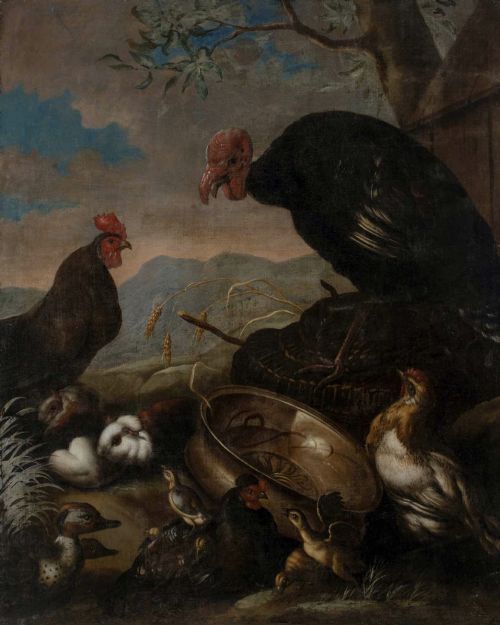
These works primarily depict arranged fruit, floral bouquets, and inanimate objects alongside occasional animals or birds. Compositions often follow traditions established by Dutch and Flemish masters.
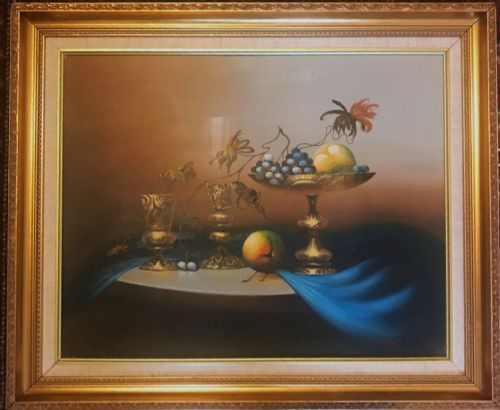
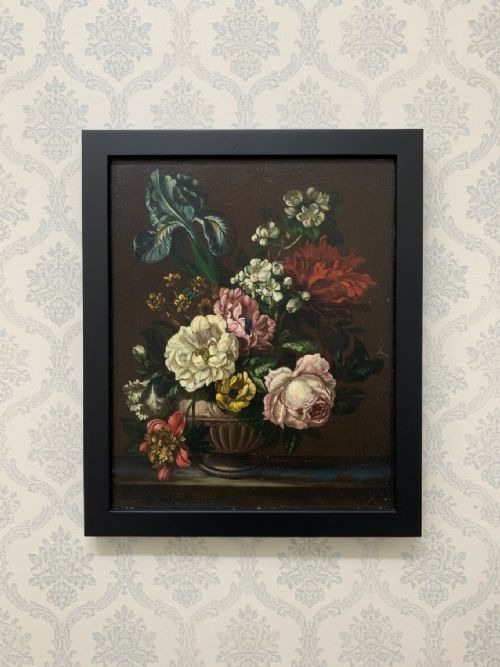
Subjects range from simple tabletop studies of apples and grapes to monumental floral displays contained within decorative urns or baskets.
How do I hang a large oil painting safely?
Large paintings require secure wall fixings distributed evenly to support the combined weight of the canvas, wooden stretcher, and heavy gilt frame. Professional mirror and picture hangers use wall studs or heavy-duty masonry anchors.
Position paintings away from direct heat sources and strong sunlight to protect the oil pigments and wooden supports over time.
How can I distinguish an original painting from a print?
Original oil paintings exhibit visible brushstrokes, impasto texture where paint sits proud of the surface, and variations in gloss across the pigment layers. Examining the canvas edge helps confirm the woven support structure.
Reproductions such as oleographs display uniform dot patterns under magnification or flat printed surfaces lacking physical paint dimension.
What framing is typical for these paintings?
Many period canvases are housed in wooden frames featuring moulded gesso and gilt finishes. These ornate borders were designed to complement the rich tones of the oil paintings.
Frames often show historical wear that matches the age of the canvas housed within them.