





Classical Sculpture Pedestal
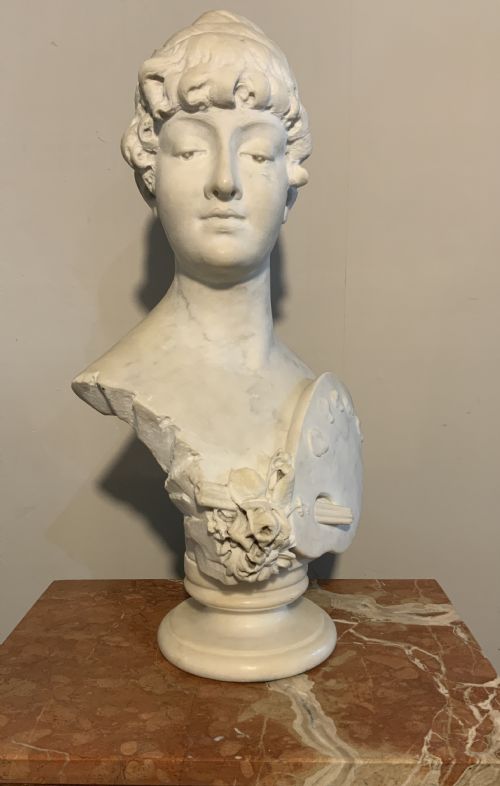
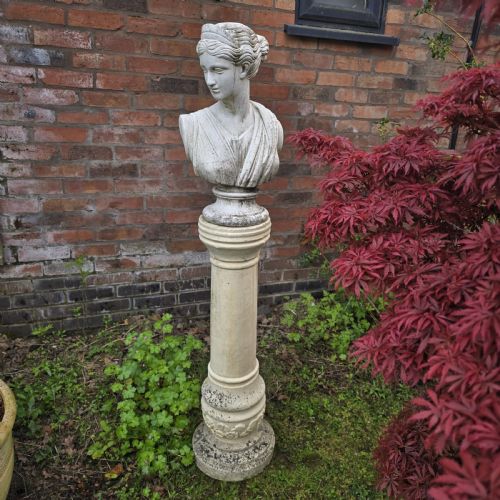
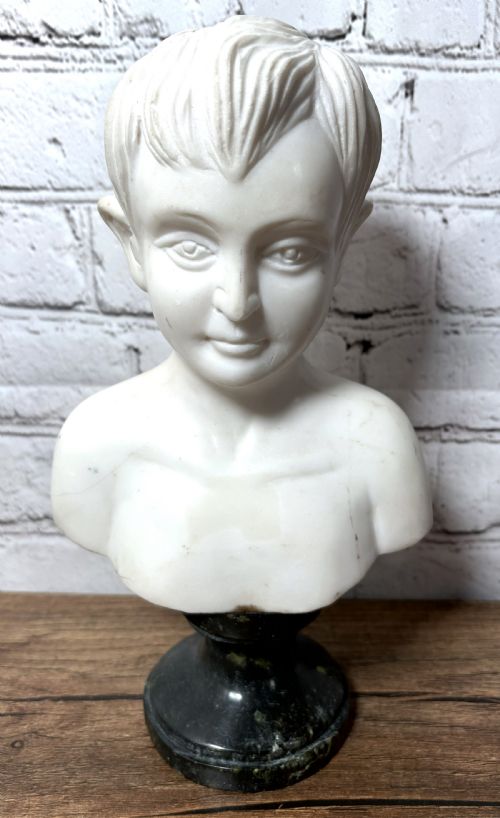
A classical sculpture pedestal elevates a bust or bronze so that it commands the room.
Classical Sculpture Pedestal
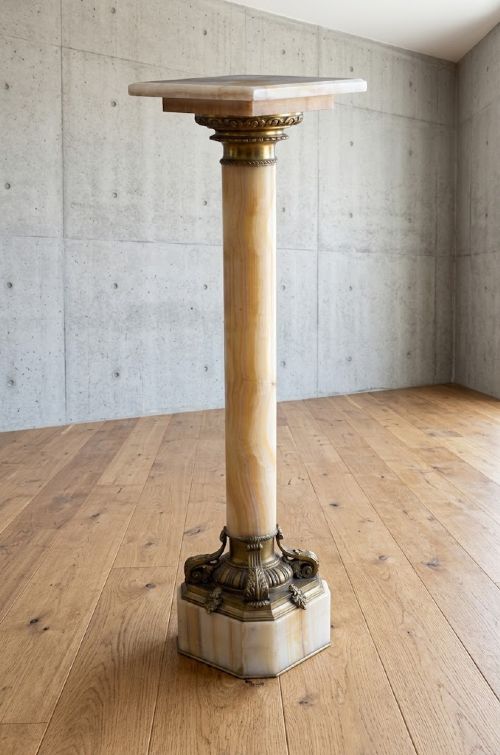
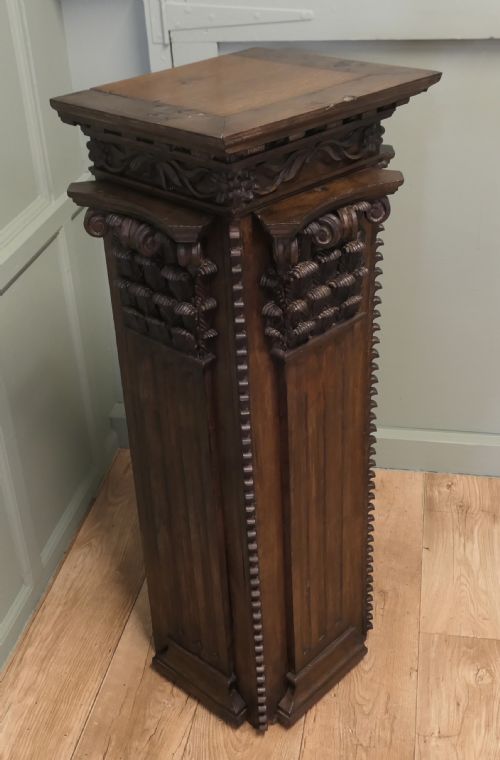
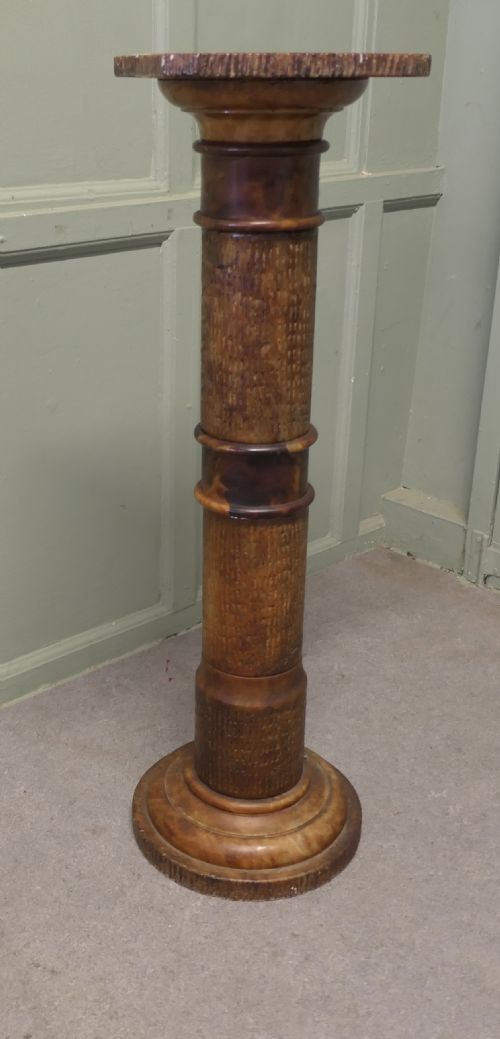
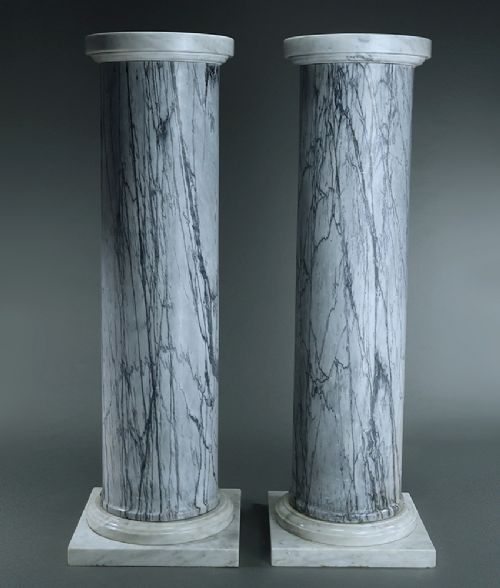
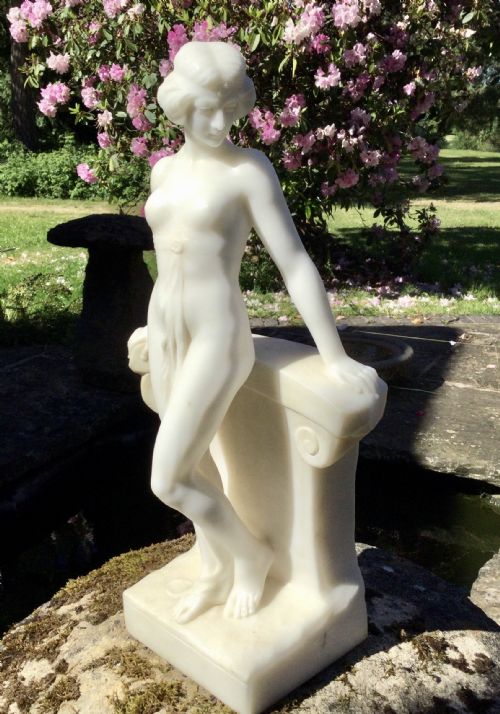
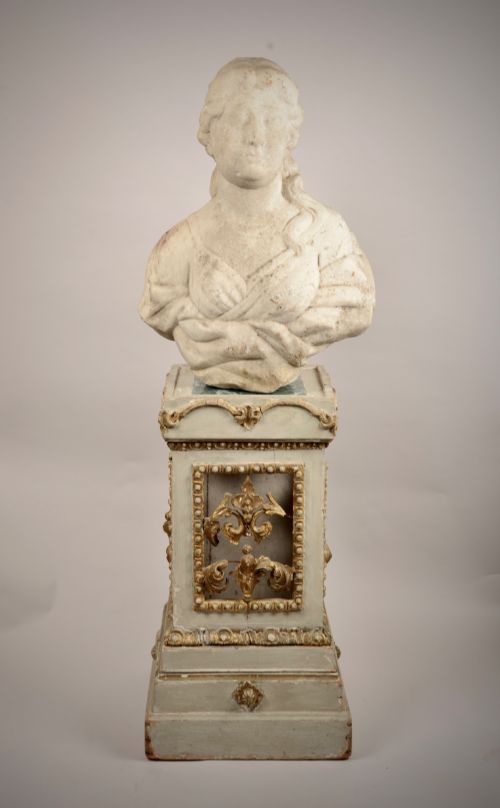
When searching for a classical sculpture pedestal, buyers encounter columns, plinths and columnar supports designed to display sculptural works. These pieces lift marble busts, bronze figures and terracotta statues to eye level, creating a distinct focal point in a library, hall or garden.
The selections span the nineteenth century through the mid twentieth century, featuring forms derived from ancient architectural traditions. Many adopt the slender proportions of the Roman column or the sturdy mass of the stone plinth, reflecting revivalist tastes from Georgian times onward.
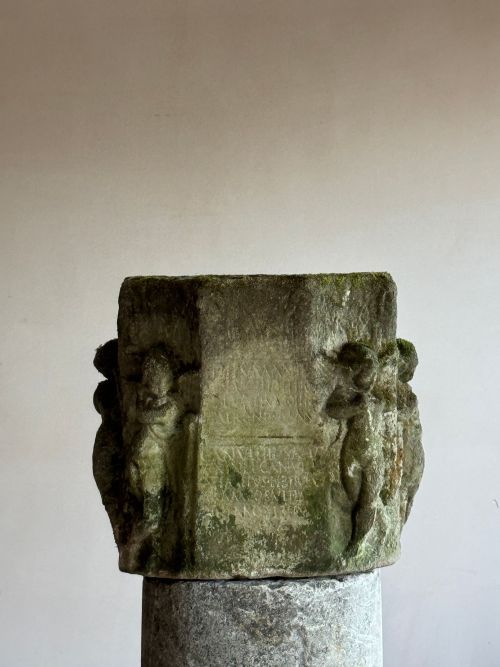
Materials range from quarried marble and cast stone to carved oak, mahogany and grain-painted pine. Whether intended for an interior parlour or an outdoor terrace, each structure provides a stable platform that frames the sculpture resting upon it.
What varies in quality
The distinction between ordinary supports and exceptional examples lies in the selection of materials and the crispness of the carving. Natural marbles with rich, unbroken veining and finely polished surfaces sit at the upper end of the scale, alongside timber pedestals with deeply undercut mouldings.
Proportion and architectural harmony also determine distinction. Superior pieces maintain a balanced weight distribution between capital, shaft and plinth, ensuring that the pedestal supports its burden without appearing visually cumbersome.
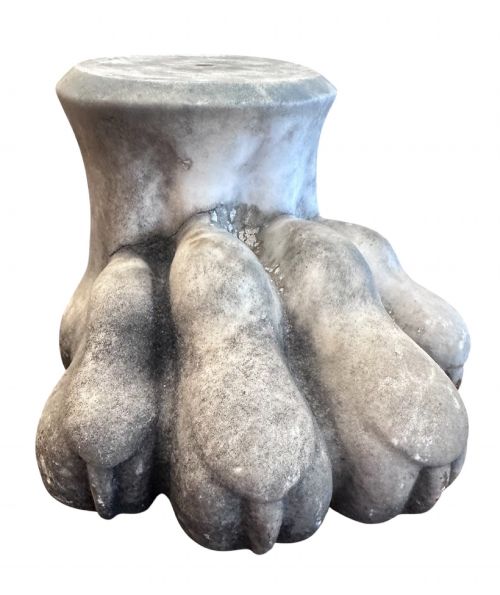
The selection includes architectural columns, stepped plinths and figural torcheres designed to carry busts and lamps.
John Wenlock Rollins·Sir Thomas Brock·Antonio Merente·F. De Luca
The Classical Sculpture Pedestal Glossary
- Plinth
- A heavy flat-bottomed base upon which a column, statue or bust rests.
- Capital
- The uppermost member of a column, situated directly beneath the load it carries.
- Ormolu
- Gilded bronze mounts applied as decorative collars or accents on furniture and columns.
- Carrara
- A white or blue-grey marble quarried in the city of Carrara in Tuscany.
- Neoclassical
- A style spanning the eighteenth and nineteenth centuries that revives classical Greek and Roman motifs.
Classical Sculpture Pedestal: Frequently Asked Questions
How do I choose the right height?
Consider the height of the bust or statue in relation to the room where it will stand. Most pedestals are designed to bring the centre of gravity and the face of the sculpture to a natural viewing level.
Measure the available vertical space carefully, ensuring the combined height of the support and the artwork leaves adequate clearance beneath ceilings or architectural mouldings.
Can these pedestals support heavy marble?
Solid stone and marble columns possess substantial weight-bearing capacity and are engineered to carry heavy busts or statues safely.
Wooden or plaster examples require more attention to their internal construction and base width before placing extremely heavy stone sculptures upon them.
Are these suitable for outdoor use?
Pieces fashioned from cast stone, reconstituted stone and certain durable marbles withstand exterior garden conditions over time. They develop a natural weathering patina when exposed to the elements.
Timber, painted plaster and interior marbles remain unsuited to damp or freezing outdoor environments and belong indoors.
How do I clean marble columns?
Dust surfaces regularly with a soft, dry cloth to prevent grit accumulation in the carved details or fluting. Avoid acidic cleaners or abrasive agents that etch polished marble.
For stubborn marks, use a damp cloth with mild soap, followed immediately by thorough drying with a clean towel.