


Classical Revival Bronze Figure
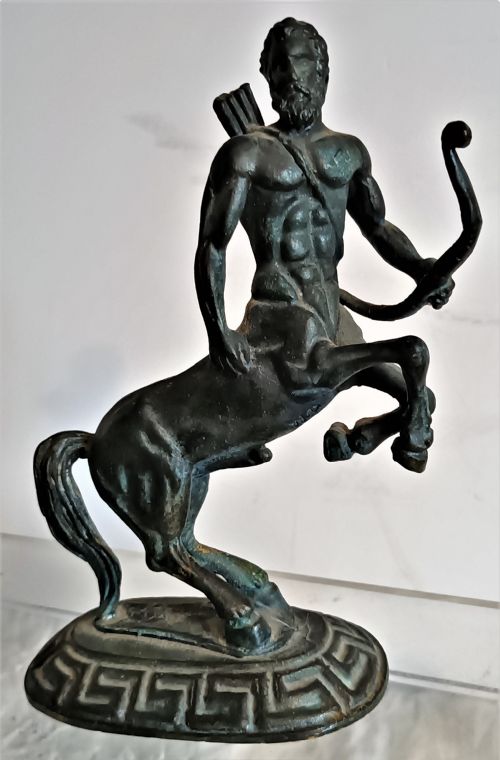
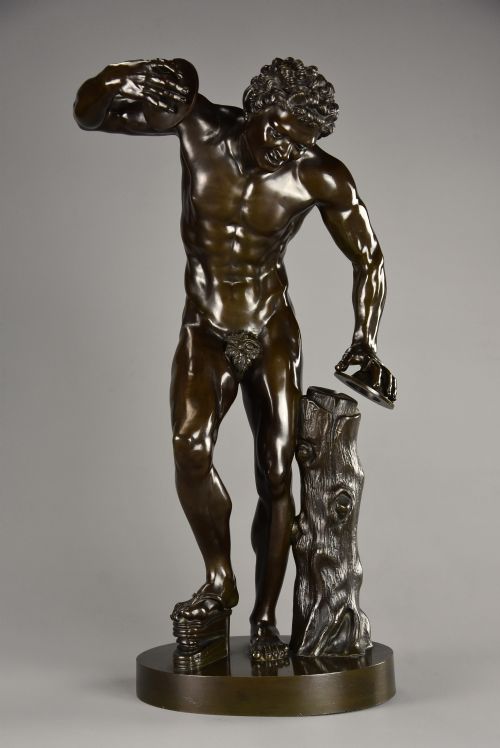
A classical revival bronze figure captures antique mythological and historical subjects in cast metal, bringing nineteenth-century Grand Tour taste directly into a room.
Classical Revival Bronze Figure
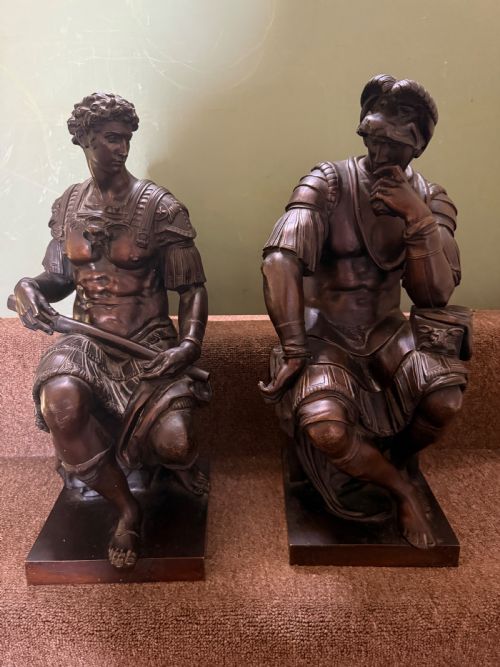
A classical revival bronze figure represents mythological deities, literary heroes, historical rulers and allegorical subjects inspired by ancient Greek and Roman antiquities. These pieces emerge predominantly across the nineteenth century, drawing heavily on Italian Grand Tour souvenirs and French foundry traditions.
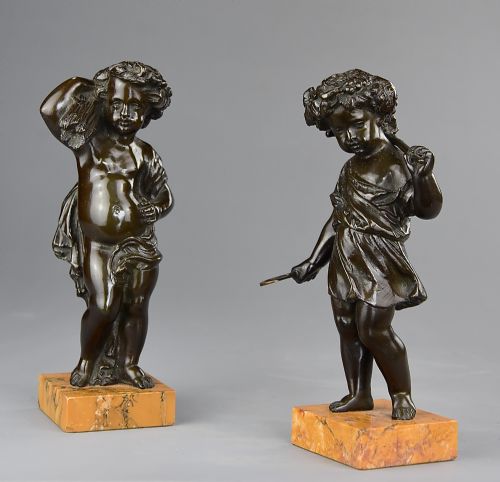
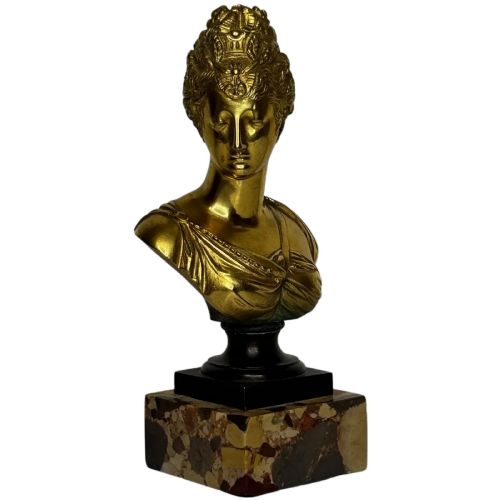
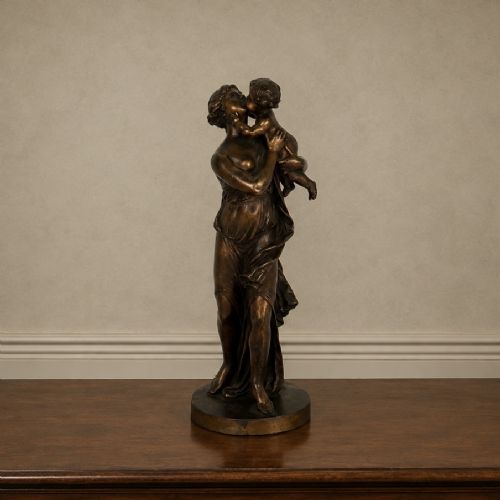
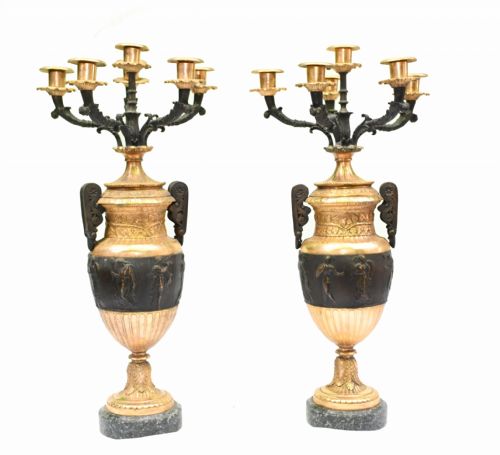
The selections span cabinet-scale reductions of famous statues such as the Dying Gaul and the Farnese Hercules alongside portrait busts of figures like Diana de Poitiers and King Menelaus. Formats range from standalone sculptures and paired putti to figural elements integrated into mantel clocks, candelabras and torch lamps.
Most examples originate from nineteenth-century French and Italian workshops, reflecting the period fascination with classical archaeology and Renaissance art. Buyers encounter patinated, gilt and ormolu finishes mounted frequently upon marble bases.
How they were made
Foundries utilised traditional metalcasting techniques to produce these works, capturing intricate details of drapery, musculature and facial expression. Bronze served as the primary medium, frequently enhanced with chemical patination to simulate ancient excavation finishes or combined with gilt bronze and ormolu.
Many productions paired the cast metal elements with stone components such as marble or onyx bases and columns. Workshops also incorporated subsidiary materials like enamel or rock crystal to accent candelabra arms and lamp bodies.
What varies in quality
The quality of the material combination and the finish dictate overall value. Rich, varied patination or precise fire gilding paired with substantial marble bases elevates an individual cast above simpler, unchased commercial pieces.
Barbedienne·Claude Michael Clodion·Eugene Barillot·Duchemin·Eden Antony Paul Noel
The Classical Revival Bronze Figure Glossary
- Grand Tour
- A nineteenth-century educational journey through Europe, where travellers acquired souvenir art and classical sculpture reductions. These bronze casts served as portable reminders of classical antiquity.
- Patinated bronze
- Metal treated with chemical solutions to produce a controlled surface colour, ranging from dark brown to verdigris. This finish protects the metal and simulates the appearance of buried ancient statuary.
- Ormolu
- Finely ground high-carat gold mercury-gilded onto a bronze base. This technique creates a brilliant, durable golden surface characteristic of refined nineteenth-century French decorative arts.
- Reduction
- A smaller-scale cast made after a monumental ancient or Renaissance sculpture. Foundries utilised mechanical reduction devices to accurately scale down famous museum pieces for domestic display.
- Spelter
- A zinc-based alloy used as an economical substitute for bronze in nineteenth-century decorative figures. It is lighter and softer than true bronze, often painted to imitate metallic patinas.
Classical Revival Bronze Figure: Frequently Asked Questions
What is a Grand Tour bronze?
A Grand Tour bronze is a nineteenth-century souvenir reduction of an ancient Greek, Roman or Renaissance sculpture. Wealthy travellers purchased these objects in Italy to display their classical education and taste at home.
These pieces typically represent famous museum statues, mythological figures or historical rulers. They were cast in European foundries and often mounted on marble bases.
Where were these figures displayed?
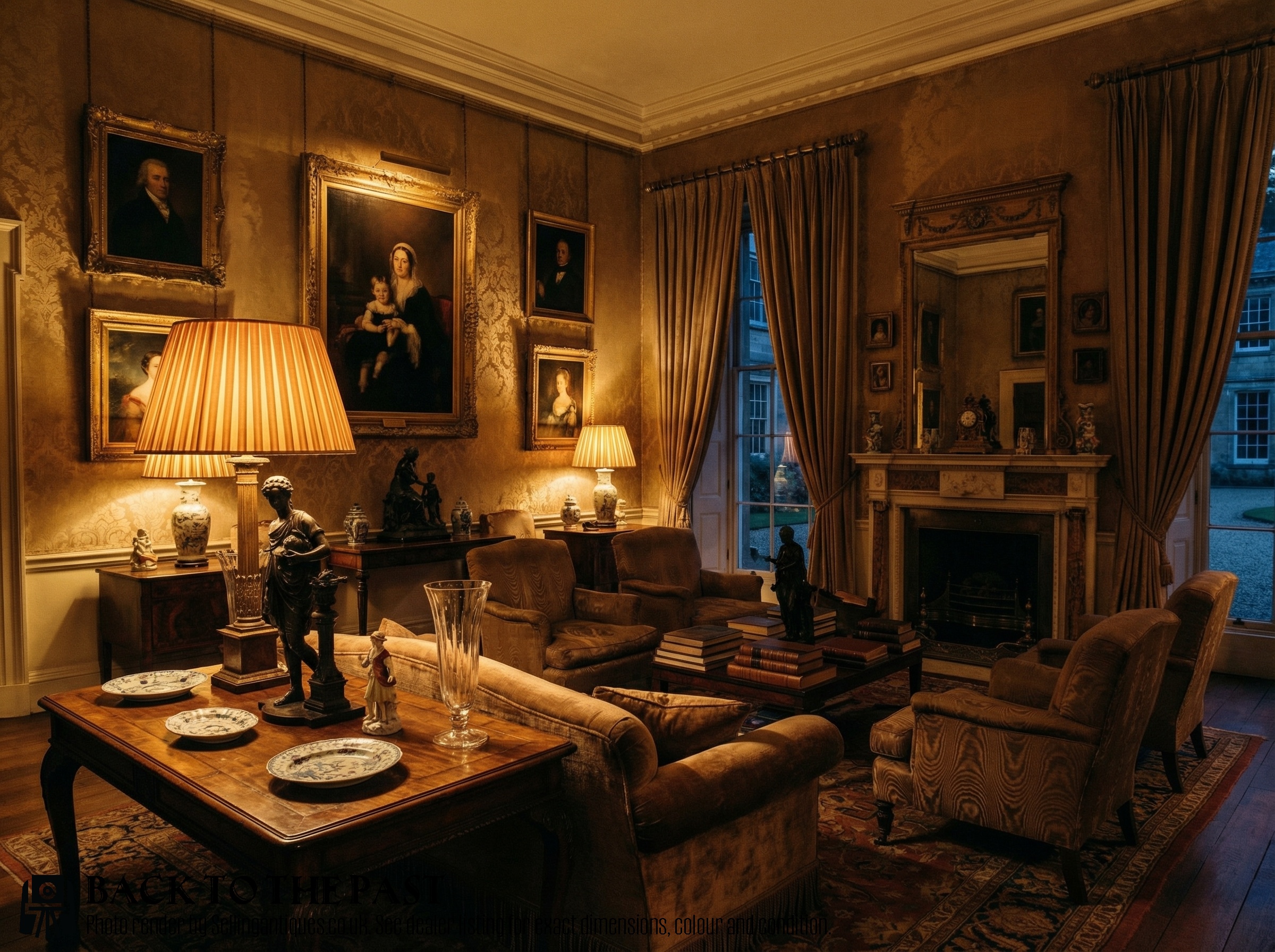
Nineteenth-century collectors placed these figures on library mantelpieces, study desks and dedicated pedestal tables. They functioned as conversation pieces that signaled scholarly interests and refined travel experiences.
Larger sculptures stood alone on furniture tops, while smaller figures integrated directly into functional objects like clocks and candelabras.
Are these figures solid bronze?
Many figures are hollow cast to reduce weight and metal usage during production. Foundries poured molten bronze into moulds with internal cores, resulting in a durable shell rather than a heavy solid mass.
Heavier elements like bases or smaller statuettes may feel solid, but the primary figural components typically employ hollow construction.