

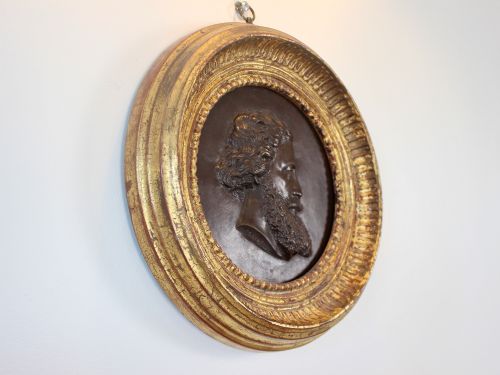


Classical Relief Wall Plaque
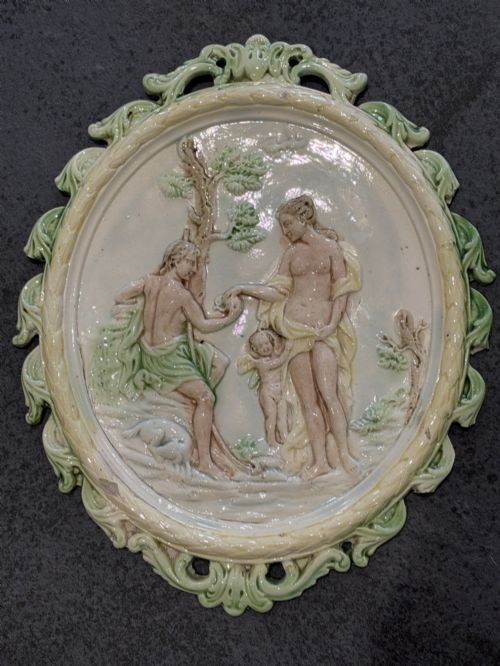
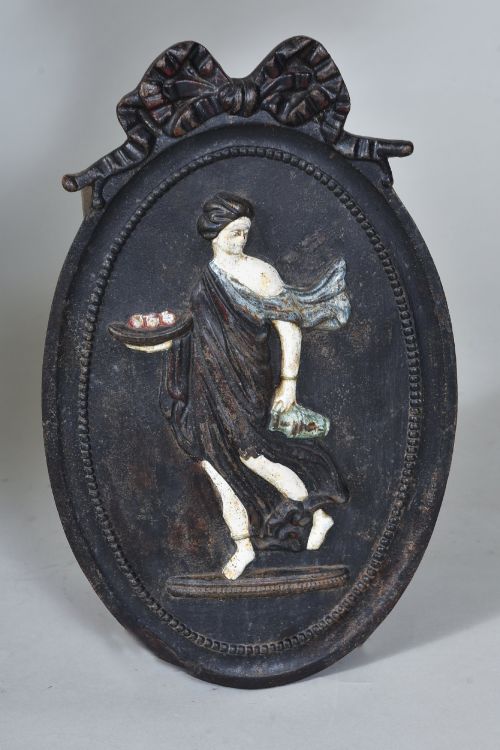
These pieces are a classical relief wall plaque, bringing sculpted mythological and historical scenes into domestic rooms through bronze, marble, wood, and plaster.
Classical Relief Wall Plaque
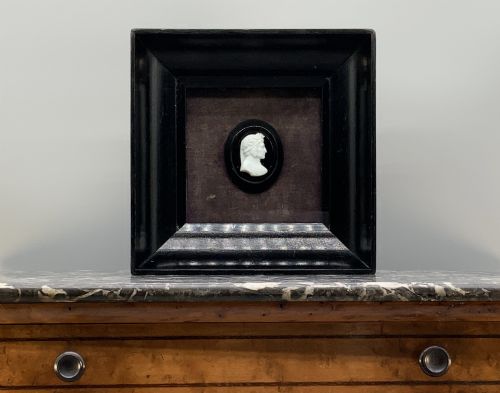
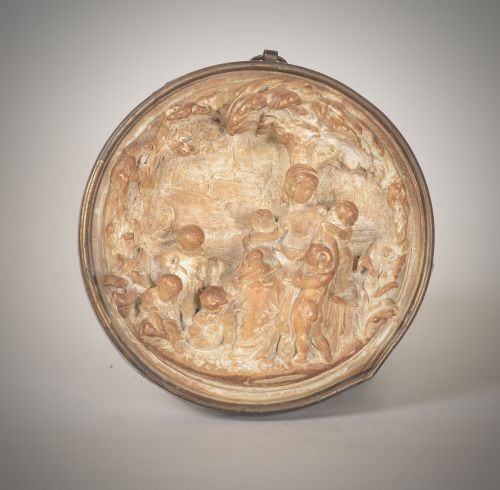
When searching for a classical relief wall plaque, buyers encounter sculpted works designed to hang on vertical surfaces, ranging from small framed portraits to large architectural panels. These objects draw heavily on ancient mythology, profile likenesses of Roman emperors, and literary subjects such as Dante and Virgil.
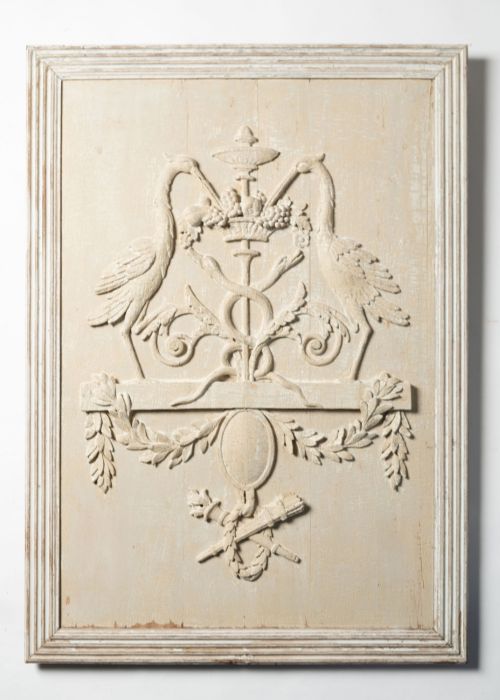
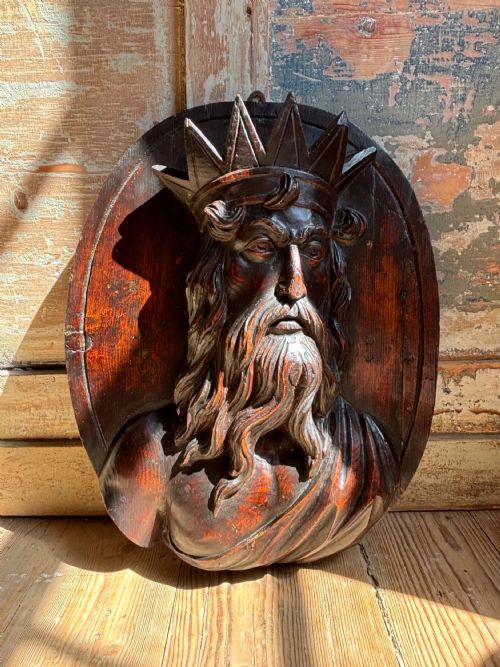
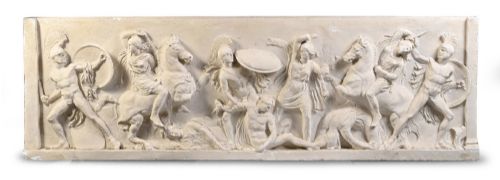
The items seen on this page span the eighteenth and nineteenth centuries, alongside pieces from the turn of the twentieth century. The most frequent examples include cast bronze roundels, carved wooden wall panels, Italian marble cameos, and plaster casts originating from Grand Tour travels.
Makers and schools from France, Italy, and Britain created these works to echo Renaissance and antique sculpture. Whether cast in metal or carved from wood and ivory, each piece uses raised figures to create depth on a flat backing.
Materials and construction methods
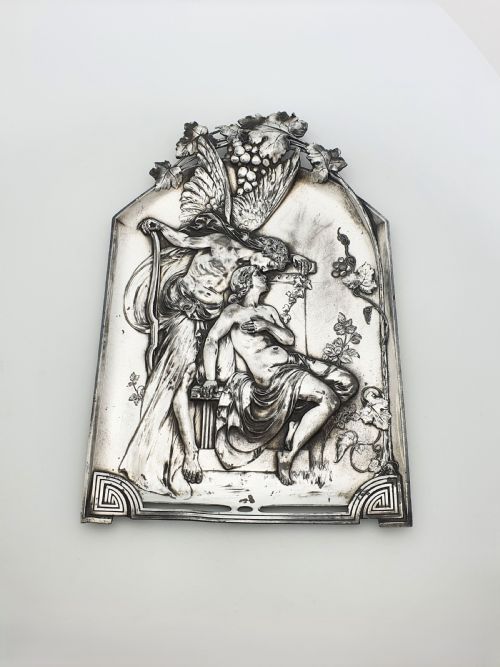
Makers utilised traditional casting methods for metal pieces, pouring molten bronze, brass, or silver plate into moulds to achieve crisp detail. Electrotype techniques also emerged in the nineteenth century, allowing precise metallic replication of older reliefs.
Carved pieces rely on skilled handwork in materials such as walnut, mahogany, ivory, and white marble. Artisans cut away the background material to leave the figures standing in low relief, often mounting the finished roundels inside turned wooden frames.
Classical Relief Wall Plaque Retail Price Guide 2026
Typical asking prices for classical relief wall plaque among the pieces listed under this phrase on Sellingantiques today, from the lower quarter to the upper quarter. They describe what is for sale here now, not the wider market.
Listings feature works cast in bronze, brass, silver plate, and cast lead, alongside carvings in marble, ivory, mahogany, and walnut.
Judging the quality of these works
The selection of materials also dictates the standing of a piece, with fine-grained Italian marble and heavy cast bronze sitting above standard plaster or composition mouldings. Original period frames that match the age of the central plaque add considerable integrity to the object.
WMF·Elkington and Co·Coalbrookdale·Mintons·Carlhian and Corbiere
The Classical Relief Wall Plaque Glossary
- Bas-relief
- A sculptural technique where the figures project only slightly from the background plane. This shallow depth is common in profile portrait plaques and classical cameos.
- Grand Tour
- A cultural journey undertaken by wealthy young Europeans in the eighteenth and nineteenth centuries to study classical art. Souvenirs from these travels included small marble and bronze reliefs.
- Electrotype
- A method of producing metal copies through the use of electroplating. This technique created accurate metallic reproductions of historical sculptures during the Victorian era.
- Tondo
- A circular work of art, either a painting or a sculpture. Many wall plaques adopt this round format for portrait profiles and mythological scenes.
- Putto
- A representation of a small winged infant, frequently found in Renaissance and neoclassical art. These figures often flank central deities or muses on bronze and plaster plaques.
Classical Relief Wall Plaque: Frequently Asked Questions
What rooms suit a classical relief wall plaque?
These pieces work well mounted on panelled walls in studies, hallways, or living rooms where their sculptural depth can catch side lighting. Smaller marble and bronze items benefit from eye-level placement to allow close inspection of the carved details.
Heavier wooden panels and framed metal plaques require secure wall anchors. Pairing them with traditional furnishings enhances their neoclassical aesthetic.
How do I distinguish marble from plaster?
Marble feels cool to the touch and possesses a natural crystalline structure visible under magnification. Plaster is lighter, more porous, and often shows minor casting seams or surface chalkiness.
Plaster copies were widely produced as affordable alternatives to carved stone during the nineteenth century. Weight and density remain the most reliable indicators of material.
What is a Grand Tour plaque?
A Grand Tour plaque is a souvenir purchased by travellers visiting artistic centres in Italy during the eighteenth and nineteenth centuries. These portable artworks typically depicted famous Roman emperors, classical architecture, or mythological scenes.
Carved marble, alabaster, and bronze were the preferred materials for these commemorative pieces. They allowed collectors to display classical taste upon returning home.
How should I clean a bronze wall plaque?
Dusting with a soft, dry brush prevents particulate buildup in the recessed areas of the relief. Avoid using abrasive metal polishes or chemical cleaners that can strip the historic patina.
Stable indoor humidity preserves both the metal surfaces and the wooden frames that often accompany these pieces. Professional conservation is rarely necessary unless active corrosion appears.