


Classical Regency Daybed
A classical regency daybed offers sweeping elegance, combining scroll ends and rich timber to anchor a sophisticated room.
Classical Regency Daybed
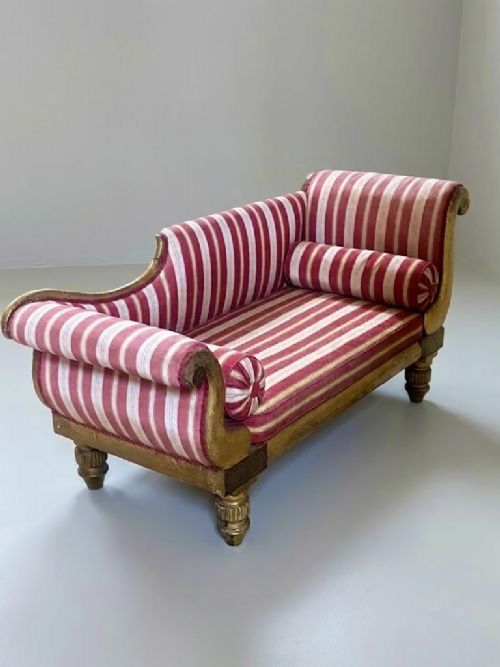
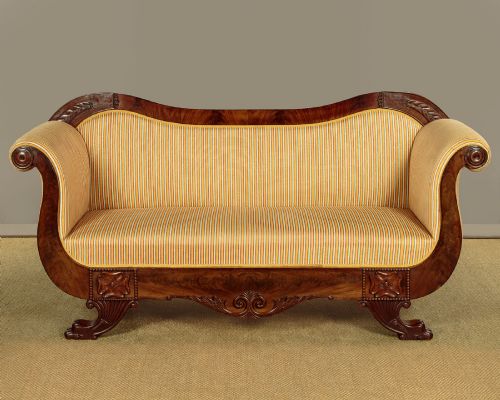
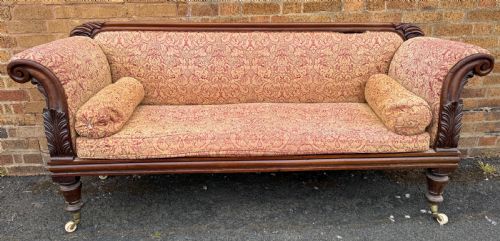
A classical regency daybed represents the refined seating furniture produced during the Regency and William IV periods. These pieces typically take the form of scroll-end sofas, settees, and chaise longues designed for reclining in grand interiors.
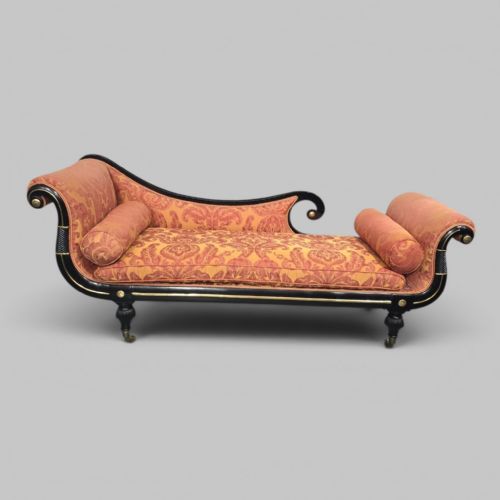
Buyers encountering this search phrase will most frequently find mahogany frames alongside variants in giltwood, ebonised wood, and simulated rosewood. The forms bridge the gap between formal seating and daybeds, often featuring single or double scroll ends.
Originating from the early nineteenth century, these daybeds showcase the classical influences of their era through carved woodwork and sophisticated upholstery.
Materials and construction
Cabinet makers utilised solid mahogany and simulated rosewood as primary timbers, frequently enhancing frames with carved details, giltwood highlights, and ebonised finishes. Brass mounts and decorative elements sometimes complement the woodwork.
Upholstery forms a vital part of the construction, employing traditional fabrics such as silk, velvet, and various upholstery textiles to cover the sprung or padded scroll arms and seats.
Listings feature mahogany, giltwood, and simulated rosewood daybeds spanning the Regency and William IV periods.
Judging quality in a daybed
The distinction between standard examples and the finest pieces lies in the crispness of the timber carving and the sophistication of the secondary woods. Superior daybeds display deeply carved scroll ends and harmonious proportions that reflect high workshop standards.
The choice of covering material and the fidelity of period upholstery also dictate the standing of a piece. Original giltwood or finely figured mahogany elevates the overall presence far above plain or heavily altered examples.
The Classical Regency Daybed Glossary
- Scroll end
- A characteristic curving arm or back termination resembling a rolled scroll. This feature defines the silhouette of many nineteenth-century couches and settees.
- Chaise longue
- A long chair for reclining, structurally related to the daybed and sofa forms of the period. It allows the user to stretch out while maintaining partial back support.
- Giltwood
- Timber treated with gold leaf or gilt preparation to create a lustrous metallic finish. It appears on the most formal Regency seating.
- Ebonised wood
- Timber stained or painted to imitate ebony. This dark finish provides a sharp contrast against gilt highlights or light upholstery.
- Simulated rosewood
- Painted or grained wood finished to mimic the appearance of genuine rosewood. Cabinet makers utilised this technique when actual exotic timber was too costly.
Classical Regency Daybed: Frequently Asked Questions
What is a classical regency daybed?
A classical regency daybed is a nineteenth-century reclining seat featuring prominent scroll ends and wooden frames.
These pieces function as both sofas and daybeds, reflecting the neoclassical tastes of the Regency and William IV eras.
How were these daybeds used originally?
Wealthy households used these pieces in reception rooms and parlours for daytime lounging and formal entertaining.
They provided a comfortable place to recline without retiring to a bedroom during daylight hours.
Where should I place a daybed?
A daybed sits well against a drawing-room wall or floating in a spacious period interior where the scroll ends remain visible.
Positioning it away from direct sunlight protects the delicate silk or velvet upholstery fabrics.
How do I spot a Regency piece?
Look for characteristic design elements such as scroll arms, carved mahogany frames, and classical proportions.
Consulting the specific material finishes like ebonised wood or giltwood helps confirm the nineteenth-century origin.