

Classical Portrait Wall Art
Classical portrait wall art spans centuries of painted subjects, framed prints and engraved studies that bring historical elegance into modern rooms.
Classical Portrait Wall Art
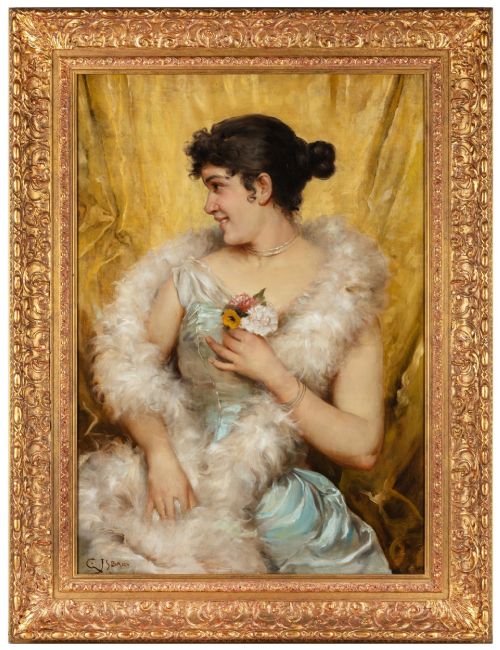
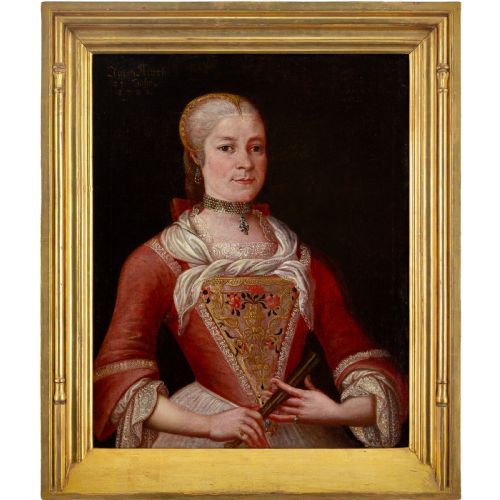
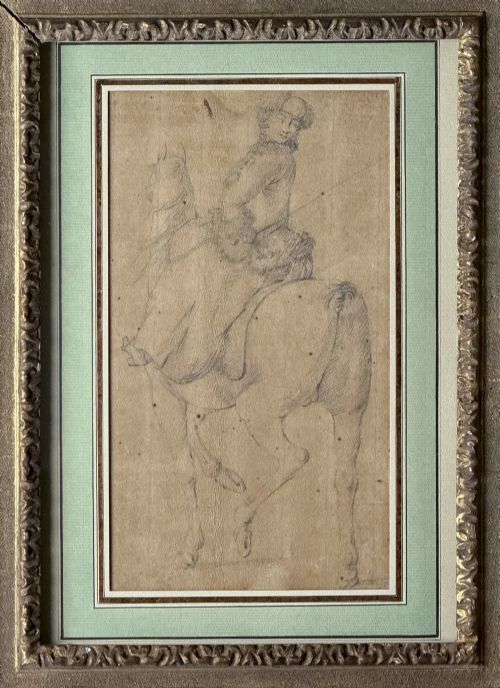
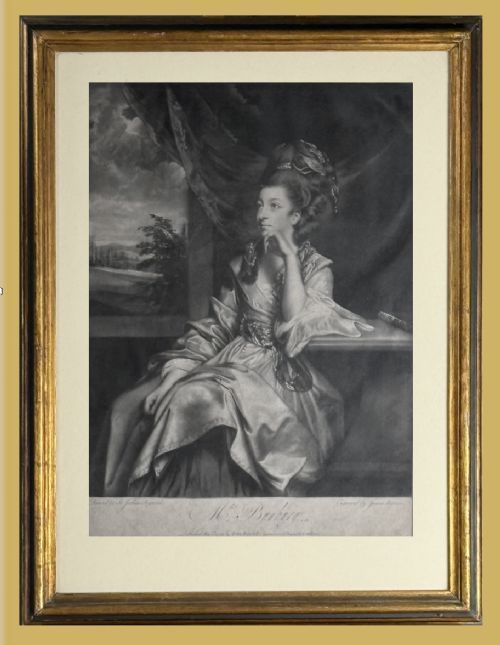
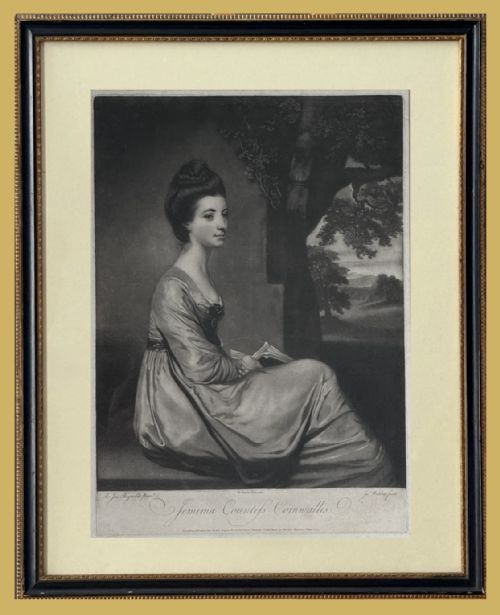
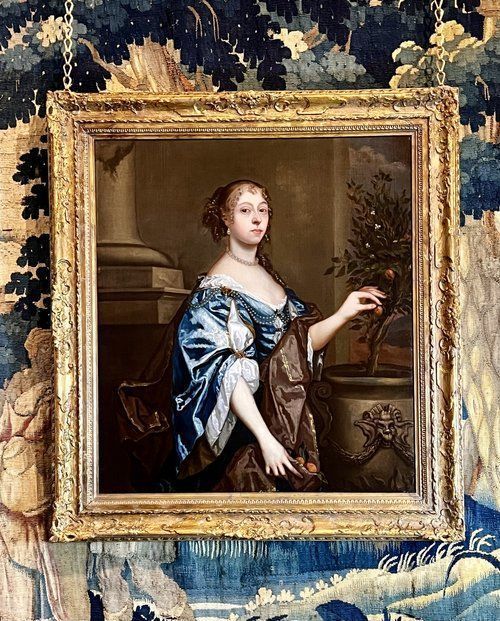
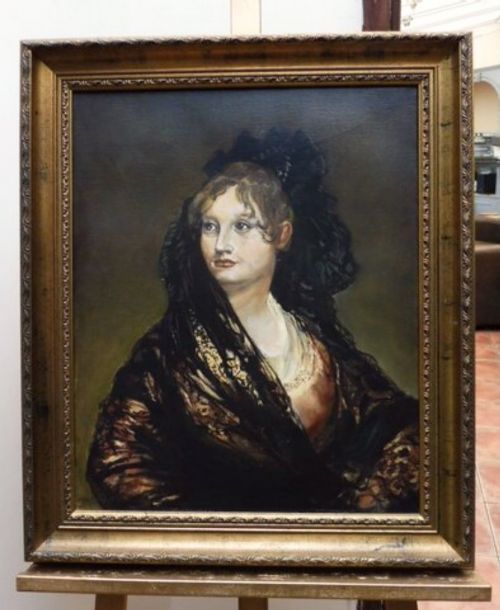
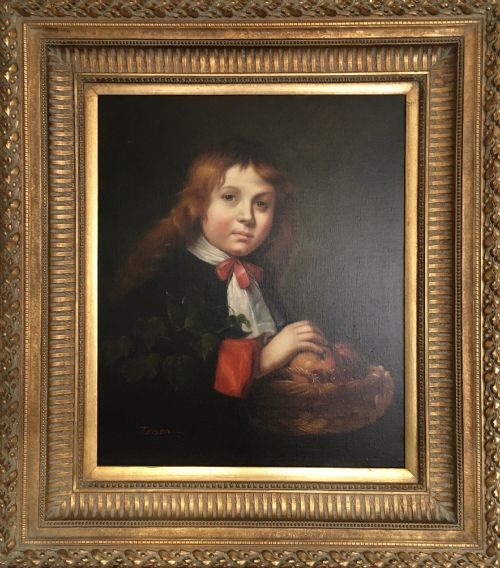
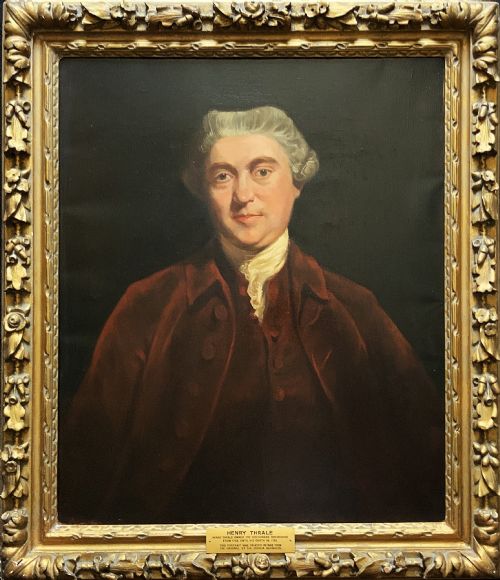
Classical portrait wall art encompasses oil paintings, framed prints, engravings and pastel works originating from the sixteenth century through to the mid-twentieth century. Buyers encounter oil on canvas portraits executed in Baroque, Renaissance Revival and Georgian styles alongside eighteenth-century mezzotints.
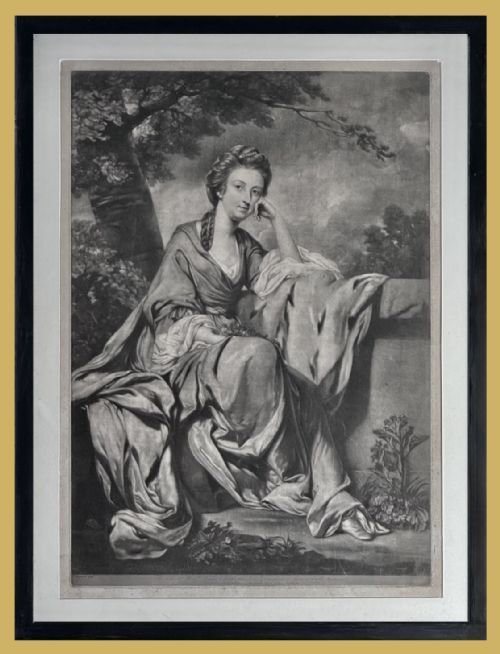
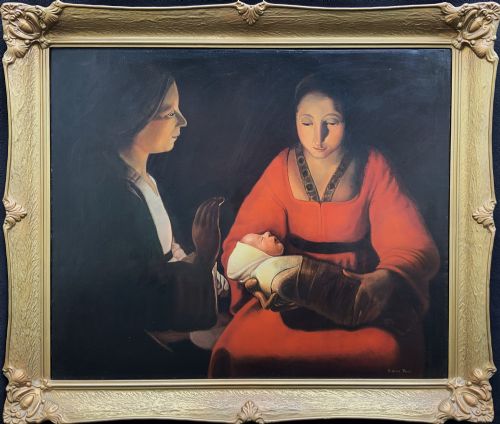
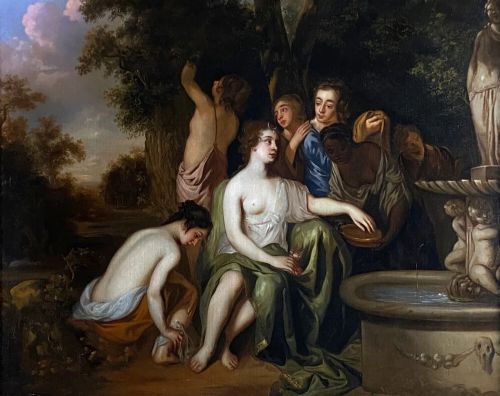
The subjects range from seventeenth-century European nobility and mythological figures such as Diana and Apollo to devotional depictions of the Madonna and child. Many works represent historical interpretations after master painters like Sir Joshua Reynolds or Leonardo da Vinci.
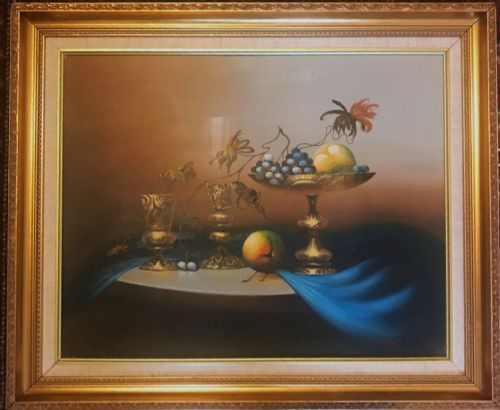
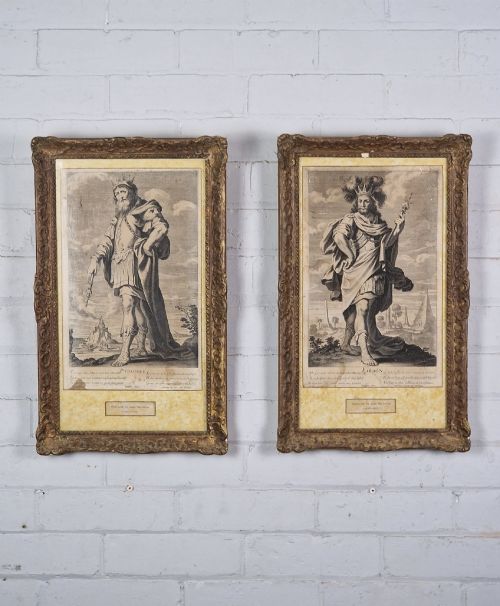
Framed presentation is central to these pieces, with many items housed in carved giltwood frames or retaining period glass and paper supports. The inventory blends original studio oils with period graphic prints and later twentieth-century oleographs.
How they were made
Traditional production relies on oil pigments applied to stretched canvas or wood panels, often built up in layered glazes characteristic of Dutch and Italian Baroque schools. Draughtsmanship underpins the compositions, utilising ink and pastel on paper for preparatory drawings and intimate studies.
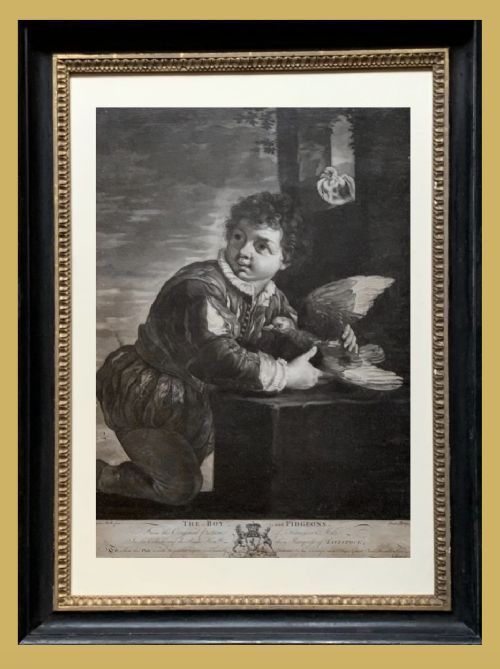
Printmaking techniques such as mezzotint and stipple engraving allowed workshops to reproduce famous paintings using copper plates inked and pressed onto paper. Finished works were then secured within timber frames, frequently enhanced with gold leaf and elaborate moulding.
Several portraits feature subjects captured mid-activity, including ladies picking oranges and boys holding pigeons.
What varies in quality
Quality rests upon the execution of the hand, distinguishing primary studio works and named artists from later decorative copies and mechanical oleographs. The precision of brushwork in oil on canvas portraits or the crispness of ink impression in an eighteenth-century mezzotint determines the standing of the piece.
The integrity of the materials also dictates standard, noting whether an original canvas retains its period stretcher or if a frame is an authentic carved giltwood mounting contemporaneous with the artwork.
G. J. S. Bary·John Boydell·Pier Francesco Mola·Edward Fisher·Sir Joshua Reynolds·Leonardo Da Vinci·Jozsef Molnar·Jean Mariette·Georges de La Tour·Sir Peter Lely·James Watson·Pieter Borssele·Francisco Jose de Goya·Jean-Baptiste Greuze·David Garrick·Benedetto Luti·Valentine Green·Jiohan Elis Haid·W Dickinson·Charles-Antoine Coypel·James Heath·Biaggio Rebecca·Pietro Fachetti·Bartholomeus van der Helst·Anton Weiss
The Classical Portrait Wall Art Glossary
- Mezzotint
- A printmaking process where the copper plate is roughened to achieve rich dark tones and subtle tonal gradations. This technique was widely utilised in the eighteenth century for reproducing portrait paintings.
- Oleograph
- A mechanical colour lithograph textured to imitate the surface brushstrokes of an oil painting. These decorative reproductions appeared in later periods.
- Giltwood
- Timber that has been coated with a thin layer of gold leaf or gold paint. It forms the decorative surface of traditional ornate picture frames.
- Stipple engraving
- A method of creating prints using dots of varying density rather than continuous lines. It creates soft shadows suited to classical portraiture.
- Baroque
- An artistic style spanning the seventeenth and eighteenth centuries characterised by drama, deep shadow and dynamic movement. It heavily influences the composition of these portraits.
Classical Portrait Wall Art: Frequently Asked Questions
How do I hang heavy oil paintings securely?
Large oil portraits on canvas require robust fixings screwed directly into wall studs or masonry using appropriate wall plugs. Ensure the hanging wire and D-rings on the timber frame can support the substantial weight of the piece.
Position the centre of the portrait at average eye level to replicate gallery standards. Keep the artwork away from direct sunlight and damp heat sources to protect the canvas and gilt frame.
What is the difference between an oil painting and a mezzotint?
An oil painting is a unique handmade work created by applying pigmented oils onto canvas or wood. Mezzotints are printed works produced from an engraved copper plate.
While oil paintings feature tactile layers of pigment and brush texture, mezzotints offer velvety tonal depths on paper. Both forms were utilised extensively for classical portraiture.
How do I care for antique paper prints?
Paper prints and engravings must be displayed behind glass with acid-free backing mounts to prevent atmospheric damage. Protect them from direct sunlight to avoid fading the ink.
Maintain stable indoor humidity levels to prevent the paper from cockling or developing mould spots. Dust the frames gently with a dry cloth without touching the exposed paper surface.
Are these portraits original eighteenth-century works?
The listings include both original eighteenth-century paintings and prints alongside later revivals and reproductions. Each entry specifies the historical period and medium, distinguishing contemporary period items from subsequent editions.
Examining the materials, such as laid paper, canvas preparation and frame construction, helps identify the age of the piece. Refer to individual listings for specific dating details.