



Victorian Oil Painting Female
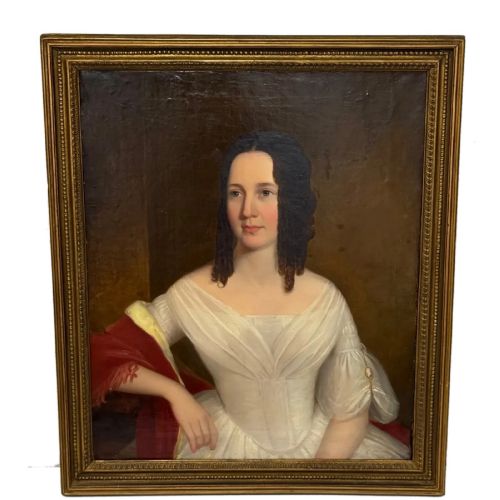
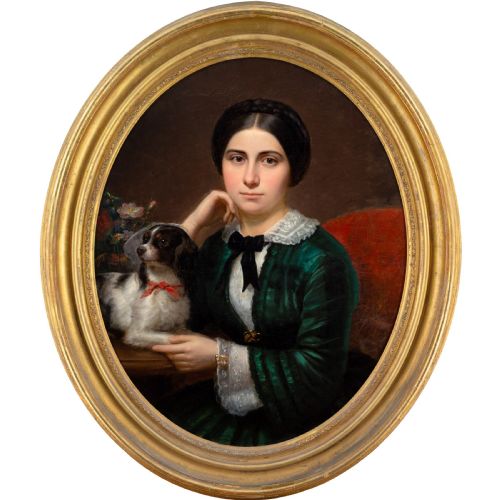
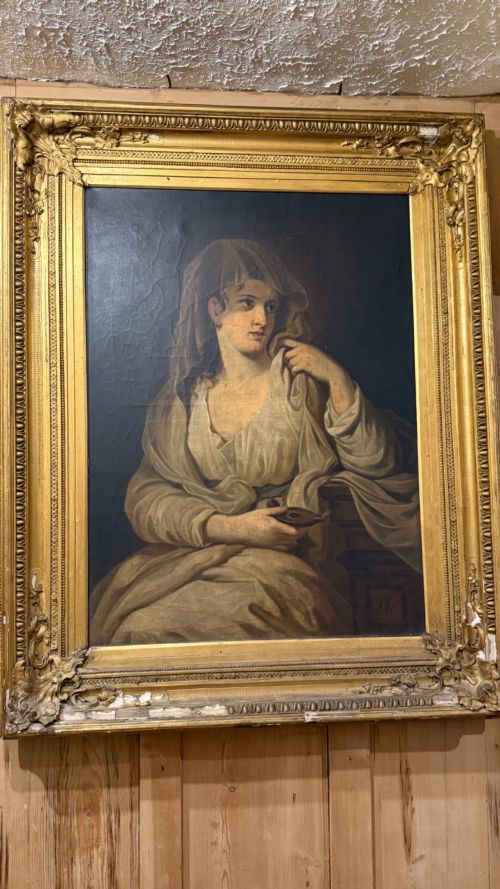
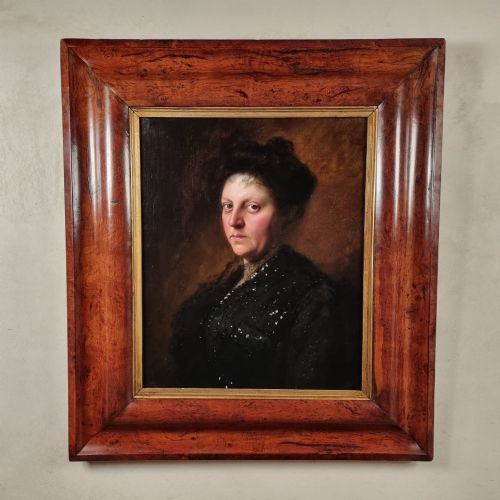
A victorian oil painting female captures the likeness, character and fashion of women from the nineteenth century on canvas or board.
Victorian Oil Painting Female
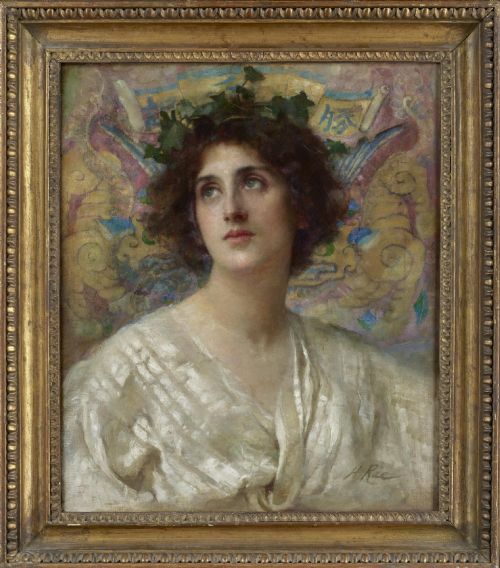
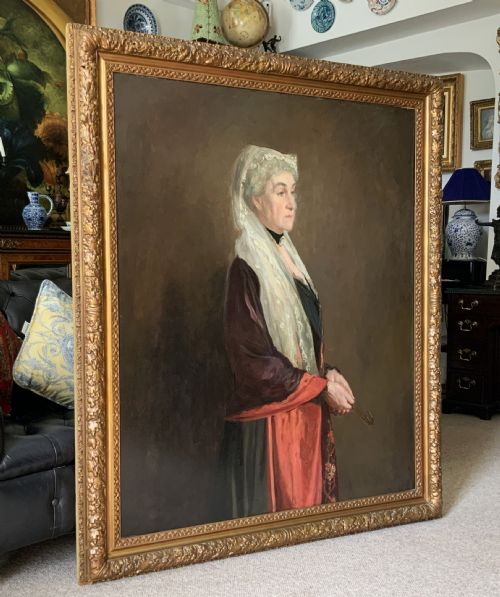
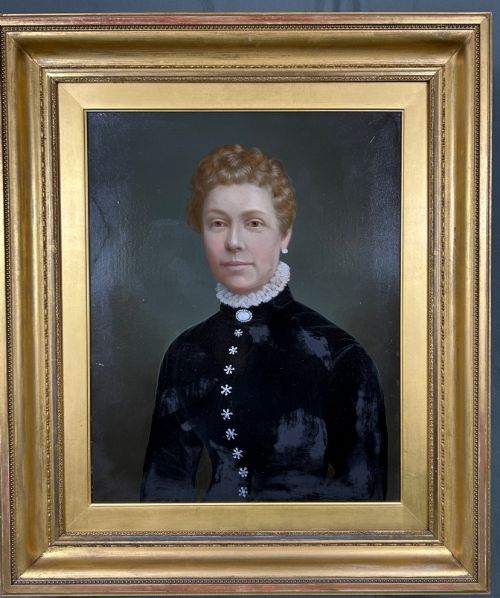
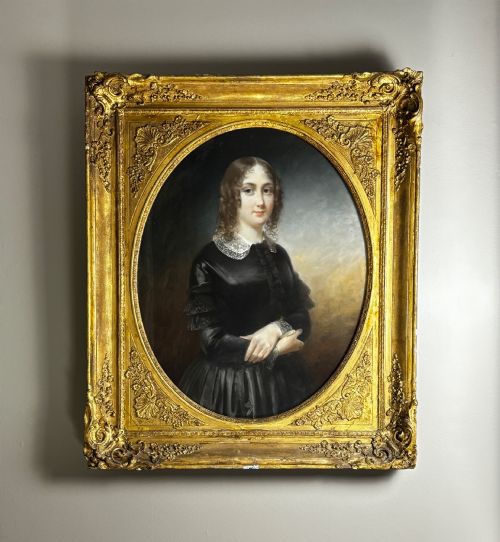
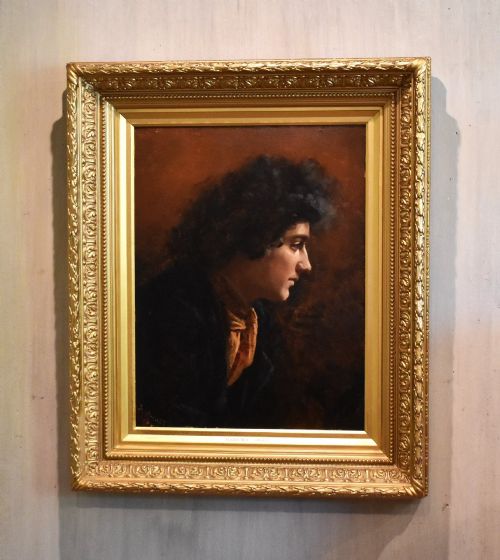
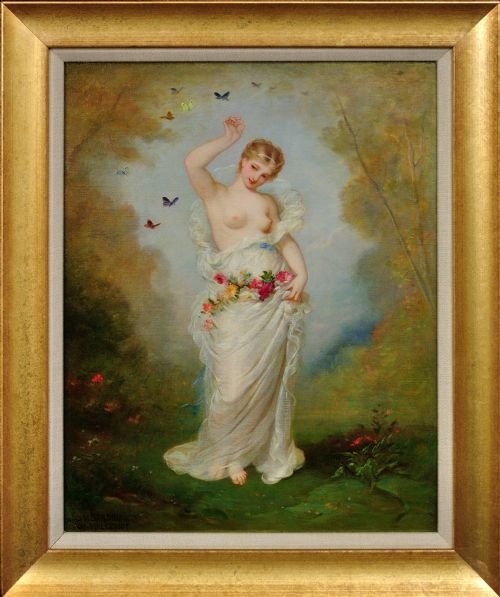
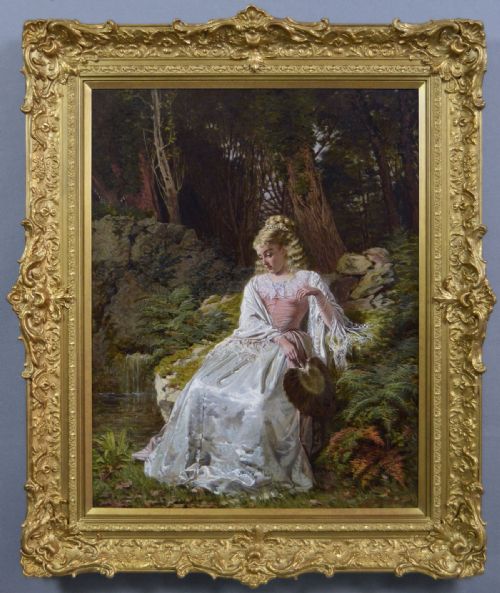
When you search for a victorian oil painting female, you encounter formal portraits, narrative scenes and intimate studies of women created during the nineteenth century. These works depict sitters ranging from society ladies and architects to fictional figures like Nereids and mythological characters.
The most common formats on this page are framed portraits executed in oil on canvas or oil on board. Many pieces feature subjects in specific settings, such as woodland pools, desks or domestic interiors, alongside works reflecting academic, romantic and neoclassical styles.
Materials and construction
Artists painted primarily using oil paint applied to stretched canvas or wooden boards, relying on the rich viscosity of the medium to build depth and texture. Canvases and boards are typically housed within their original or period frames constructed from wood, gesso and gilded wood.
Framing techniques involve carved or moulded wooden mouldings finished with gesso and giltwood to complement the tonal qualities of the painted surface. Some portraits also incorporate ebony frames or glazed housings to protect the delicate paint layers.
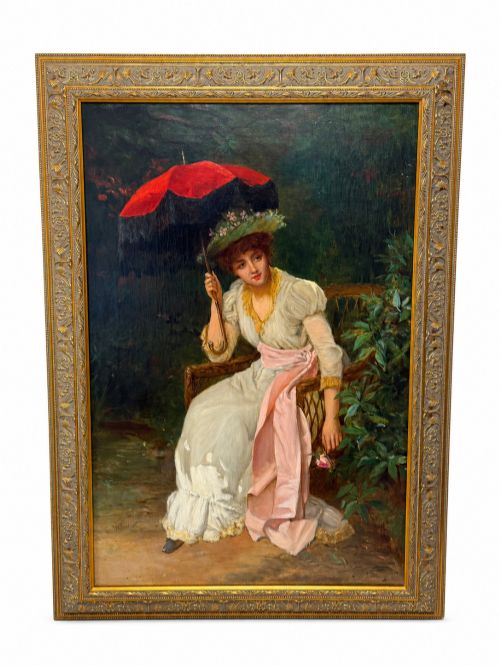
One lady painted by William Oliver poses outdoors with a bright red parasol, ready for a sunny nineteenth-century stroll.
Defining characteristics of quality
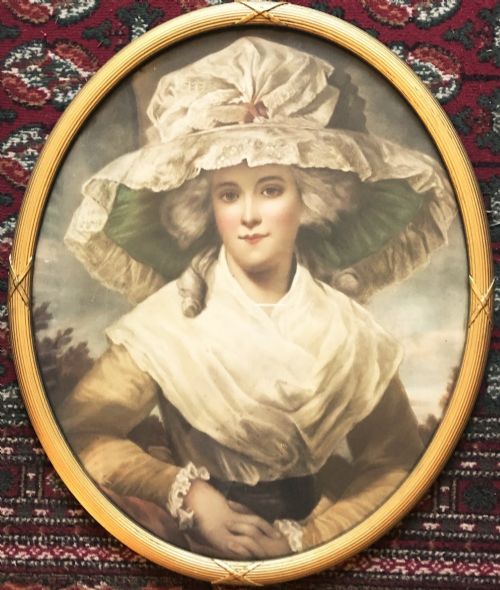
The distinction between standard works and master examples lies in the precision of brushwork, the psychological depth of the sitter's expression and the handling of light and shadow across fabrics and skin. Superior paintings demonstrate anatomical accuracy and convincing textural rendering in garments such as velvet dresses or feathered hats.
Provenance and documentation also elevate a piece, particularly when the sitter is identified or the artist is recorded. Works bearing signatures, inscriptions on the reverse, or attribution to established academic painters carry greater historical weight than anonymous school pieces.
Dumini Leopoldo·Henrietta Rae·William Oliver·Florence Small·Thomas Edward Roberts·William Henry Knight·John Robert Dicksee·Louis William Desanges·Alexander Maclean·August Heinrich Riedell·William Edward Frost·William Joseph Carroll
The Victorian Oil Painting Female Glossary
- Canvas
- A heavy woven fabric stretched across a wooden stretcher frame to serve as a support for oil paint. It provides a durable and slightly flexible ground for brushwork.
- Gesso
- A plaster-like mixture applied to wooden frames as a smooth base before gilding. It allows for intricate relief moulding and crisp decorative details.
- Giltwood
- Wood that has been coated with a thin layer of gold leaf or gold paint. This technique enhances picture frames with a luminous, reflective finish.
- Academic style
- A tradition of painting produced under the influence of European academies of art. It emphasises rigorous draughtsmanship, idealized forms and classical or mythological themes.
- Neoclassical
- A style inspired by the art and culture of classical antiquity. It prioritises clarity of form, sober colours and dignified compositions.
Victorian Oil Painting Female: Frequently Asked Questions
What periods do these paintings cover?
The works span the nineteenth and early twentieth centuries, encompassing the Victorian era as well as late Georgian and Edwardian periods. Dates range from the early 1800s through to the 1890s.
Most pieces belong to the mid to late nineteenth century, reflecting the dominant portraiture trends of Victorian academic and romantic art.
How were these portraits originally displayed?
Owners displayed these paintings in formal drawing rooms, libraries and private parlours within substantial gilded or wooden frames. They served as family memorials, status symbols or decorative focal points in domestic interiors.
Many larger canvases were commissioned specifically for country houses and town residences, often hung alongside landscapes and narrative history paintings.
How do I care for an antique oil painting?
Keep paintings away from direct sunlight, high humidity and sudden temperature fluctuations to protect the canvas, paint and wooden frame. Dust the surface and frame gently with a dry, soft, lint-free cloth without using liquid cleaners.
Avoid touching the painted surface directly, as natural oils from skin can damage the aged varnish and pigment layers over time.
How can I tell if a portrait is Victorian?
Examine the clothing, hairstyles and headwear of the female sitter, which generally reflect nineteenth-century fashions such as bonnets, feathered hats and structured dresses. Inscriptions on the reverse of the canvas or board often record names, dates or the artist's signature.
The construction methods of the stretcher frames, canvas weaves and framing materials such as gesso and giltwood also provide physical markers of nineteenth-century manufacture.