

Classical Portrait Painting
Classical portrait painting works as an enduring record of status and human likeness, offering direct visual contact with past centuries through oil on canvas and gilded frames.
What Classical Portrait Painting Is
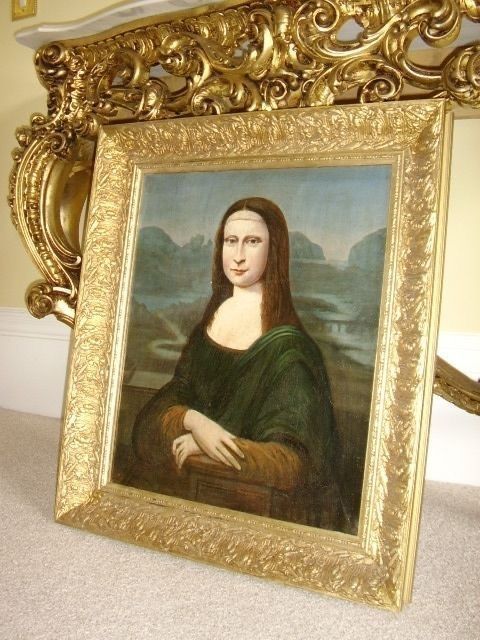
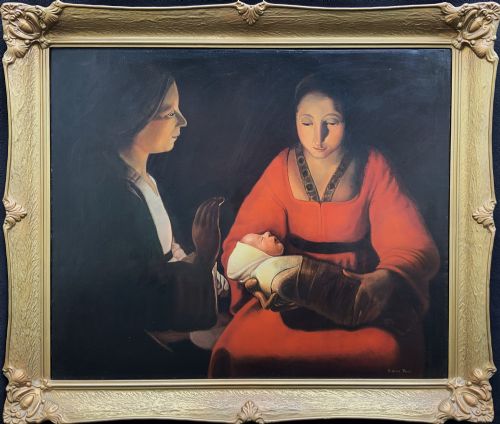
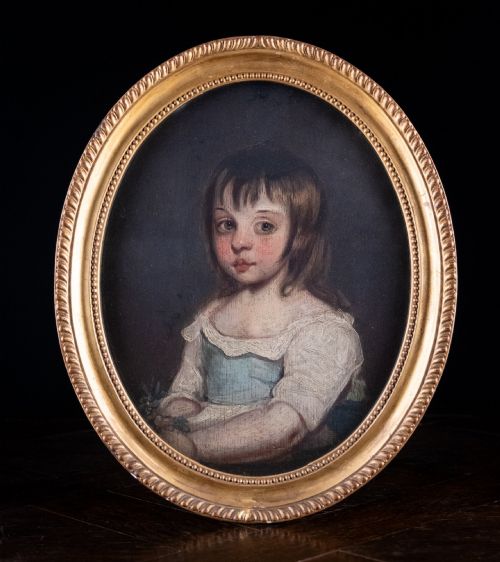
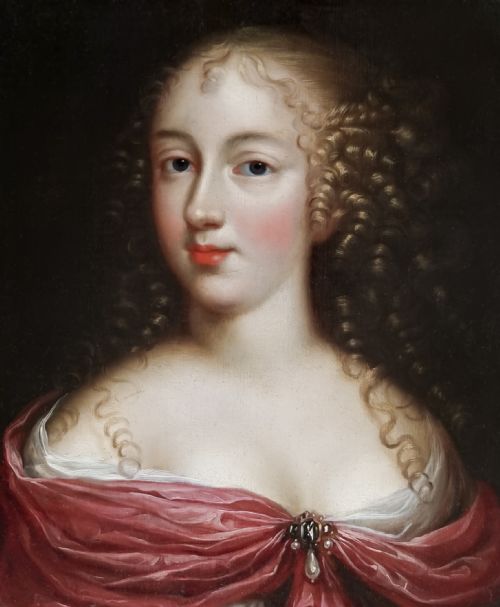
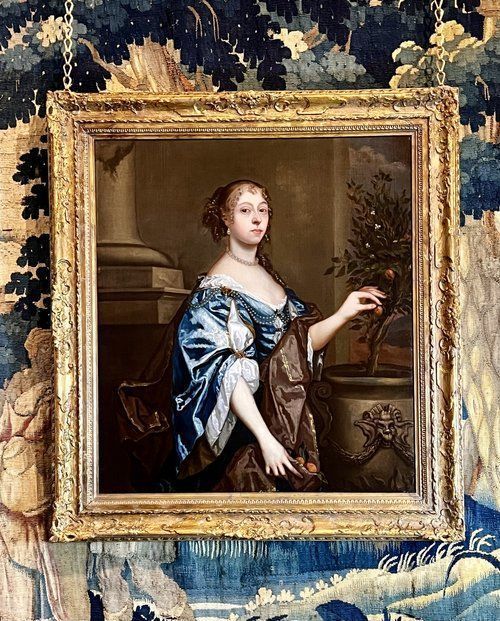
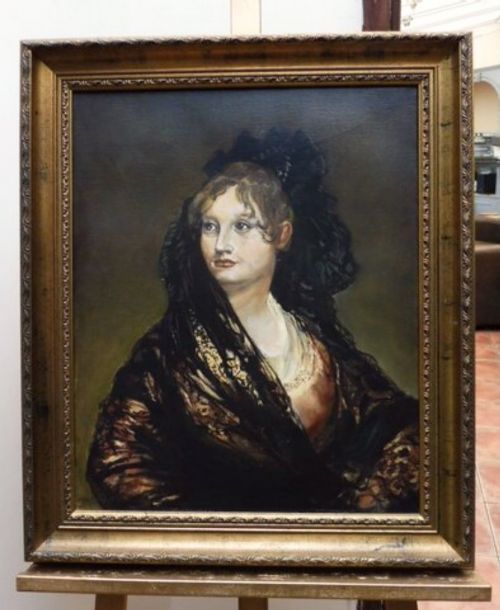
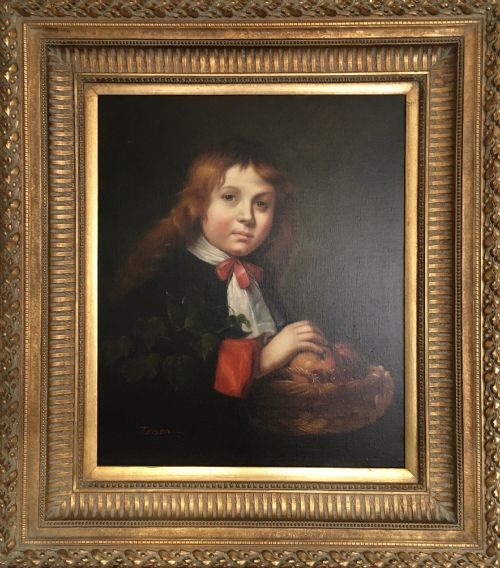
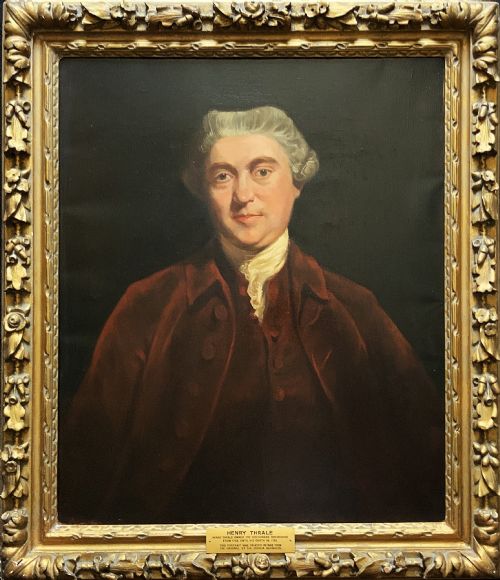
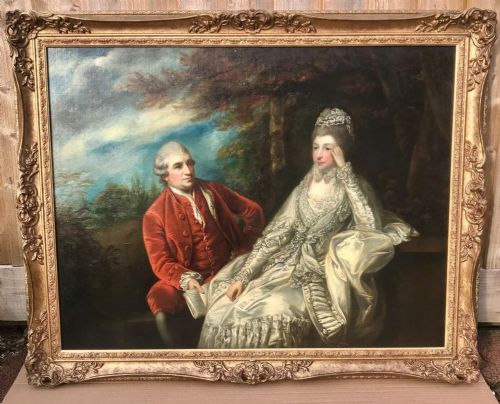
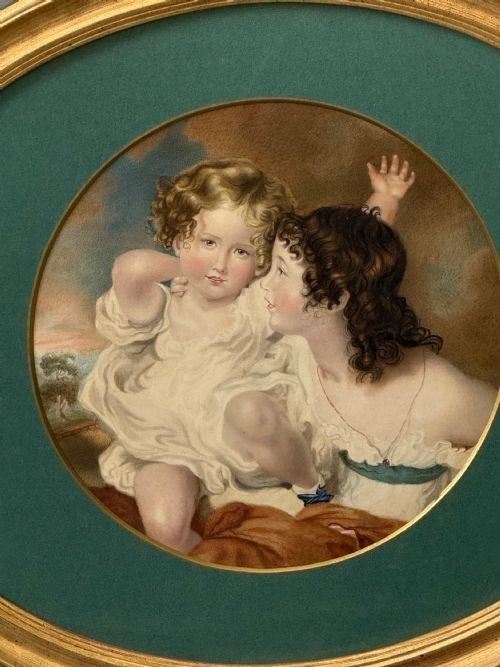
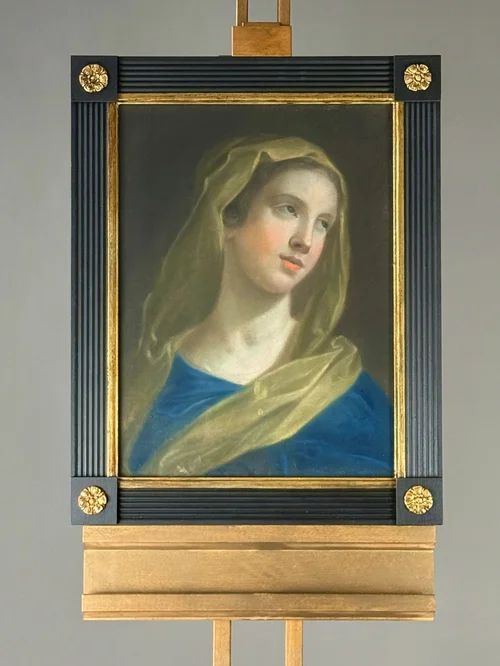
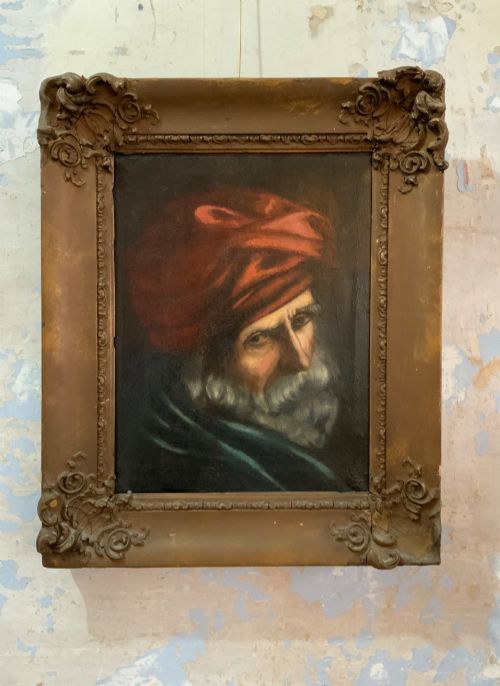
Classical portrait painting brings subjects from the seventeenth, eighteenth, and nineteenth centuries into modern spaces through traditional oil on canvas mediums. These works capture figures ranging from anonymous young women and philosophers to specific sitters rendered by named British and Italian hands.
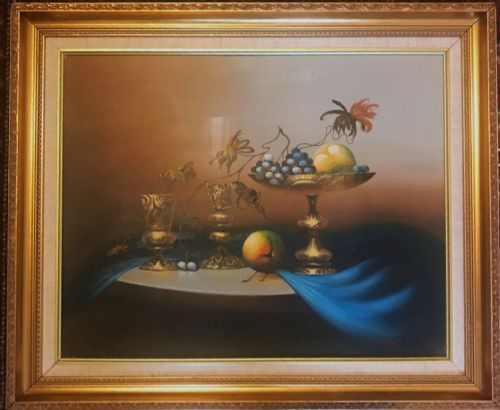
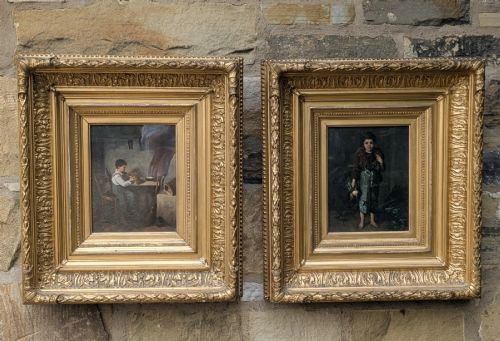
The most common examples on this page are oil paintings executed on canvas or panel, frequently housed in period gilt wood frames. These pieces span Georgian, Regency, and Baroque sensibilities, recording the changing fashions of posture, dress, and background landscapes over three hundred years.
What Varies in Quality
The distinction between ordinary workshop output and superior work rests on the handling of light, anatomical precision, and psychological depth in the sitter's expression. Masterful brushwork captures the texture of fabrics and the subtle warmth of skin, whereas lesser works rely on formulaic shading and stiff posture.
Framing and preservation also dictate standing, as original period gilt wood and gesso frames enhance the integrity of the piece. Works retaining their untouched canvas and stable ground layers command greater respect from collectors than heavily restored examples.
Retail Price Guide 2026
Typical UK retail prices for classical portrait painting, calculated from the Sellingantiques database of over a million retail prices indexed since 2003. This retail price guide relies exclusively on Sellingantiques data; no external sources or auction records are used, so the figures do not describe the wider market.
Philosophers, prophets, and nymphs occasionally share wall space with stern Georgian matriarchs and unnamed children.
Sir Allan Ramsay·Mary Beale·Antonio Ribas Y Oliver·George Romney
The Classical Portrait Painting Glossary
- Oil on Canvas
- Pigment bound in drying oil applied to a woven fabric support. This combination allowed artists to blend tones smoothly and achieve deep luminosity.
- Gilt Wood
- Timber carved and coated with gold leaf or metal powder. It provides a bright, reflective border that isolates the painting from its surroundings.
- Gesso
- A paint mixture consisting of a neutral pigment, chalk, and binder used to prepare wood or canvas surfaces. It creates a smooth, absorbent base for oil application.
- Baroque
- An artistic style prevalent from the seventeenth century characterised by dramatic use of light, shadow, and emotional intensity. Portraits from this era emphasise theatrical presence.
Frequently Asked Questions
How do I date a classical portrait?
Dating relies on examining the sitter's costume, hairstyle, and the preparation of the canvas. Period frames and written attributions on the reverse also provide clues.
Comparing brushwork techniques with documented works from specific centuries helps confirm the era of production.
Where were these paintings displayed originally?
These works hung in the reception rooms, galleries, and staircases of country houses and town residences. They served to project family lineage, scholarly pursuits, or social standing.
Today, they function well in domestic interiors, anchoring a room with historic gravity.
How should I clean an oil painting?
Surface dust should be removed gently with a soft, dry brush by someone experienced in textile or art care. Aggressive wiping damages the delicate varnish and pigment layers.
Professional conservators should handle deeper cleaning and varnish removal to preserve the integrity of the canvas.
What is an attribution?
An attribution assigns a work to a particular artist or studio based on stylistic similarities and historical evidence. Terms like manner of or studio of indicate work produced close to the master.
This terminology clarifies the relationship between the canvas and the named hand.