
Classical Portrait Canvas
A classical portrait canvas captures the enduring dignity of historical subjects through traditional painted media.
Classical Portrait Canvas
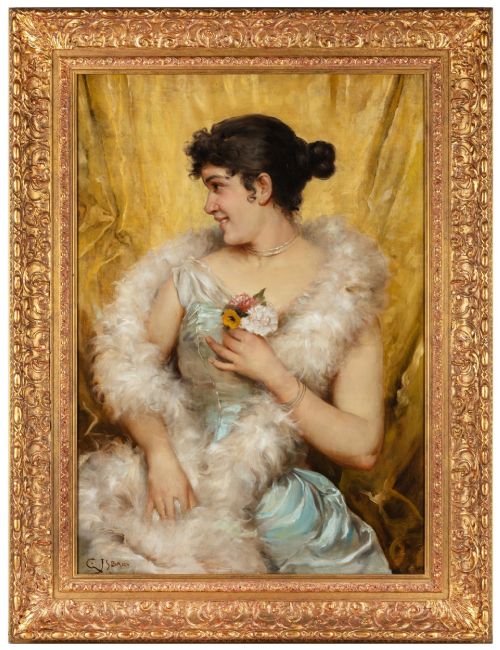
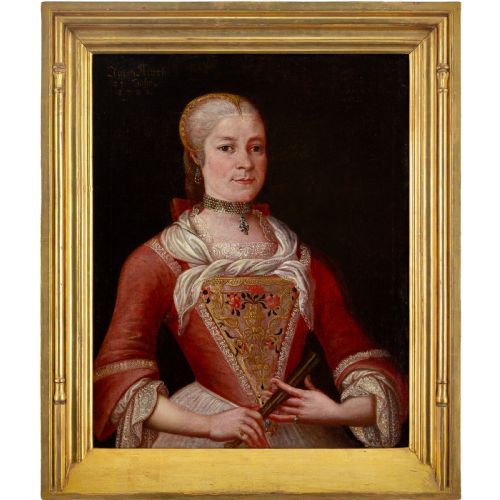
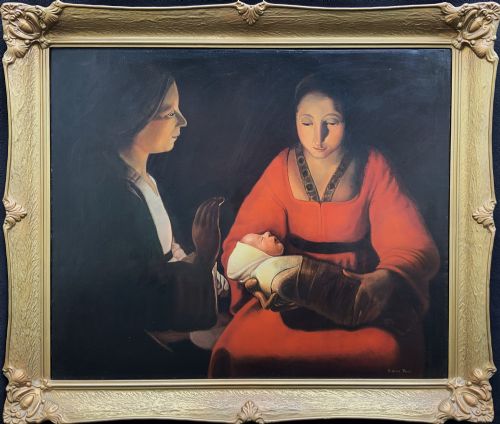
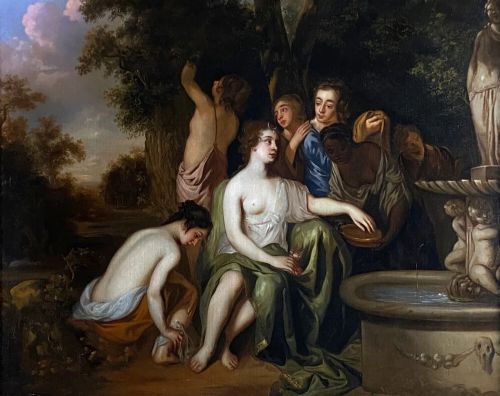
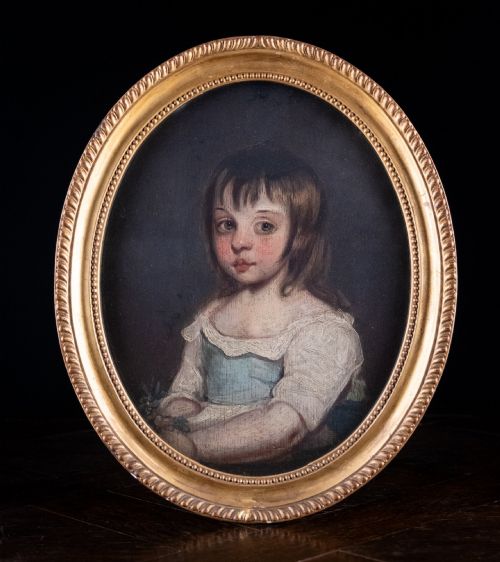
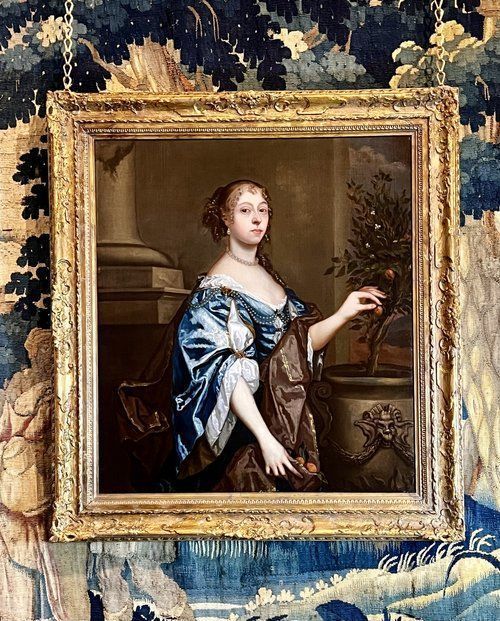
A classical portrait canvas represents historical figures, nobility, and imagined mythological characters rendered in traditional painting styles. Buyers searching this phrase encounter works ranging from 17th-century European school paintings to later revival pieces and studies after old masters.
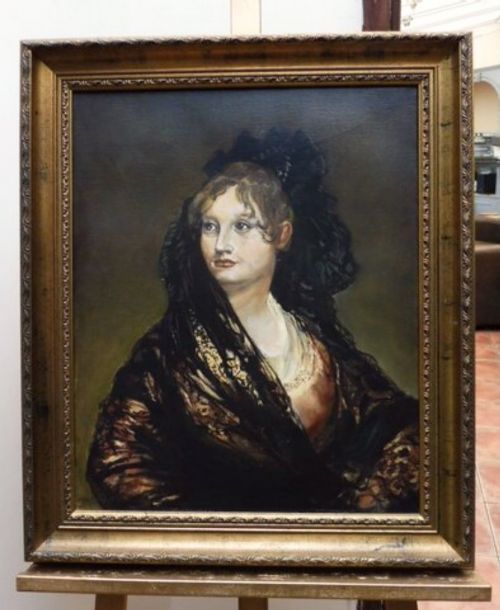
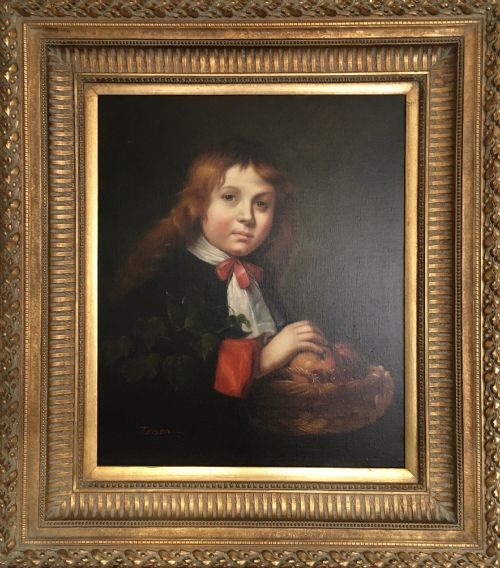
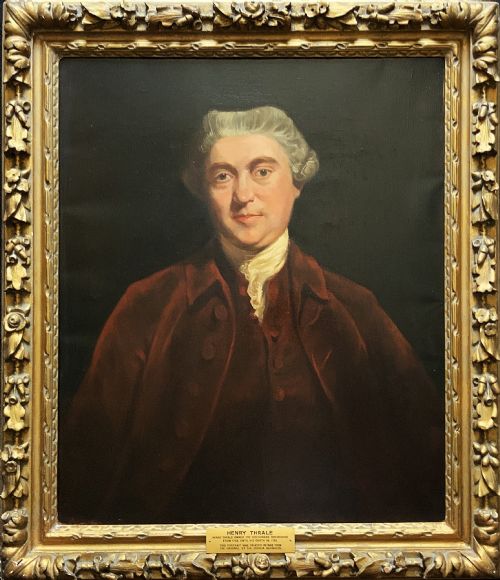
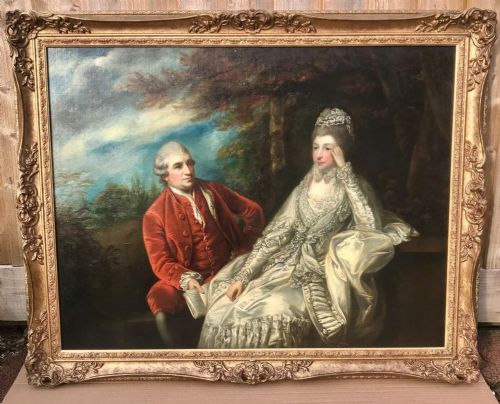
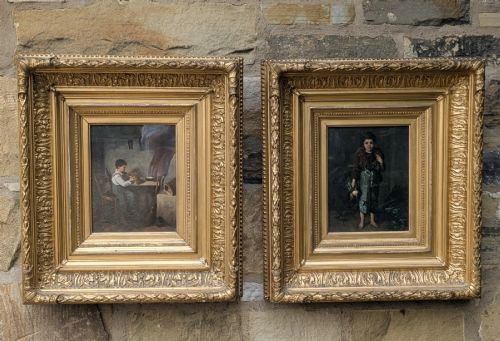
The most common formats on this page include framed oil paintings on canvas depicting individual sitters, pairs, and allegorical scenes. These works span periods from the Baroque and Georgian eras through to Victorian interpretations and mid-century reproductions.
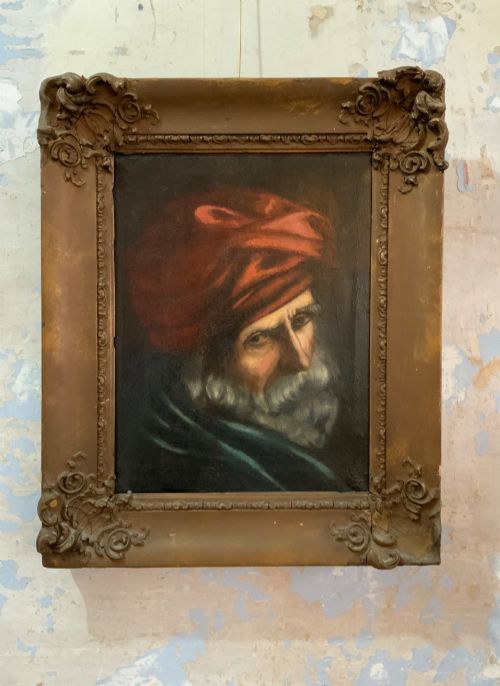
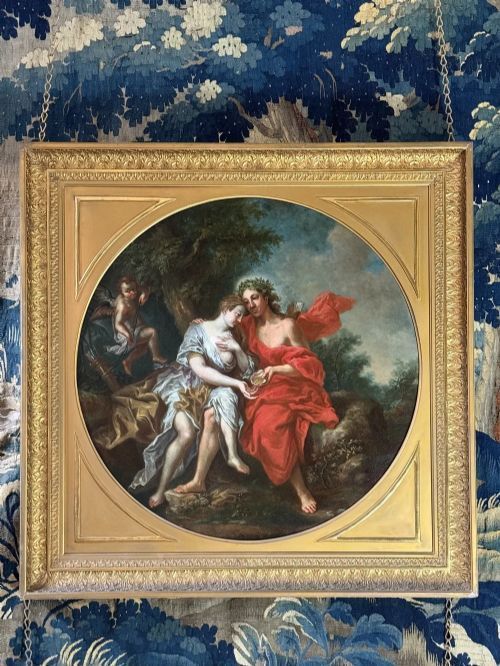
The subjects extend beyond simple likenesses to include mythological narratives, sibyls, and idealized country youths set within painted landscapes or interior spaces. Each piece reflects the aesthetic conventions of its originating period, whether seventeenth-century Dutch realism or eighteenth-century French elegance.
Materials and Techniques
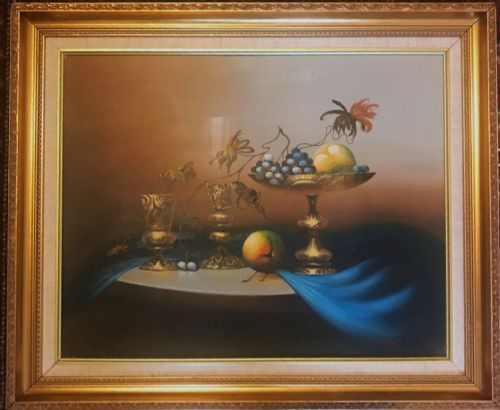
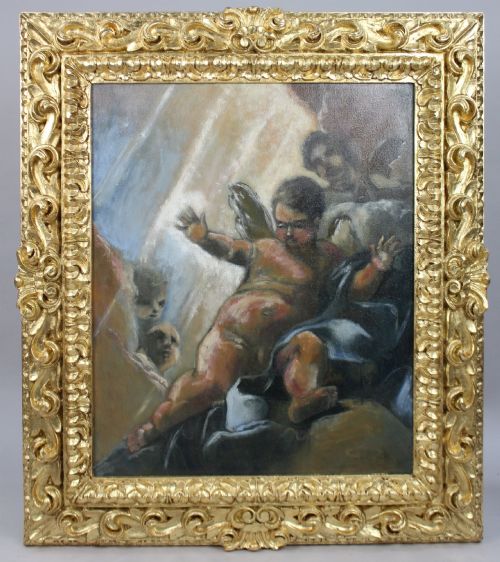
Artists built these works using oil paint applied to woven canvas stretched over wooden supports, often housed within heavy carved giltwood or gold leaf frames. The interaction between oil pigment and canvas allowed painters to achieve subtle gradations of light and shadow, particularly in facial modeling and fabric folds.
Many historical works rely on traditional ground layers and glazing techniques developed during the Renaissance and Baroque periods to create depth and luminosity. Supporting structures typically consist of timber stretchers and period frames constructed from wood and gilt composition.
Several portraits feature subjects holding unexpected props, including oranges, vases, and veiled headdresses.
Assessing Artistic Quality
Quality in a classical portrait canvas rests primarily in the anatomical conviction of the figure, the handling of drapery, and the psychological depth conveyed in the sitter's expression. Superior examples demonstrate confident brushwork and precise control over light, whereas lesser works rely on stiff proportions and flat application.
The integrity of the canvas and the preservation of the original oil paint layers further distinguish finer pieces from heavily restored or decorative studio copies. Original framing, where contemporary with the canvas, also contributes to the historical completeness of the artwork.
Sir Peter Lely·Pieter Borsseler·Joshua Reynolds·Charles-Antoine Coypel·Pietro Fachetti·Bartholomeus van der Helst·Allan Ramsay·Robert Byng·Bernardino Luini·John Opie·Toussaint Gelton·Guillaume Courtois·William Jones of Bath·Jean-Baptiste Greuze·Theodore Jensen·John Ferneley Senior
The Classical Portrait Canvas Glossary
- Oil on Canvas
- Pigment bound in a drying oil applied directly to a woven fabric support. This combination forms the standard physical foundation for historical Western painting.
- Giltwood
- Timber that has been coated with a thin layer of gold leaf or metallic powder. Frames finished in this manner frequently accompany classical portraits.
- Baroque
- An artistic style spanning the seventeenth and early eighteenth centuries characterised by dramatic lighting, intense emotion, and dynamic composition. Portraits from this period often employ deep shadows and rich colour palettes.
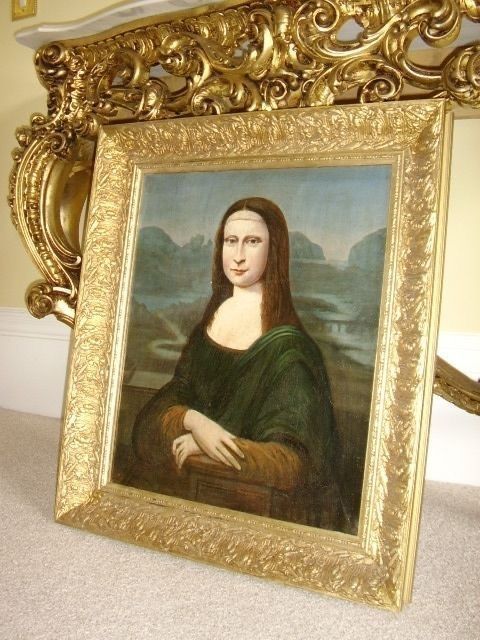
- Renaissance Revival
- A nineteenth-century movement where artists imitated the forms, techniques, and subjects of fifteenth and sixteenth-century masters. Works in this style frequently appropriate famous compositional layouts.
- Circle of
- A designation used when a painting originates from an unidentified artist working closely within the studio environment of a master. These pieces reflect the dominant style of a recognised painter without bearing a direct signature.
Classical Portrait Canvas: Frequently Asked Questions
What is a classical portrait canvas?
A classical portrait canvas is an oil painting on fabric depicting historical, mythological, or aristocratic subjects in traditional European styles. These artworks range from original seventeenth and eighteenth-century paintings to later nineteenth-century interpretations and studio copies.
Buyers typically select these pieces to bring traditional gravitas and historical narrative into domestic or institutional interiors. The category encompasses individual sitters, paired compositions, and allegorical figures set within elaborately carved frames.
How should I hang a heavy framed canvas?
Heavy framed oil paintings require robust wall anchors secured directly into masonry or wooden wall studs to support the combined weight of the canvas and wood frame. Professional picture-hanging hardware rated specifically for the weight of the artwork ensures structural security.
Position the painting at eye level away from direct sunlight and heat sources to protect the oil pigments and canvas from environmental stress. Adequate lighting from above can highlight the texture of the brushwork and the detail of the gilt frame.
How can I tell an original period painting from a later copy?
Distinguishing period originals from later copies involves examining the ageing characteristics of the canvas, the composition of the oil paint, and the construction of the stretcher frame. Older canvases often exhibit natural craquelure, oxidation of the varnish, and hand-woven textile irregularities.
Stylistic execution also offers strong clues, as period hands demonstrate an inherent fluency with historical anatomy and pigment blending that academic copies sometimes lack. Studio works and later tributes frequently display modern canvas preparation techniques or machine-made stretcher components.
What periods are common in classical portrait art?
The most frequent periods found in these collections include the seventeenth-century Baroque era, the eighteenth-century Georgian and Rococo periods, and nineteenth-century revivals. Each era brings distinct clothing styles, framing conventions, and approaches to portrait lighting.
Seventeenth-century works often feature dramatic chiaroscuro and stiff lace collars, while eighteenth-century portraits favor softer pastel tones and flowing garments. Victorian and later revival pieces frequently reinterpret these earlier aesthetics using nineteenth-century canvas materials.