



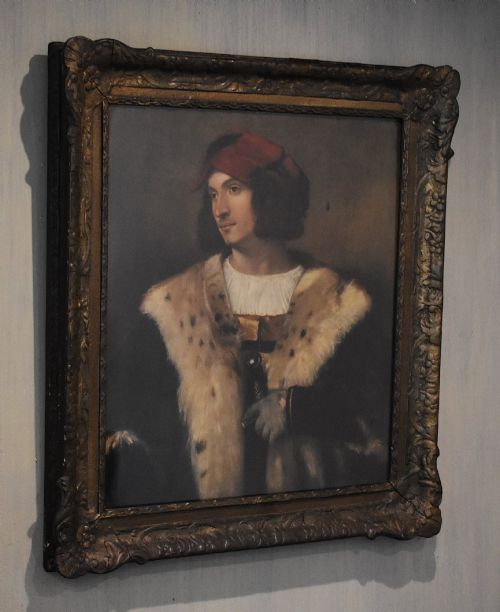


Italian Renaissance Wall Art
These pieces of italian renaissance wall art capture centuries of artistic mastery through devotional oils, detailed engravings, and traditional panels.
Italian Renaissance Wall Art
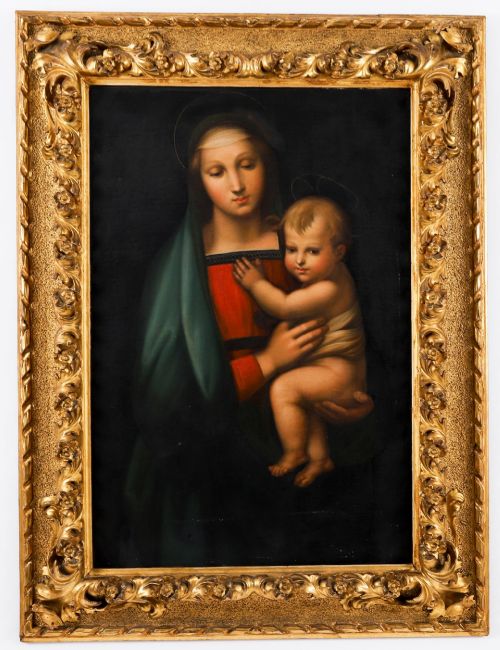
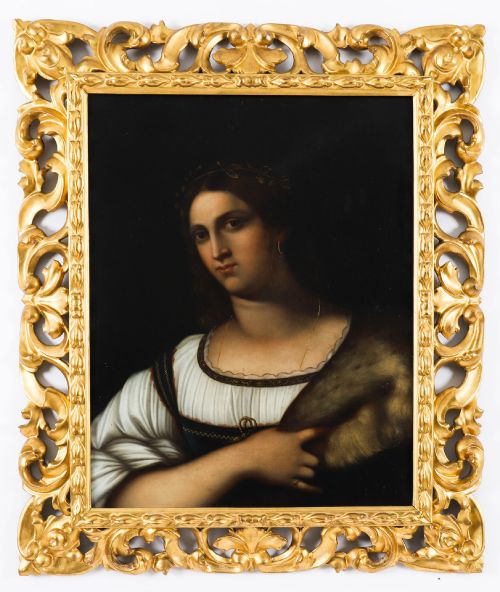
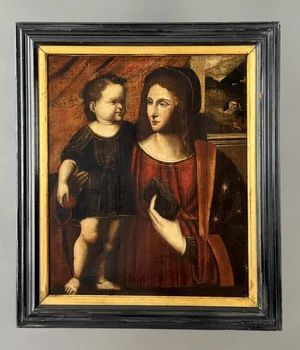
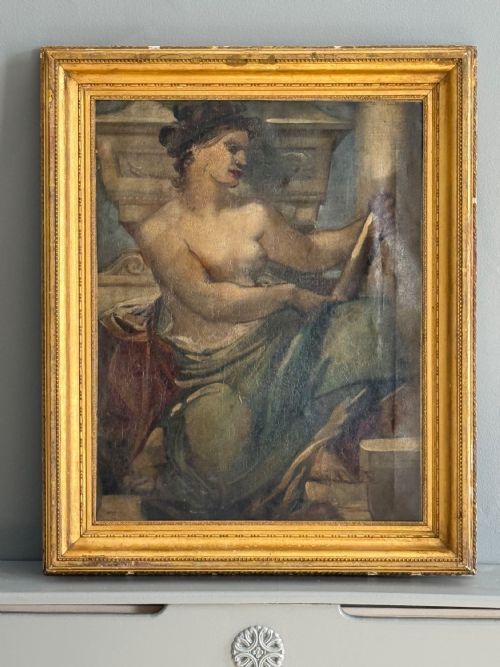
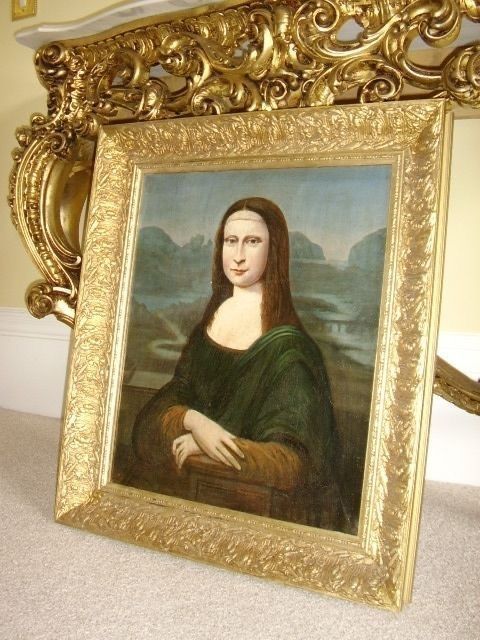
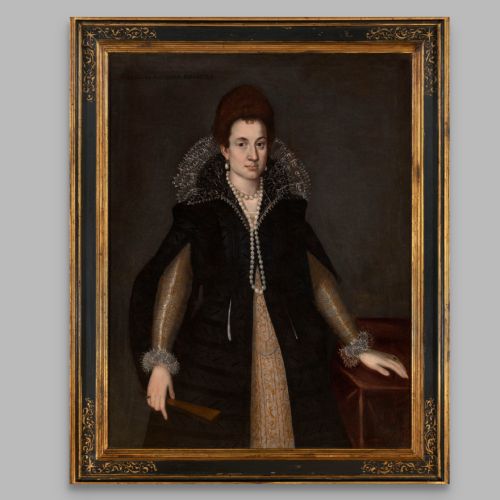
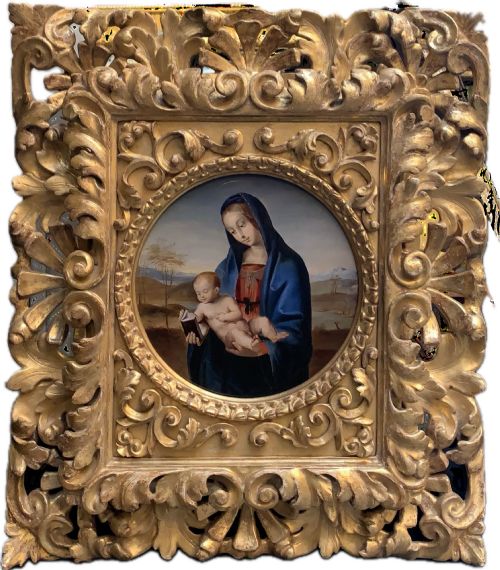
Italian renaissance wall art encompasses painted canvases, framed prints, wood panels, and decorative plaques that interpret historical compositions. The selection frequently includes devotional subjects like the Madonna and child, alongside formal portraiture derived from major historical masters.
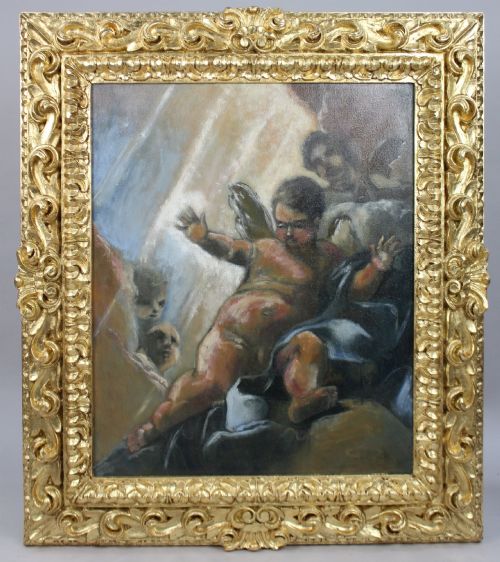
Buyers often encounter works produced centuries after the original periods, ranging from nineteenth-century revival interpretations to period copies executed on canvas or wood. These pieces vary widely in medium, spanning oil paintings, watercolours, and chromolithographs set within period frames.
The aesthetic bridges classical religious iconography and domestic decoration, drawing heavily on motifs established during the fifteenth and sixteenth centuries. Such artworks serve as traditional focal points for period interiors and collector displays alike.
Materials and construction
Traditional oil on canvas and painted wood panels form the structural foundation of these works, frequently accompanied by paper prints and engravings. Artisans utilised gold leaf and carved giltwood to construct ornate frames that complement the classical imagery.
Surface techniques range from fine brushwork in oil mediums to copperplate engravings and decorative faience plaques. Many items rely on hand-applied pigments over prepared wooden grounds or canvas supports, adhering to historical workshop practices.
Italian Renaissance Wall Art Retail Price Guide 2026
Typical asking prices for italian renaissance wall art among the pieces listed under this phrase on Sellingantiques today, from the lower quarter to the upper quarter. They describe what is for sale here now, not the wider market.
The inventory incorporates sixteenth-century devotional panels alongside twentieth-century revival prints.
Assessing quality
The nuance of brushwork and the precision of draughtsmanship distinguish high-calibre interpretations from standard decorative copies. Superior examples demonstrate a careful handling of light and proportion that mirrors the depth of the original source material.
Framing integrity also plays a significant role in the overall standard, with hand-carved giltwood mouldings offering greater historical coherence than later replacements. The quality of the underlying support, whether seasoned timber or fine canvas, underpins the longevity of the artwork.
Pietro Fachetti·Bernardino Luini·Paolo Veronese·Icilio Federico Joni·Antonio Allegri·Scipione Pulzone·Raffaello Sanzio·Giovanni Battista Moroni·Rosso Fiorentino·Girolamo Dai Libri·Gian Federigo Bonzagna
The Italian Renaissance Wall Art Glossary
- Giltwood
- Wood that has been treated with a thin layer of gold leaf or gesso preparation. This material is characteristic of decorative antique frames.
- Tavolette
- Painted wooden panels often utilised for book cover bindings or small devotional works. They reflect specific regional aesthetics such as the Sienese Biccherna tradition.
- Chromolithograph
- A multi-coloured print produced through a specialised lithographic process. This technique allowed for the accurate reproduction of historical paintings during the nineteenth and early twentieth centuries.
- Faience
- Tin-glazed earthenware pottery shaped into decorative plaques or vessels. It provides a ceramic surface for painted figurative scenes.
- Pilaster hangings
- Vertical decorative panels designed to mount directly onto wall surfaces. They typically feature classical ornamentation or architectural motifs.
Italian Renaissance Wall Art: Frequently Asked Questions
What periods do these pieces represent?
The selection spans authentic sixteenth-century works as well as subsequent interpretations from the eighteenth and nineteenth centuries.
Revival movements also introduced later nineteenth-century and twentieth-century homages to earlier Renaissance compositions.
Are these works original paintings?
The category includes original period paintings alongside historical studio copies and high-quality fine prints after major masters.
Each listing specifies whether the piece is an oil on canvas, a painted wood panel, an engraving, or a lithograph.
How should I hang heavy giltwood frames?
Substantial carved giltwood frames require secure wall anchors and appropriate load-bearing fixings matched to your wall type.
Professional framing installation is recommended to support the combined weight of the timber and canvas safely.
What subjects are most common?
Religious iconography, particularly depictions of the Holy Family, Madonna and child, and saints, appears frequently across the selection.
Formal portraiture and decorative architectural panels also represent a significant portion of the available artworks.