



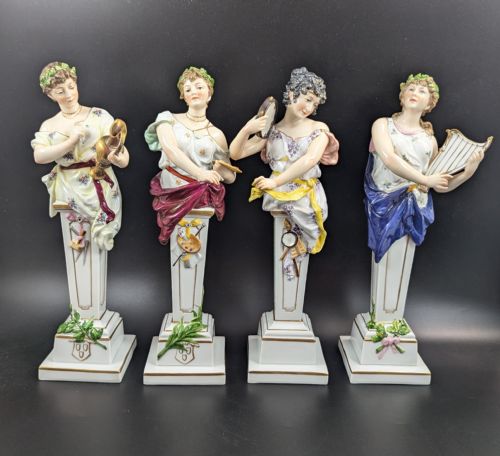

Classical Porcelain Art
These classical porcelain art pieces offer sculptural elegance and painted detail, bringing refined Neoclassical and Victorian charm directly into your interior.
Classical Porcelain Art
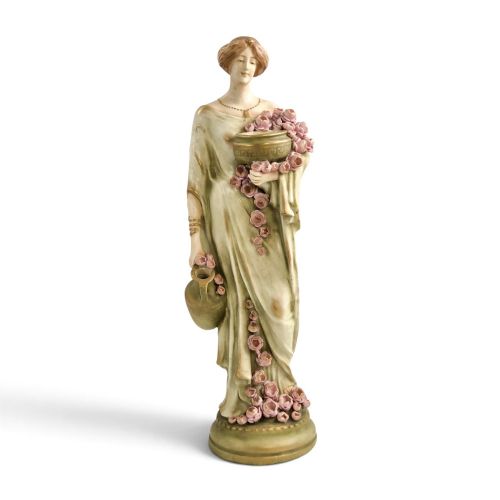
When you search for classical porcelain art, you encounter a selection of sculpted figures, decorative plaques, and busts originating from the nineteenth and early twentieth centuries. These works draw heavily upon Neoclassical and Victorian aesthetic traditions, translating mythological scenes and graceful human forms into ceramic media.
The objects on this page most commonly appear as figurines and wall plaques representing historical or allegorical subjects. You will frequently find works from the nineteenth century alongside later pieces influenced by Art Nouveau and Art Deco designs.
Makers such as Royal Dux, Eichwald, Achille Mollica, and Copeland represent the primary origins of these pieces. Their output ranges from monumental porcelain figures to delicate Parian ware busts of literary and royal figures.
Materials and construction methods
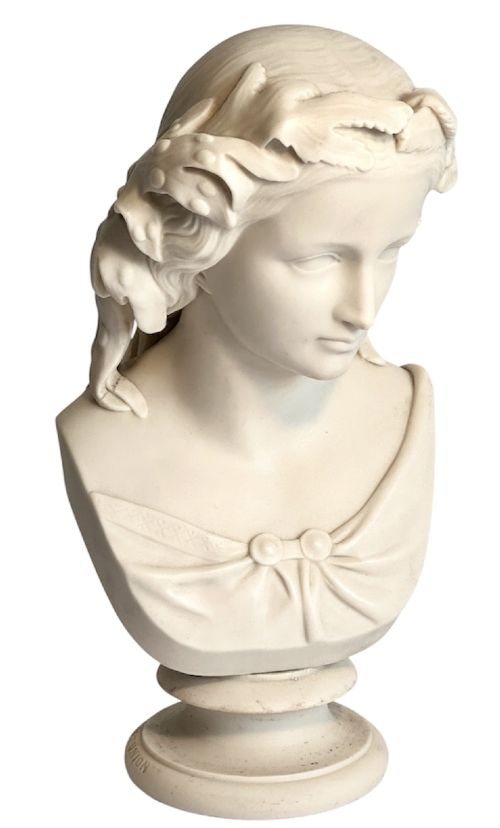
The manufacture of these pieces relies primarily on porcelain and Parian porcelain, a fine ceramic material developed to imitate marble. Artisans shaped these materials through moulding and casting before applying detailed hand-painting and enamel work.
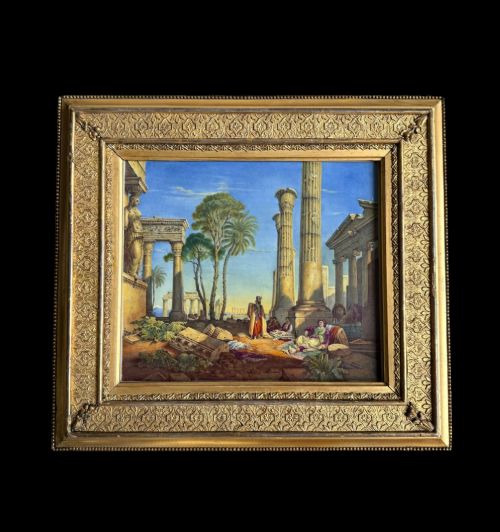
Many items incorporate gilding and gold leaf accents to highlight sculptural borders, garments, and architectural details. Certain decorative chargers and figures also integrate secondary materials like wood and giltwood in their presentation.
Classical Porcelain Art Retail Price Guide 2026
Typical asking prices for classical porcelain art among the pieces listed under this phrase on Sellingantiques today, from the lower quarter to the upper quarter. They describe what is for sale here now, not the wider market.
Listings feature items from the 19th Century, Edwardian era, and the 1920s, utilising porcelain, Parian porcelain, and ceramic materials.
Assessing quality and execution
Quality in these porcelain works depends largely on the crispness of the modelling and the delicacy of the facial expressions and drapery. Superior pieces retain fine anatomical definition and clean separation between glazed and unglazed surfaces.
The application of enamel and gilding further distinguishes finer examples, where hand-painted details remain sharp and vibrant rather than flat or uniform. The presence of clear factory marks and artist signatures adds considerable authority to individual sculptures.
Royal Dux·Eichwald·Achille Mollica·Copeland·Alois Hampel
The Classical Porcelain Art Glossary
- Parian porcelain
- A fine-grained, unglazed ceramic material resembling white marble, frequently utilised for nineteenth-century busts and classical figures.
- Gilding
- The application of gold leaf or powdered gold to ceramic surfaces to create decorative metallic accents.
- Charger
- A large ornamental decorative plate intended for display on a wall or sideboard rather than for dining use.
- Bust
- A sculpted representation of a person's head, shoulders, and upper chest, commonly produced in porcelain or Parian ware during the Victorian era.
- Enamel
- Vitreous coloured glass fused to the porcelain surface through firing to create painted pictorial scenes and polychrome details.
Classical Porcelain Art: Frequently Asked Questions
How do I clean antique porcelain figures?
Dust these delicate ceramic sculptures gently with a soft, dry brush to prevent accumulation. Avoid using water, abrasive cloths, or chemical cleaning solutions that might damage the enamel or gilding.
Keep pieces away from direct sunlight and areas subject to sudden temperature fluctuations to preserve the ceramic body over time.
Where were these porcelain pieces made?
The objects originate from various European ceramic manufactories active during the nineteenth and early twentieth centuries. Many come from prominent regional workshops in Bohemia, Germany, Austria, and England.
Each factory employed distinct moulding techniques and stylistic traditions, which often appear in the impressed numbers or painted marks on the base.
What is Parian ware?
Parian ware is a specific type of bisqueware porcelain designed to mimic the appearance of carved white marble. It gained immense popularity in the nineteenth century for producing faithful portrait busts and classical figures.
The material is left unglazed to showcase its smooth, matte texture and subtle translucency.
How can I date my porcelain figurine?
Dating relies primarily on factory marks, impressed model numbers, and stylistic cues such as Art Nouveau or Victorian dress. Examining the base for maker's stamps or handwritten signatures provides the clearest indication of production age.
The specific composition of the ceramic body and the style of the hand-painted details also help narrow down the period of manufacture.