


Classical Pedestal
A classical pedestal elevates a sculpture or an urn with architectural dignity, bringing a disciplined sense of proportion to a room.
Classical Pedestal
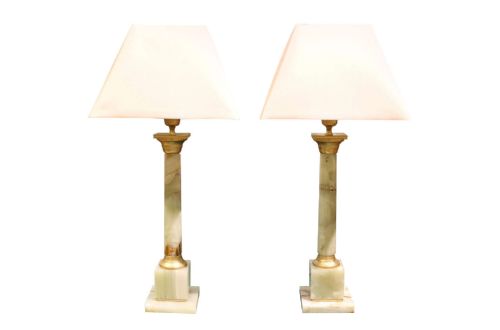
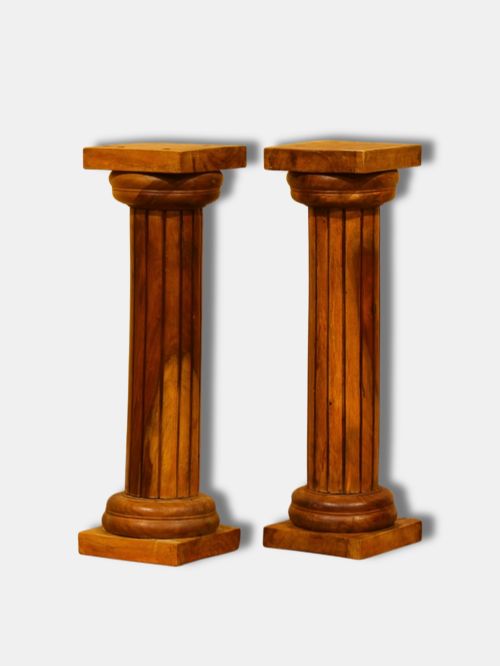
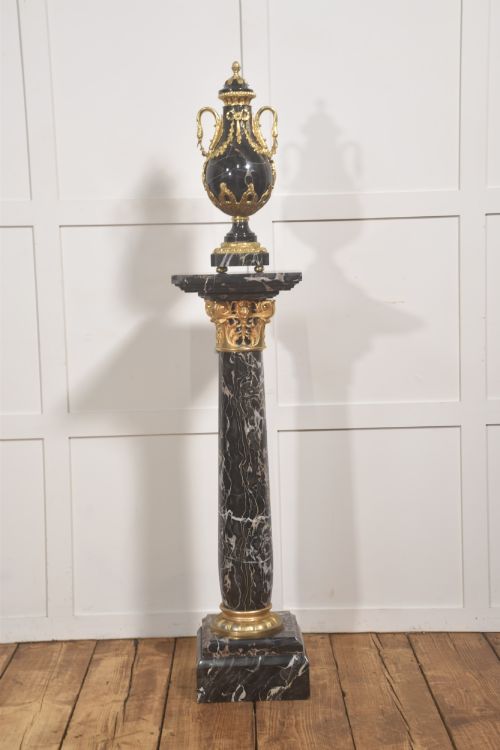
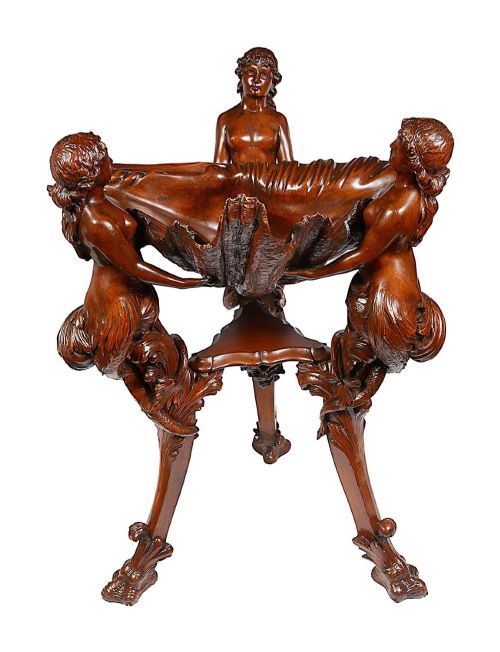
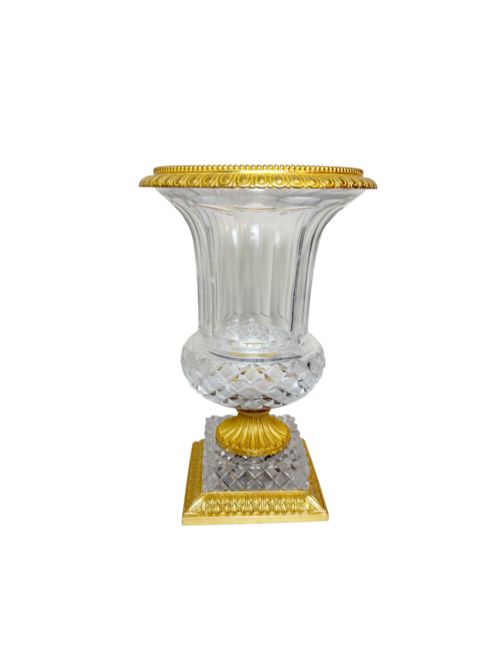
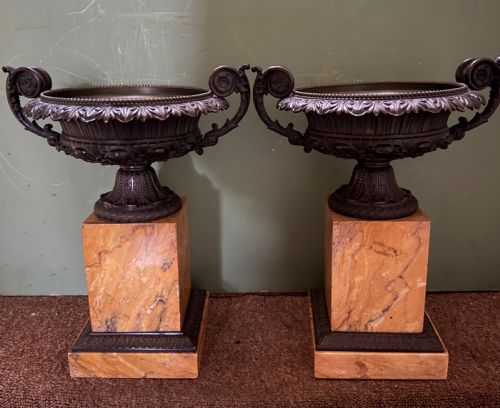
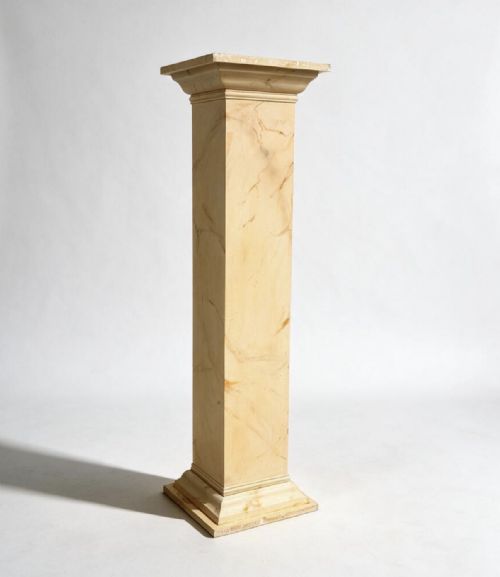
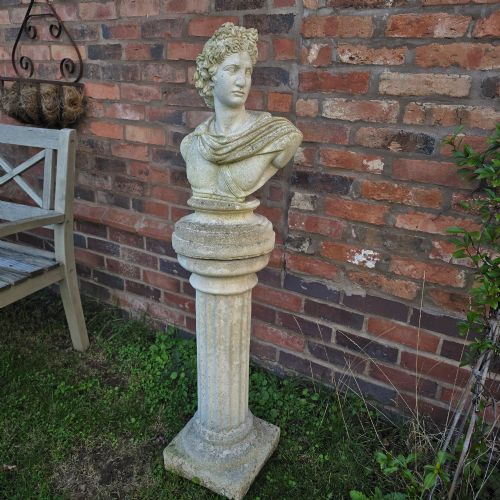
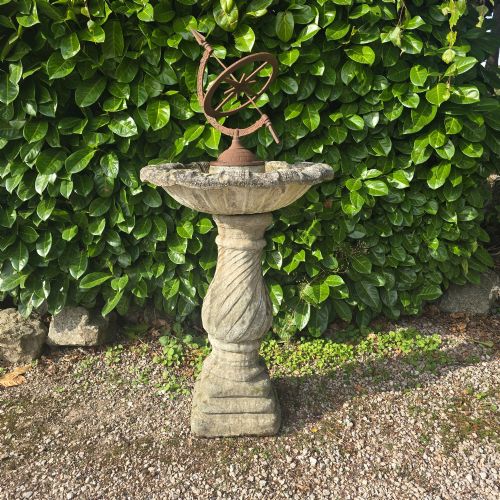
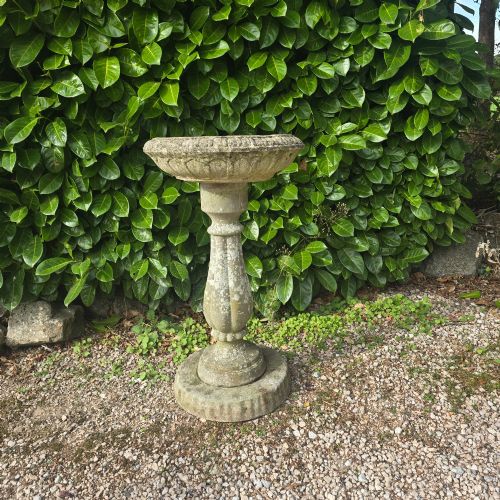
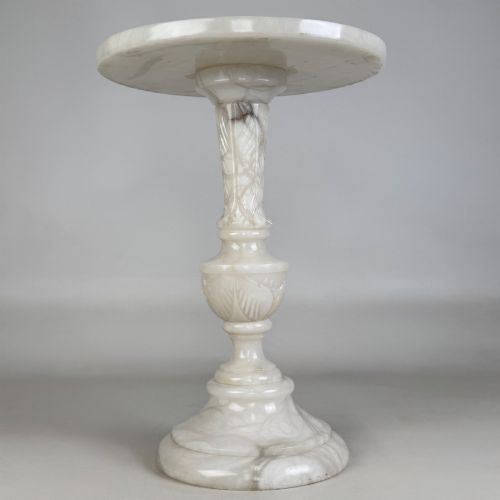
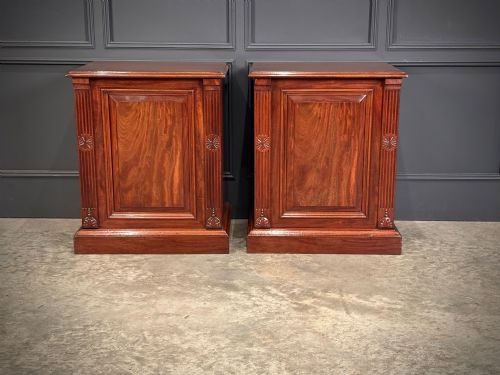
A classical pedestal takes the form of a column, a plinth, or a display stand designed to support decorative objects such as urns, busts, and vases. When searching for a classical pedestal, buyers encounter items rooted in the nineteenth century, the Victorian era, and the Regency period. These forms borrow heavily from ancient architectural orders, presenting fluted shafts, stepped bases, and carved capitals.
The materials span cold stone and polished marble alongside warm timbers like mahogany, walnut, and satinwood. Many examples incorporate cast iron or bronze, particularly when intended for garden settings or grand interiors. On this page, pieces range from tall display columns in onyx or French oak to low stone plinths supporting heavy campana urns.
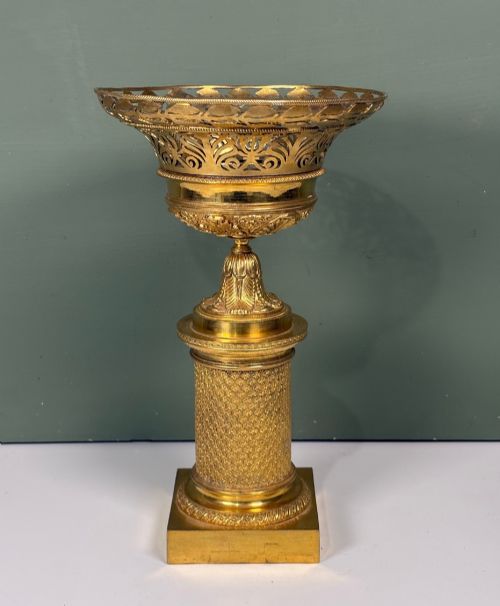
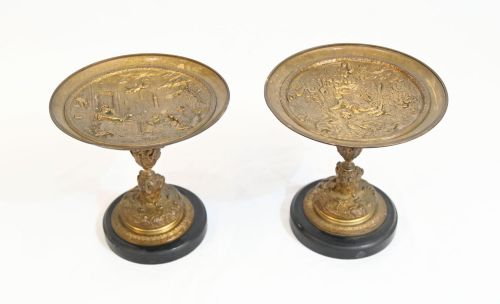
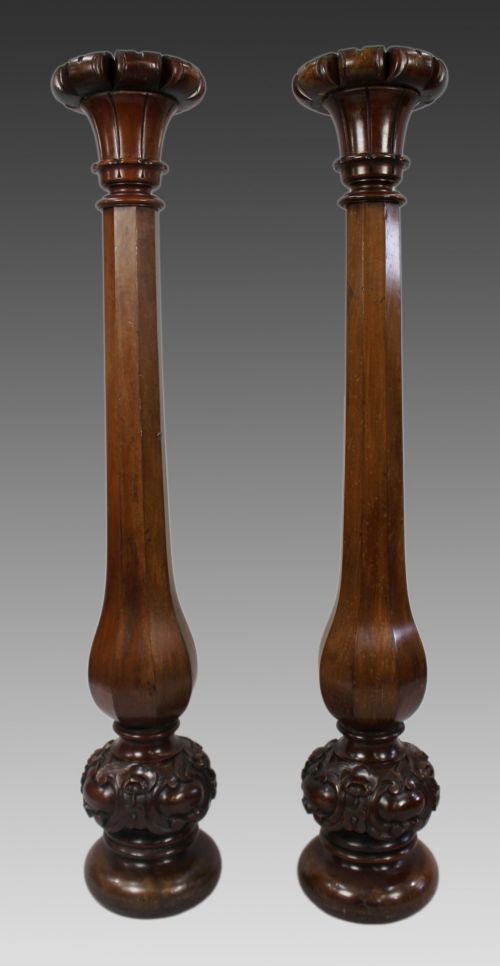
Makers and foundries of the nineteenth century produced these supports to display Grand Tour souvenirs, bronze tazzas, and porcelain vases. The selection includes matched pairs of torcheres alongside single columns designed for display. Each piece relies on neoclassical symmetry to anchor an interior or garden scheme.
Materials and construction methods
Makers utilised solid blocks of marble, onyx, and carrara, turning them on large lathes to create smooth cylindrical columns and fluted shafts. Bronze and ormolu components were cast separately, often using lost-wax methods, before being chased and fire-gilded to sit atop stone collars. In ironfounding, works by foundries such as Coalbrookdale and Carron involved pouring molten iron into sand moulds to form heavy campana urns and sturdy plinths.
Cabinetmakers constructed wooden pedestals and display columns from mahogany, oak, and kingwood, employing mortise and tenon joinery to ensure rigidity under heavy loads. Marquetry and intricate wood veneers appear on French empire and Dutch pieces, contrasting with the severe lines of unadorned stone columns. Weathered terracotta and cast stone pieces designed for gardens relied on regional clay extraction and open-air firing.
Classical Pedestal Retail Price Guide 2026
Typical asking prices for classical pedestal among the pieces listed under this phrase on Sellingantiques today, from the lower quarter to the upper quarter. They describe what is for sale here now, not the wider market.
Listings feature materials spanning Carrara marble, French onyx, cast iron, and mahogany, reflecting production from the Georgian era through the 1930s.
Distinguishing quality in pedestals
The calibre of a classical pedestal rests upon the precision of its carving and the selection of its raw materials. Superior marble columns feature deeply undercut capitals and consistent veining that runs uninterrupted through the shaft. Inferior pieces rely on surface plaster fills or mismatched stone sections glued together during assembly.
Metalwork quality separates standard production items from exceptional works. Fine cast bronze mounts and ormolu collars display crisp chiselling on leaf motifs and acanthus scrolls, whereas lesser examples show soft edges and casting pits. In timber pieces, the tightness of the grain and the depth of the hand-applied polish dictate the overall refinement.
Coalbrookdale·Carron foundry·Andrew Handyside·Royal Vienna·Boschetti
The Classical Pedestal Glossary
- Campana urn
- A bell-shaped garden or decorative vessel with an everted rim, widely cast in iron or carved in stone during the nineteenth century. These urns frequently sit atop classical pedestals to terminate a garden vista.
- Ormolu
- Gilt bronze created by applying a mercury and gold amalgam to a cast bronze object before firing. The technique produces a rich, matte golden surface seen on collars and mounts.
- Torchere
- A tall, slender stand or pedestal originally designed to hold a candle or torch. Antique variants often feature walnut, mahogany, or giltwood construction.
- Fluting
- Vertical parallel grooves carved into the shaft of a column or pedestal. This decorative treatment derives from ancient Greek and Roman architecture.
Classical Pedestal: Frequently Asked Questions
What is a classical pedestal used for?
A classical pedestal provides a stable, elevated platform for displaying sculptures, porcelain vases, or decorative urns. By lifting objects off the floor, these supports draw the eye upward and highlight the finer details of the piece placed upon them.
Historically, they served both interior reception rooms and formal garden landscapes. Today, they remain functional items for structuring a room's focal points.
How do I date a marble pedestal?
Dating a marble pedestal involves examining the geology of the stone, the crispness of the chisel work on the capital, and the assembly methods used at the base. Nineteenth-century examples often utilise hand-cut iron threaded bolts and specific local marbles associated with the Grand Tour.
Tool marks left on concealed undersides offer clues to whether the piece was turned on a steam-powered lathe or carved by hand. Comparing the decorative motifs against known neoclassical pattern books helps narrow the manufacturing window.
Can iron pedestals stay outside?
Cast iron and stone pedestals withstand outdoor exposure provided they are properly maintained and kept clear of standing water. Nineteenth-century garden pieces by foundries like Coalbrookdale were specifically formulated to endure weathering in parklands and courtyards.
Over decades, these outdoor pieces develop a stable patina of verdigris or moss. Wooden and gilded pedestals, however, must remain strictly indoors away from dampness.
How do I style a column pedestal?
Styling a column pedestal depends on matching the scale of the base to the object it supports. A heavy bronze bust requires a dense marble or oak column that will not visually buckle under the weight.
Placing a pedestal in an empty corner or framing a doorway allows the architectural lines to stand out without clutter. Pairing contrasting materials, such as a white Carrara marble bust on a dark mahogany column, creates visual tension.