






Classical Pedestal Stand
These classical pedestal stand designs elevate sculpture, urns and lamps using stone, mahogany and bronze.
Classical Pedestal Stand
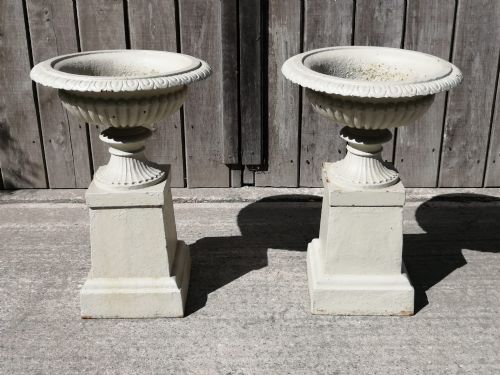
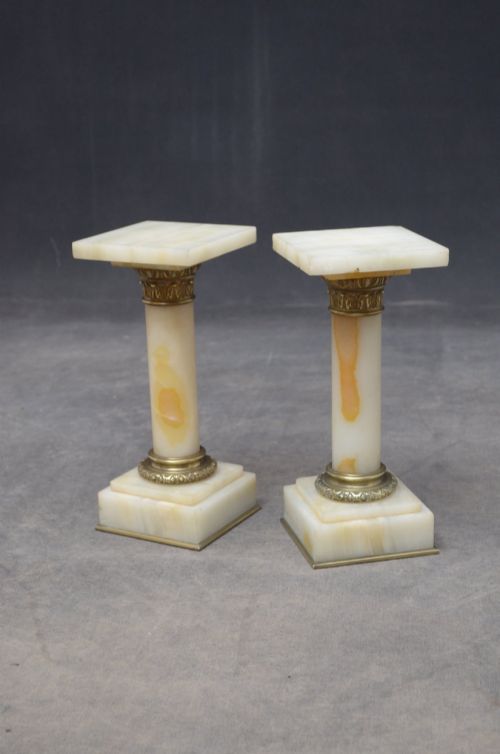
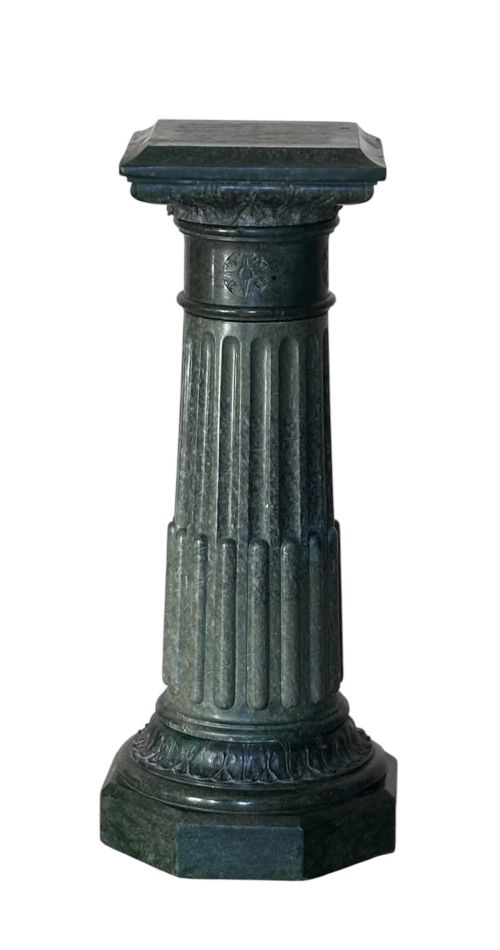
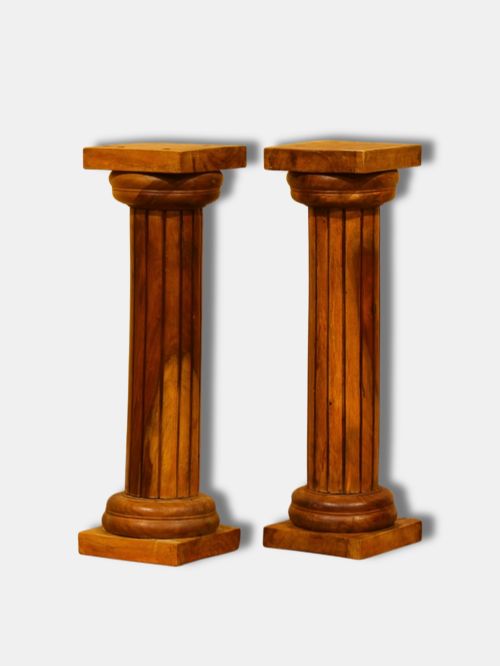
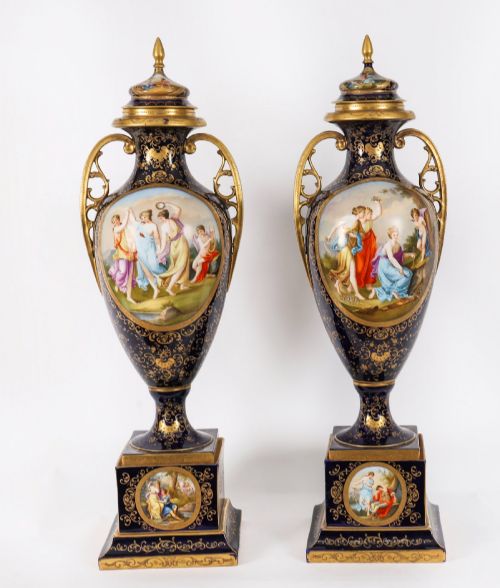
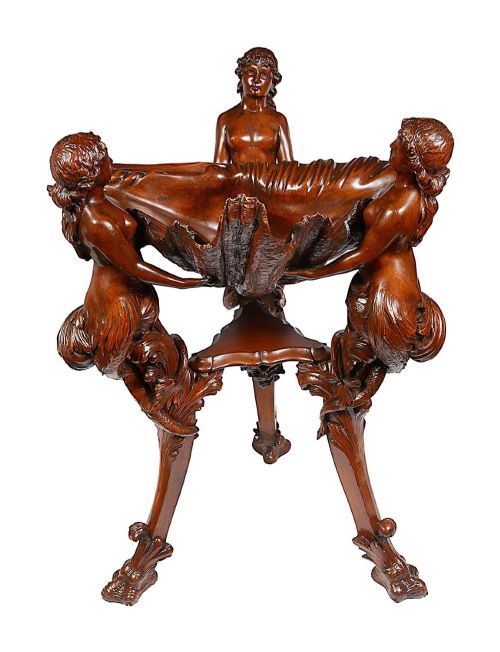
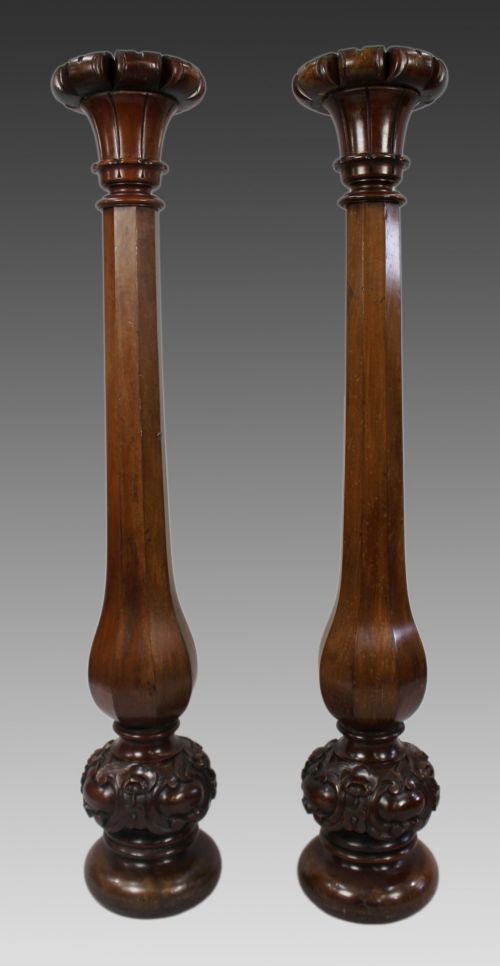
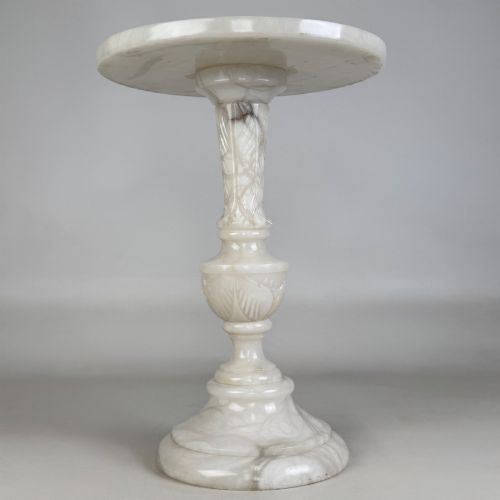
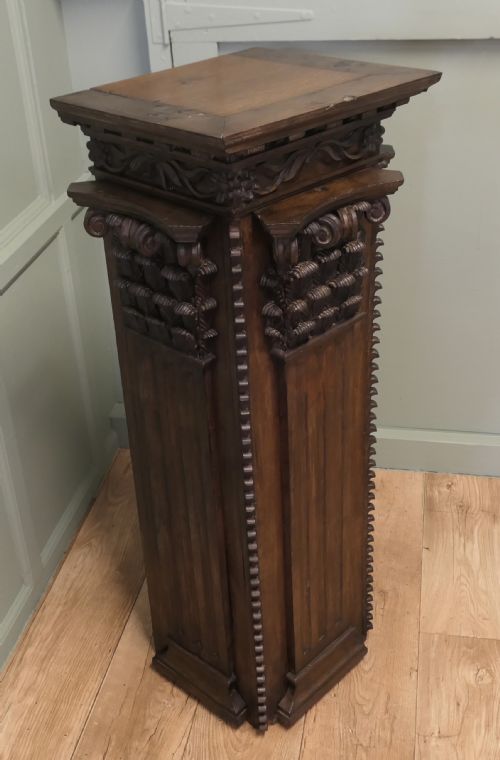
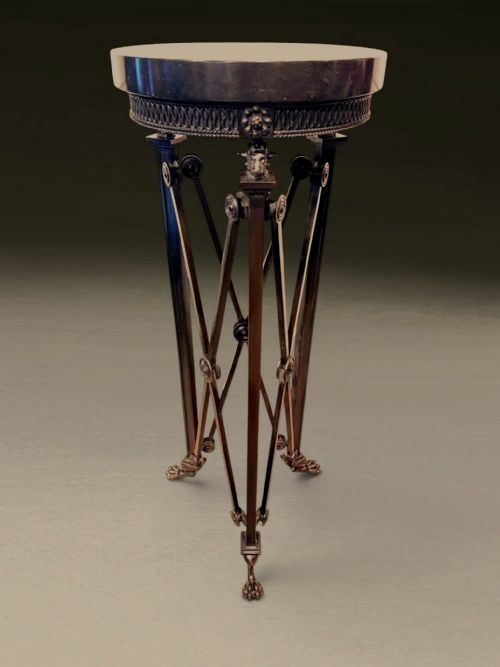
A classical pedestal stand serves to elevate decorative objects, lighting and busts within a room. The pieces found here include marble columns, mahogany torcheres and carved wood plinths originating across the nineteenth and early twentieth centuries.
Makers drew on Georgian, Regency and Renaissance Revival vocabularies to produce these display pieces. Materials shift from solid hardwoods like walnut and mahogany to variegated marbles, onyx and cast bronze.
How they were made
Cabinetmakers and stone masons constructed these stands using dense timbers such as mahogany and satinwood alongside turned marbles including Bardiglio, Carrara and Verde Antico. Joinery methods for the wooden items involve traditional carcase construction and detailed hand carving for acanthus leaves and classical motifs.
Metal elements incorporate cast bronze, ormolu collars and brass fittings secured to stone shafts or wooden columns. Surface treatments vary from polished natural grain and scagliola faux marble paint finishes to silver plating.
Columns and torcheres often combine structural timber cores with applied veneers like kingwood, or mount solid stone shafts upon stepped timber bases.
Classical Pedestal Stand Retail Price Guide 2026
Typical asking prices for classical pedestal stand among the pieces listed under this phrase on Sellingantiques today, from the lower quarter to the upper quarter. They describe what is for sale here now, not the wider market.
Grand Tour travellers brought home miniature scagliola marble columns so their living rooms could secretly double as Roman temples.
What varies in quality
The distinction between standard production and exceptional examples lies in the selection of raw materials and the crispness of the hand-carved ornamentation. Finer items utilise solid, highly figured marbles and rich timbers with precise classical proportions.
Mounts in bronze and ormolu demonstrate superior craftsmanship through sharp chasing and secure integration with the stone or wood shafts. Painted items rely on the skill of the artisan executing faux marble effects or scagliola work.
Structural integrity depends on the stability of the base and column alignment, particularly in tall marble shafts where weight distribution requires exact engineering.
Royal Vienna·Coalbrookdale·WMF
The Classical Pedestal Stand Glossary
- Torchere
- A tall stand designed to support a lamp or candleholder. These pieces often feature slender wooden or metal columns.
- Ormolu
- Gilded bronze applied as decorative mounts and collars on furniture and columns. This technique gained prominence in French Empire and Neoclassical design.
- Scagliola
- A composite material made from selenite, glue and pigments, mimicking natural marble. Artisans apply this technique to create columns and decorative surfaces.
- Comport
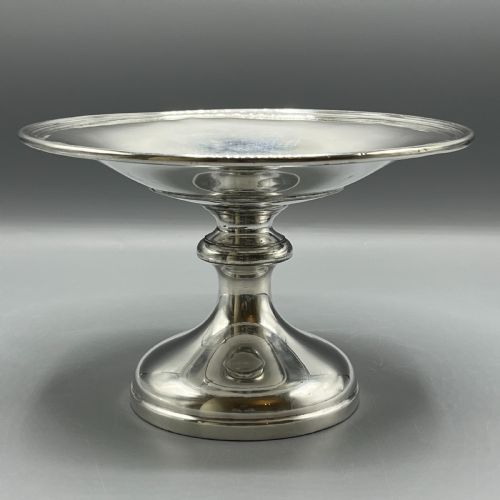
- A shallow dish raised on a stem and foot, used for fruit or presentation. These items frequently appear in silver plate.
- Tazza
- A wide, shallow cup or vase set upon a pedestal. The form derives from ancient classical vessels used for drinking or display.
Classical Pedestal Stand: Frequently Asked Questions
What were classical pedestals used for?
These stands served primarily to elevate art objects, marble busts, urns and lighting fixtures to eye level within reception rooms and hallways.
By lifting pieces off the floor, interiors could display sculptural works and Grand Tour souvenirs with greater architectural presence.
How do I style a pedestal stand at home?
Position a single column in an empty corner to support a bronze urn, ceramic vase or table lamp. Matching pairs work well placed symmetrically on either side of a fireplace or doorway.
Ensure the weight of the object placed on top remains balanced with the footprint and material strength of the stand.
How do I tell marble types apart?
Carrara displays a white or grey ground with soft veining, whereas Verde Antico presents deep green tones mottled with white calcite. Arabescato and Bardiglio feature distinct grey and white clouding patterns.
Onyx and scagliola present translucent banding or applied pigment layers that differ from natural solid quarry stone.