


Classical Mythological Ornament
Classical mythological ornament brings ancient deities and figures into nineteenth-century rooms through bronze, porcelain, and marble.
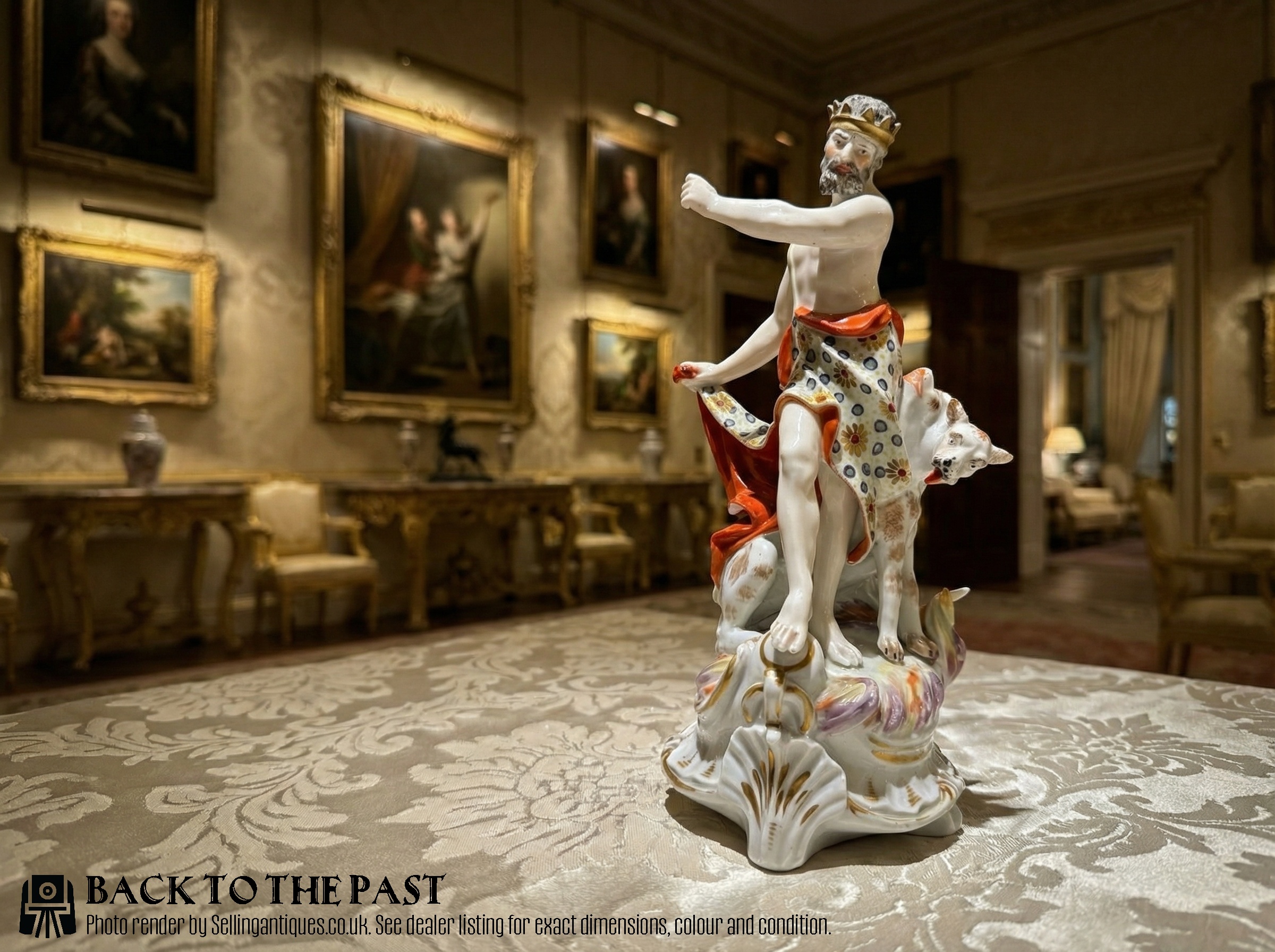
Classical Mythological Ornament
Classical mythological ornament encompasses figures, sculptures, and decorative urns depicting figures from ancient legends. These pieces draw heavily on eighteenth- and nineteenth-century revivals, ranging from Grand Tour souvenirs to factory-made porcelain figures.
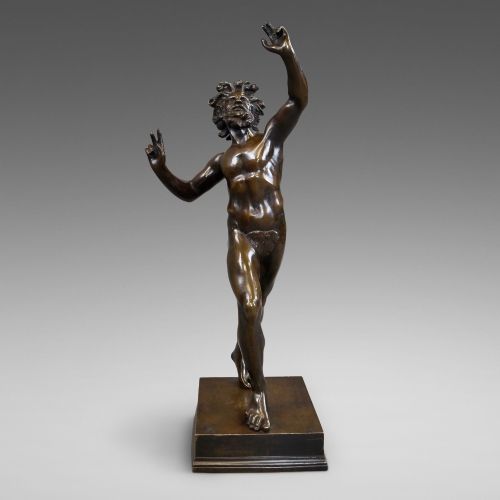
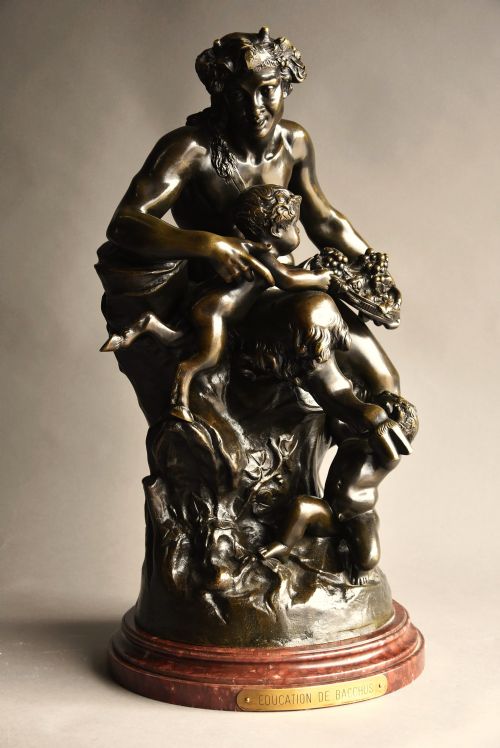
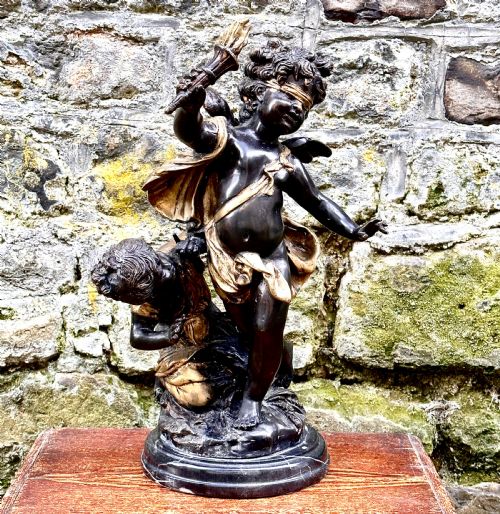
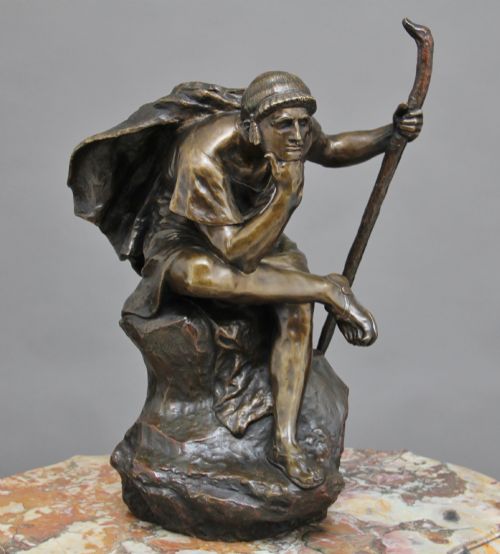
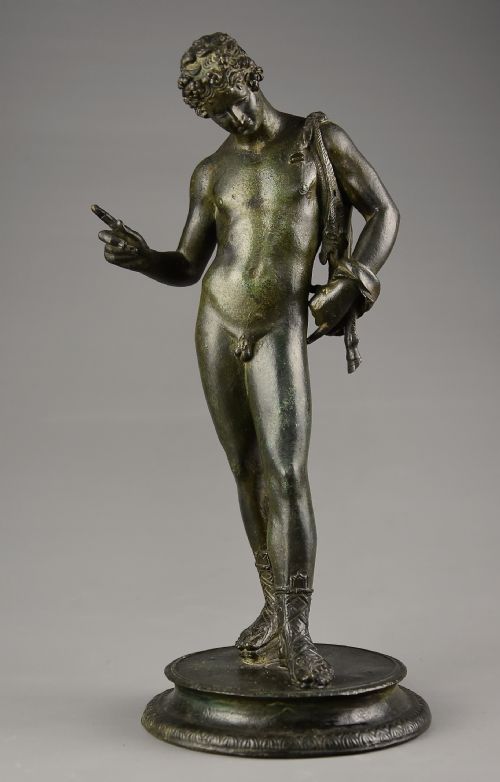
Buyers encounter subjects such as fauns, satyrs, nymphs, and classical gods cast in bronze or modelled in porcelain. The selection leans strongly toward nineteenth-century French and English interpretations of classical antiquity.
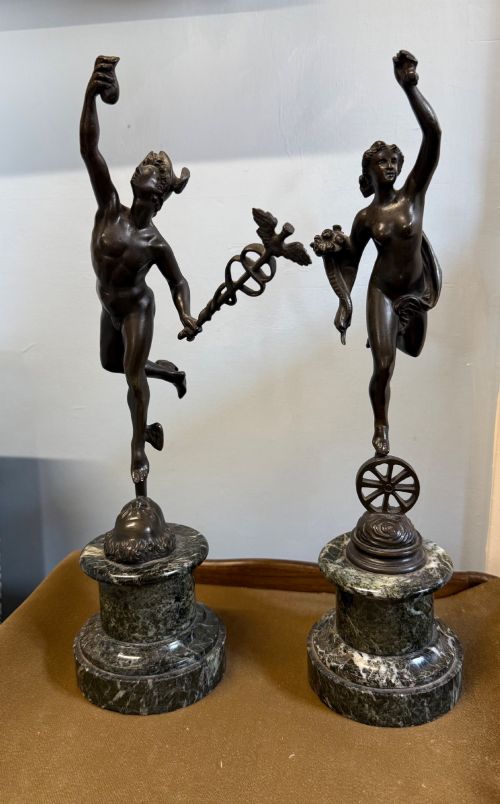
Forms vary from cabinet bronzes on marble bases to large sculptural groups and porcelain figures produced in historic styles. Many carry the aesthetic of the Grand Tour or nineteenth-century neoclassical revivals.
Materials and methods
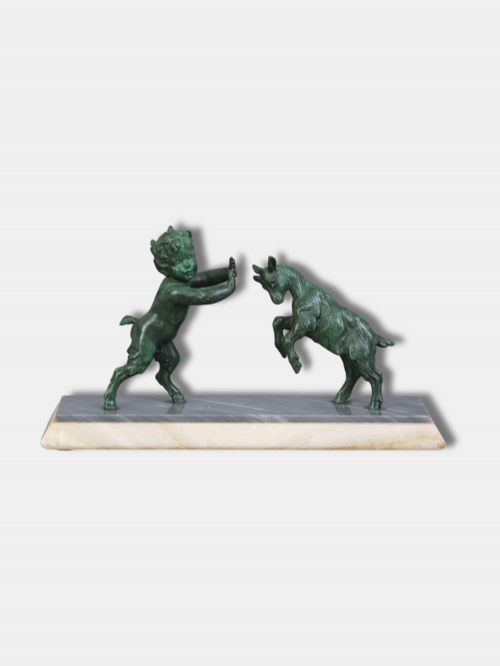
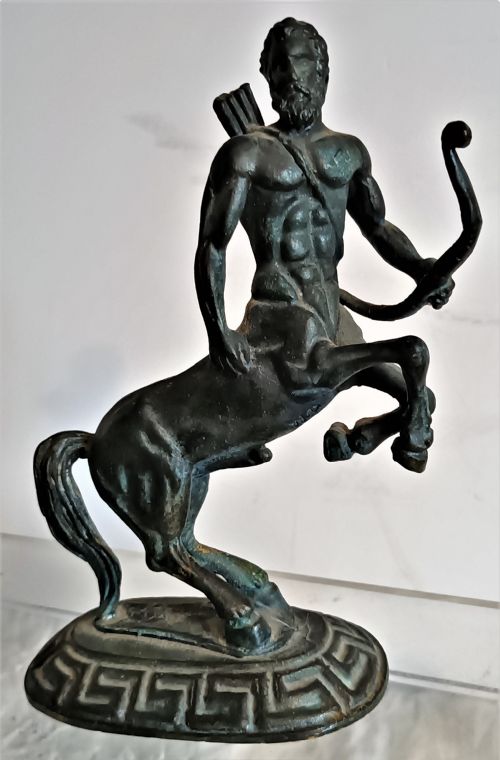
Bronze forms are cast, often featuring patinated or gilt finishes, and occasionally mounted on solid marble bases. Porcelain examples employ fine ceramic pastes, polychrome enamels, and selective gilding to render garments and skin tones.
Techniques combine traditional metal casting with skilled hand-finishing in bronze and delicate modelling with enamel painting in porcelain factories. Marble sculptures rely on hand-carving to achieve fluid drapery and anatomical detail.
Centaurs and infant heroes share shelf space with goats and pining nymphs, proving that ancient myth was endlessly entertaining.
Judging quality
In porcelain and ceramic pieces, the delicacy of the enamel painting and the preservation of gilt accents determine the grade. The integration of materials, such as a well-fitted bronze figure upon a heavy marble plinth, also distinguishes finer output.
Emile Carlier·Auguste Moreau·Samson Paris·Royal Crown Derby·Royal Worcester
The Classical Mythological Ornament Glossary
- Grand Tour
- A traditional trip through Europe undertaken by upper-class travellers who collected local antiquities and small-scale bronze souvenirs. These pieces often replicated famous sculptural finds from Italy.
- Patinated bronze
- Metalwork treated with chemical solutions to produce a specific surface colour, such as dark green or brown. This finish protects the bronze and accentuates sculptural details.
- Gilt bronze
- Metal cast and coated with a thin layer of gold or gold leaf. It brings a bright, reflective quality to decorative ornaments and mounts.
- Neoclassical
- A style inspired by the art and architecture of ancient Greece and Rome. It prioritises symmetry, proportion, and classical mythological subjects.
- Porcelain figurine
- A small decorative ceramic sculpture shaped from fine clay paste and fired at high temperatures. These figures are typically hand-painted and glazed.
Classical Mythological Ornament: Frequently Asked Questions
What is a Grand Tour bronze?
A Grand Tour bronze is a small-scale replica of an ancient sculpture, purchased by travellers in Italy during the eighteenth and nineteenth centuries.
These pieces served as portable souvenirs and educational displays for domestic interiors.
How do I identify porcelain figures?
Porcelain figures are identified by their ceramic body, glaze, and factory marks on the underside. They frequently employ enamel colours and gilt highlights to depict mythological characters.
Many adopt the styles of earlier factories like Chelsea or Derby.
Where were these ornaments displayed?
These ornaments stood upon mantelpieces, libraries, and side tables in nineteenth-century drawing rooms. They reflected the owner's classical education and refined taste.
Smaller bronzes often sat on desks or within specialised display cabinets.
What subjects are most common?
Common subjects include classical deities such as Venus, Jupiter, and Mars, alongside minor woodland figures like satyrs, fauns, and nymphs. Figures from Greco-Roman myths dominate the repertoire.
Scenes of dancing figures or heroic narratives also appear frequently.