



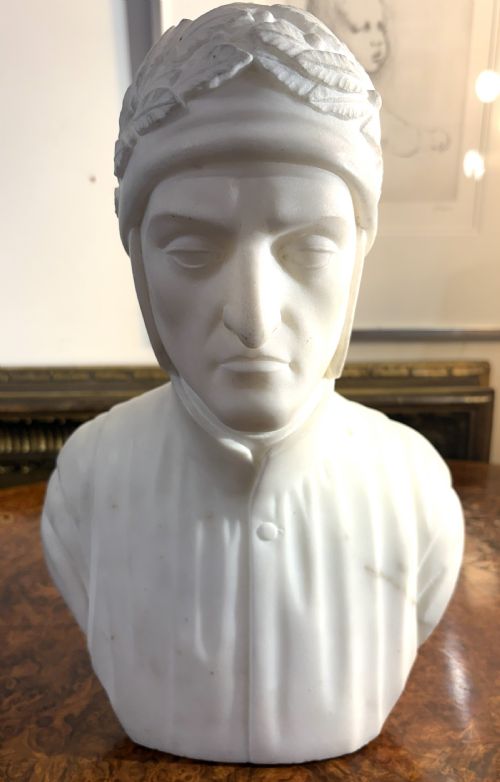
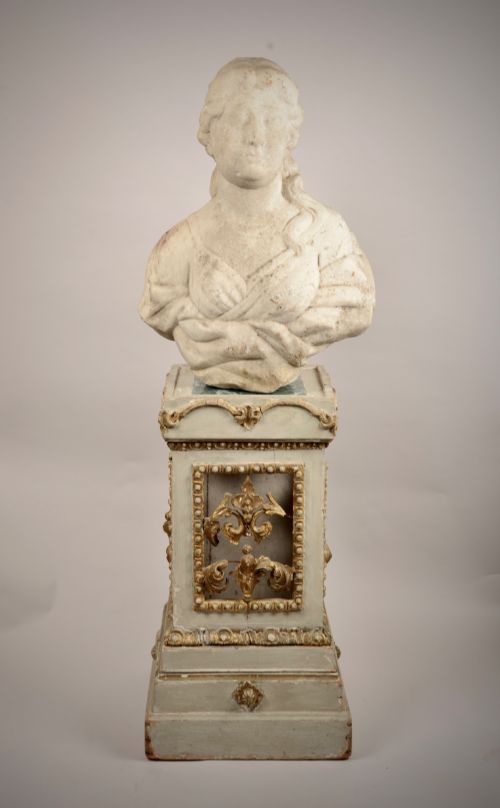


Classical Marble Portrait
A classical marble portrait brings the quiet dignity of ancient ideals and historic figures directly into your interior.
Classical Marble Portrait
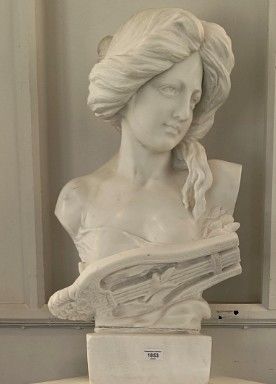
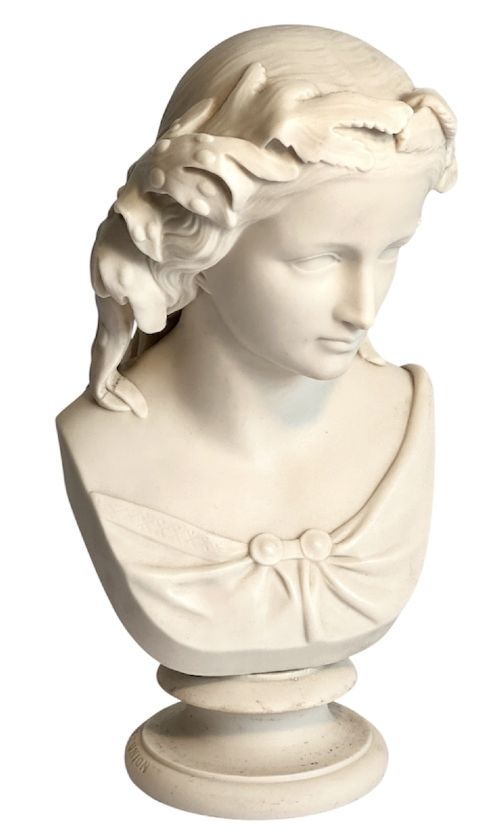
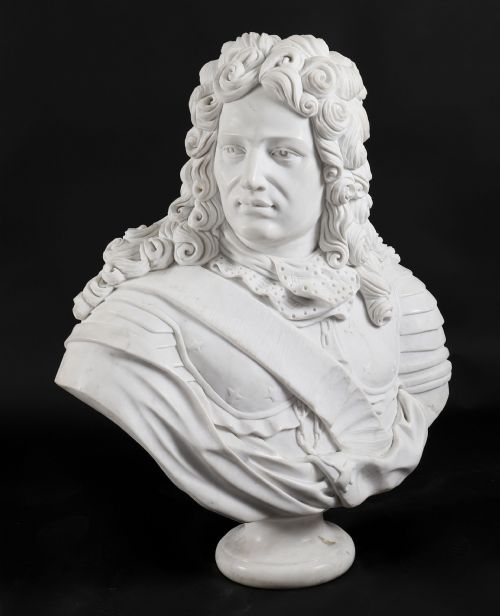
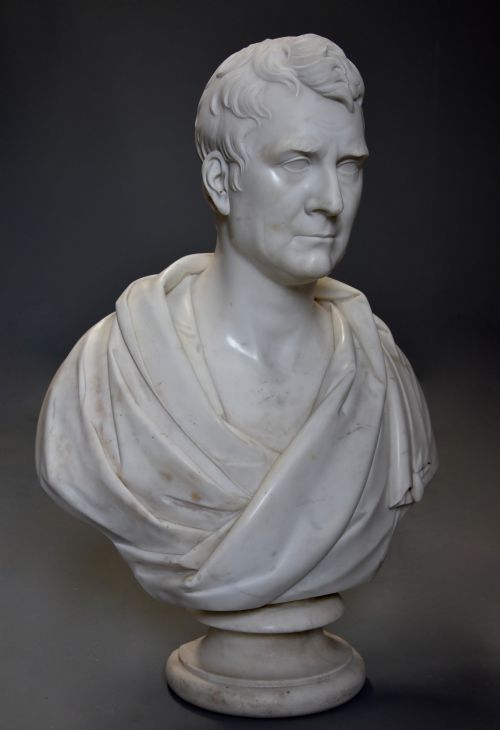
A classical marble portrait captures figures from history, mythology, literature and civic life in carved stone, presenting likenesses that range from Roman emperors to literary giants and local dignitaries.
You are most likely to encounter nineteenth-century interpretations on this page, including Grand Tour souvenirs from Italy, library busts of poets and philosophers, and larger commemorative portrait commissions.
The forms extend beyond free-standing busts to encompass profile wall plaques, inkstands set with carved cameos, and mixed marble compositions mounted on contrasting bases.
How they were made
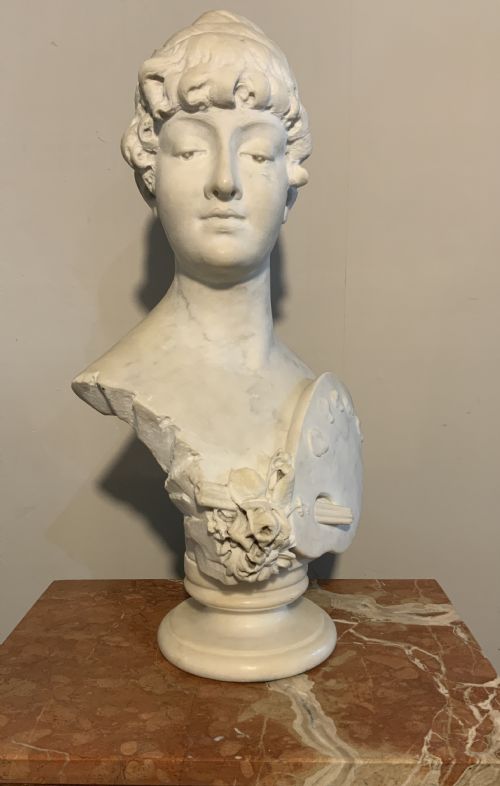
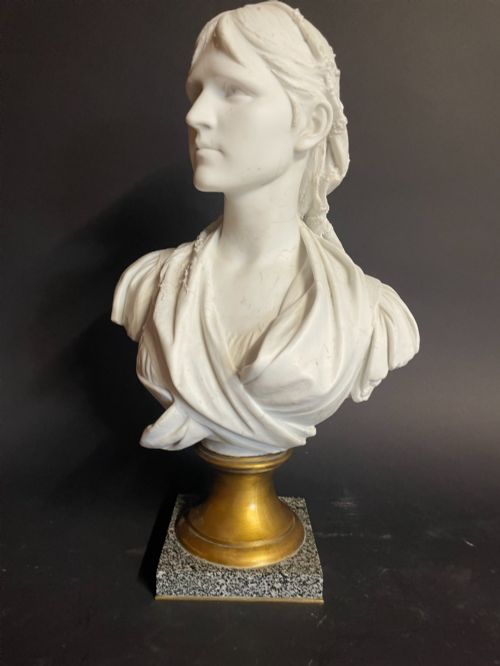
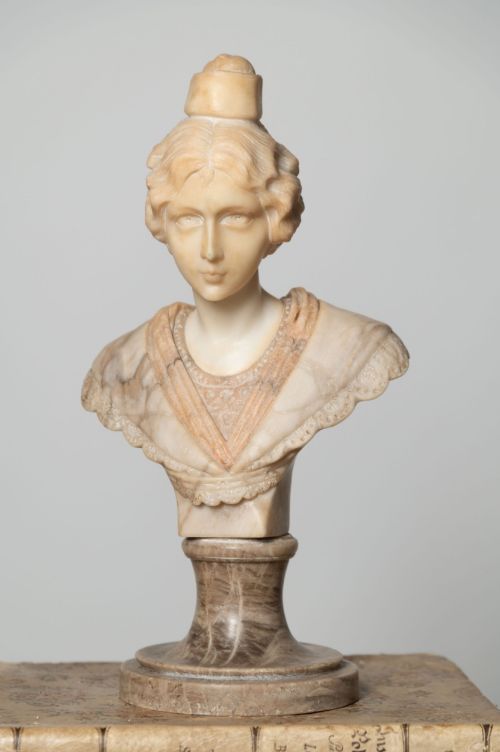
Carving relies predominantly on white marble, Carrara marble, and alabaster, shaped with hand chisels and rasps to achieve subtle transitions across skin, hair and drapery.
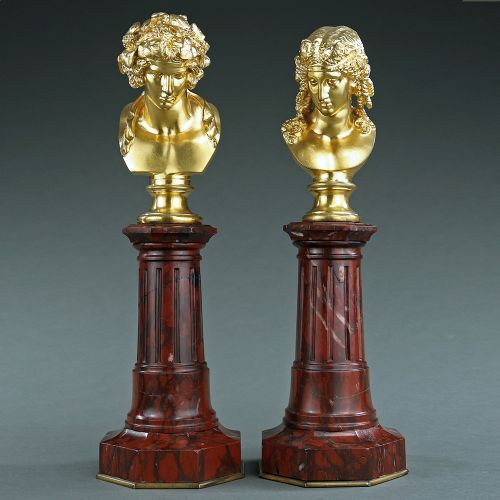
Many works combine materials, pairing carved stone portrait heads with gilt bronze mounts, red or green marble bases, and occasionally inset carved lava cameos.
Foundry-cast bronze also appears frequently as a medium for portraiture, often paired with dedicated stone or marble plinths to mirror the weight and presence of carved stone.
Listings span multiple centuries, ranging from seventeenth-century carved marble portraits to mid-twentieth-century stone and bronze sculptures.
What varies in quality
The fidelity of the likeness and the depth of psychological expression distinguish standard decorative carvings from exceptional portraiture executed by named sculptors.
Surface treatment dictates visual success, where master carvers utilise varied polishing techniques to differentiate the texture of skin from fabric and hair.
The selection of the raw material itself plays a role, with flawless fine-grained Carrara marble or well-figured alabaster indicating a higher grade of commission.
J Francis·Georges-Charles Coudray·Antonio Merente·John Wenlock Rollins·Thorvalsen Workshop·Mieczyslaw Leon Zawiejski
The Classical Marble Portrait Glossary
- Grand Tour
- A cultural journey undertaken by wealthy young Europeans through France and Italy, collecting local sculpture and antiquities as souvenirs. These pieces often emulate classical sculpture models.
- Carrara marble
- A type of white or blue-grey marble quarried in the city of Carrara in Tuscany, prized for its consistent texture and subtle translucency.
- Alabaster
- A fine-grained mineral often utilised for nineteenth-century sculpture due to its soft warmth and suitability for delicate detail.
- Parian ware
- A type of bisque porcelain developed in the nineteenth century to imitate white marble statuary. It offers a smooth, matte finish reminiscent of carved stone.
Classical Marble Portrait: Frequently Asked Questions
What is a classical marble portrait?
A classical marble portrait is a carved sculptural likeness inspired by ancient art, depicting historical figures, mythological characters, or private individuals.
These pieces emerged strongly during the nineteenth century as part of the neoclassical revival and Grand Tour tradition.
How were library busts displayed?
Library busts of poets, philosophers, and statesmen were traditionally placed atop bookshelves, mantelpieces, or dedicated pedestals in domestic studies.
They served both as decorative focal points and as symbols of intellectual pursuits and classical learning.
What is the difference between marble and alabaster?
Marble is a metamorphic rock formed from limestone, offering high durability and a crisp, crystalline structure suitable for monumental carving.
Alabaster is a softer mineral that yields a warmer, slightly translucent surface texture often used for smaller nineteenth-century portrait sculptures.
How do you date a nineteenth-century bust?
Dating relies on stylistic clues, mounting methods, the type of marble utilised, and occasional signatures or foundry marks inscribed on the reverse or base.
Garment styles, hairstyles, and the specific historical subject can also help narrow down the period of execution.