

Classical Marble Head
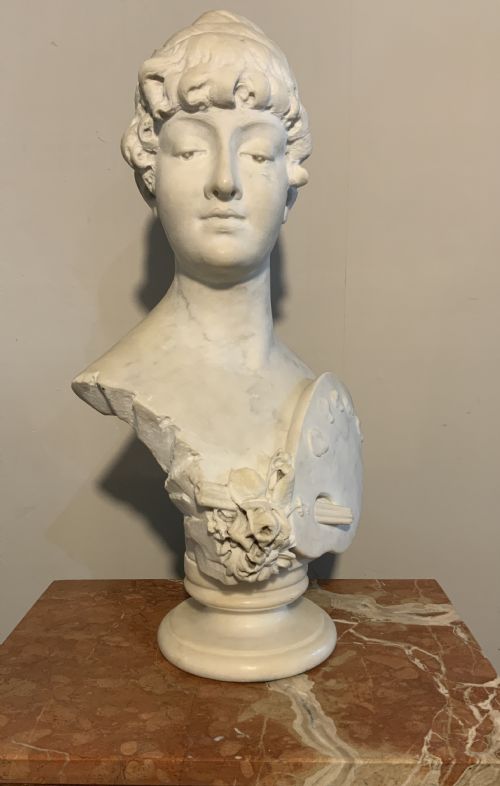
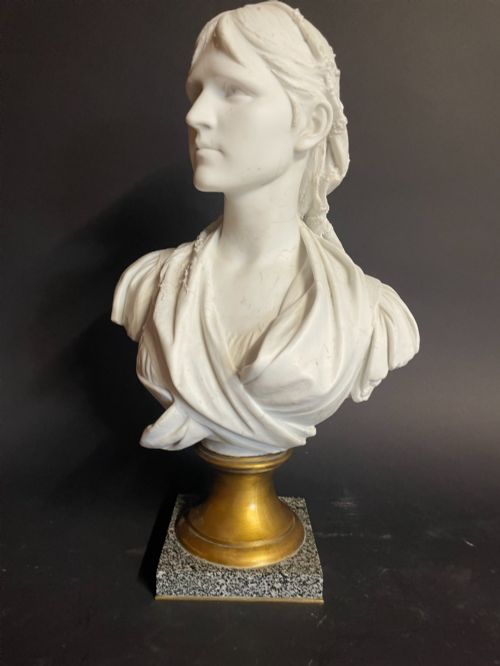
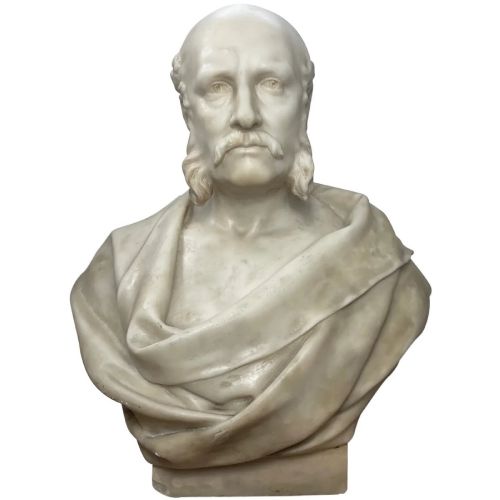
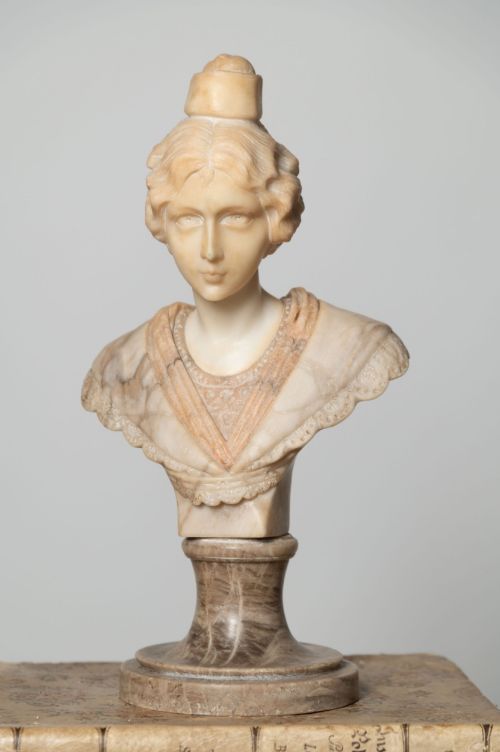
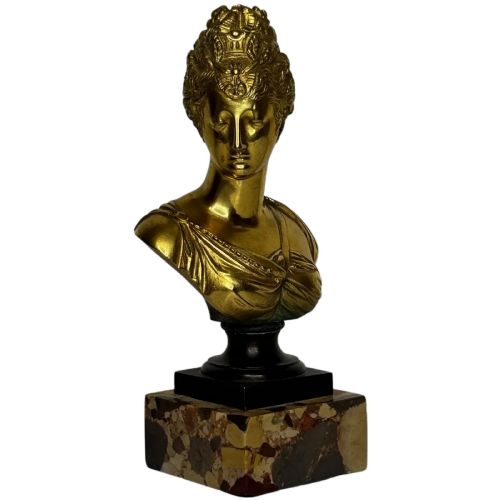
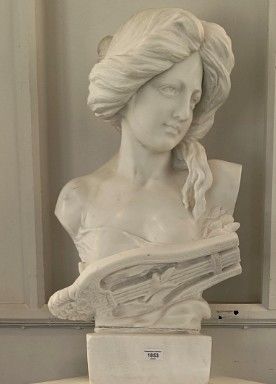
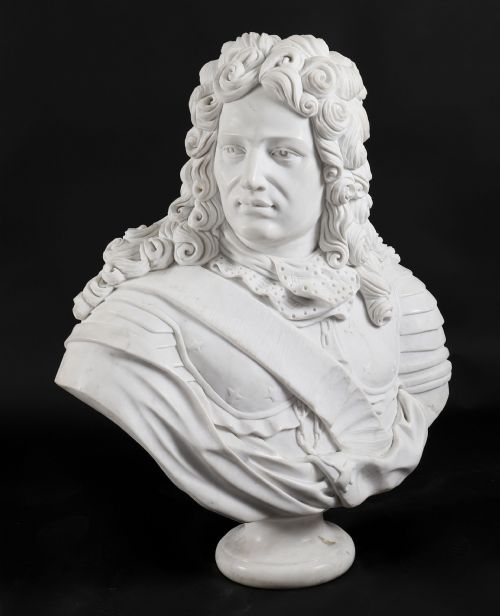
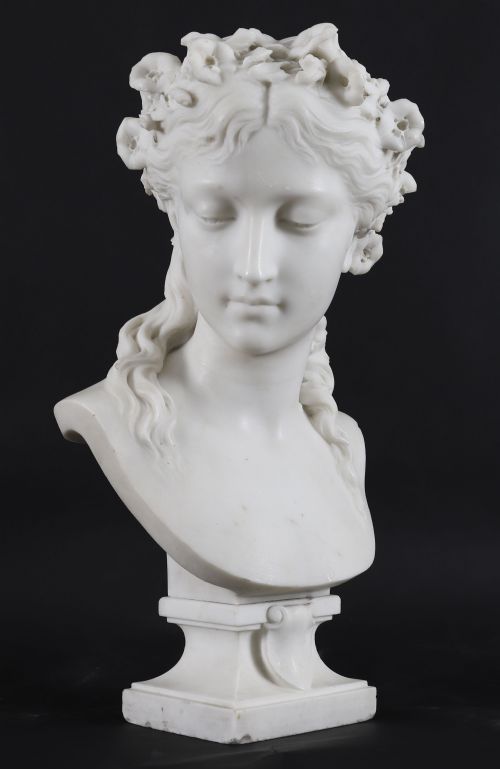
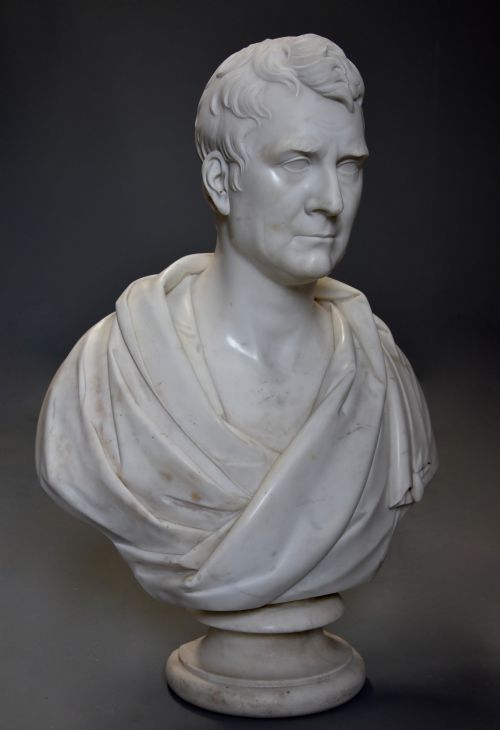
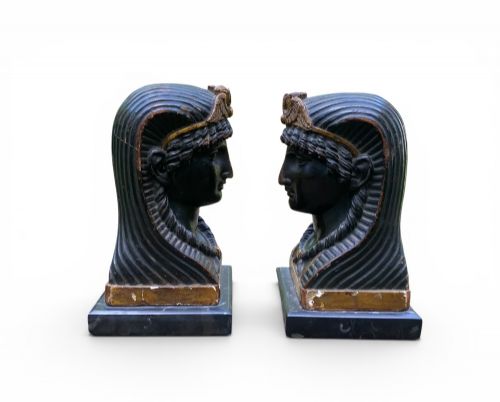
A classical marble head brings antique sculptural form into a room, spanning nineteenth-century Grand Tour souvenirs and carved portrait busts.
Classical Marble Head
A classical marble head search uncovers carved stone portraits and mythological figures spanning the seventeenth century through to the mid twentieth century, with nineteenth-century examples predominating.
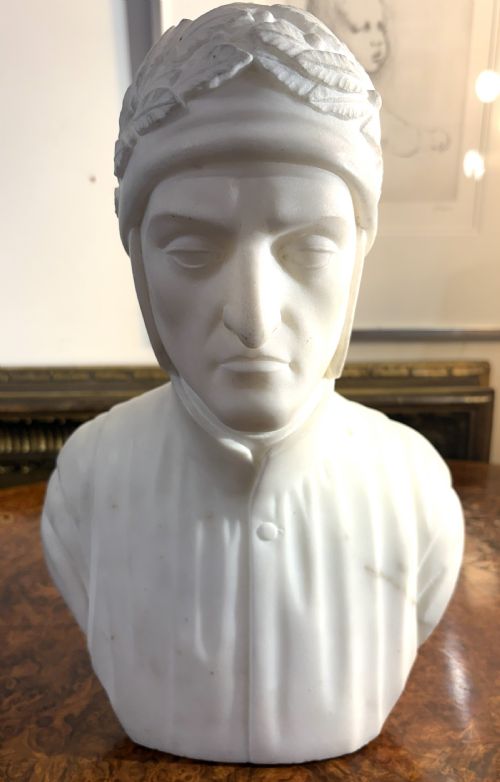
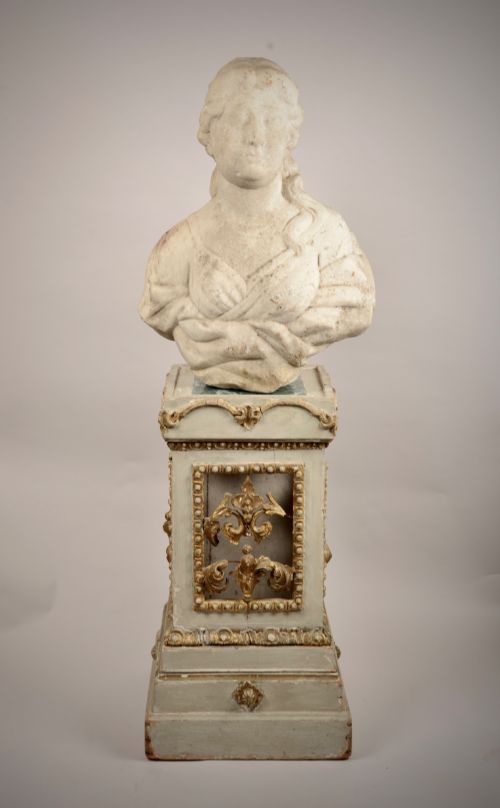
Buyers encounter subjects ranging from Roman emperors and literary figures like Dante to anonymous ladies and noblemen, often mounted on contrasting coloured marble bases.
The selection includes library busts, Italian Grand Tour souvenirs, and monumental civic portraits originating from English, French, and Italian workshops.
Materials and carving
Carvers shaped these pieces primarily from white, Carrara, or alabaster marble, sometimes combining them with bronze, gilt bronze, brass, or wood elements.
Sculptors utilised traditional hand-carving techniques to shape fine details in hair, drapery, and facial expressions, occasionally signing their finished works.
Listings feature white marble, Carrara marble, alabaster, and bronze, spanning periods from the seventeenth century to the mid twentieth century.
Execution and proportion
The selection of the marble block and the integration of any supporting base or secondary metal mount contribute to the overall visual impact.
Eugene Aizelin·Thomas Hope·J Francis·John Wenlock Rollins·Mieczyslaw Leon Zawiejski
The Classical Marble Head Glossary
- Carrara marble
- A type of white or blue-grey marble quarried in the city of Carrara in Tuscany, widely favored for fine European sculpture.
- Grand Tour
- A traditional trip of Europe undertaken by upper-class European young men of means, resulting in the acquisition of souvenirs such as bronze and marble busts.
- Neoclassical
- A Western cultural movement drawing inspiration from the classical art and culture of ancient Greece or ancient Rome, prevalent during the eighteenth and nineteenth centuries.
- Alabaster
- A fine-grained, translucent stone used for carving smaller sculptures and portrait busts due to its soft texture.
- Vert de Mer
- A dark green marble with white veins, frequently utilised for decorative architectural elements and sculptural bases.
Classical Marble Head: Frequently Asked Questions
What is a classical marble head?
A classical marble head represents a carved sculptural study of a human figure, drawing stylistic inspiration from ancient Greek or Roman antiquity.
These pieces typically depict historical figures, mythological deities, or idealised portraits created during later revival periods.
Where were these busts made?
Many of these sculptures originated in European workshops, particularly in Italy, France, and England, during the nineteenth century.
Italian studios frequently produced them as high-end souvenirs for travellers undertaking the Grand Tour.
How do I display a marble bust?
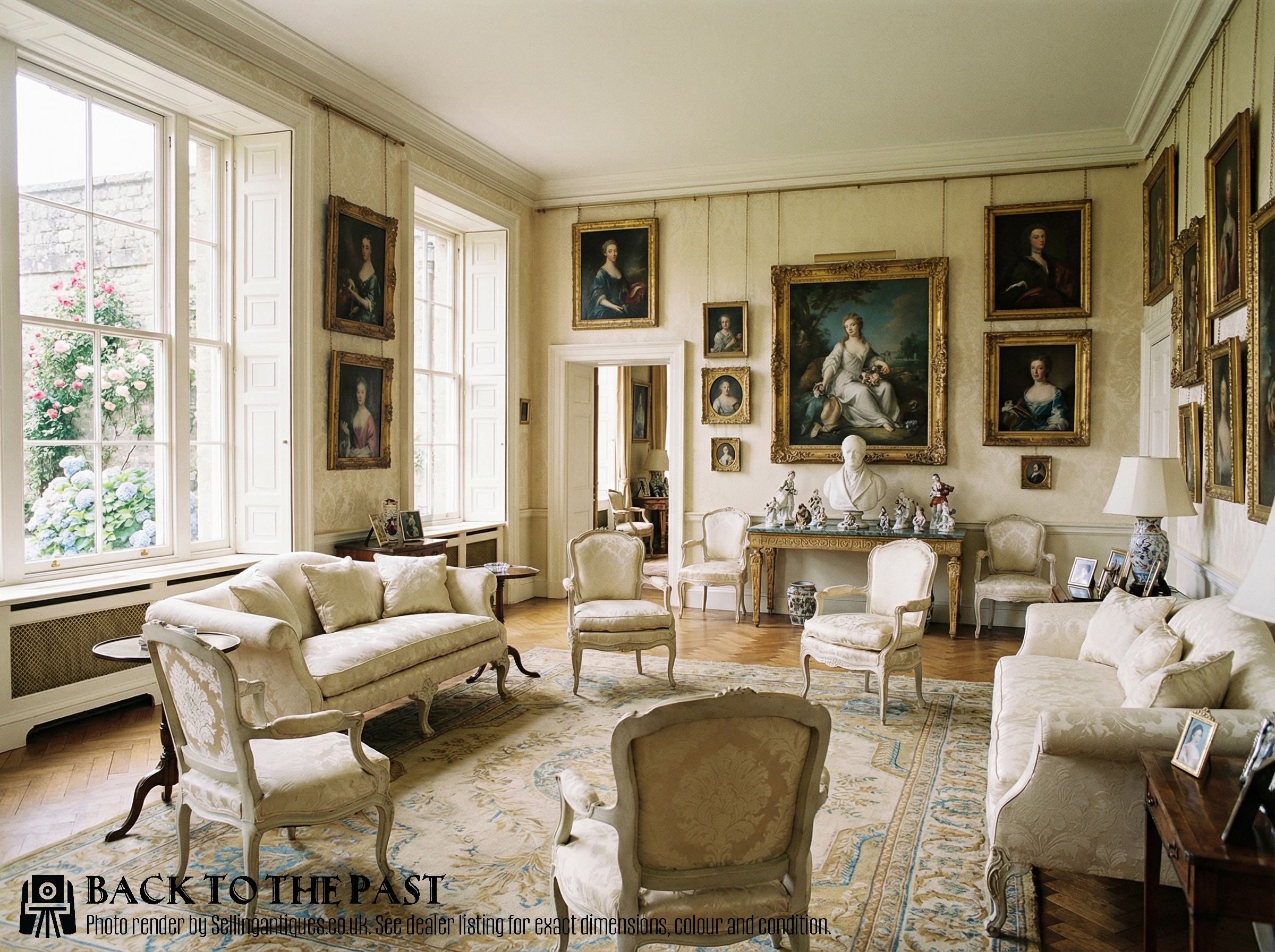
These sculptures require a sturdy surface such as a console table, pedestal, or library bookcase where their weight is securely supported.
Positioning them away from direct heat sources helps protect the stone and any attached metal or wood components.
How are different periods identified?
Dating relies on stylistic clues, the type of marble used, mounting techniques, and occasional signatures or inscriptions left by the sculptor.
Nineteenth-century pieces often reflect neoclassical or romantic revivals, whilst earlier examples show seventeenth-century carving characteristics.