

Classical Marble Column
These classical marble column pieces bring architectural dignity and enduring stone to a room.
Classical Marble Column
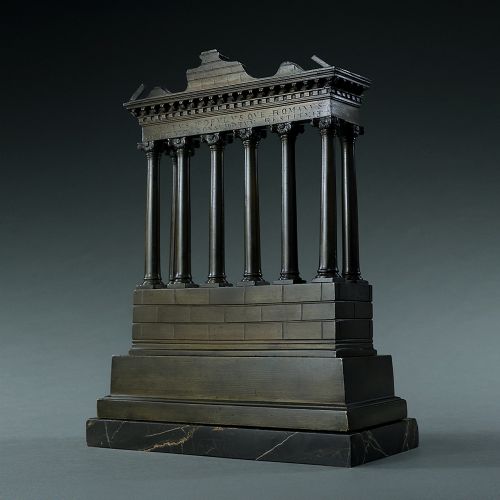
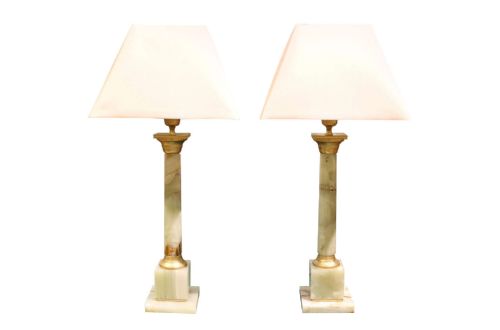
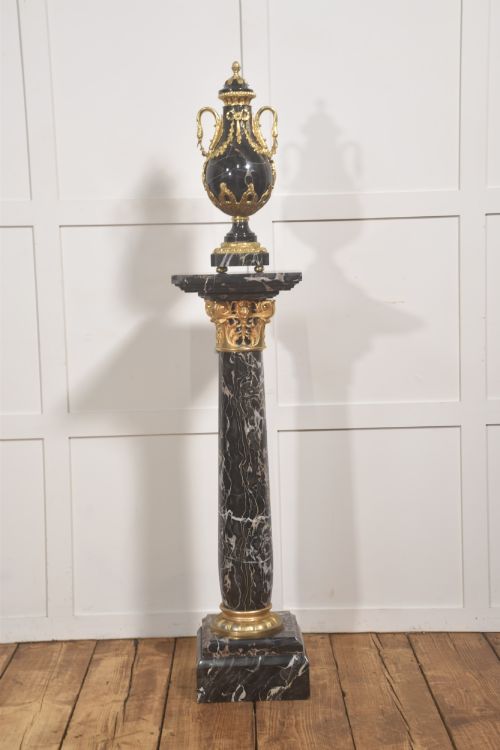
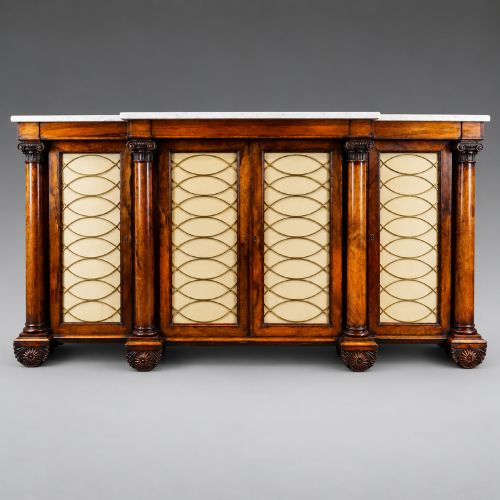
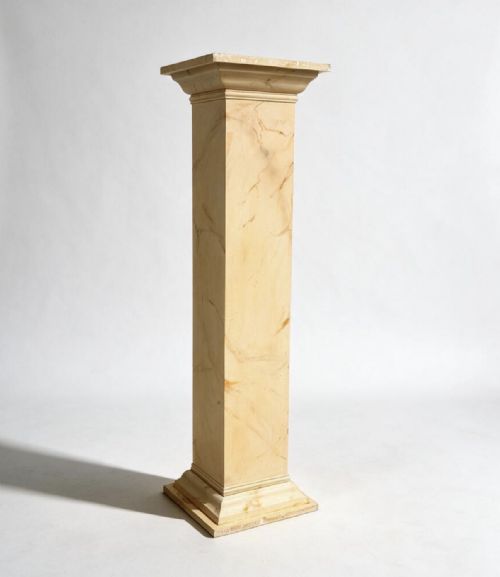
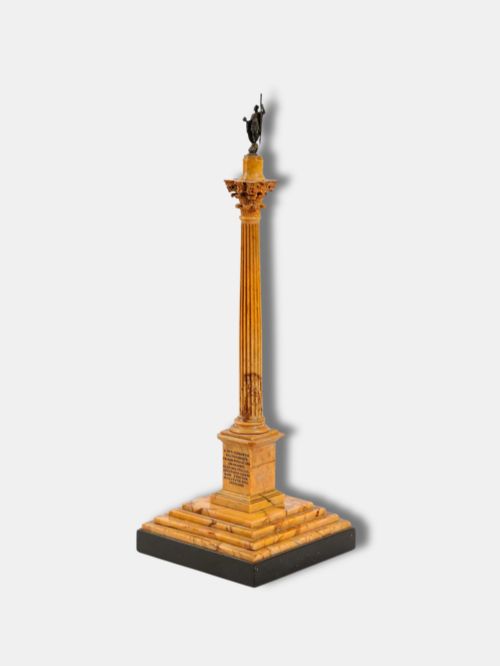
A classical marble column search brings up tall pedestals, lighting bases and architectural display stands spanning the nineteenth and early twentieth centuries. These forms draw directly on ancient vocabulary, translated into domestic display pieces through Neoclassical and Grand Tour revivals.
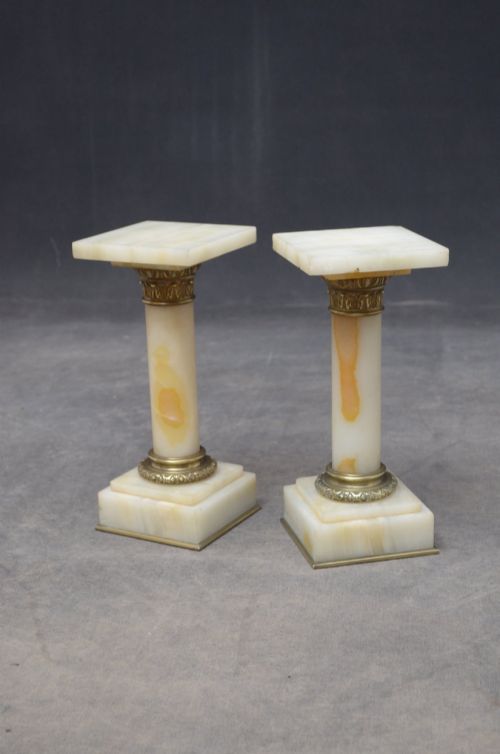
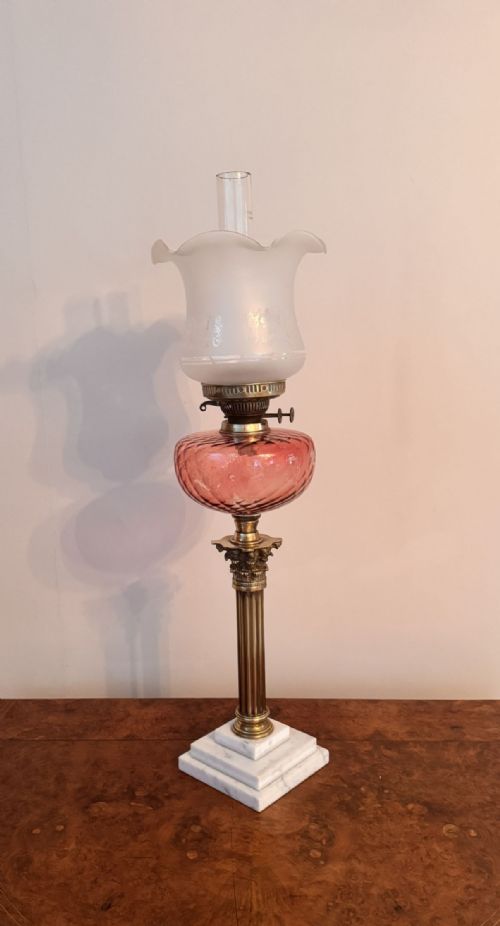
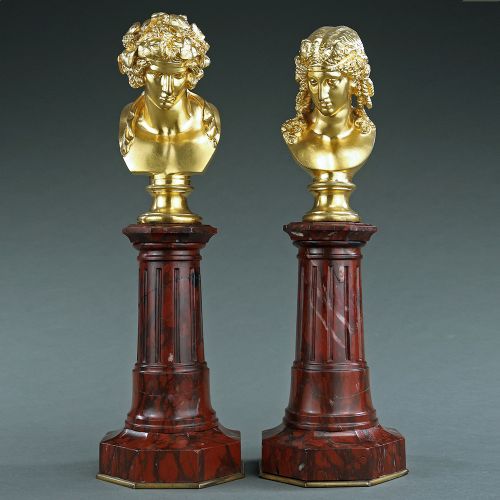
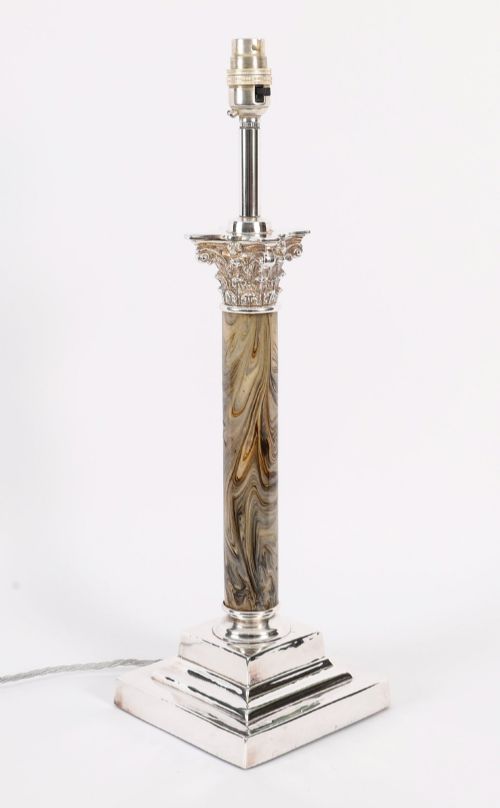
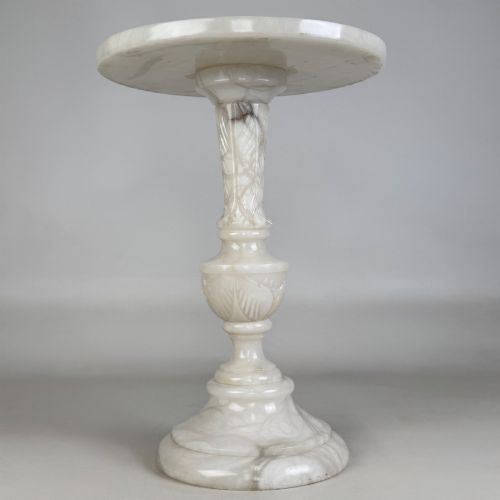
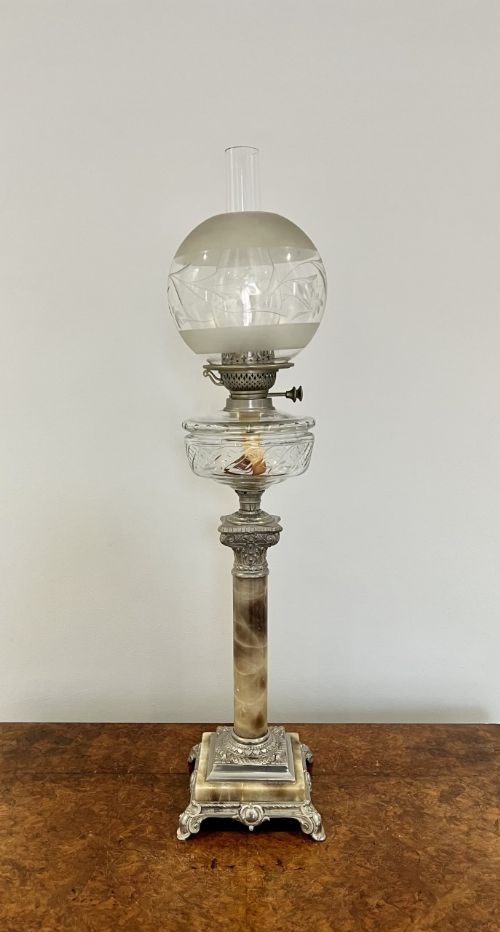
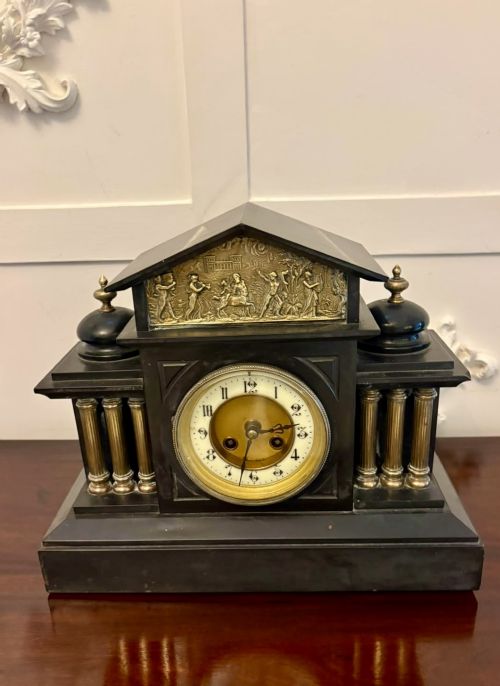
You will encounter towering floor pedestals alongside smaller table lamps and mantel clocks incorporating column elements. Materials range from solid white Carrara and variegated Bardiglio to honey-toned onyx and rich French rouge marble.
Origin points cluster around French, English and Italian workshops influenced by classical antiquity. The items serve primarily to elevate sculpture, support illumination or anchor a decorative scheme with stone mass.
What varies in quality
Quality rests on the selection and matching of the stone specimen itself, where continuous natural movement and harmonious veining command higher regard. Uniformity in turning and the crispness of hand-carved capitals separate standard domestic items from ambitious architectural statements.
Metalwork integration defines the upper tiers, where heavy fire-gilded ormolu collars and finely chased bronze mounts fit the stone precisely. Lesser examples rely on stamped brass or simpler turned wooden cores masked by paint.
Structural stability under heavy weight remains paramount, particularly on tall pedestals designed to support bronze busts or large urns without shifting.
Classical Marble Column Retail Price Guide 2026
Typical asking prices for classical marble column among the pieces listed under this phrase on Sellingantiques today, from the lower quarter to the upper quarter. They describe what is for sale here now, not the wider market.
Napoleon Bonaparte occasionally sneaks onto these columns in miniature bust form, keeping a stony eye on the hallway.
The Classical Marble Column Glossary
- Grand Tour
- A nineteenth-century tradition where wealthy travellers collected souvenirs such as specimen marble columns and miniature obelisks across Italy and France. These objects often used local marbles to record classical architecture.
- Ormolu
- Finely ground high-carat gold mercury-gilded to a bronze base, commonly found securing the capitals and bases of French columns. The technique creates a warm, enduring metallic lustre.
- Scagliola
- A composite material made from selenite, glue and pigments, embedded and polished to imitate sculptered marble. Artisans used this technique to create elaborate coloured columns and pedestals.
- Corinthian
- An architectural order marked by ornate capitals decorated with acanthus leaves. This capital design frequently tops nineteenth-century table lamps and display pedestals.
- Verde Antico
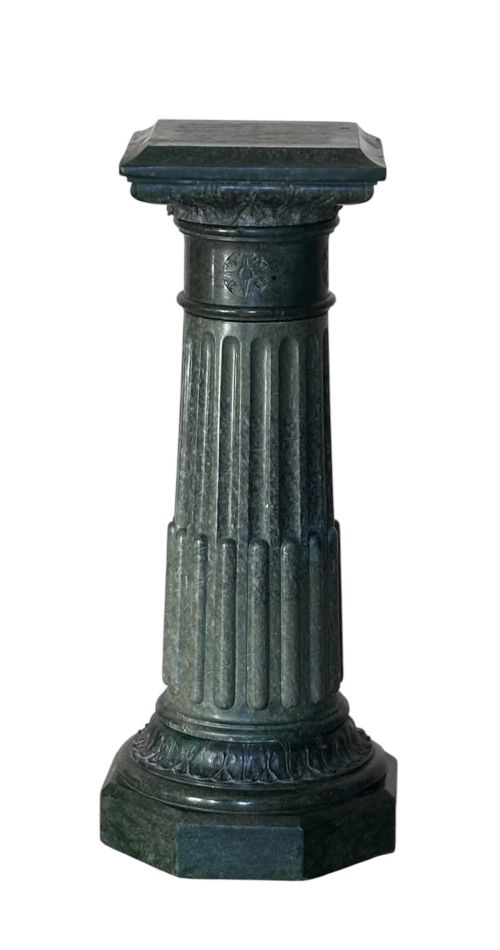
- A dark green serpentine breccia marble prized for its mottled appearance and historical association with ancient Roman decoration. It appears frequently in nineteenth-century Italian columns.
Classical Marble Column: Frequently Asked Questions
How do I clean a marble column?
Dust regularly with a soft dry cloth to prevent particulate build-up in the carved flutes and stone pores.
Avoid acidic cleaners and excess water, using only a damp cloth with mild neutral soap if deeper cleaning is necessary.
Are these columns strong enough for heavy items?
Most solid stone and architectural pedestals possess substantial weight capacity designed to support heavy bronze busts, urns and clocks.
Lighter iterations built with timber cores or scagliola require more care regarding weight distribution and balance.
What is a Grand Tour column?
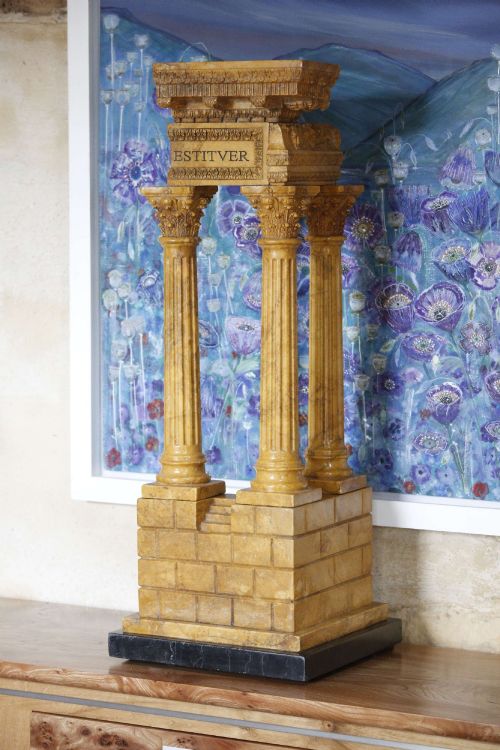
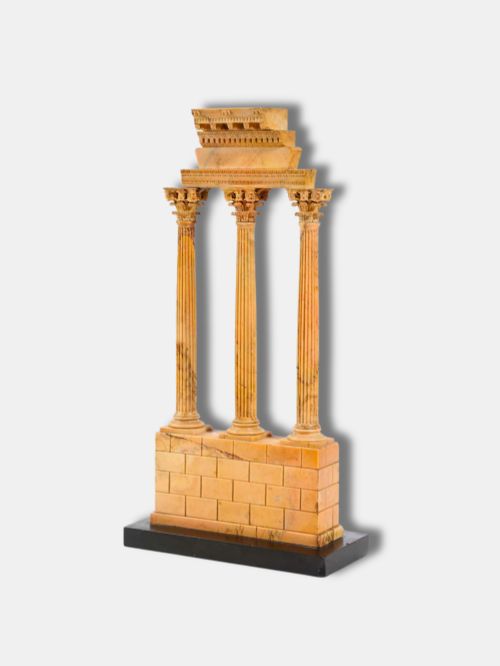
Grand Tour columns are smaller decorative stone pieces brought back by travellers touring classical sites in Italy during the nineteenth century.
They often incorporate specimen marbles and architectural fragments to evoke ancient Roman ruins.
How do I date a marble column?
Dating relies on combining the stylistic clues of the metal mounts, such as ormolu or brass, with the specific varieties of marble used.
Nineteenth-century pieces often display neoclassical revival proportions, while early twentieth-century examples lean towards simplified forms.
Where should I place a pedestal in a room?
Tall pedestals work well in corners or framing doorways where they can elevate sculptures and draw the eye upward.
Shorter table lamps and clock versions fit comfortably on side tables, mantelpieces and desks.