

Classical Landscape
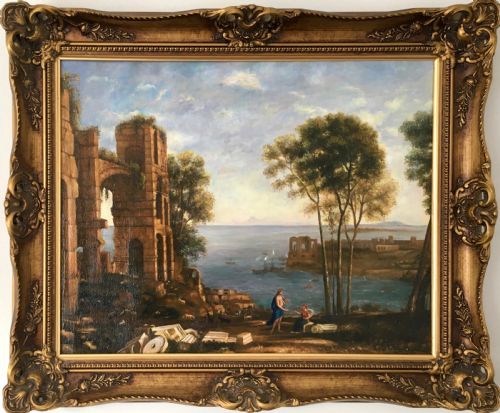
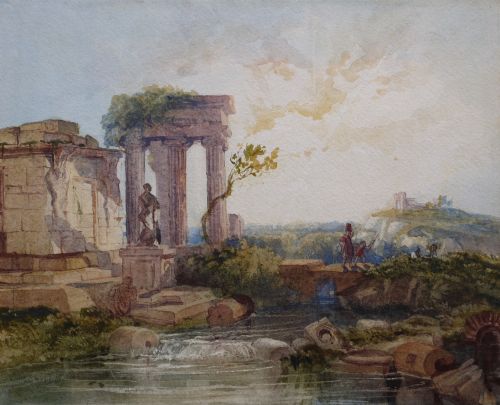
A classical landscape brings the idealized ruins, sunlit Italianate vistas, and mythological scenes of past centuries directly into a room.
Classical Landscape
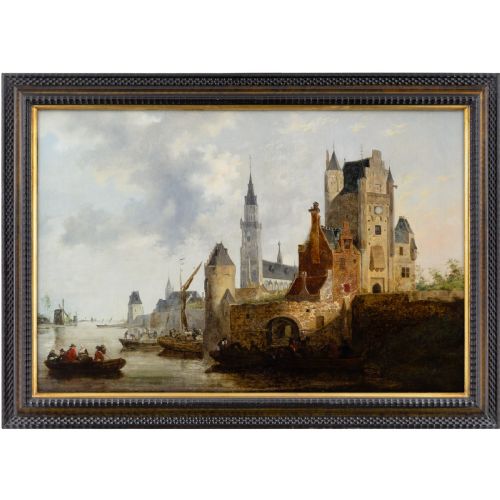
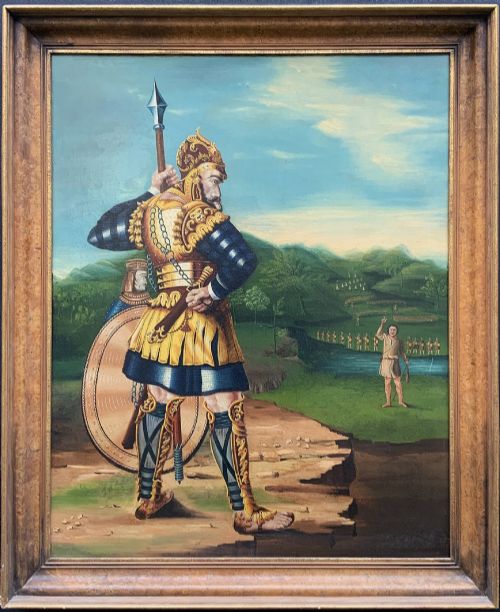
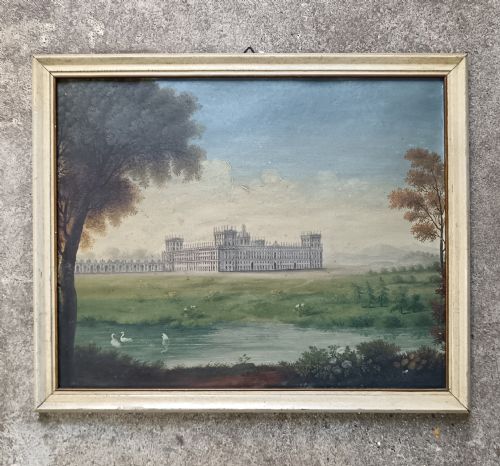
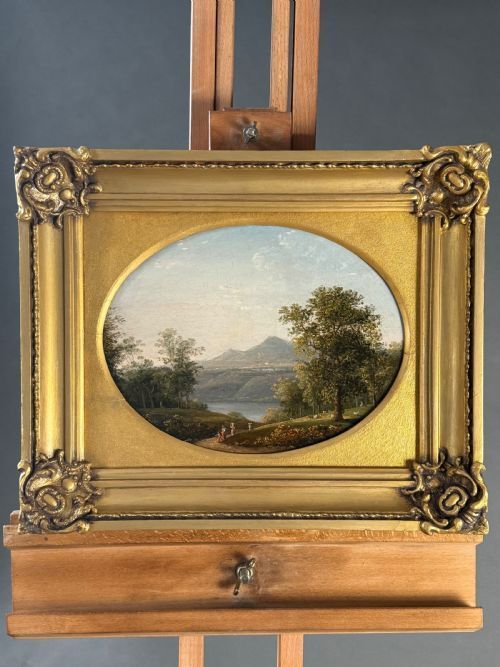
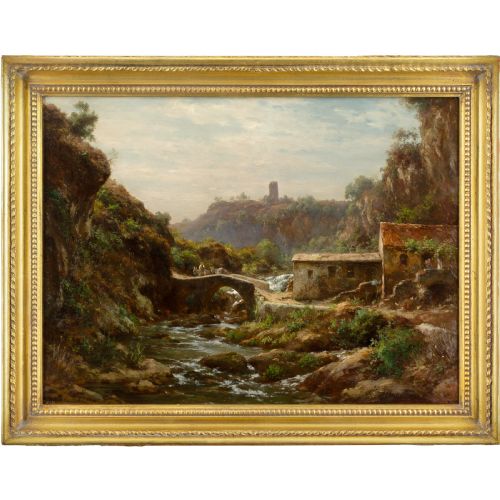
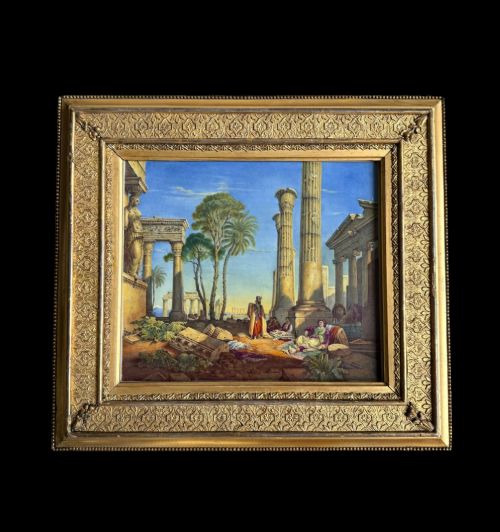
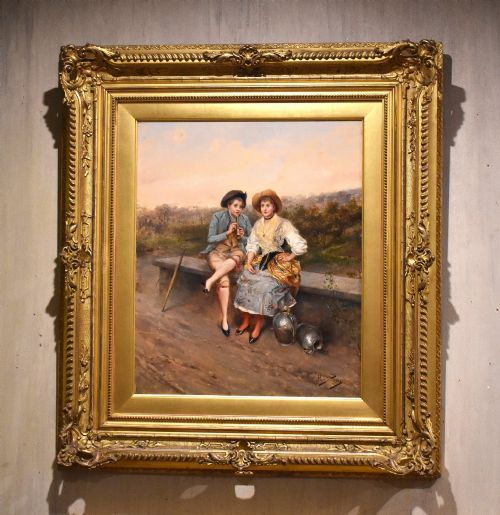
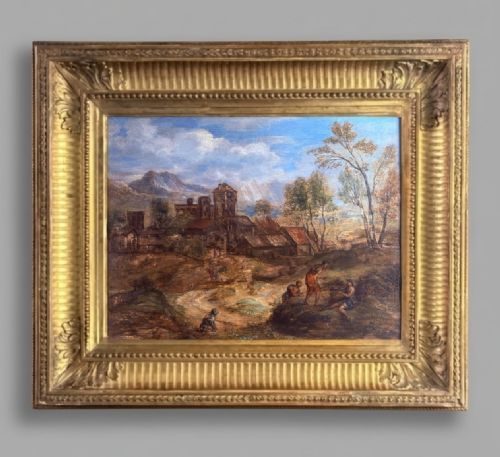
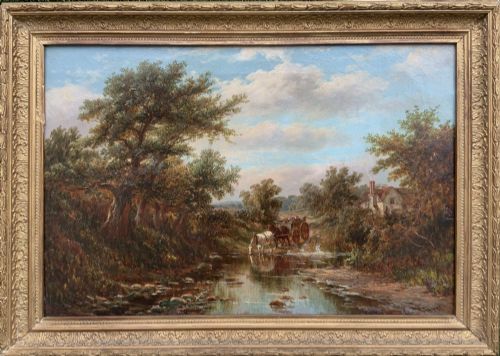
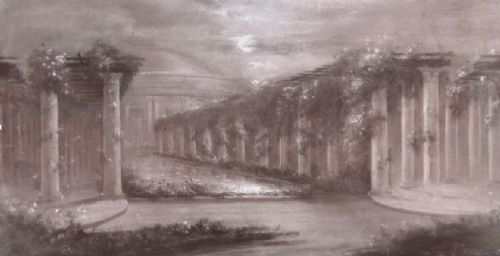
A classical landscape encompasses historical oil paintings, watercolours, engravings, tapestries, and decorative mirrors originating from the seventeenth century through to the twentieth century. These works frequently draw on Italian Baroque, Dutch Golden Age, and Neoclassical traditions to depict pastoral views, architectural ruins, and figures from mythology.
The pieces on this page are most commonly oil paintings on canvas or panel, alongside framed engravings and giltwood mirrors incorporating painted panels. Works span British, French, Italian, and Dutch schools, reflecting Grand Tour travels and academic artistic training.
Collectors encounter both original period paintings and later interpretations, including nineteenth-century watercolours and twentieth-century regional depictions influenced by earlier classical compositions.
Materials and construction methods
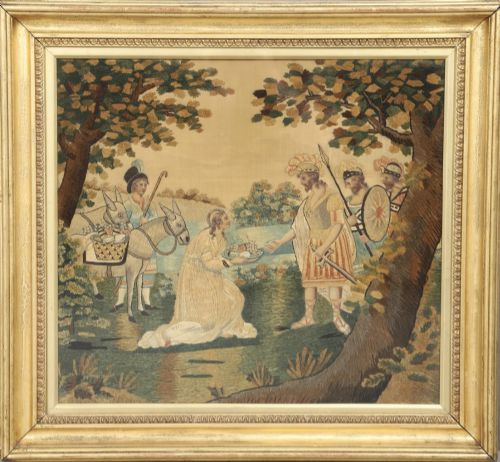
Paintings are executed in oil or watercolour on canvas, wood panel, or paper, utilising traditional pigments and grounds. Tapestries employ fine woven threads to render detailed scenic narratives.
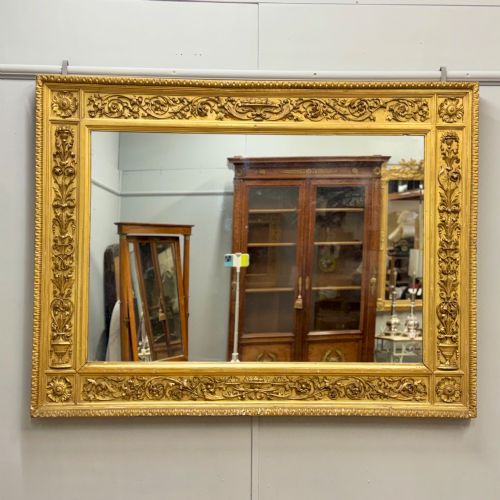
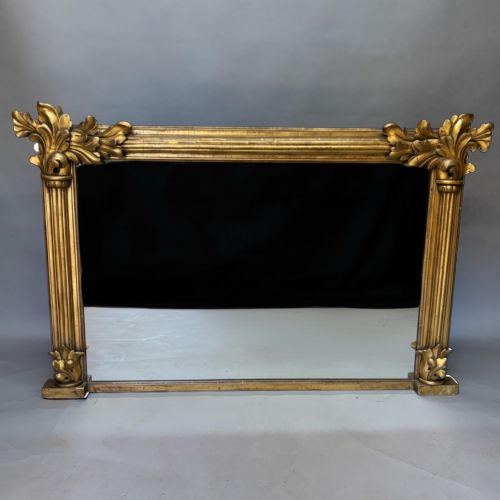
Frames and mirrors rely on wood, gesso, and gold leaf, with giltwood mouldings shaped in Regency, Georgian, and Baroque styles to complement the artwork.
Classical Landscape Retail Price Guide 2026
Typical asking prices for classical landscape among the pieces listed under this phrase on Sellingantiques today, from the lower quarter to the upper quarter. They describe what is for sale here now, not the wider market.
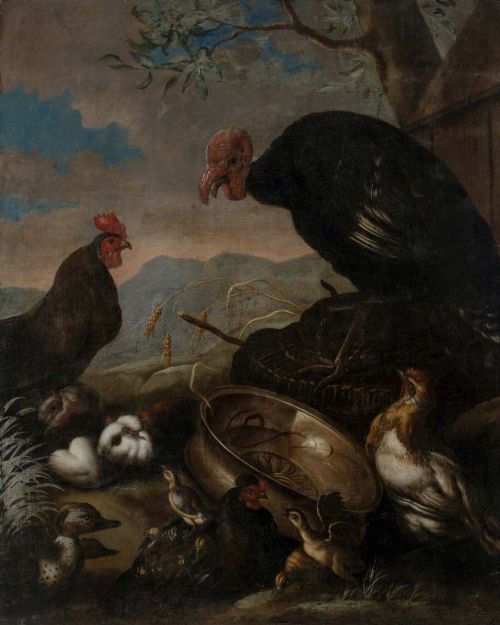
One unexpected canvas manages to squeeze ancient mythological deities, castle ruins, and an assortment of farmyard fowl into a single grand composition.
Factors influencing quality
Quality rests upon the skill of the brushwork, the depth of composition, and the handling of light and architectural perspective. Fine works demonstrate confident draughtsmanship in figures and natural foliage, whereas lesser examples show stiffer proportions and mechanical repetition.
The integrity of the original frame, particularly carved and gilded gesso wood frames from the Georgian or Regency periods, significantly impacts the desirability of a piece.
Adolf Johann Höffler·Alonso Perez·Jacob Philipp Hackert·Barent Gael·Thomas Thomas·Richard Principal Leitch·Angelo Maria Crivelli·Johannes Lingelbach·Étienne Baudet·John Ferneley Senior·Carl Johan Fahlcrantz·Margaret Maitland Howard
The Classical Landscape Glossary
- Capriccio
- An architectural fantasy combining real ruins, classical buildings, and other architectural elements in a fictional landscape setting.
- Grand Tour
- A cultural journey of Europe undertaken by wealthy young men in the eighteenth and nineteenth centuries, often resulting in the acquisition of art and antiquities.
- Trumeau
- A decorative wall mirror featuring a painted or carved panel positioned above the glass plate, frequently found in eighteenth and nineteenth-century interiors.
- Giltwood
- Wood that has been covered with a thin layer of gold leaf over a prepared gesso ground, standard for finer period frames.
- Arcadian
- Pertaining to an idealized vision of rural life and pastoral harmony, named after the mountainous region of Greece.
Classical Landscape: Frequently Asked Questions
What defines a classical landscape painting?
These compositions focus on balanced arrangements of trees, distant hills, classical ruins, and mythological or pastoral figures. They prioritize harmony and idealized beauty over raw realism.
Artists across the seventeenth to nineteenth centuries drew heavily on Italian scenery and classical literature to structure these views.
How do I date an old landscape painting?
Dating relies on examining the canvas weave, stretcher construction, preparation layers, and pigment analysis alongside stylistic clues in costume and architecture. Period frames often provide a helpful contemporaneous indicator.
Signatures, inscriptions, and documentary evidence on the reverse of panels or stretchers further clarify origins.
Where should I hang a giltwood mirror?
Giltwood overmantel mirrors suit chimney breasts in period reception rooms, reflecting natural light and expanding the visual space. They work well above traditional fireplace surrounds.
Ensure wall fixings are rated to support the considerable weight of heavy wood and gesso frames.
What is the difference between an oil painting and an engraving?
An oil painting is a unique, hand-painted work utilising pigmented oils on canvas or panel, offering texture and rich colour depth. An engraving is a printed graphic image transferred from an incised metal plate onto paper.
Engravings often served to popularise famous compositions by masters like Poussin for broader collections.