



Classical Landscape Oil Artwork
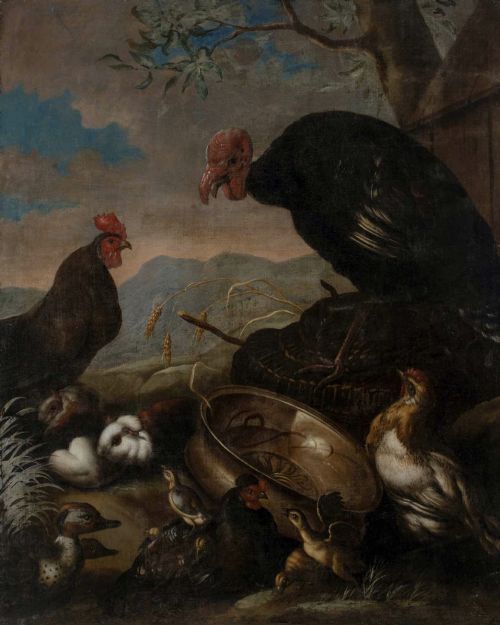
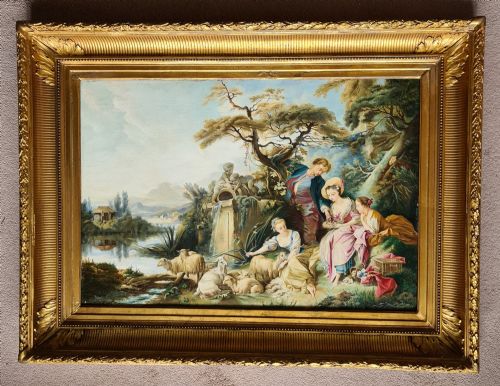
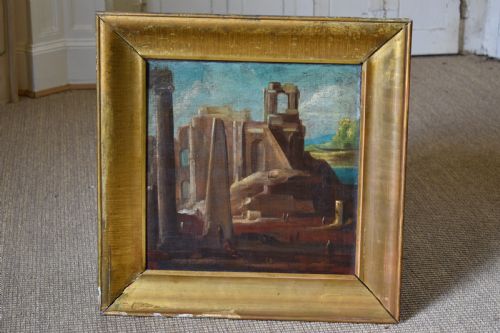
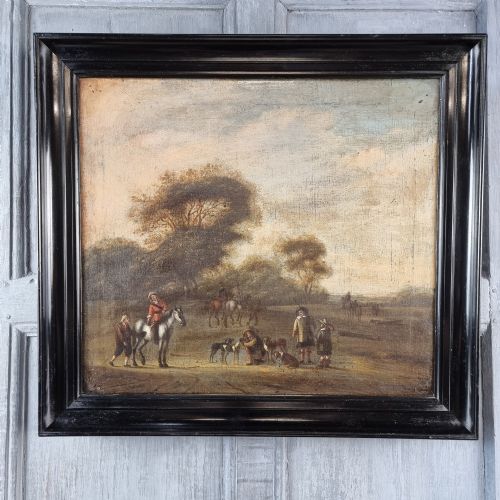
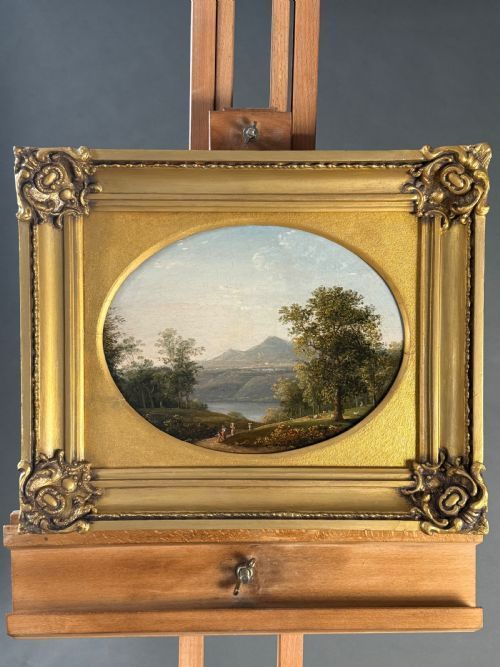
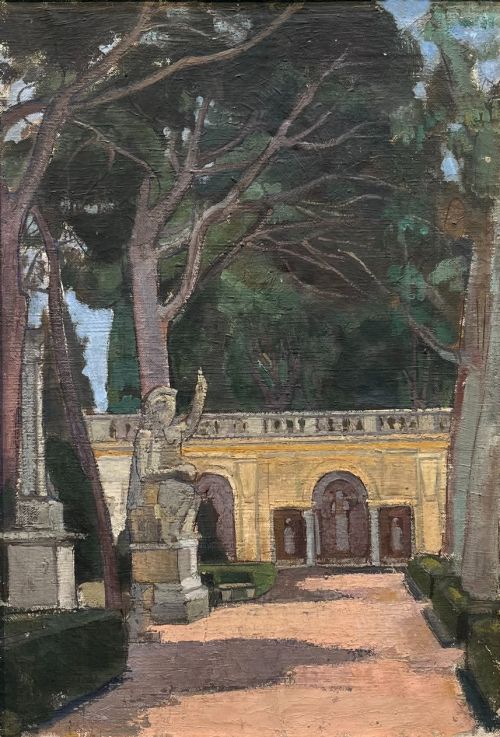
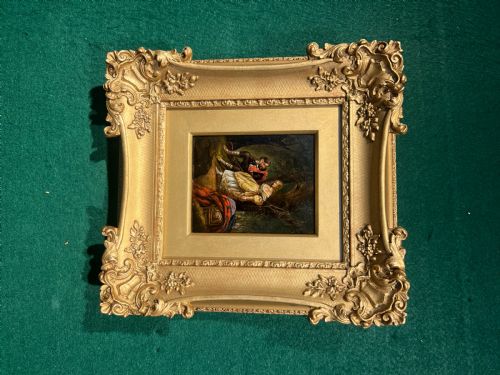
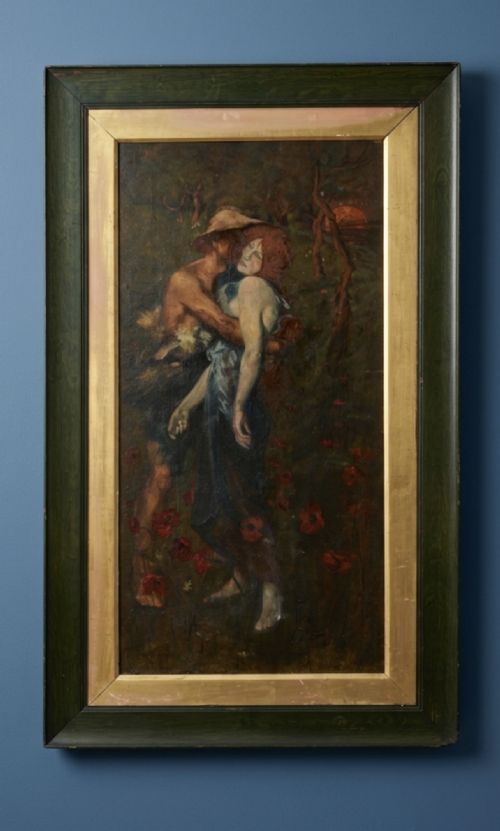
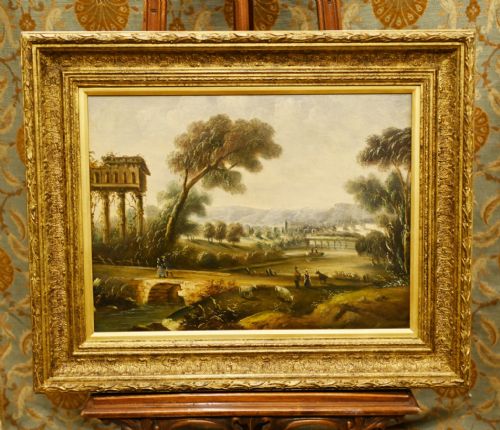
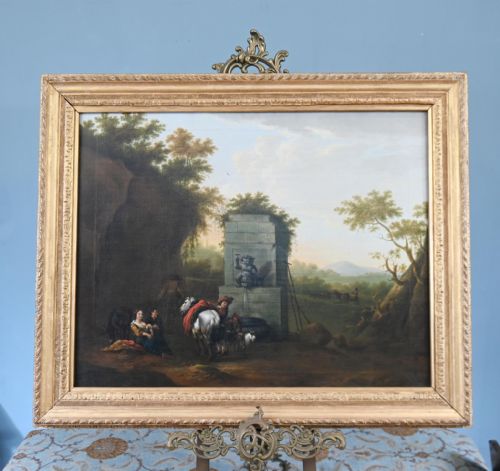
These pieces of classical landscape oil artwork bring structured pastoral views and architectural ruins into a room through oil on canvas.
Classical Landscape Oil Artwork
A classical landscape oil artwork typically presents pastoral scenery, rustic figures, and antique architectural elements rendered with oil paint. These paintings often channel Italianate scenery or Dutch Golden Age traditions, capturing an idealised view of nature.
Buyers will encounter works spanning several centuries, including seventeenth-century Dutch scenes, eighteenth-century Grand Tour compositions, and nineteenth-century Romantic interpretations. Canvas and wood serve as the primary supports for these historic oils.
How they were made
The technique relies on tonal balance and careful perspective to draw the eye through river valleys, mountain ranges, and architectural ruins. Artisans built frames using carved wood finished with intricate gesso and gilding.
Styles represented include Dutch Golden Age, nineteenth-century Romanticism, and eighteenth-century Italianate schools.
What varies in quality
Quality rests in the handling of light, atmospheric depth, and the confidence of the brushwork across foliage and architecture. Works attributed to recognised schools or named masters demonstrate superior draughtsmanship in figures and natural forms.
The preservation of the original paint surface and the integrity of the period giltwood or gesso frame contribute significantly to the standing of a piece. Finer examples maintain their original tonal harmony without heavy overpainting.
Angelo Maria Crivelli·Francois Boucher·Jacob Philipp Hackert·Jan Miel·John Ferneley Senior·Carl Johan Fahlcrantz·Cornelis Van Poelenburgh·Thomas Edward Roberts·John Hamilton Mortimer·Jean-baptiste Joseph Pater·Giovanni Paolo Panini·Claude Lorrain·Frederick Waters Watts·Carl Adolf Mende·Eugene Verboeckhoven·Pieter Bout·Adriaen Frans Boudewyns·Francesco Zuccarelli·Jan Evert Morel·William Raymond Dommersen
The Classical Landscape Oil Artwork Glossary
- Grand Tour
- A cultural trip of Europe undertaken by wealthy young men in the eighteenth and nineteenth centuries, often resulting in the acquisition of local art. These paintings frequently depict Italian ruins and classical scenery.
- Italianate
- A painting style that adopts the light, architecture, and scenery of Italy. Artists working in northern Europe often utilised these sun-drenched motifs.
- Giltwood
- Wood that has been covered with a thin layer of gold leaf or gold paint. This material forms the decorative frames surrounding many period oils.
- Gesso
- A plaster-like mixture applied to wood or canvas as a base for painting or gilding. It provides a smooth surface for intricate frame moulding.
Classical Landscape Oil Artwork: Frequently Asked Questions
How do I date an antique oil painting?
Dating relies on examining the canvas preparation, stretcher construction, pigment types, and the style of the brushwork. Period frames also offer clues, as framing styles shifted from ornate seventeenth-century carvings to nineteenth-century gilding.
Attributions to specific schools or documented artists further help narrow down the period of execution.
Where were these paintings displayed originally?
Historic owners typically hung these works in the reception rooms, libraries, and galleries of country houses and urban townhouses. Grand Tour paintings in particular commemorated European travels for British collectors.
They served as conversational centrepieces that demonstrated the owner's classical education and refined taste.
How do I care for an oil on canvas?
Keep paintings away from direct sunlight, high humidity, and rapid temperature fluctuations to protect the canvas and oil pigments. Dust the surface and frame gently with a dry, soft brush without applying pressure.
Avoid using liquid cleaners on the paint layer and consult a professional conservator for cleaning.