




Heavy Gilt Framed Canvas
These heavy gilt framed canvas pieces bring substantive texture and historical depth into a room through rich gilded mouldings and painted oil surfaces.
Heavy Gilt Framed Canvas
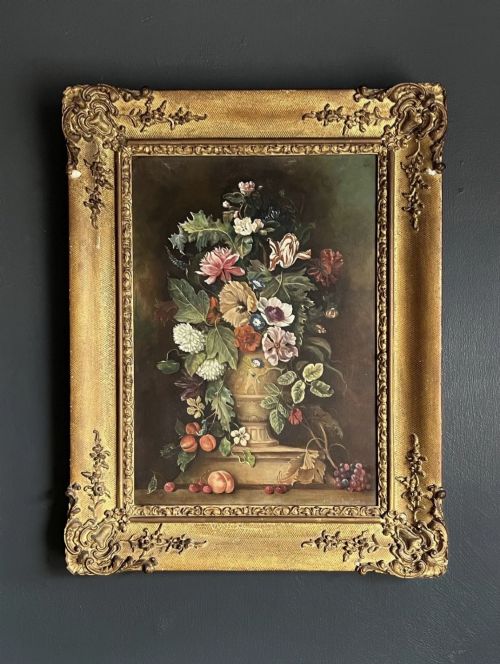
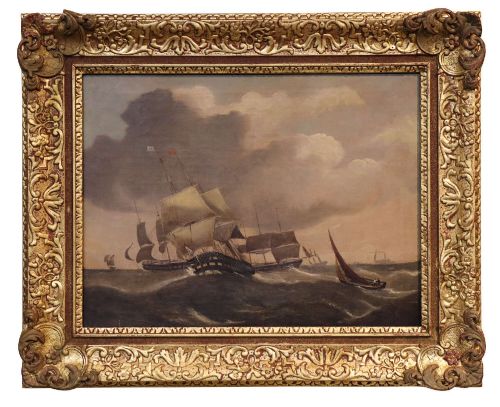
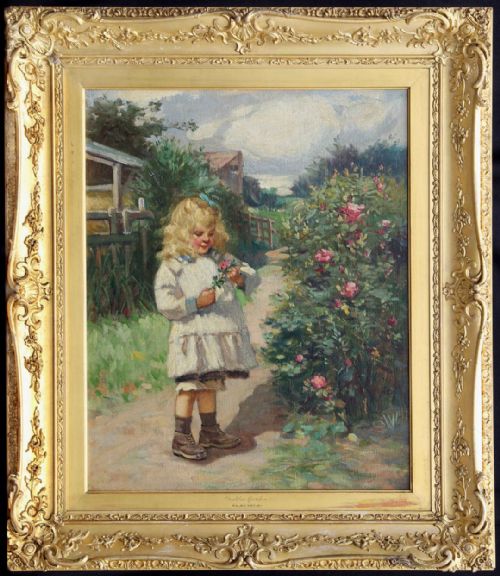
Heavy gilt framed canvas works encompass oil paintings presented within substantial gilded surrounds, combining pictorial subjects with ornate wooden and gesso housings. When searching for a heavy gilt framed canvas, buyers encounter a range of formats from Victorian marine scenes and domestic animal portraits to mid-century cityscapes.
The objects span multiple periods including the Victorian era, the nineteenth century, and mid-century decades like 1930, 1950, and 1960. Traditional country styles, Dutch golden age approaches, and French school aesthetics appear frequently across these listings.
Canvas serves as the primary painted medium, housed within heavy frames fashioned from wood, gesso, and giltwood decorated with gold leaf. Subjects range from equines and landscape views to floral still lifes and maritime shipping.
How they were made
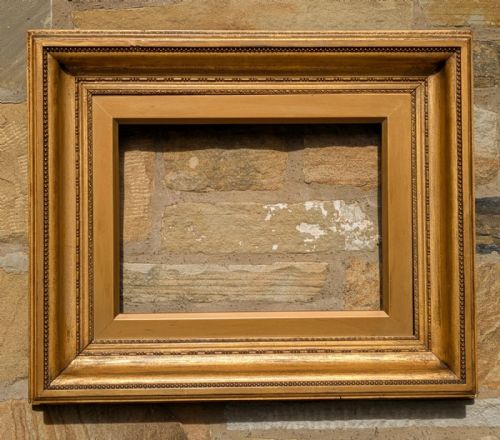
Makers built the structural housings using wood as a base, applying layers of gesso to create sculptural depth and relief ornament before finishing the surface with gold leaf or gilding. This technique yielded the physical weight characteristic of these frames.
Paintings utilise oil paint applied to stretched canvas surfaces, allowing artists to build rich textures and tonal gradations. These canvases were then secured within the prepared gesso and giltwood surrounds.
Grey shire horses feature prominently, caught mid-ploughing or being unyoked by diligent farmers.
What varies in quality
Quality separates through the finesse of the hand-carved or moulded gesso relief work on the frame and the dexterity of the oil paint application on the canvas. Superior examples display crisp detail in the gilded ornament and confident brushwork in the pictorial subject.
The integration between the painting and its housing also dictates distinction, where period-appropriate pairings maintain visual harmony. The depth of the gold leaf application and the preservation of the original surface contribute to the overall standing of the piece.
Andre de Moller·Alexandre Decamps·Ralph Hedley RBA·W E Millner
The Heavy Gilt Framed Canvas Glossary
- Gesso
- A plaster-like preparation mixture used on frames to create a smooth surface for gilding. It allows craftsmen to model intricate relief decoration.
- Giltwood
- Wood that has been coated with gold leaf or gold paint. This material provides the brilliant metallic finish seen on ornate antique frames.
- Canvas
- A heavy woven fabric used as a support surface for oil paintings. It is typically stretched tightly over a wooden frame before painting begins.
- Oil Paint
- A slow-drying paint made of pigment suspended in a drying oil. It permits deep blending and rich textural application on canvas.
- Victorian Rococo Revival
- A nineteenth-century design style characterised by exuberant, asymmetrical scrollwork and naturalistic ornamentation. Frames from this movement feature curving plant motifs and deep relief.
Heavy Gilt Framed Canvas: Frequently Asked Questions
How do I hang a heavy gilt framed canvas?
These pieces require robust picture hooks and fixings screwed directly into wall studs or secured with heavy-duty wall anchors to support the substantial weight of the wood and gesso frame.
Ensuring the hanging wire or D-rings on the reverse match the load capacity prevents accidents and keeps the artwork secure.
Where should I place these paintings at home?
Position them in principal rooms such as a living room or hallway where the gilded frame catches natural light and adds focal presence to the interior.
Avoid placing them in areas subject to high humidity or direct sunlight to protect both the oil canvas and the delicate gold leaf finish.
What subjects are common in these works?
Common subjects include pastoral landscapes, equine portraits of shire horses, maritime shipping scenes, and floral still lifes reminiscent of Dutch golden age painting.
Cityscapes and domestic animal studies also appear, reflecting the diverse artistic output of the nineteenth and mid-twentieth centuries.