
Vintage Classical Oil Painting
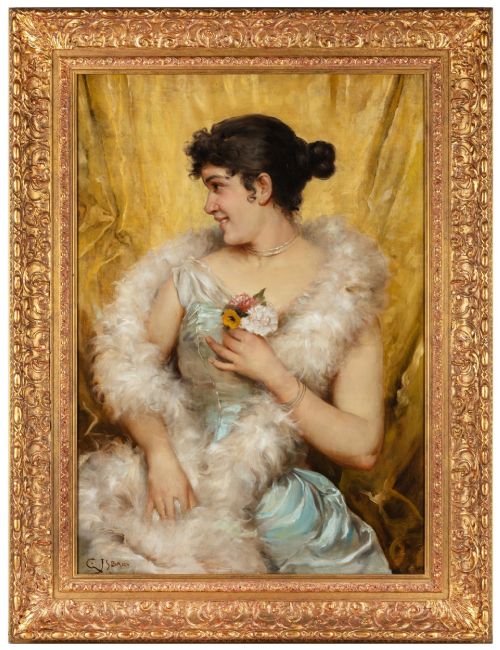
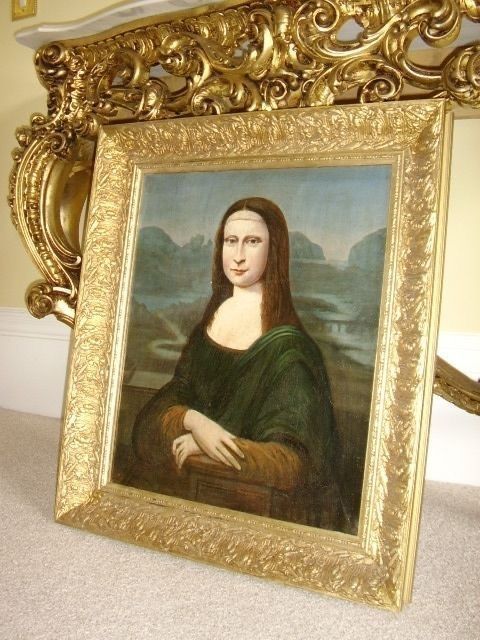
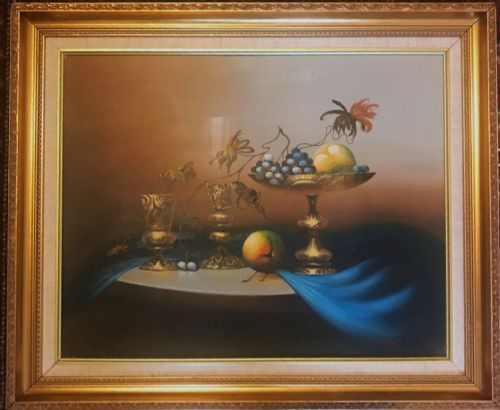
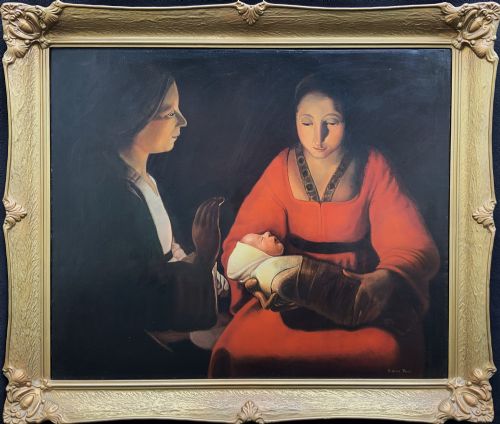
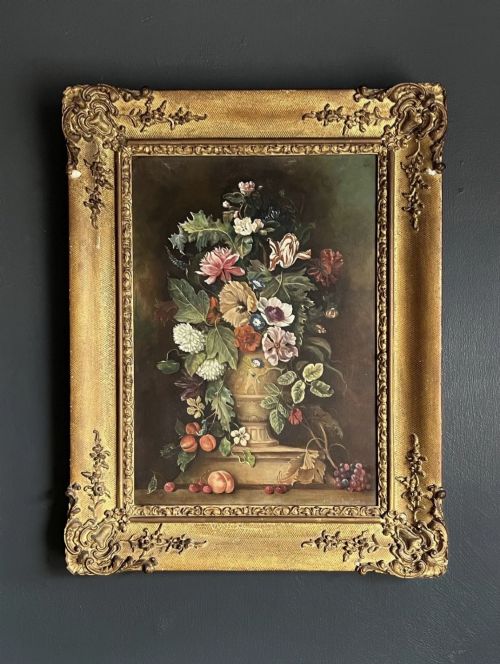
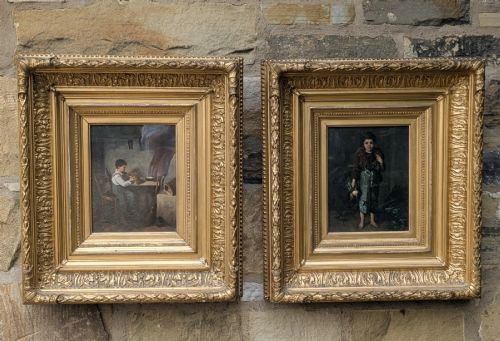
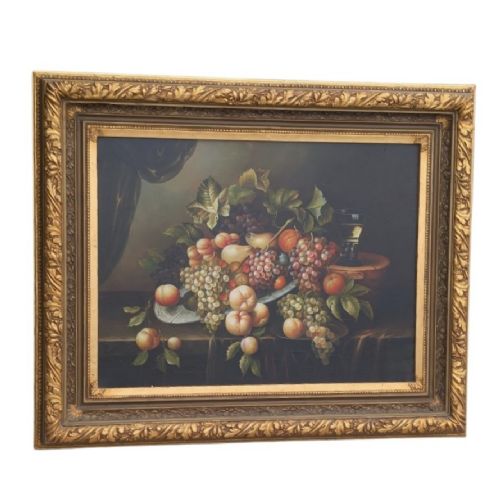
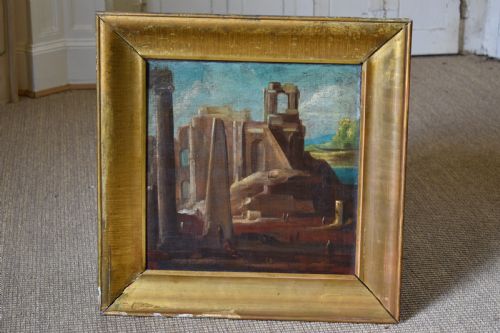
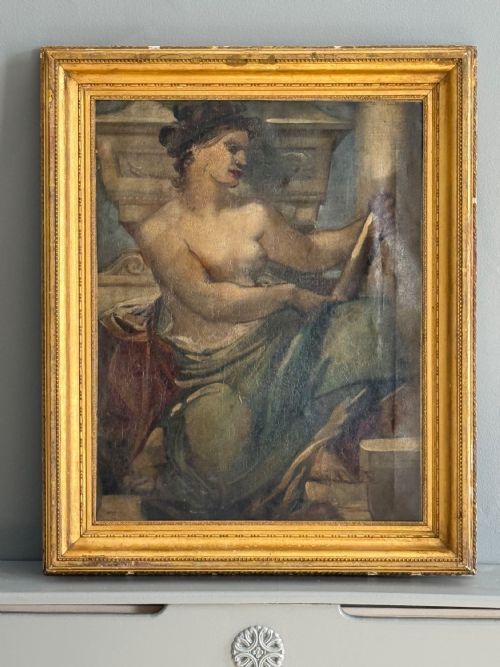
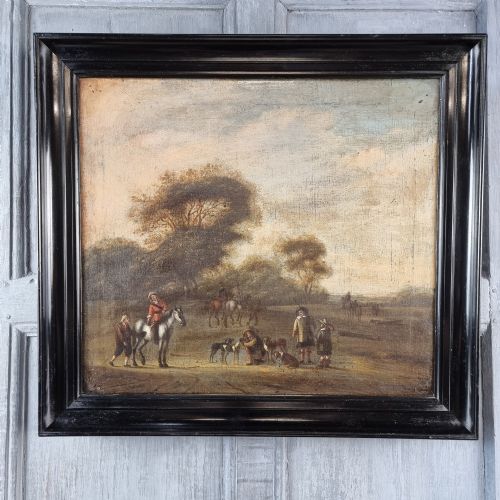
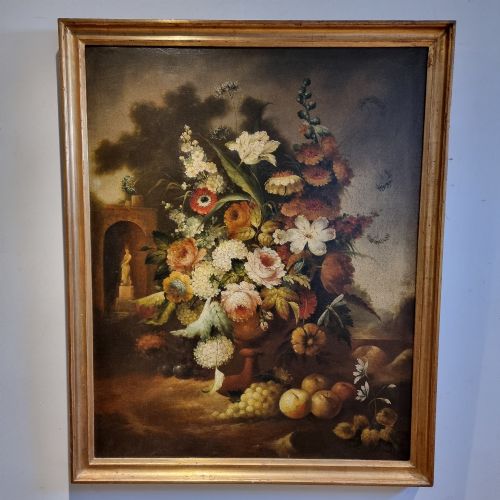
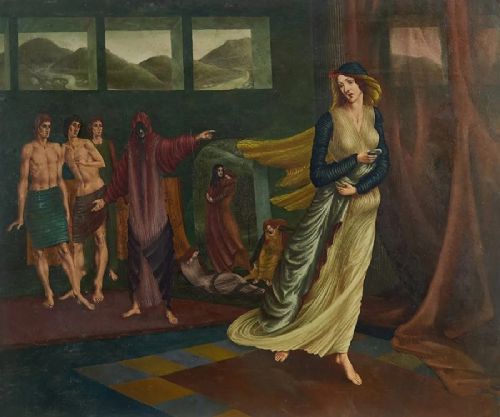
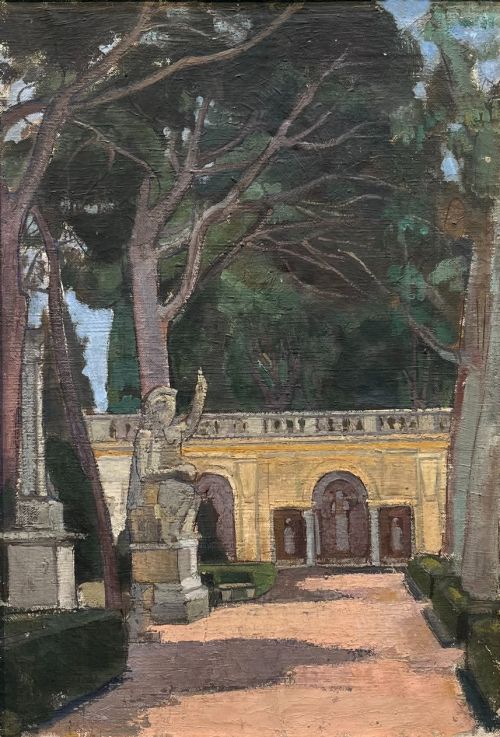
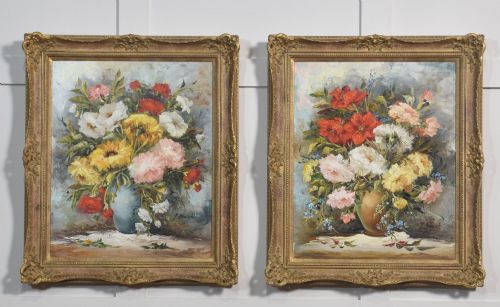
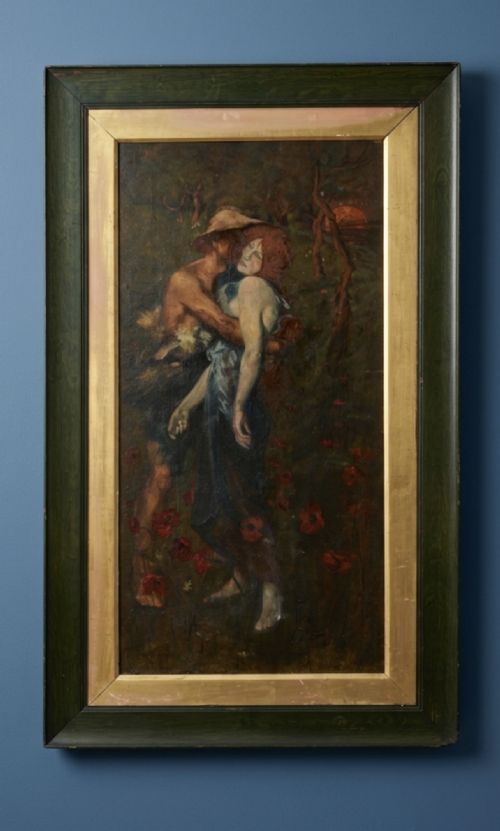
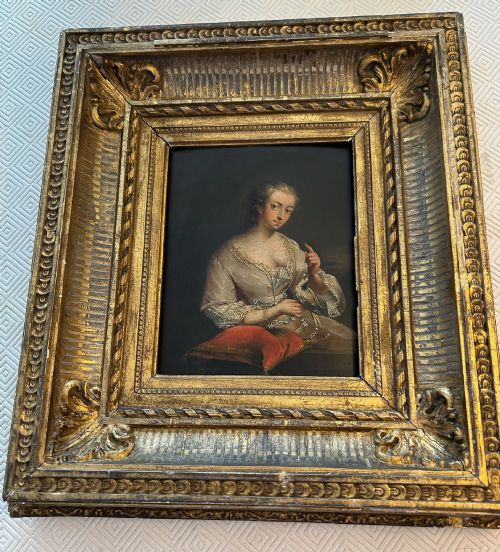
These vintage classical oil painting selections span centuries, bringing historic portraits, dramatic still lifes, and grand landscapes into modern rooms.
Vintage Classical Oil Painting
A vintage classical oil painting brings traditional figurative subjects, landscapes, and floral arrangements into domestic interiors through historic artistic traditions. When exploring vintage classical oil painting selections, collectors encounter works ranging from intimate portraits to expansive mythological and pastoral scenes.
The pieces available here draw heavily on historical styles including French Rococo, Neoclassical, Baroque, and the Dutch Golden Age. These works often replicate or echo canonical masterpieces, offering the visual weight of earlier centuries combined with later execution dates.
Common formats include oil on canvas and oil on board, frequently housed within period giltwood, gesso, or moulded frames. Origin points span diverse European schools, including British, Italian, and Flemish traditions.
Materials and construction methods
Pigments suspended in oil paint were traditionally applied to stretched woven canvas or wooden boards, allowing for rich blending and deep luminosity. This medium permitted artists to build up translucent glazes and opaque highlights over extended periods.
Frames frequently utilised carved wood, gesso, and applied gilt or gold leaf to create ornate architectural surrounds. Mouldings often incorporated decorative motifs such as egg and dart patterns to complement the artwork within.
Listings feature works spanning from the seventeenth century through to the mid-twentieth century, utilising oil on canvas and wood.
Assessing quality and execution
Execution skill in draftsmanship and brushwork distinguishes accomplished interpretations from stiffer decorative copies. Superior works display confident handling of light, shadow, and anatomical or botanical proportion.
The integrity and preservation of the original support material, whether canvas or panel, heavily influence the overall standard of a piece. Additionally, the quality of the surrounding gilt gesso frame, particularly its original condition and depth of carving, contributes significantly to the object's standing.
G. J. S. Bary·Jozsef Molnar·Francis Plummer·Manuela Bonati·Margaret Maitland Howard·John Watkins Chapman·Allan Douglas Davidson·Ferruccio Vitale·Eugene Verboeckhoven
The Vintage Classical Oil Painting Glossary
- Gesso
- A plaster-like mixture applied to wood or canvas to prepare a smooth surface for painting or gilding. This substance was frequently moulded and carved on picture frames.
- Giltwood
- Wood that has been coated with thin gold leaf or gilt powder. This material defined opulent framing styles throughout the seventeenth, eighteenth, and nineteenth centuries.
- Trompe l'oeil
- An artistic technique designed to create an optical illusion of three-dimensional space and reality. These pieces trick the eye into perceiving flat surfaces as physical objects.
- Grisaille
- A painting executed entirely in shades of grey or neutral monochrome. This method was often employed to mimic sculptural reliefs or serve as a preliminary underpainting.
- Provenance
- The documented history of ownership of an artwork. Tracing this lineage helps establish authenticity and historical context.
Vintage Classical Oil Painting: Frequently Asked Questions
What is a vintage classical oil painting?
A vintage classical oil painting is an artwork created using traditional oil techniques that emulates historical artistic styles from periods like the Baroque or Renaissance.
These pieces often feature subjects such as formal portraits, mythological scenes, and still lifes rendered with historic framing.
How were these paintings originally displayed?
Historical paintings of this nature were typically hung in prominent reception rooms, galleries, and grand domestic spaces to project status and culture.
They were specifically paired with ornate giltwood frames to complement period interior architecture and furnishings.
How do I care for an oil painting?
Protect the canvas or board by keeping the artwork away from direct sunlight, extreme temperature fluctuations, and high humidity.
Dust the surface and frame gently with a soft, dry brush without applying liquid cleaners or pressure to the paint layer.
How can I tell different painting periods apart?
Stylistic clues such as costume, composition, and brushwork technique help indicate the era in which a piece was created.
Comparing the canvas preparation, stretcher bars, and framing style provides additional context regarding the age of the artwork.