
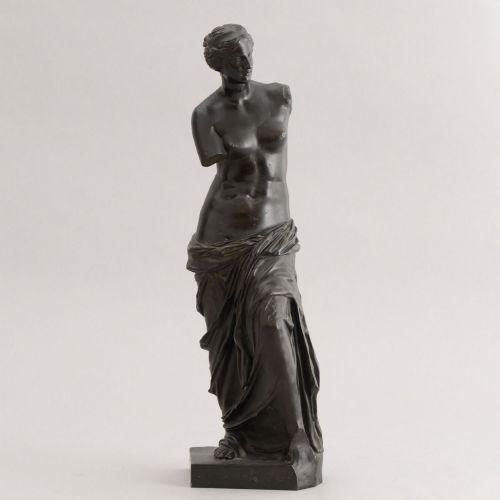


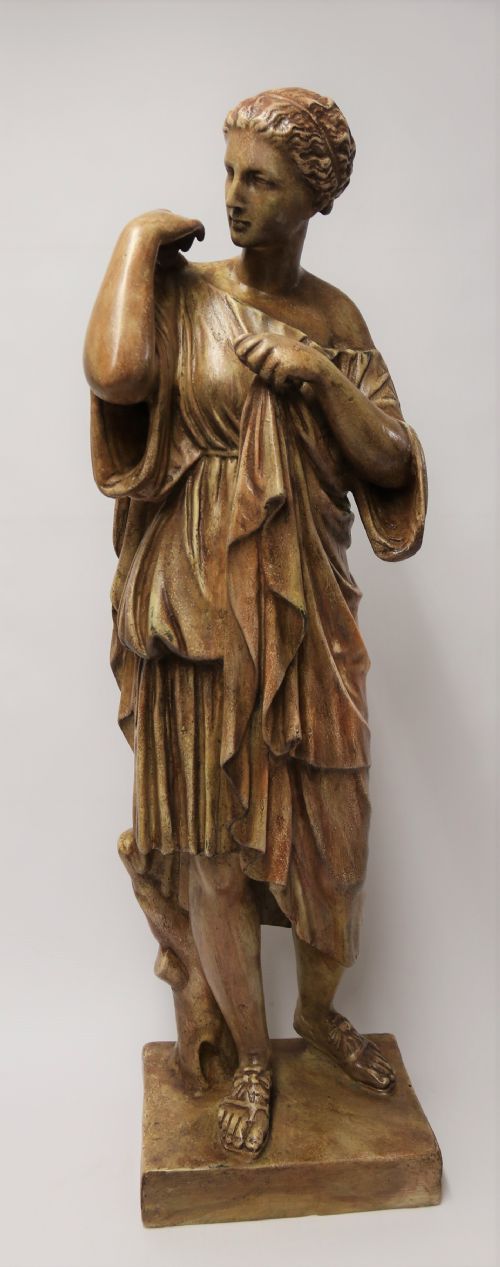


Classical Goddess Figure
A classical goddess figure brings mythology into domestic spaces through bronze, marble, and carved stone.
Classical Goddess Figure
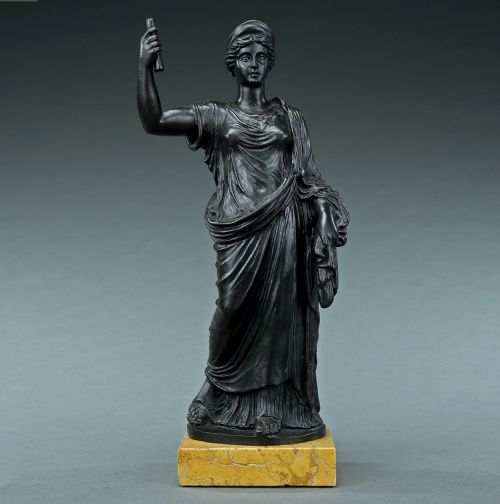
A classical goddess figure represents mythological deities such as Venus, Diana, Juno, and Minerva across various sculptural forms. These pieces frequently manifest as Grand Tour souvenirs, table lamps, mantel ornaments, and decorative figurines originating from the eighteenth, nineteenth, and early twentieth centuries.
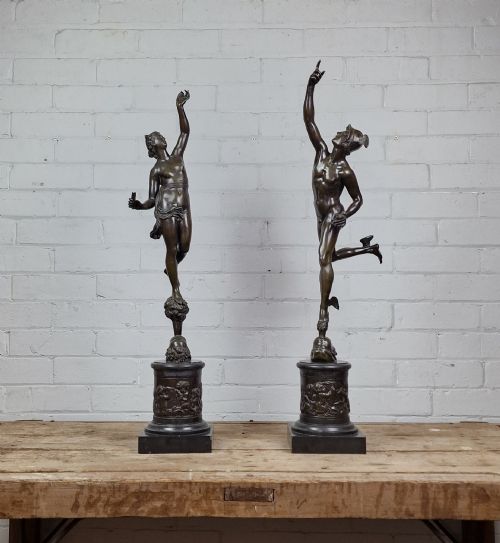
The material execution ranges from patinated bronze and cast stone to carved marble and alabaster. Many examples draw directly from antique statuary, reproducing canonical works associated with sculptors like Antonio Canova and Giambologna.
Domestic deployment varied from cabinet bronzes and architectural plaques to larger candelabra and garden statues. Subjects span the huntress Diana, the goddess Fortuna, and mythological allegories connected to classical revival aesthetics.
Assessing quality and execution
The choice and density of the supporting base, whether veined marble or turned wood, signal the intended destination and status of the piece. Grand Tour souvenirs produced for travelling patrons often display distinct tiers of finishing work depending on the commissioning atelier.
Materials recorded across the inventory include bronze, marble, alabaster, wood, and shell.
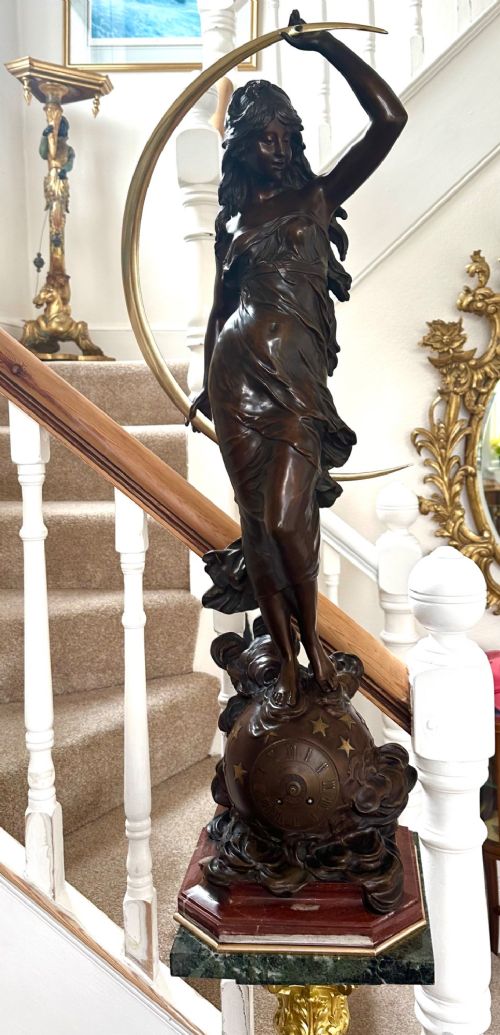
August Moreau·Louis Ernest Barrias·Carlhian And Corbiere
The Classical Goddess Figure Glossary
- Grand Tour
- A traditional trip through Europe undertaken by upper-class young men to absorb classical culture and art. Souvenirs collected along the way frequently included bronze and marble reductions of ancient statuary.
- Patinated bronze
- Metal sculpture treated with chemical solutions to produce a controlled surface colour or dark protective coating. This finish highlights sculptural contours and simulates ancient patination.
- Neoclassical
- An artistic movement drawing inspiration from the classical art and culture of ancient Greece and Rome. It prioritises proportion, restraint, and mythological subject matter.
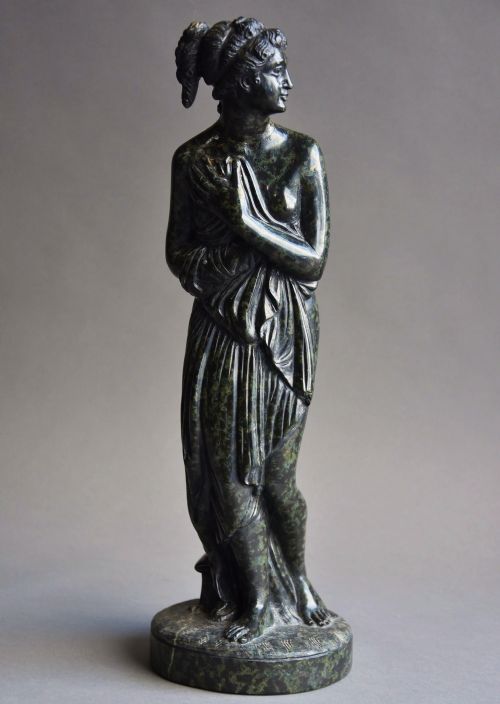
- Serpentine
- A group of green silicate minerals often used as a decorative stone for small sculptures and architectural elements. It yields a smooth, mottled surface when polished.
- Alabaster
- A fine-grained, translucent stone used extensively for carved figures and decorative vessels. Its softness allows for delicate surface detail and soft light diffusion.
Classical Goddess Figure: Frequently Asked Questions
What periods do these sculptures date from?
The pieces span the eighteenth, nineteenth, and early twentieth centuries, capturing various revival movements. Georgian and Victorian periods predominate alongside later iterations.
Craftsmanship reflects the prevailing aesthetic tastes of collectors during those specific decades.
How were these figures displayed historically?
Owners placed them upon mantelpieces, libraries, and cabinet surfaces as symbols of classical erudition. Larger examples integrated into lighting fixtures or served as architectural table ornaments.
Garden settings occasionally accommodated stone and cast versions designed to withstand outdoor conditions.
What distinguishes a Grand Tour souvenir?
These portable objects were acquired by travellers visiting classical antiquities in Italy and France. They typically scale down famous museum sculptures into manageable domestic sizes.
materials commonly include patinated bronze, marble, and carved alabaster mounted on stone bases.
How do materials affect the appearance?
Bronze allows for sharp linear detail and deep patination effects suited to active mythological poses. Marble and alabaster offer a softer translucency that mimics flesh and flowing garments.
Stone and wood selections dictate the overall weight and permanence of each individual composition.