
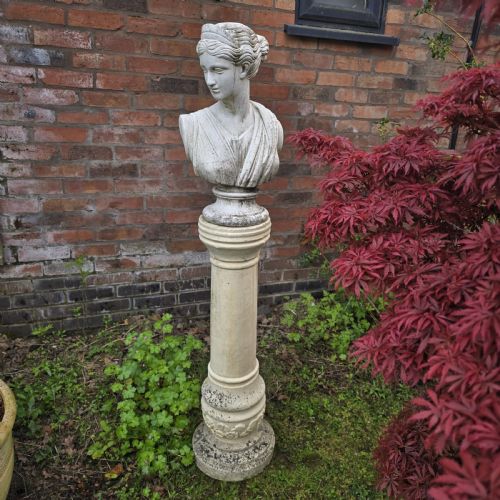


Classical Garden Statue
A classical garden statue brings architectural theatre to lawns and terraces, channelling antique grandeur through stone, marble and cast iron.
Classical Garden Statue
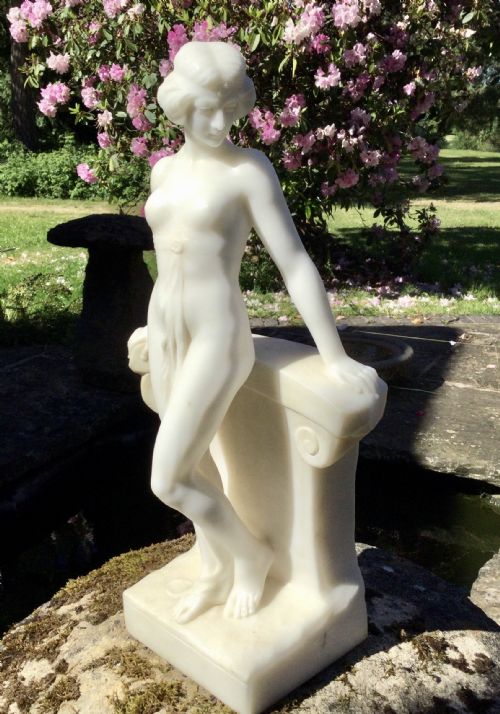
A classical garden statue comprises figures, animals and architectural ornaments rooted in historical European design. Buyers encounter nineteenth-century pieces alongside mid-twentieth-century examples set upon stone pedestals and plinths.
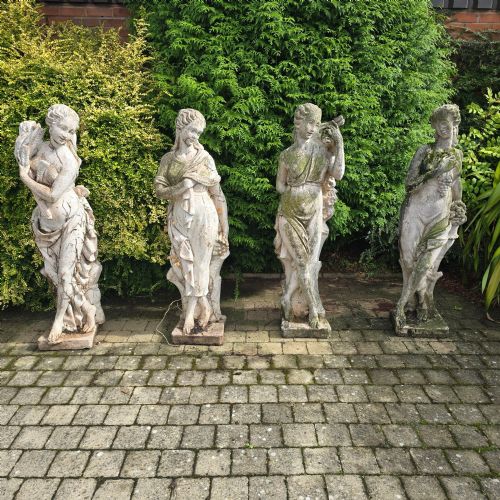
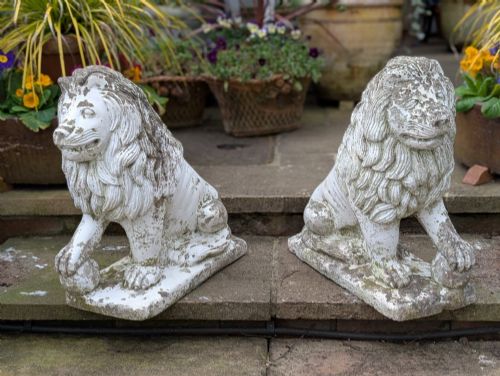
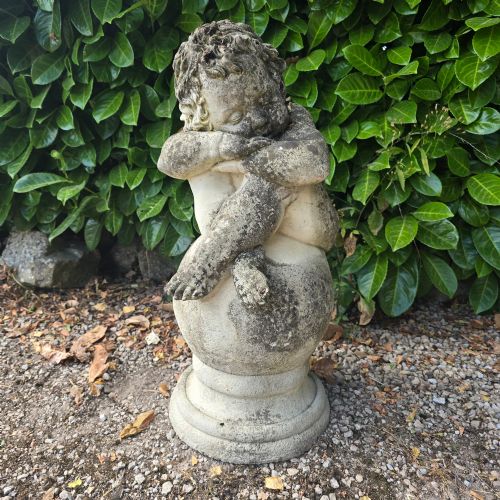
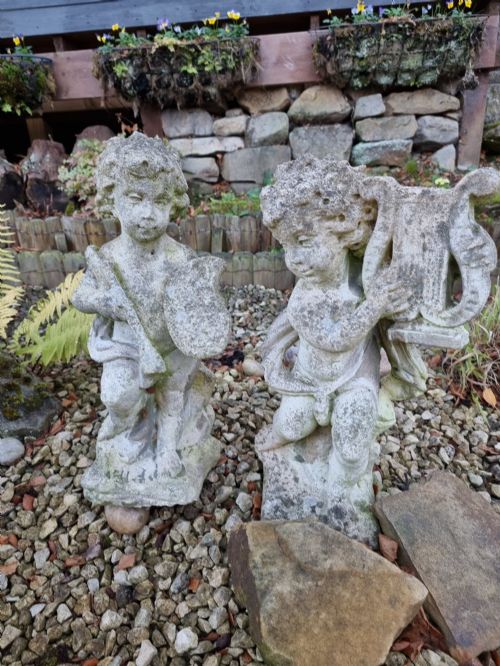
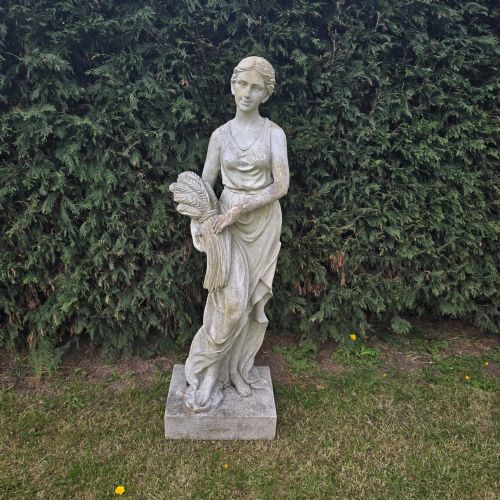
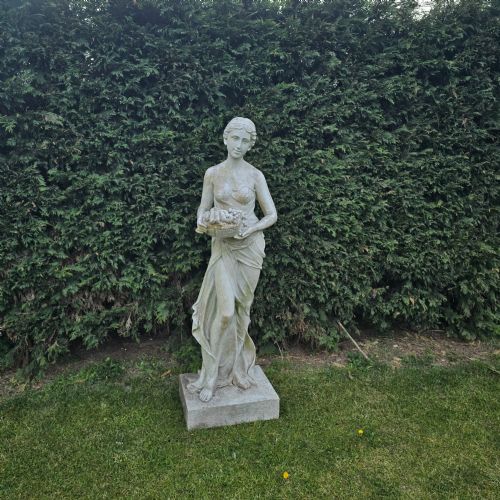
The selection ranges from life-sized figures representing the seasons and classical deities to guardian lions and cherubs. Neoclassical and Victorian revival styles dominate the inventory, bringing formal symmetry to outdoor spaces.
Materials and methods
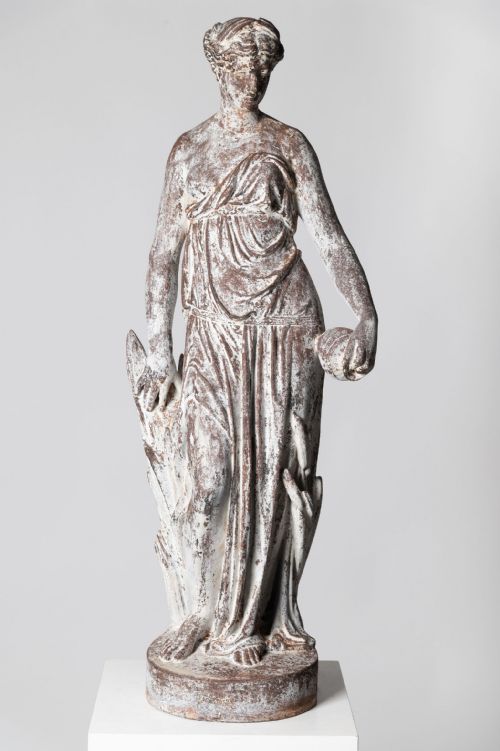
Carved marble and solid stone provide the traditional foundation for enduring outdoor sculpture, shaped by hand using heavy chisels and rasps. Foundries also utilise cast iron, bronze and terracotta to produce robust figures with crisp surface details.
Reconstituted stone and concrete serve as durable mediums for twentieth-century garden ornaments, moulded to replicate carved textures. Surface paint and natural weathering agents are often applied to accelerate patination on exposed garden stone.
Sleeping cherubs and stone lion guardians keep a watchful, silent eye over quiet garden paths.
Assessing quality and presence
The integration of material patination defines the visual success of older outdoor figures. Gradual surface weathering deepens the character of stone and cast iron, whereas mechanical uniformity diminishes the presence of mid-century recast items.
Val d’Osne foundry
The Classical Garden Statue Glossary
- Neoclassical
- A revival style drawing direct inspiration from classical Greek and Roman art. It prioritises solemn dignity, clear outlines and traditional mythological subjects.
- Plinth
- A heavy base or pedestal supporting a statue or bust. It elevates the sculpture to improve sightlines in a garden setting.
- Reconstituted stone
- A composite material made from crushed stone and cement binder, moulded into architectural ornaments. It offers a practical alternative to carved natural stone.
- Terracotta
- Fired clay used for sculptural modelling and architectural details. It develops a distinct warm reddish hue over time.
- Patina
- The surface texture and coloration acquired by materials through age and exposure to the elements. Natural weathering enhances the visual depth of stone and metal.
Classical Garden Statue: Frequently Asked Questions
How do I choose the right size?
Consider the scale of surrounding trees, walls and pathways before selecting a stone figure. Life-sized pieces require substantial open lawns or formal terraces to avoid overwhelming the space.
Smaller busts and cherubs suit intimate courtyard walls and sheltered garden corners. Matching a statue to a suitably proportioned plinth elevates the overall presence.
Are these statues frost resistant?
Natural marble, carved stone and cast iron handle outdoor exposure reliably when installed correctly. Porous materials like concrete and reconstituted stone benefit from winter protection during hard freezes.
Elevating statues off damp soil using stone pads prevents moisture absorption. Proper drainage stops water from collecting in hollow cast sections.
How do I clean weathered stone?
Gentle brushing removes loose organic debris and surface dirt without harming the historic patina. Avoid aggressive pressure washing that strips away weathered textures and softer outer surfaces.
Allowing moss and lichen to remain often enhances the visual character of nineteenth-century garden figures. Use plain water and soft bristle tools for routine maintenance.
How do I date an antique statue?
Examine the tool marks on carved marble or stone for clues regarding period manufacturing techniques. Nineteenth-century pieces often display hand-chiseled detailing distinct from twentieth-century moulded concrete.
Foundry marks on cast iron sculptures help pinpoint specific production eras. Material composition and surface weathering patterns also provide reliable chronological markers.