

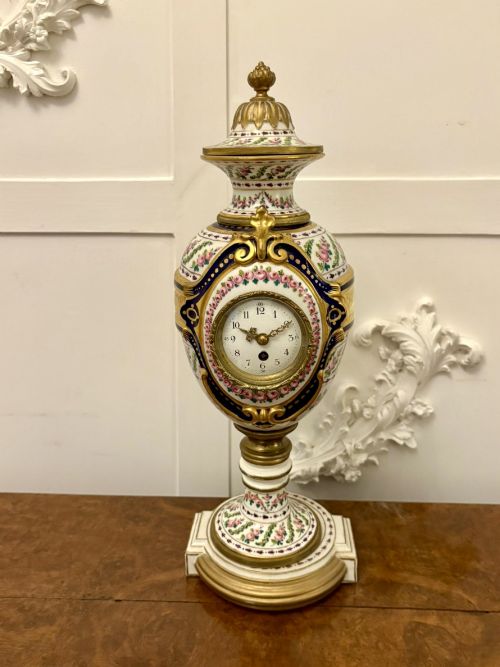
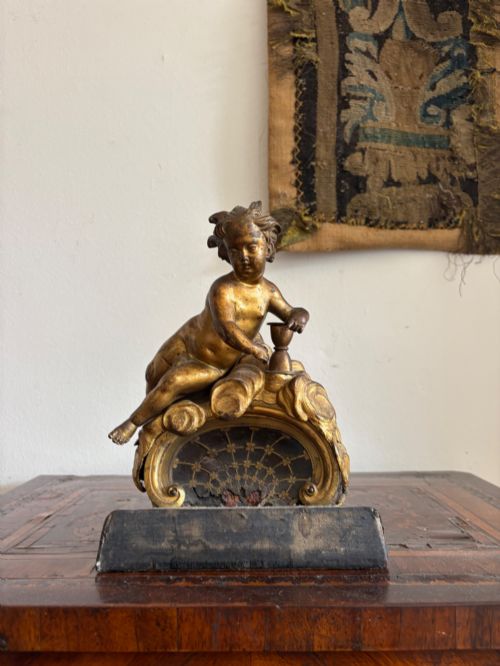
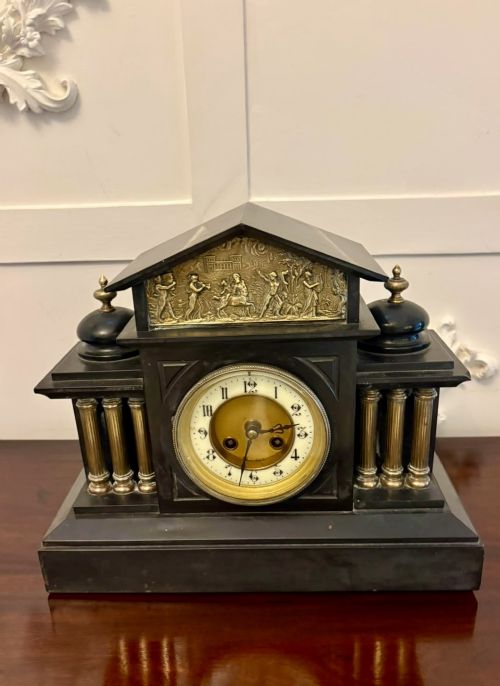
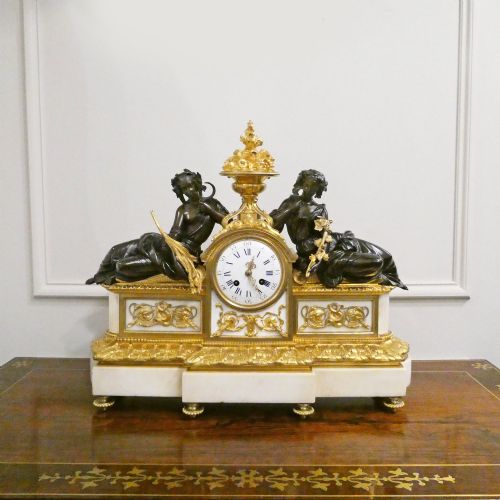
Classical French Mantel Clock
A classical french mantel clock brings sculptural weight and precision movement to a room, drawing the eye with polished marble and gilt metal.
Classical French Mantel Clock
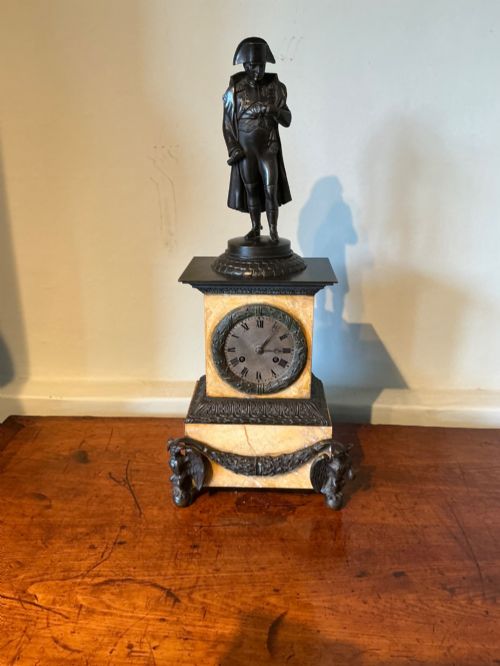
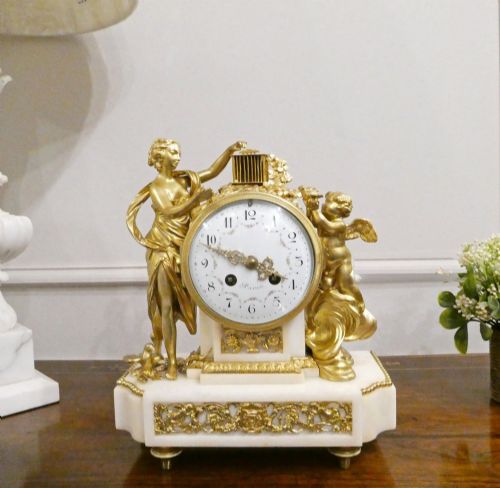
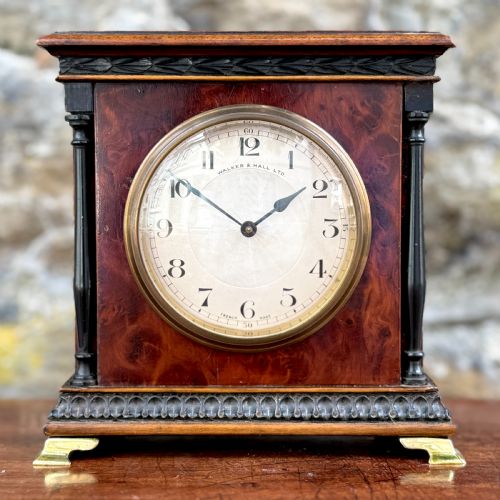
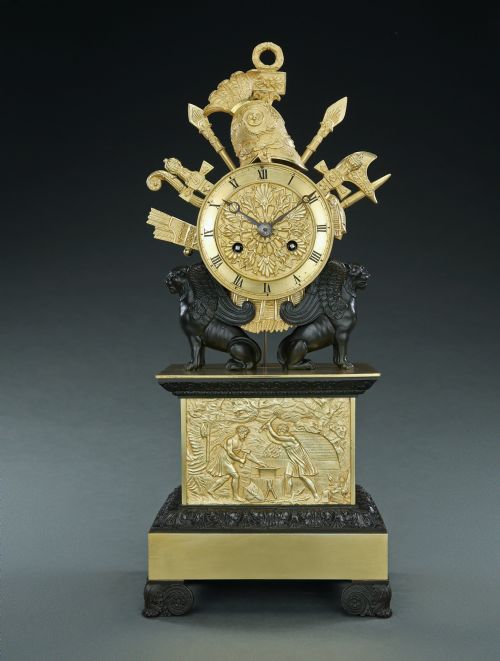
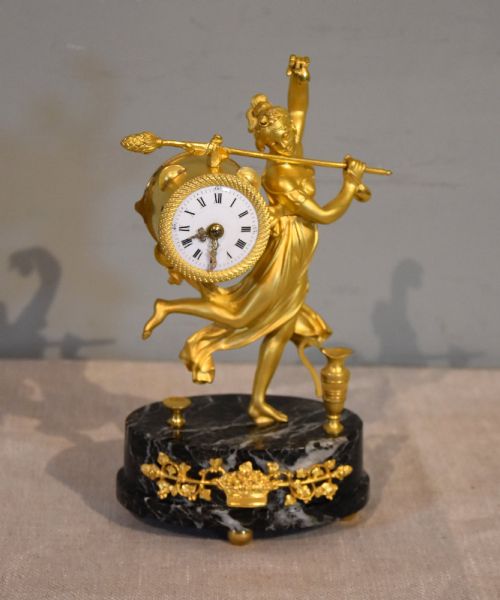
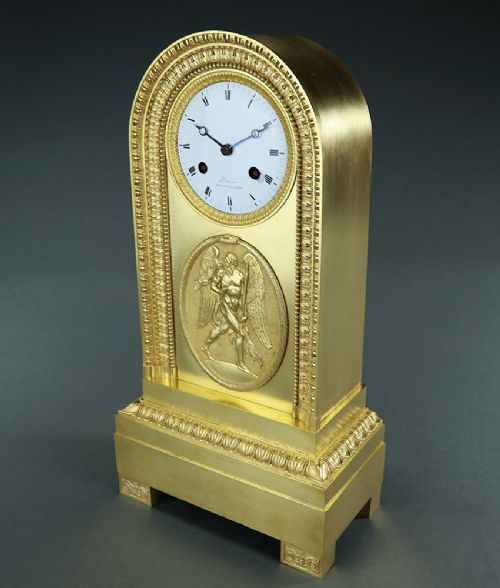
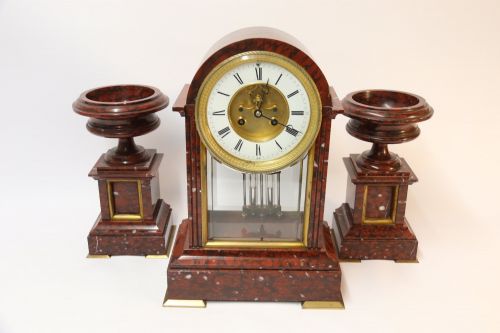
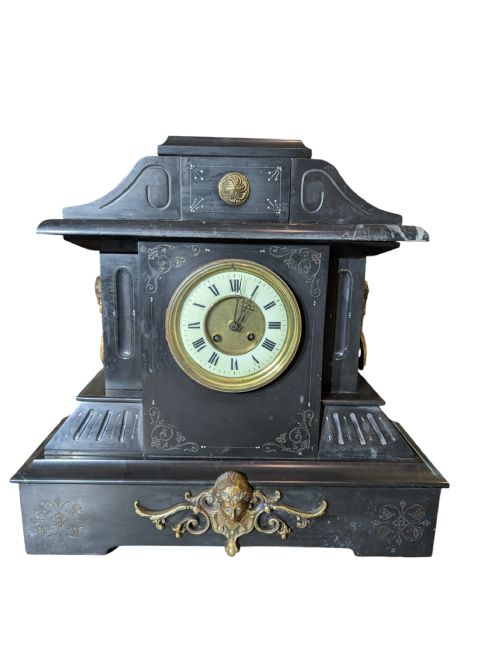
A classical french mantel clock combines architectural stone cases with metal ornamentation, taking forms such as portico clocks, drum heads, and architectural structures. These timepieces emerge primarily from the nineteenth century, spanning periods from the late eighteenth century through the early twentieth century.
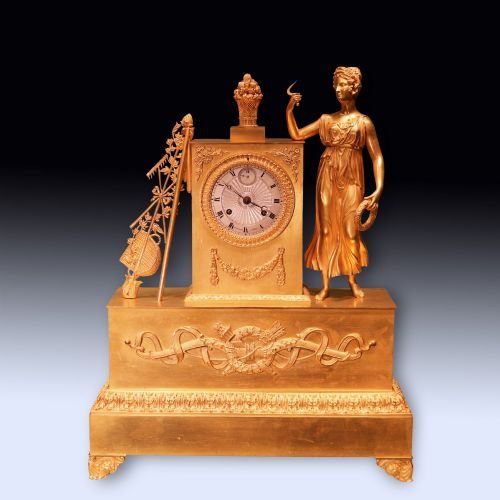
Buyers encounter distinct design revivals on this page, notably Louis XVI style, French Empire, and Neoclassical forms. Many pieces arrive alongside garniture sets featuring matching urns or side ornaments.
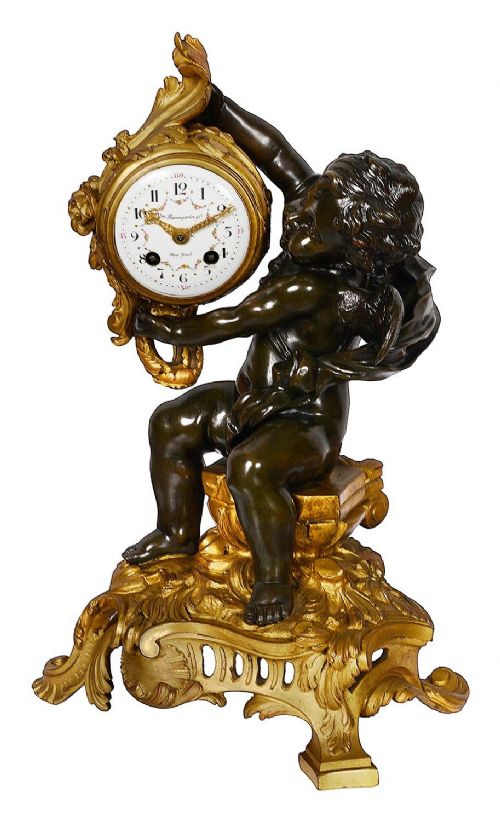
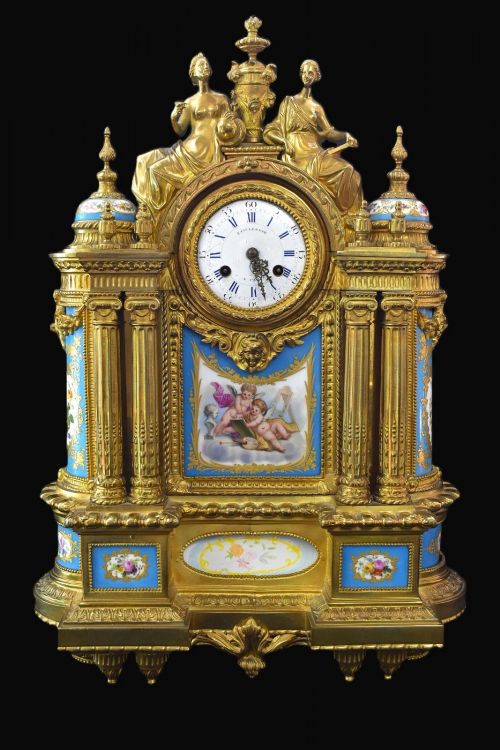
The materials balance heavy stones like black, green, rouge, and sienna marble with reflective finishes in ormolu, gilt brass, and patinated bronze. Dial faces frequently incorporate enamel numerals alongside hand-painted porcelain panels.
Judging Quality
Quality rests in the crispness of the bronze chasing and the depth of the mercury gilding, where sharp detail on figures and mounts distinguishes superior workshops. The selection of the marble body also dictates the tier, with rich sienna or uniformly figured black and green stones holding greater visual weight.
The mechanical pedigree shapes the standard of the piece, as signed movements by established makers indicate higher manufacturing precision. Harmony between the clock case and its original garniture sets completes the upper echelon of these timepieces.
Listings feature nineteenth century periods alongside materials such as sienna marble, ormolu, and patinated bronze.
Vincenti·Walker and Hall·Samuel Marti·Etienne Lenoir·Japy Freres·Philippes Paris·Berger, Paris·Baby and Jannings·Canaillor of Paris
The Classical French Mantel Clock Glossary
- Ormolu
- Gilt bronze created by applying a mercury and gold amalgam to a bronze base and firing it to yield a rich golden finish. This technique defines the bright metallic highlights on nineteenth-century clock cases.
- Garniture
- A set consisting of a central clock flanked by matching ornamental pieces such as urns or vases. These symmetrical arrangements display uniformly across a mantelpiece.
- Portico Clock
- A clock case constructed with architectural columns supporting a central movement housing. This neoclassical form often incorporates glass crystal or polished marble.
- Patinated Bronze
- Bronze treated with chemical solutions to produce a darkened, weathered surface coloration. This finish contrasts with bright ormolu mounts on classical clock cases.
- Movement
- The internal mechanical gear train that powers the clock hands and strike train. These brass mechanisms frequently operate on an eight-day cycle.
Classical French Mantel Clock: Frequently Asked Questions
How do I wind a classical french mantel clock?
Use the designated winding key inserted into the dial holes to turn the springs gently until resistance meets your hand. Avoid over-winding to protect the internal brass mechanism.
Ensure you match the key to the correct arbor for the time train or strike train. Regular winding keeps the eight-day movement running accurately.
What is a clock garniture set?
A clock garniture set includes a central mantel clock paired with matching decorative side pieces, usually urns or vases. These sets create a balanced display across a mantelpiece.
The side ornaments share the same marble and bronze materials as the main clock housing. This unified aesthetic defines formal nineteenth-century interior arrangement.
How do I tell nineteenth century styles apart?
Empire and Neoclassical pieces favour strict symmetry, military trophies, and classical figures in patinated bronze. Later Victorian and Louis XVI revival models introduce richer porcelain panels and ornate scrolling gilt mounts.
Examining the marble colour and architectural motifs clarifies the specific design period. Slate and black marble often point toward later Victorian production.
Where should I place a heavy marble clock?
Position the clock on a stable, level surface capable of supporting considerable stone and metal weight, such as a sturdy mantelpiece or low cabinet. A secure foundation prevents tipping and keeps the pendulum swinging evenly.
Keep the clock away from direct heat sources and strong drafts to protect the delicate enamel dial and internal metal springs.