

Classical French Clock
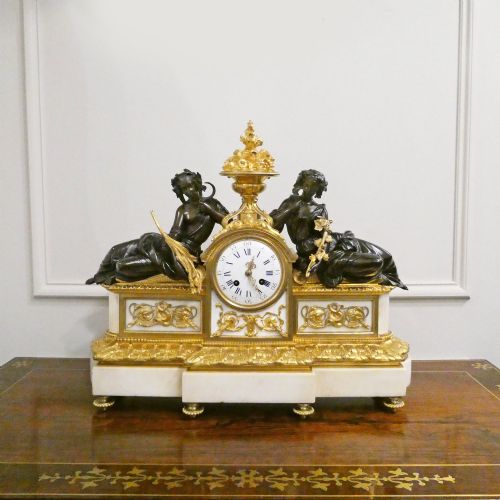
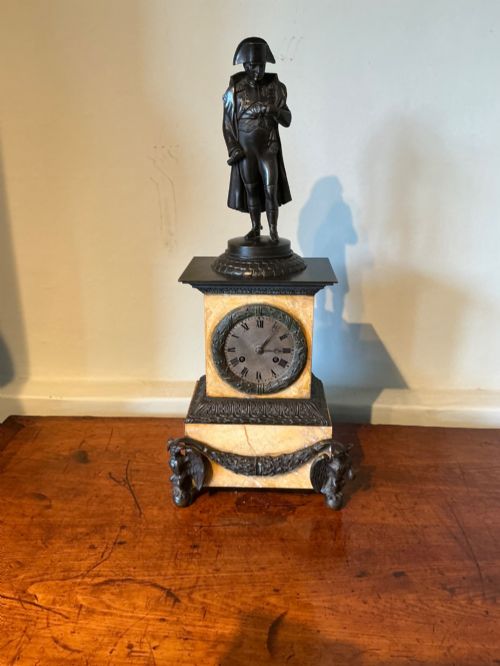
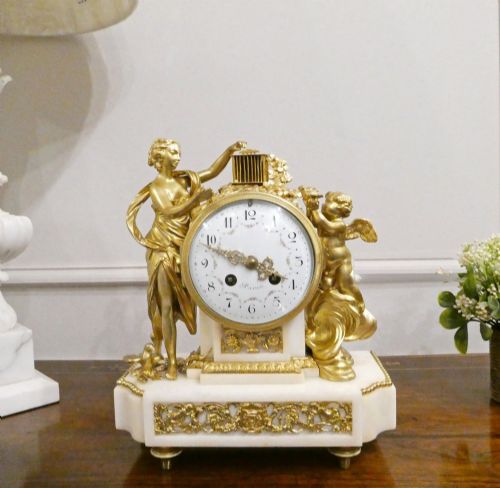
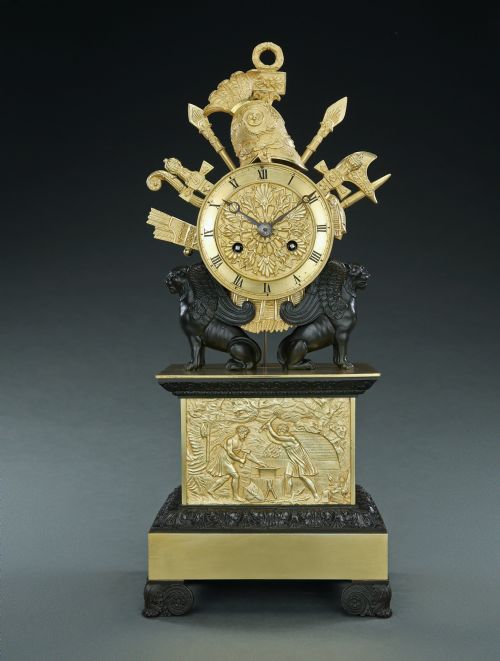
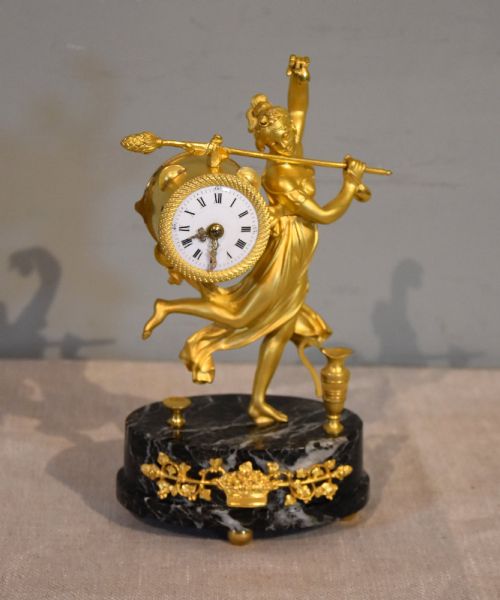
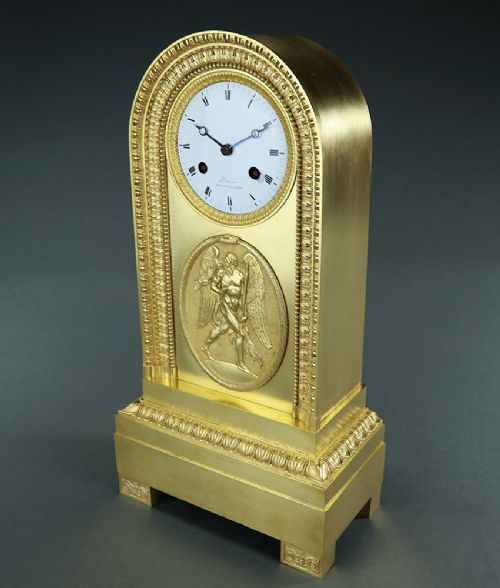
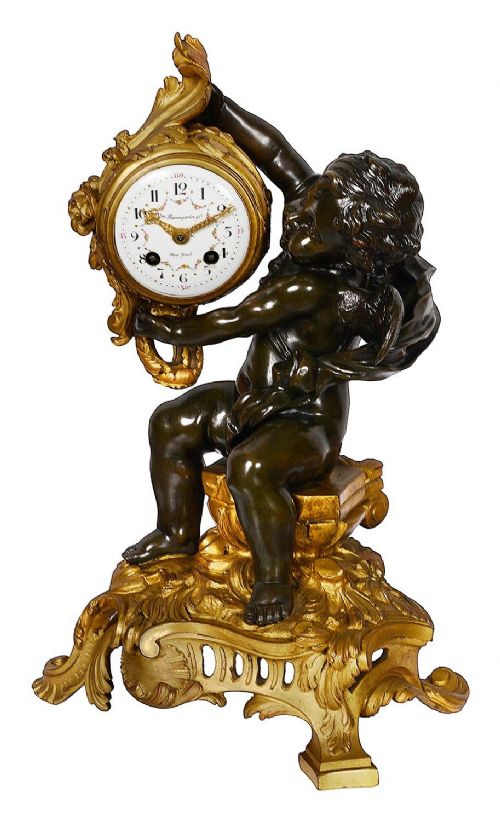
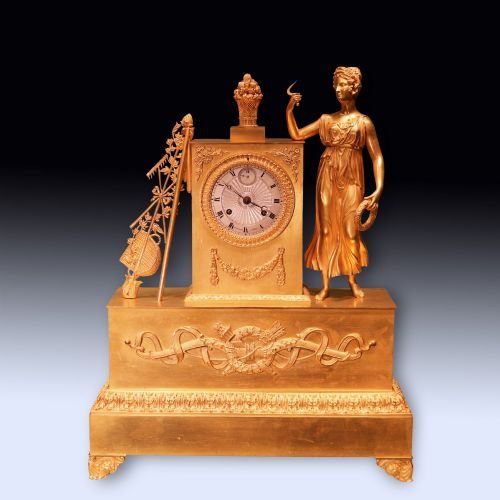
A classical french clock brings monumental presence to a mantelpiece, combining refined sculptural bronze with rich marble housing.
Classical French Clock
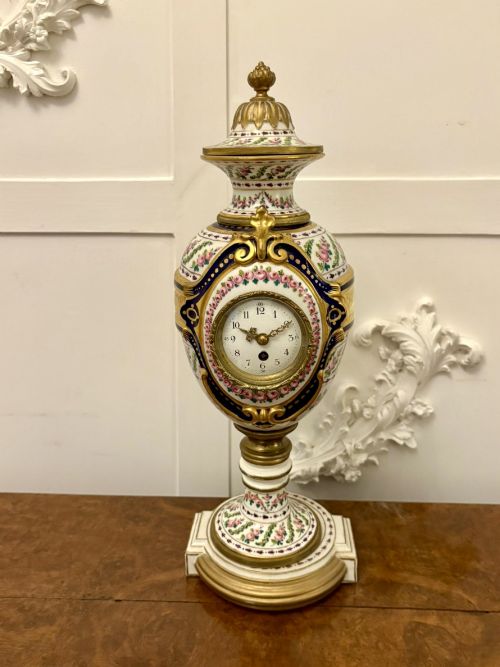
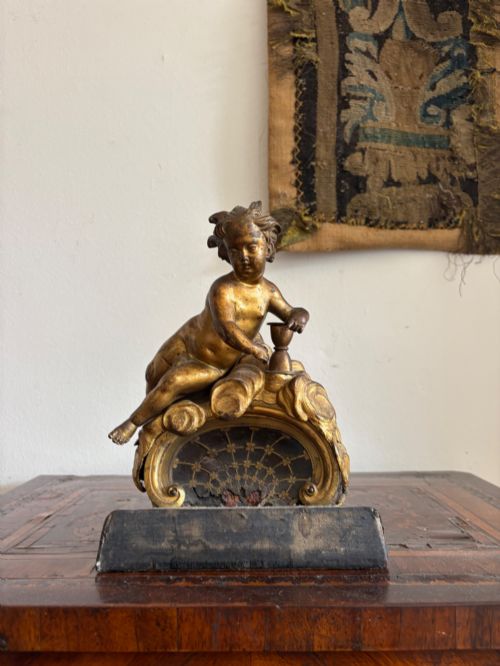
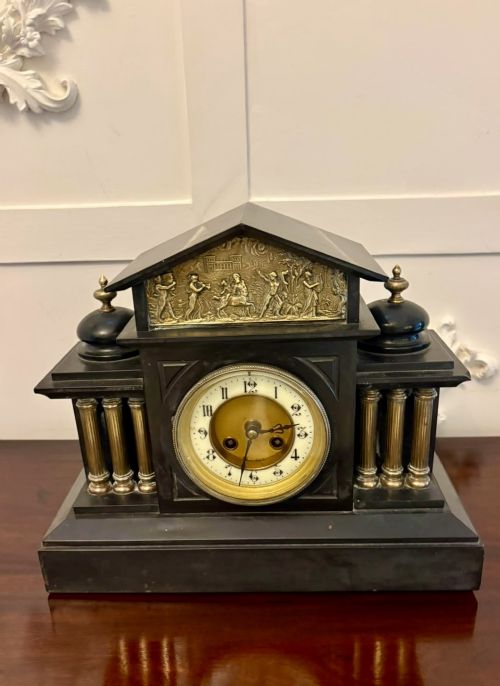
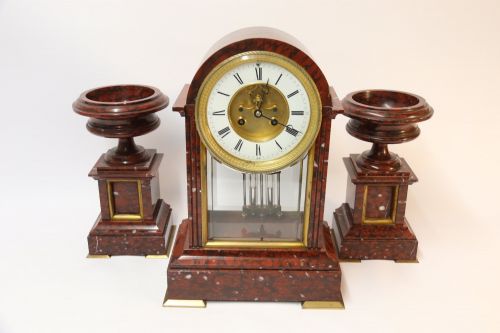
A classical french clock encompasses substantial mantel pieces, architectural clock sets, and ornate garnitures spanning the nineteenth century. Buyers seek these works for their striking combination of functional horology and sculptural artistry, often featuring mythological figures or classical motifs. The most common forms found on this page are mantel clocks paired with matching side urns or candelabra.
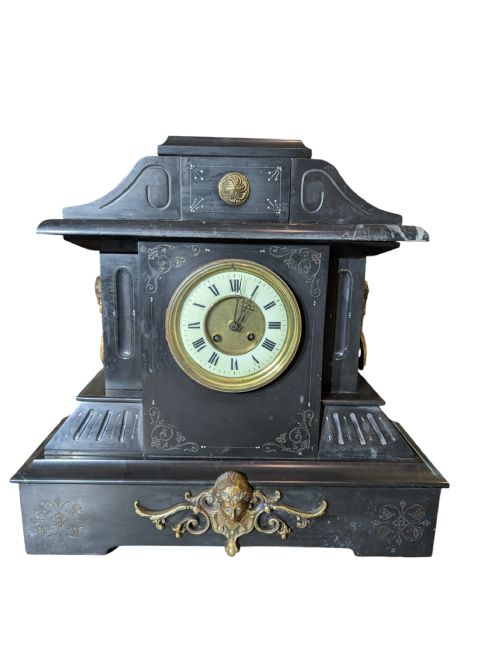
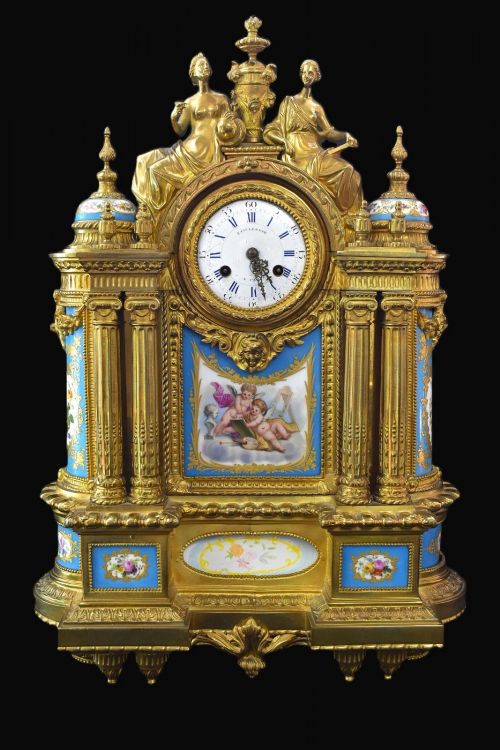
Makers such as Japy Freres and Samuel Marti provided reliable movements housed in cases of rouge, black, or sienna marble mounted with gilt bronze. Styles lean heavily towards Louis XVI Revival, Neoclassical, and French Empire aesthetics, reflecting classical architectural orders and symmetry. These pieces command attention through sheer weight and the warmth of patinated metals set against polished stone.
How They Were Made
Foundry workers cast mounts in bronze before applying heavy mercury gilding to create the characteristic ormolu finish seen across these objects. Stonemasons shaped heavy blocks of marble, slate, and alabaster into architectural porticos, drum heads, and urn bodies designed to house mechanical movements. Enamel dials, often painted with delicate numerals, sat behind bevelled glass bezels held within cast brass bezels.
What Varies in Quality
The refinement of the cast bronze mounts distinguishes standard production from exceptional examples, with finer pieces displaying crisply chased details on hair, drapery, and acanthus leaves. The selection of the marble body also dictates worth, particularly where variegated sienna or deep rouge stones show complex natural mineral patterns. Furthermore, the presence of signed movements by established makers like Vincenti or Etienne Lenoir elevates the horological pedigree of the piece.
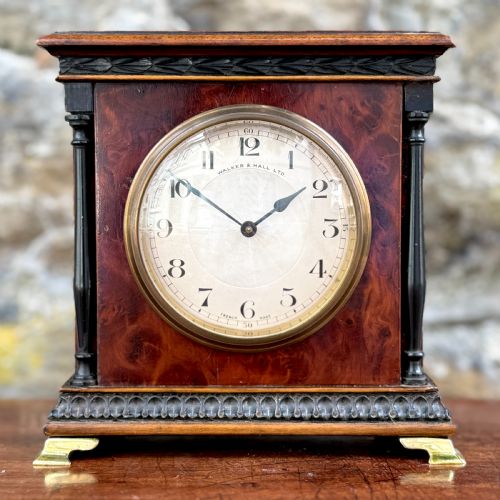
Vincenti·Walker and Hall·Canaillor of Paris·Samuel Marti·Etienne Lenoir·Japy Freres·Philippes Paris·Berger·Baby and Jannings·Louis Japy
The Classical French Clock Glossary
- Ormolu
- Gilt bronze created by applying a mercury and gold amalgam to a cast bronze object before firing. This technique produced a deep, lasting golden lustre characteristic of high-end nineteenth-century decorative arts.
- Garniture
- A set consisting of a central clock flanked by matching decorative objects such as urns, vases, or candelabra. These sets were designed to create a balanced, symmetrical display across a fireplace mantel.
- Portico clock
- A clock featuring an architectural case supported by four columns, often housing a pendulum suspended within the open central space. Crystal glass elements frequently enhanced this airy structural form.
- Cartel clock
- A wall-mounted clock featuring an ornate frame made of gilt bronze or carved wood. These pieces were designed to hang directly on drawing room walls rather than rest on furniture.
- Drum head clock
- A clock where the dial and movement are housed in a circular metal case resembling a drum. This case typically sits elevated upon a rectangular marble or bronze plinth.
Classical French Clock: Frequently Asked Questions
How do I wind my classical french clock?
Most eight-day movements require a key inserted into the dial holes to tension the springs. Turn gently until resistance is felt, taking care not to over-wind the mechanism.
Ensure you use the correct size key for the winding squares to avoid rounding the delicate metal over time.
Why does my clock run fast or slow?
Pendulum clocks rely on precise length adjustments to regulate timekeeping accurately. Locate the small square nut on the pendulum rod and turn it up to speed the clock or down to slow it.
Temperature changes in the room and the age of the mainspring can also influence how the mechanical movement performs daily.
How should I clean the marble and ormolu?
Dust the marble surfaces regularly with a soft, dry cloth to prevent grime accumulation. Avoid harsh chemical cleaners that can strip the delicate mercury gilding from the bronze mounts.
If the ormolu requires attention, a gentle sweep with a dry artist's paintbrush will safely clear dust from recessed cast details.
What is a clock garniture set?
A garniture set pairs a central mantel clock with matching side ornaments, typically urns or candelabra. These matched pieces were arranged symmetrically on mantels or console tables in formal nineteenth-century interiors.
Finding a complete, matching set originating from the same maker remains a key consideration for collectors of these works.