
Ormolu Bronze Desk Clock
An ormolu bronze desk clock brings architectural weight and bright mercury-gilded metal to a study or interior surface.
Ormolu Bronze Desk Clock
An ormolu bronze desk clock combines cast metalwork with timekeeping, often taking the form of mantel clocks or smaller desk timepieces. When you search for an ormolu bronze desk clock, you encounter pieces primarily from the nineteenth century, including Victorian productions and earlier Regency examples.
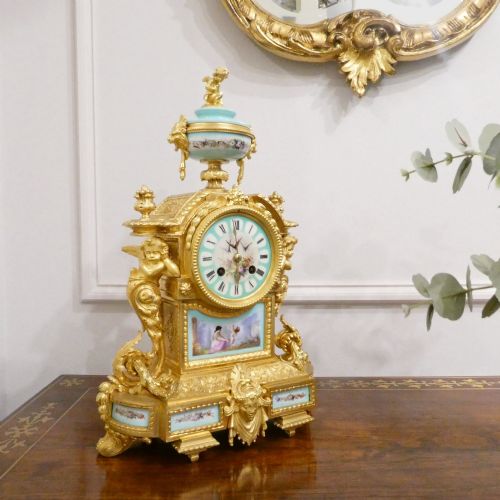
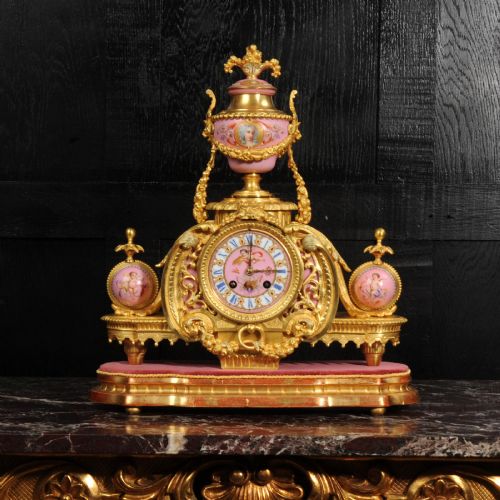
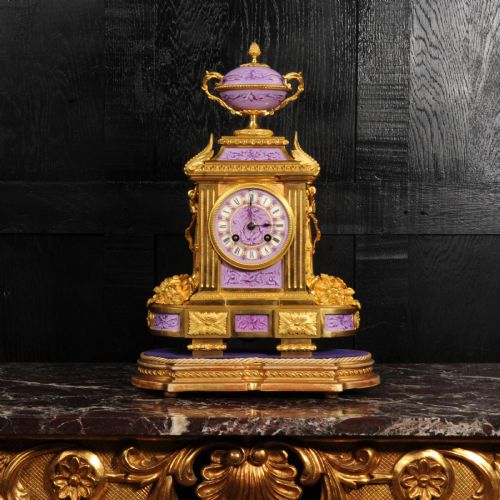
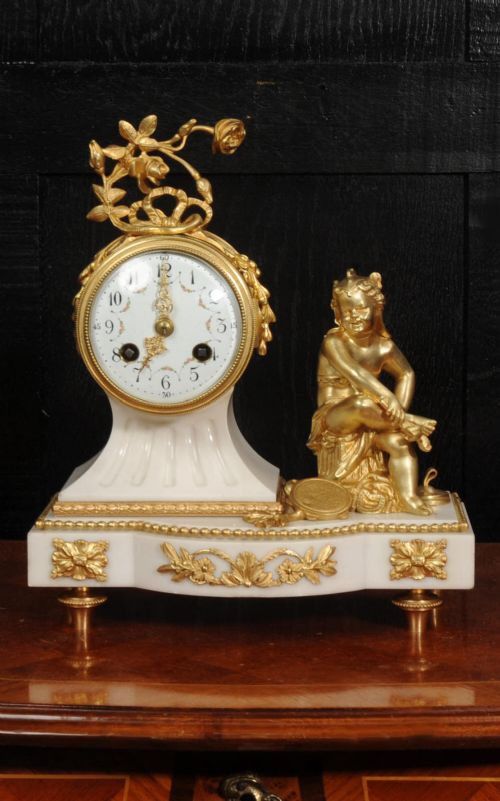
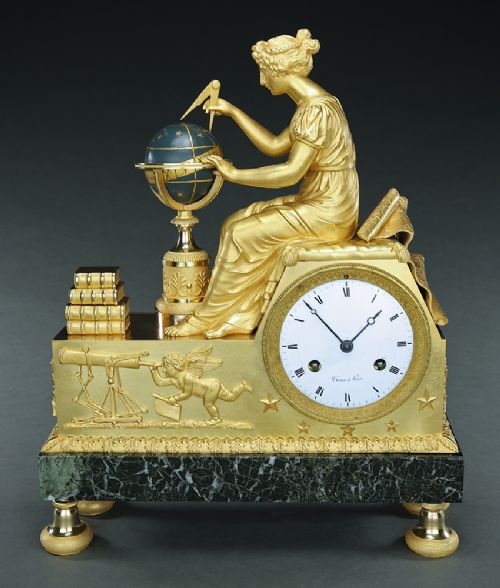
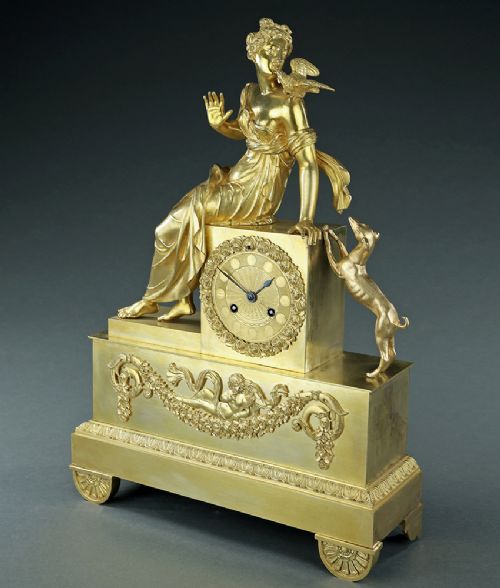
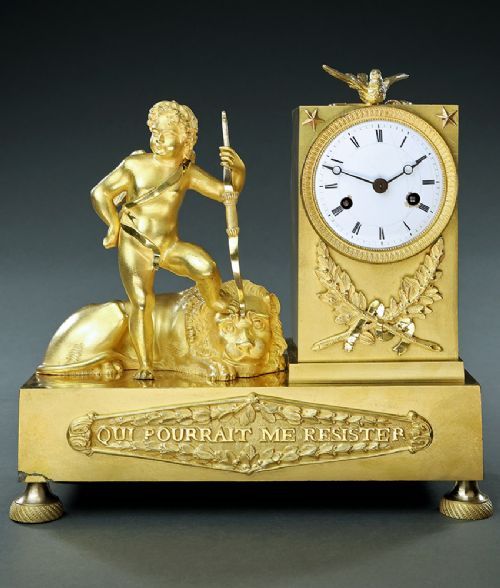
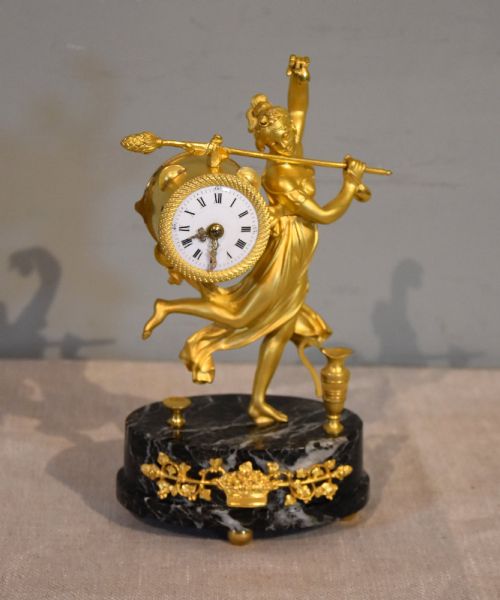
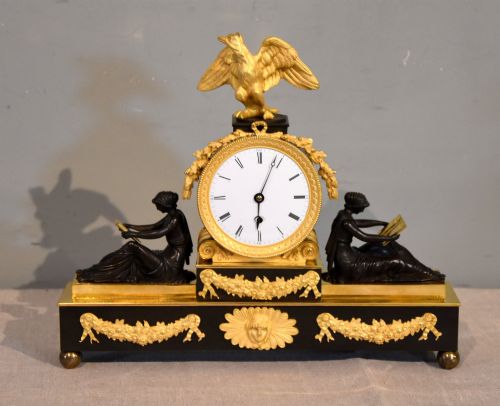
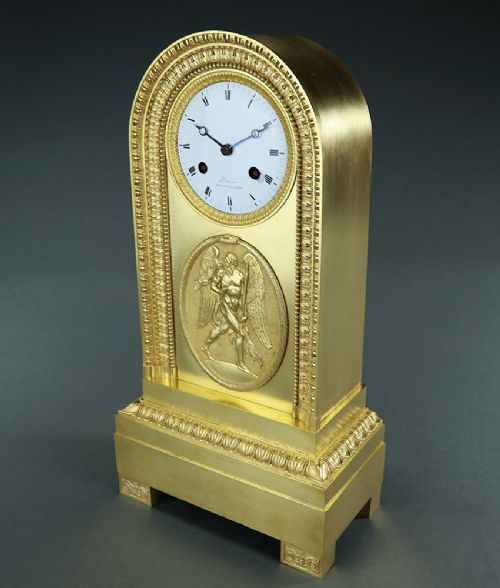
The selection ranges from architectural portico clocks to figural subjects involving classical deities, cherubs, and animals such as elephants. Enamel dials and decorative side mounts frequently accompany the primary gilt metal casing.
French workshops dominate the evidence, spanning styles from French Empire and Rococo Revival to Louis XVI and Baroque designs. Alongside these stand English makers producing brass and gilt mantel timepieces in London.
Materials and construction
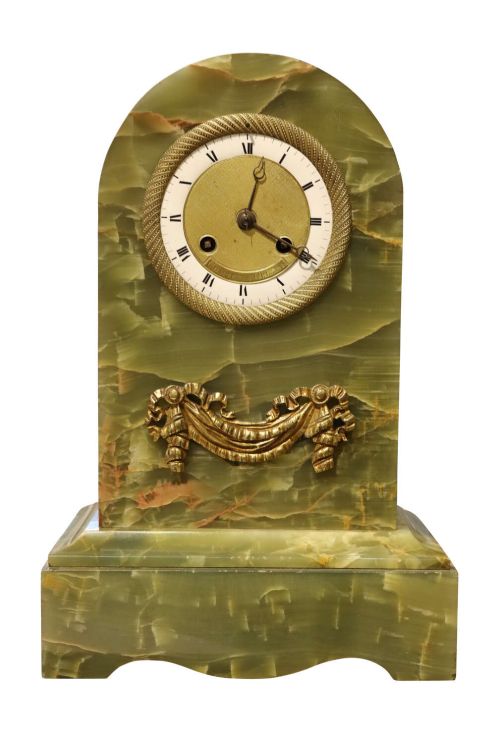
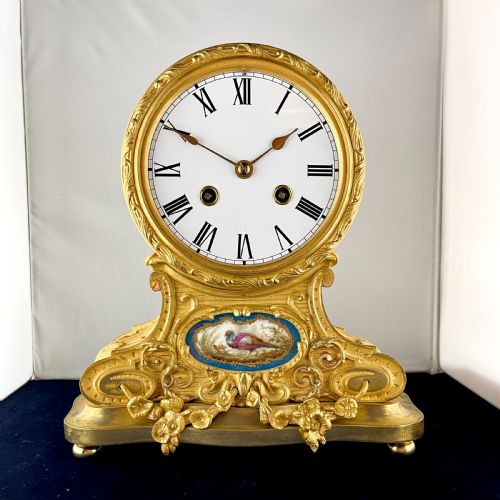
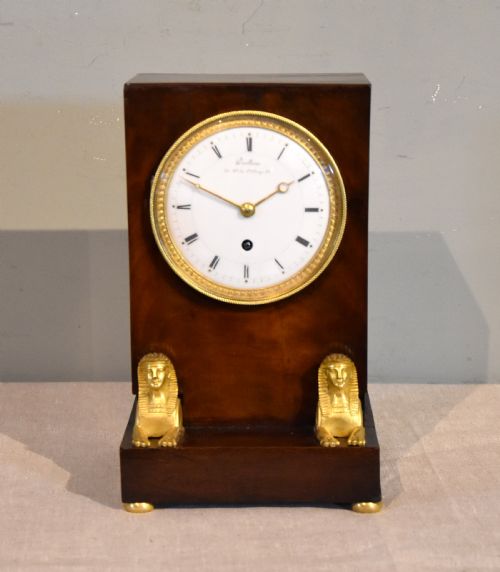
The primary material is ormolu, also known as gilt bronze, which provides a rich golden surface finish through the application of gold amalgam onto cast bronze. This is frequently paired with contrasting natural materials such as white or green marble, onyx, red marble, and porcelain panels.
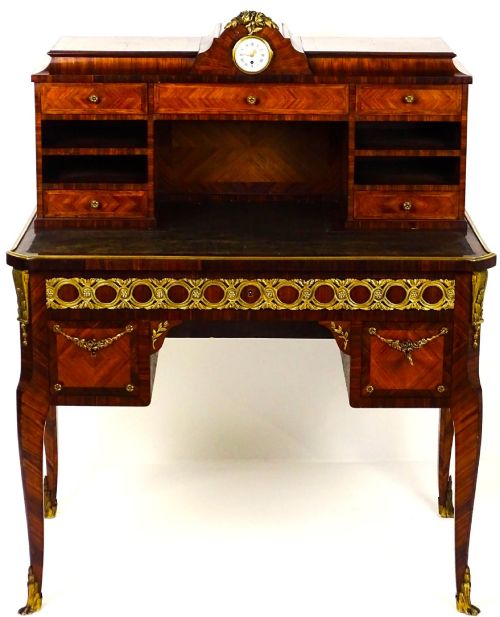
Clock movements are housed within these heavy cast cases, often incorporating enamel chapter rings for the dial. Additional decorative elements include cut crystal, tortoiseshell, and kingwood veneers on associated desk furniture.
Distinctions in craftsmanship
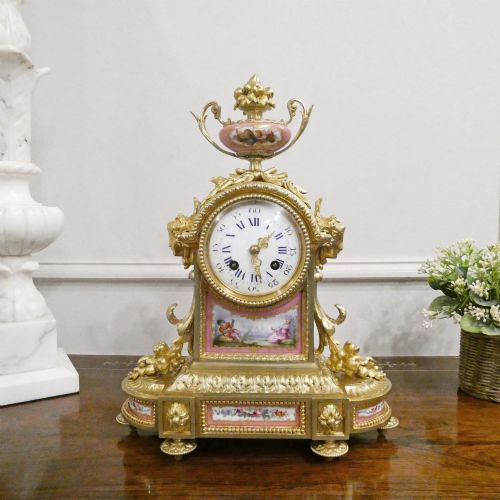
Quality rests in the crispness of the bronze casting and the depth of the mercury gilding, where finer pieces retain sharp chisel work on the chased details. The integration of high-grade components, such as painted Sèvres porcelain panels and signed movements by makers like Japy Freres or Achille Brocot, elevates a piece.
Substantial weight, solid marble or bronze construction, and intricate figural modeling distinguish superior examples from simpler mass-produced variants. The complexity of the clock mechanism, including calendar functions or specialised striking trains, further separates standard timepieces from masterworks.
Achille Brocot·Japy Freres·Charles a Orleans·Paul Sormani·Baetens London·Canaillor of Paris·Le Roy Paris·Viner London·Louis Goret·Leon Message·Jollet et Cie
The Ormolu Bronze Desk Clock Glossary
- Ormolu
- Gilt bronze created by applying a gold and mercury amalgam to a bronze base and heating it to drive off the mercury. This technique produces a durable golden lustre typical of fine French decorative arts.
- Champlevé
- An enamelling technique where troughs are dug into the surface of a metal object and filled with vitreous enamel before firing. It frequently appears on decorative nineteenth-century clock cases.
- Portico clock
- A clock case constructed in the architectural form of a classical portico with pillars supporting a lintel. These pieces often feature a suspended pendulum swinging freely within the central opening.
- Garniture set
- A matched set consisting of a central clock flanked by matching decorative objects such as candelabra or urns. They were designed to sit together on a mantelpiece or sideboard.
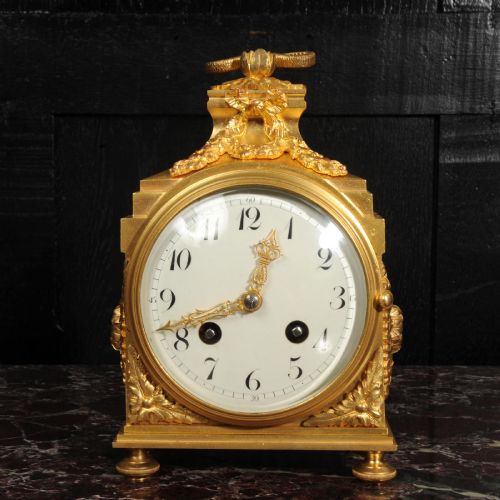
- Pendule d'Officier
- A portable military-style officer's clock fitted with a carrying handle on top. These travel clocks typically feature robust movements housed in architectural bronze or brass cases.
Ormolu Bronze Desk Clock: Frequently Asked Questions
What is an ormolu bronze desk clock?
An ormolu bronze desk clock is a timekeeping device housed in a cast bronze case finished with gold gilding. These pieces range from architectural mantel clocks to smaller table timepieces.
They combine mechanical clockwork with sculptural metal ornamentation, often incorporating marble, porcelain, or enamel dials.
Where were these clocks made?
The majority of these clocks originate from French workshops in Paris, spanning the nineteenth century. Makers and retailers produced styles ranging from Empire and Rococo Revival to Louis XVI.
English makers in London also contributed brass and gilt mantel timepieces during the Regency period.
How do I identify the period?
Dating relies on stylistic clues such as the symmetry of Rococo designs or the strict classical geometry of Empire and Louis XVI pieces. Materials like green onyx, champleve enamel, and specific marble colours also point to Victorian or nineteenth-century production dates.
Inscribed signatures on the dial or movement by recorded makers help narrow down the date of manufacture.
How were they used historically?
These clocks served both practical timekeeping and decorative functions in formal rooms, studies, and drawing rooms. Placed on desks, mantels, or tables, they demonstrated the status and taste of the owner.
Larger models often formed part of a matched garniture set flanked by ornamental vases or candelabra.